In short
- One of the few conifers that grow well in shade and partial shade.
- Takes pruning very well — popular for formal hedges and bonsai.
- Needs consistently moist, acidic soil and shelter from dry winds.
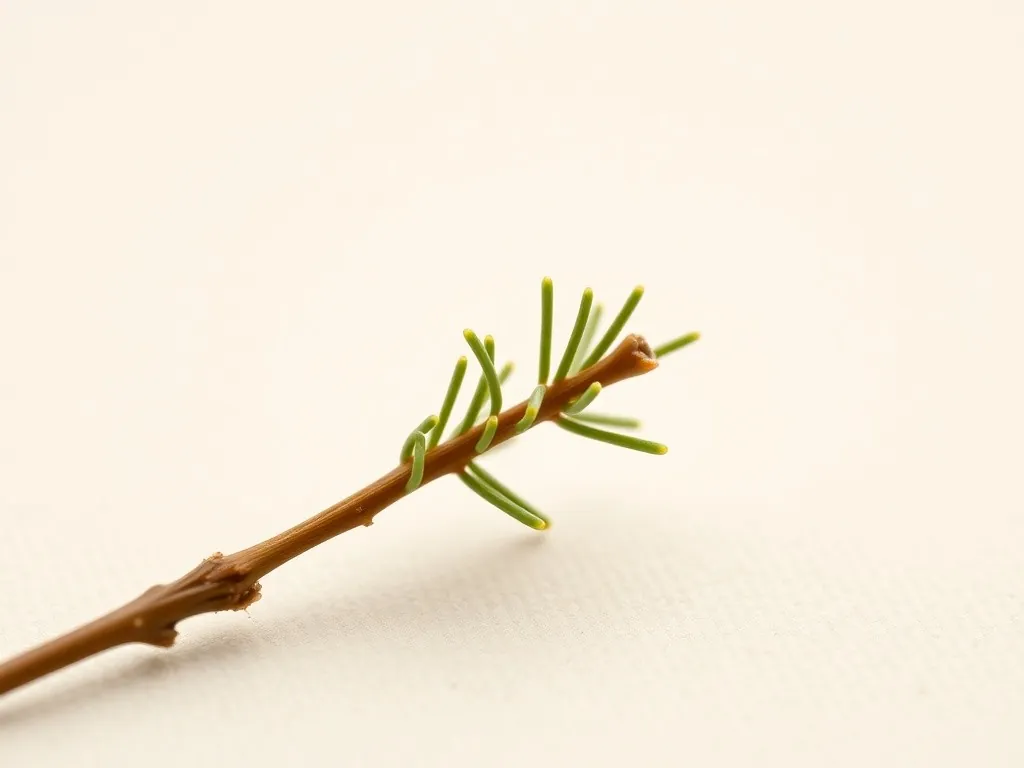
- Soft, non-prickly needles with two pale stripes on the underside.
- Not to be confused with poisonous hemlock — an unrelated plant sharing a similar common name.
Botanical data
- Family
- Pinaceae (Pinaceae)
- Height
- 12–25 m
- Width
- 5–8 m
- Habit
- Conical
- Growth rate
- Slow
- Position
- Shade, Partial shade, Full sun
- Soil
- Humus-rich, Loamy
- pH reaction
- pH 5–6.5
- Moisture
- Moderate, Moist
- Bloom
- April–May
- Hardiness
- USDA 3b–7a
- Propagation
- From cuttings, From seed
Characteristics
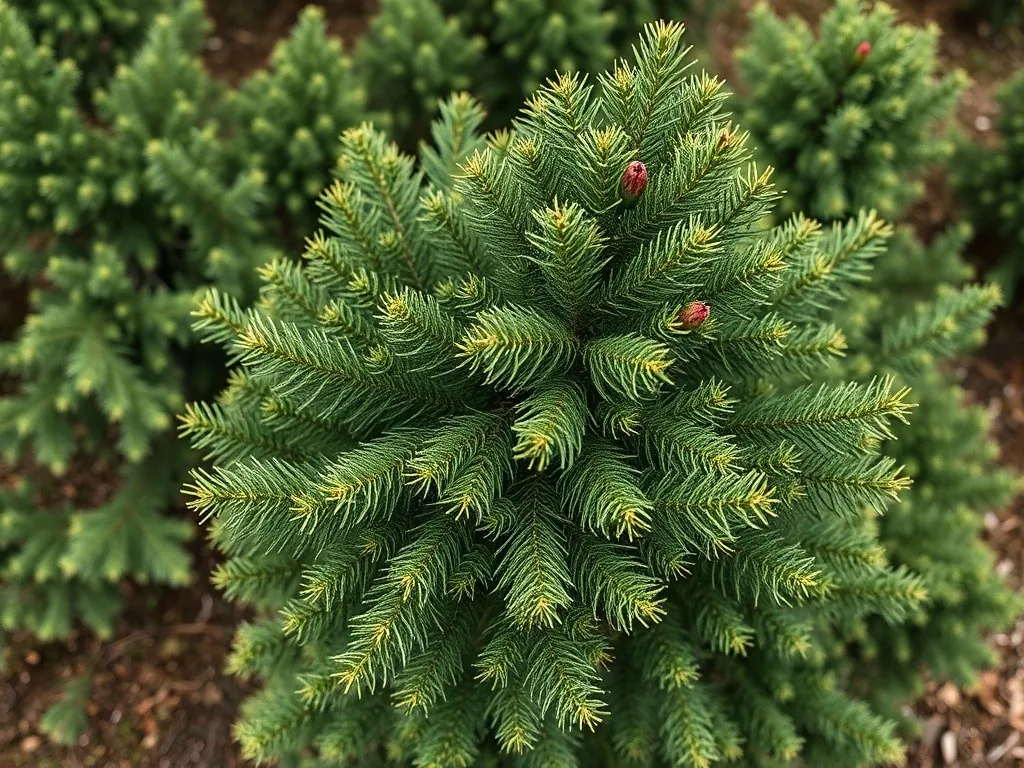
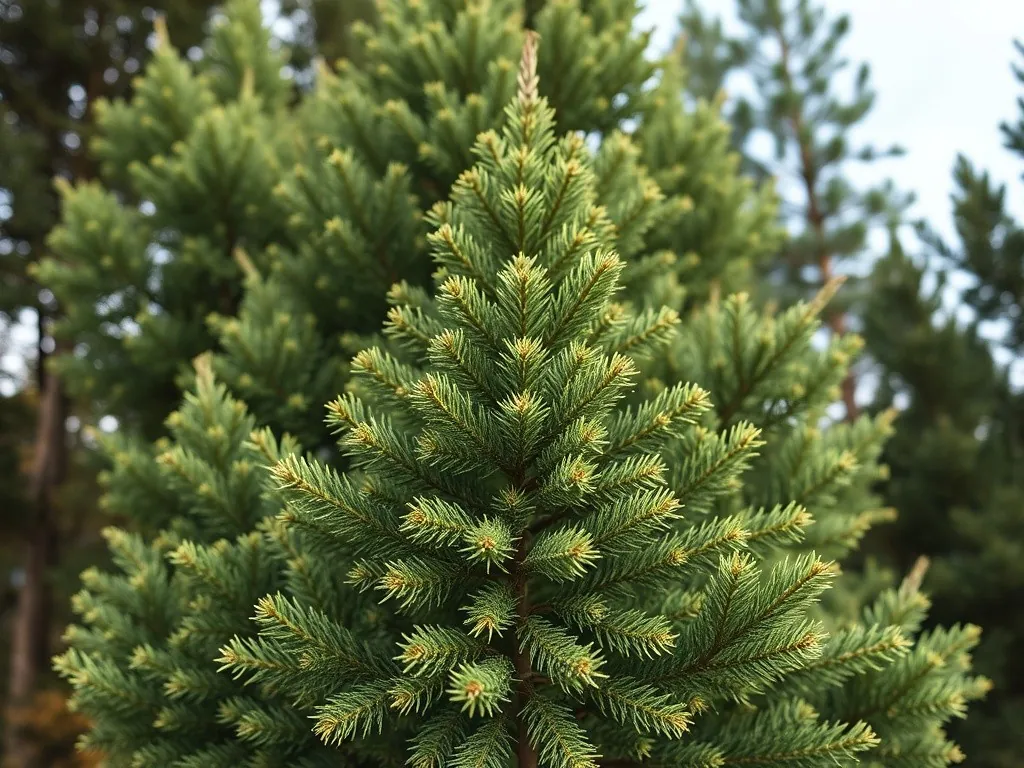
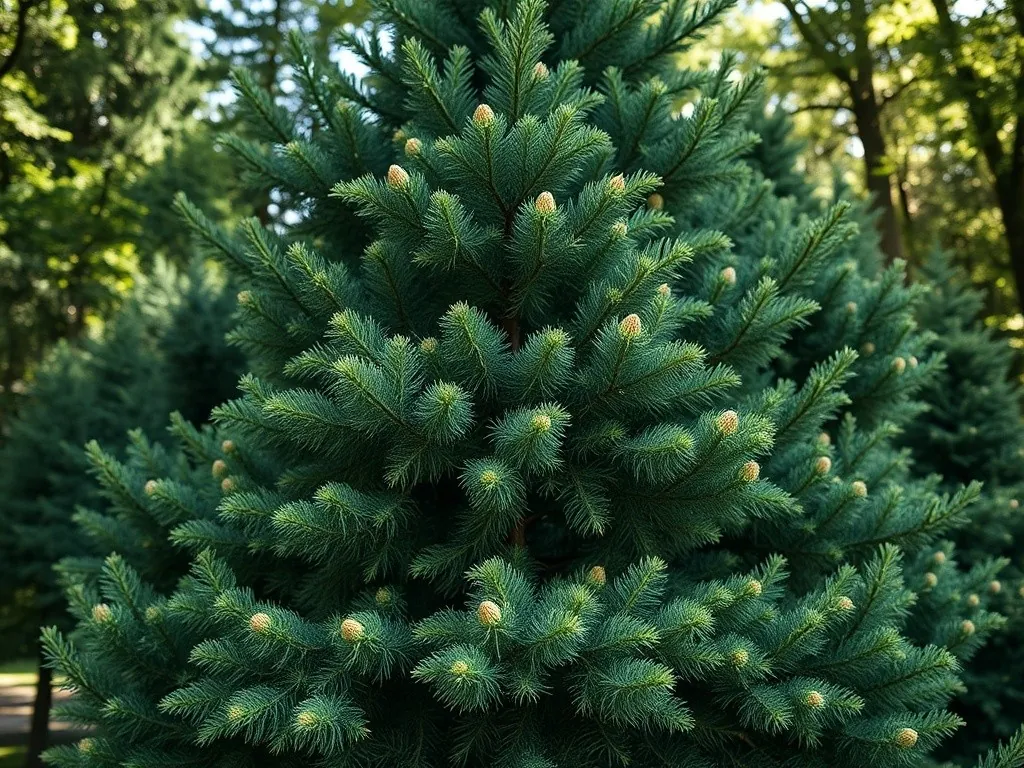
It forms a dense, conical crown with a slightly drooping tip and horizontally spreading branches. Short, flat, soft needles are arranged comb-like on thin shoots. Small, hanging cones ripen in autumn and remain on the tree through winter.
Growing and care
Watering
Needs consistently moist soil and shelter from dry, hot winds. Both drought and an overly dry site quickly cause the needles to brown.
Fertilizing
Moderate doses — a forest species accustomed to fertile, humus-rich deciduous forest soil.
Planting
Fertile, moist, well-drained soil with an acidic pH; a wind-sheltered site, which may be shaded.
Pruning
Tolerates heavy formal pruning very well — one of the few conifers suitable for dense, low formal hedges as well as bonsai.
Companion plants
Good companions
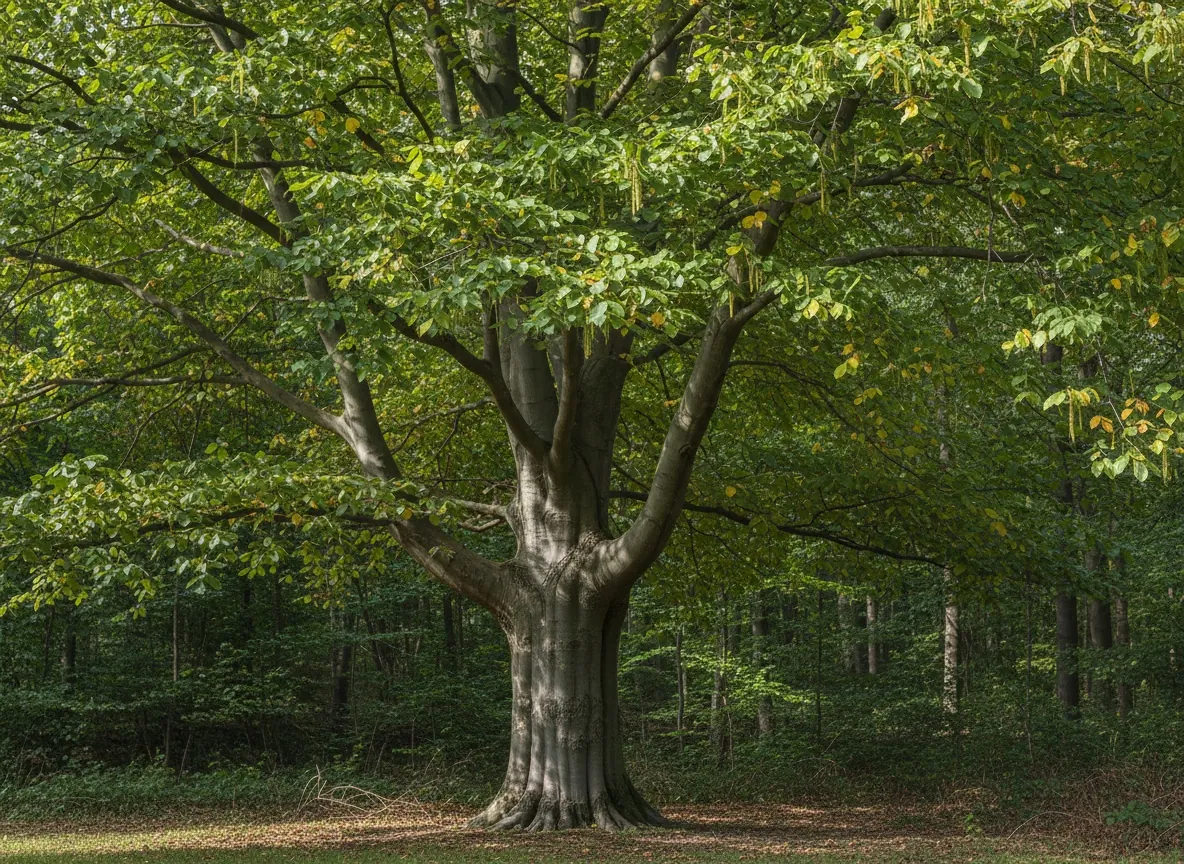
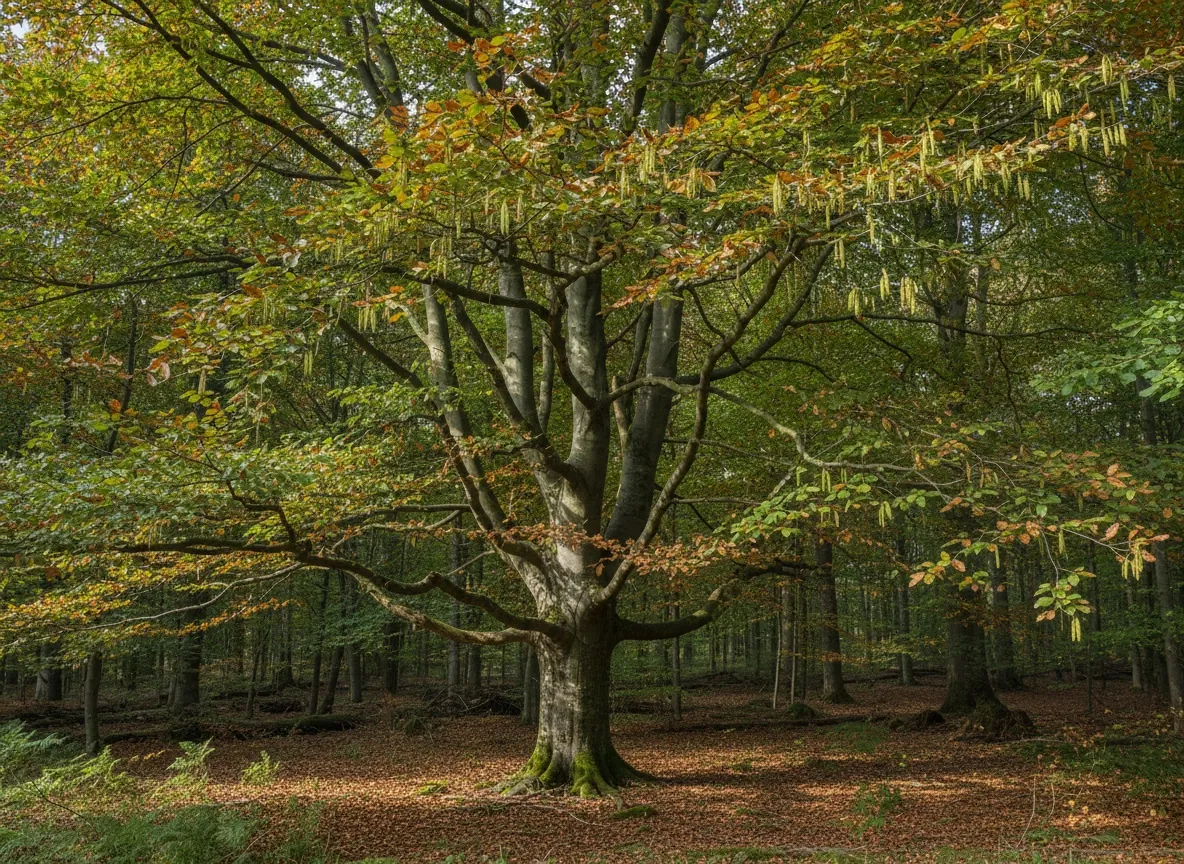
Both species prefer acidic, moist soil and partial shade — a classic pairing in woodland gardens.
Shade-loving hosta thrives well under the shelter of hemlock's dense crown, in similarly moist, humus-rich soil.
Bad companions
Rosemary needs a dry, sunny site and well-drained, alkaline soil — conditions opposite to the shaded, moist habitat preferred by hemlock.
The evidence level indicates whether the relationship is backed by research, observation, or gardening tradition.
Toxicity
| For whom | Level | Notes |
|---|---|---|
| Humans | None | Not to be confused with poison hemlock (Conium maculatum), also commonly called 'hemlock' — a completely different, highly poisonous herbaceous plant unrelated to this tree. |
| Dogs | None | — |
History and origin
An important forest-forming species of eastern North America, long used by Indigenous peoples and settlers alike — the bark was used for tanning hides, the wood in construction. It has been grown ornamentally in Europe since the 18th century and is popular today in bonsai as well.
Uses
Formal hedges (including low, shaded ones), specimen plantings in woodland gardens and parks, popular material for bonsai. Performs well in sites too shaded for most other conifers.
Trivia
- The name 'hemlock' can be misleading — the English name of this tree is identical to that of the highly poisonous herbaceous plant, poison hemlock, although the two are botanically unrelated.
- Thanks to its exceptional shade tolerance and good response to pruning, it is one of the few conifers readily used in bonsai.
- In the natural forests of North America, individual specimens live to be as much as 800 years old.
Frequently asked questions
Does eastern hemlock grow in shade?
Yes, it is one of the few conifers that tolerate shade and partial shade well, making it a valuable choice for sites where most conifers would not survive.
Is eastern hemlock poisonous, like hemlock the herb?
No — this is a common misunderstanding arising from the similarity of the English name 'hemlock'. Eastern hemlock (Tsuga canadensis) is not poisonous and is botanically unrelated to the highly toxic poison hemlock (Conium maculatum).
Is eastern hemlock suitable for a hedge?
Yes, it takes regular, even heavy formal pruning very well, allowing it to form dense, compact hedges — including in shaded spots where other conifers grow poorly.
Sources
- Plants of the World Online (POWO) — Tsuga canadensisDatabase (GBIF, POWO…)
- Missouri Botanical Garden — Tsuga canadensisInstitution / botanical garden
My note
A private note for this plant — saved in your browser.