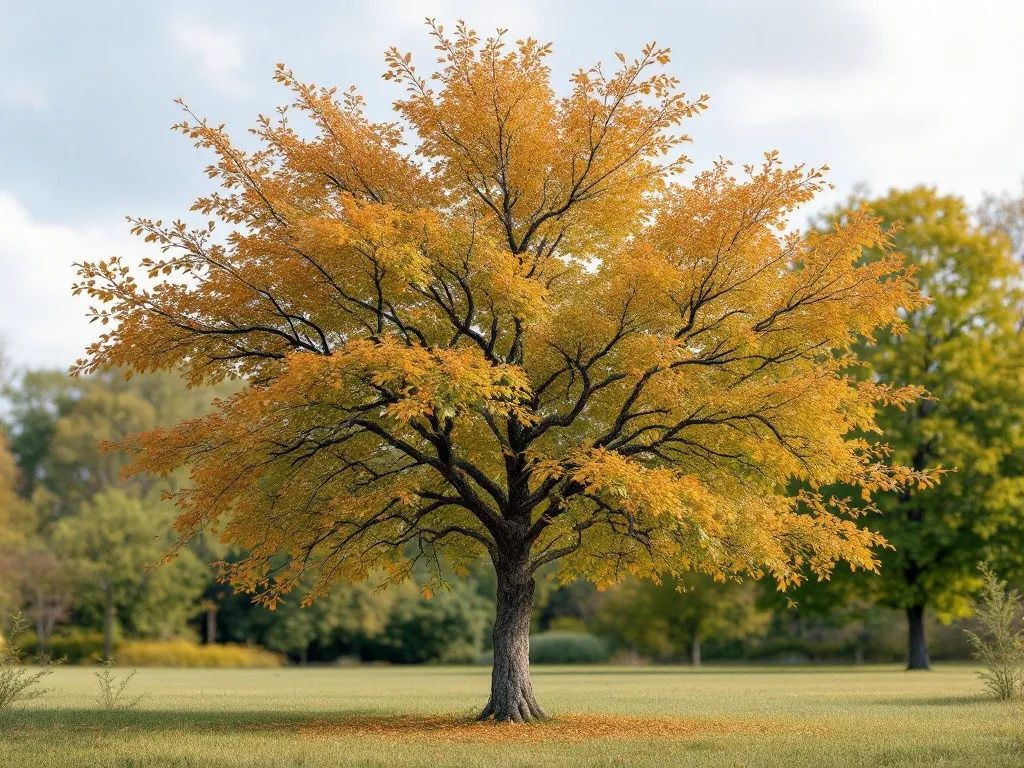
In short
- Reaches 25–40 m in height and can live for centuries.
- Grows slowly; prefers deep, fertile, moderately moist soils.
- Flowers in April–May, acorns ripen in autumn.
- Enormous ecological value — supports hundreds of insect and bird species.
- Acorns are toxic to horses.
Botanical data
- Family
- Fagaceae (Fagaceae)
- Height
- 25–40 m
- Width
- 15–25 m
- Habit
- Spreading
- Growth rate
- Slow
- Position
- Full sun, Partial shade
- Soil
- Loamy, Humus-rich, Clay
- pH reaction
- pH 4.5–7.5
- Moisture
- Moderate, Moist
- Bloom
- April–May
- Hardiness
- USDA 4a–8b
- Propagation
- From seed
Characteristics
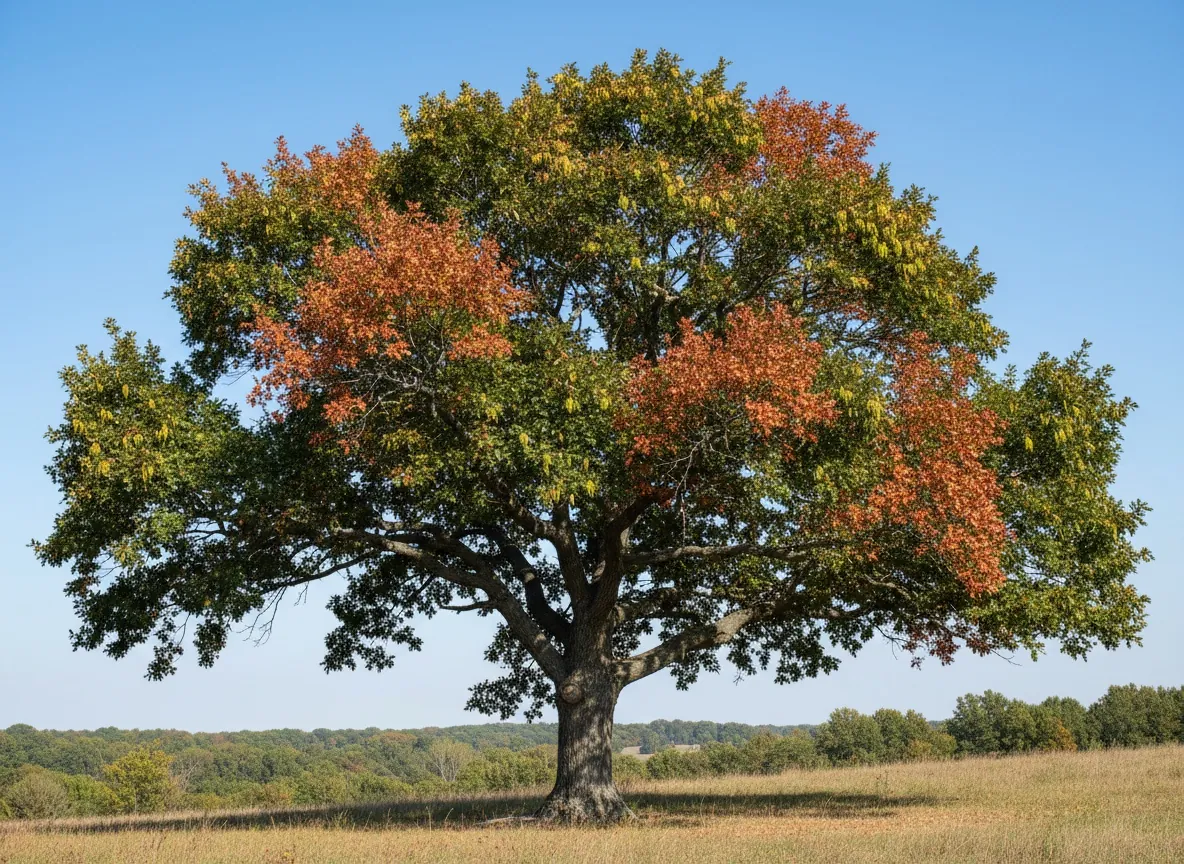
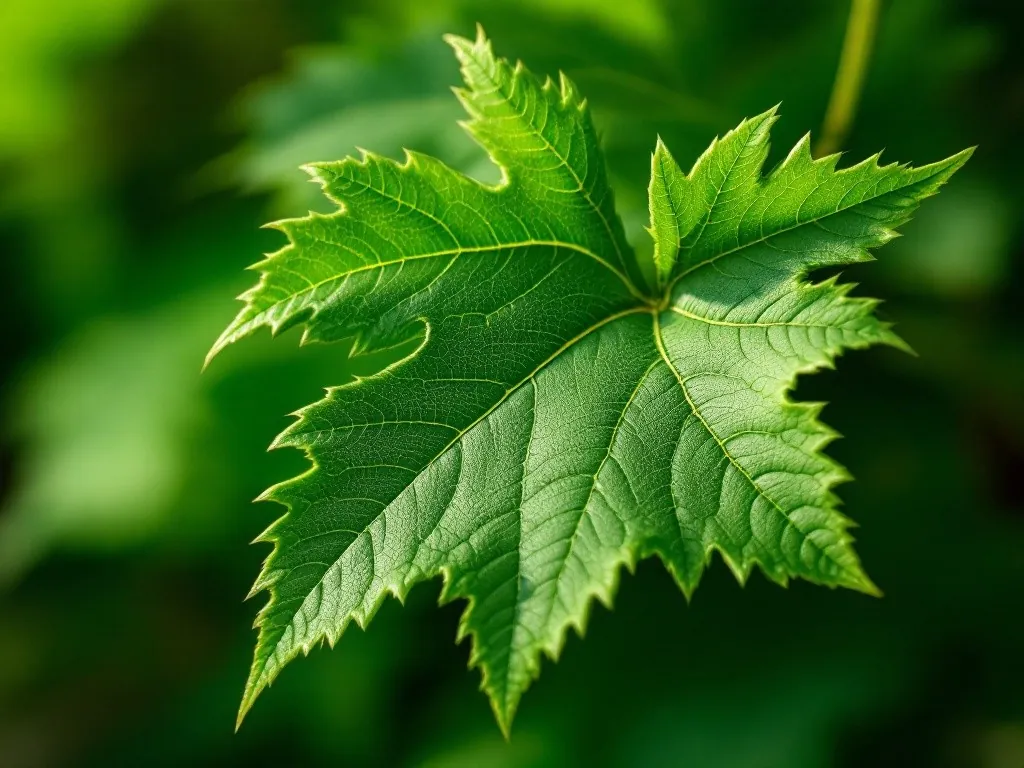
A massive tree with a broad, irregular crown and a thick, furrowed trunk. The leaves are obovate, lobed, and short-stalked. The acorns sit on a long stalk (peduncle) — hence the species' common name.
Growing and care
Watering
Watering is mainly needed for young trees in their first years; mature specimens are self-sufficient.
Fertilizing
For young specimens, spring mulching is sufficient.
Planting
Deep, fertile soil; oak develops a long taproot, so it tolerates transplanting of older specimens poorly.
Pruning
Remove only diseased, dead, and crossing branches — keep formative pruning to a minimum.
Companion plants
Good companions
Shade-tolerant geophytes grow well under the oak's open crown, making use of spring light before the leaves emerge.
Bad companions
The oak's extensive root system strongly competes for water and nutrients.
The evidence level indicates whether the relationship is backed by research, observation, or gardening tradition.
Diseases and pests
Toxicity
| For whom | Level | Notes |
|---|---|---|
| Humans | Mild | Acorns and leaves contain tannins — raw acorns are inedible. |
| Horses | High | Acorns and young leaves are toxic to horses. |
| Dogs | Moderate | — |
History and origin
For centuries the oak has symbolized strength and endurance; in Slavic and Germanic culture it was regarded as a sacred tree. The oldest Polish oaks (e.g., Bartek, Chrobry) are hundreds of years old.
Uses
For parks, avenues, large gardens, and landscape plantings. Due to its size, unsuitable for small plots.
Trivia
- A single old oak can be home to more than 500 invertebrate species.
- Oak wood, rich in tannins, has been used for centuries in construction and barrel-making.
Frequently asked questions
How fast does English oak grow?
It grows slowly — the annual growth of a young tree is typically 30–50 cm. In return, it reaches enormous size and lives for centuries.
Is oak suitable for a small garden?
No. Its eventual height of 25–40 m and spreading root system make English oak suitable for parks and large plots rather than small gardens.
Are acorns poisonous?
Raw acorns contain tannins and are inedible for humans, and are actually toxic to horses. After processing (leaching, roasting) they were historically used as food.
Sources
- Plants of the World Online (POWO)Database (GBIF, POWO…)
- Lasy Państwowe — gatunki drzewInstitution / botanical garden
My note
A private note for this plant — saved in your browser.