In short
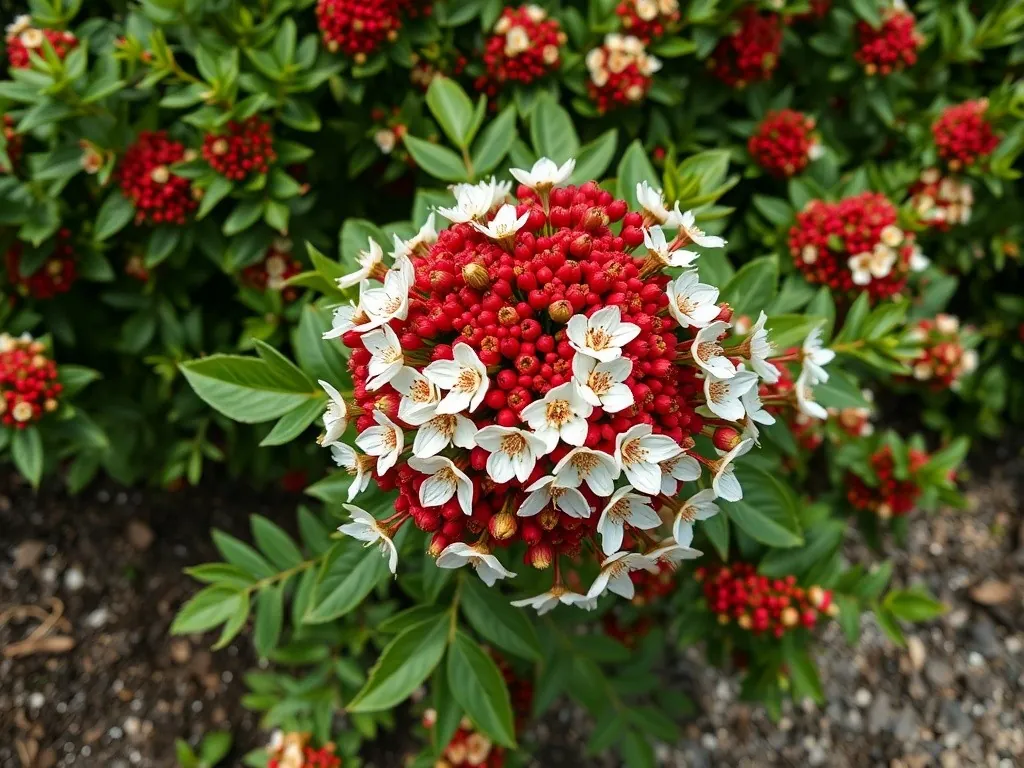
- The genus name (Gr. physa = bladder, karpos = fruit) refers to the inflated, bladder-like fruit clusters.
- The popular cultivar 'Diabolo' has intensely dark-purple leaves — it needs sun for full colour.
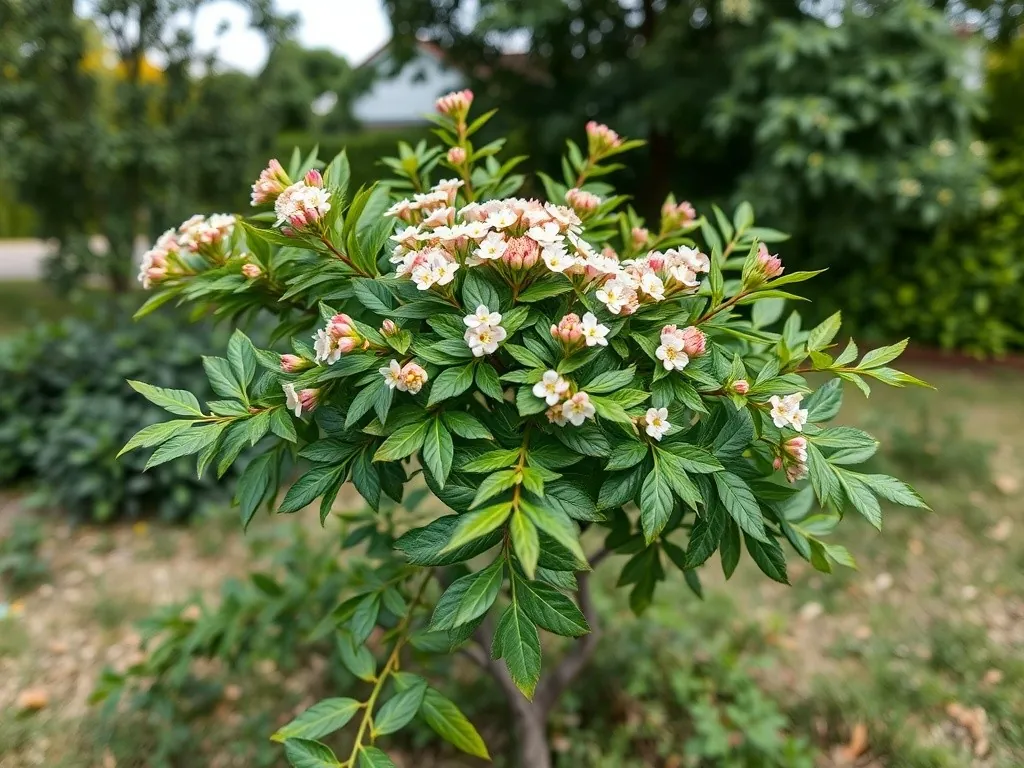
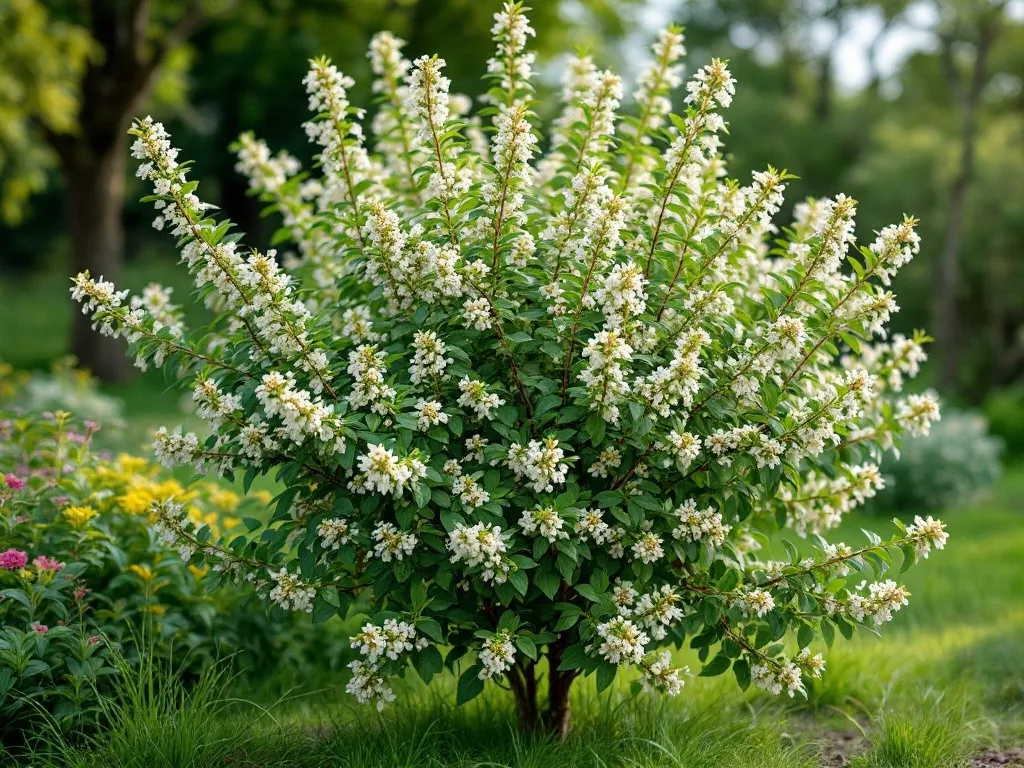
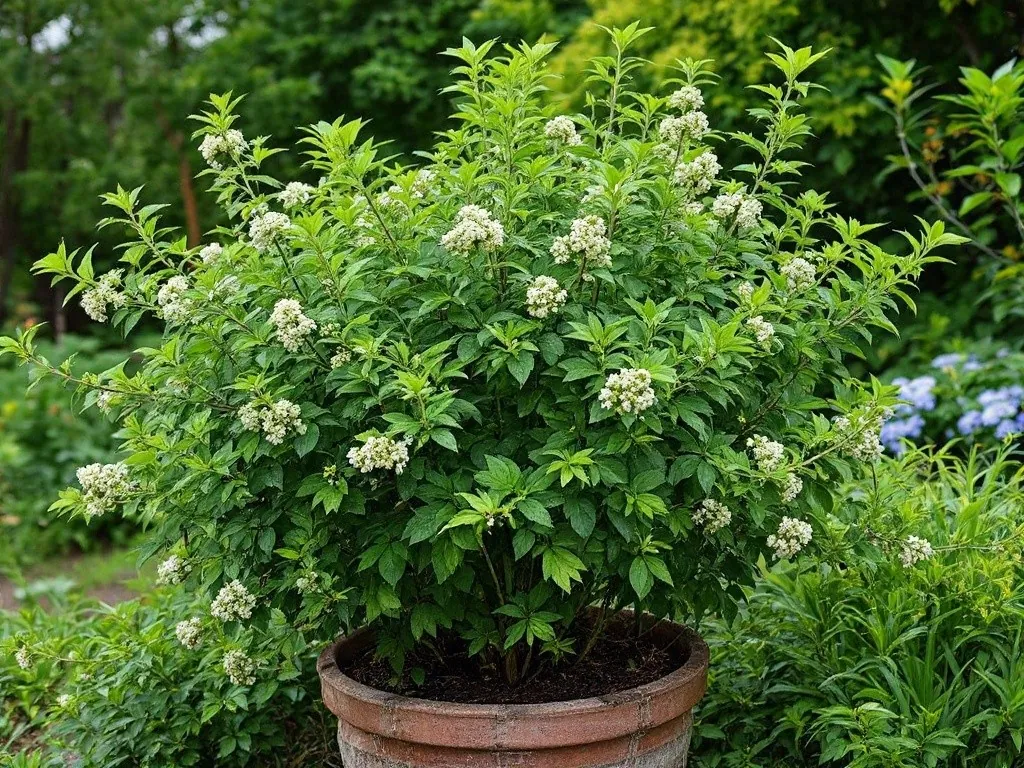
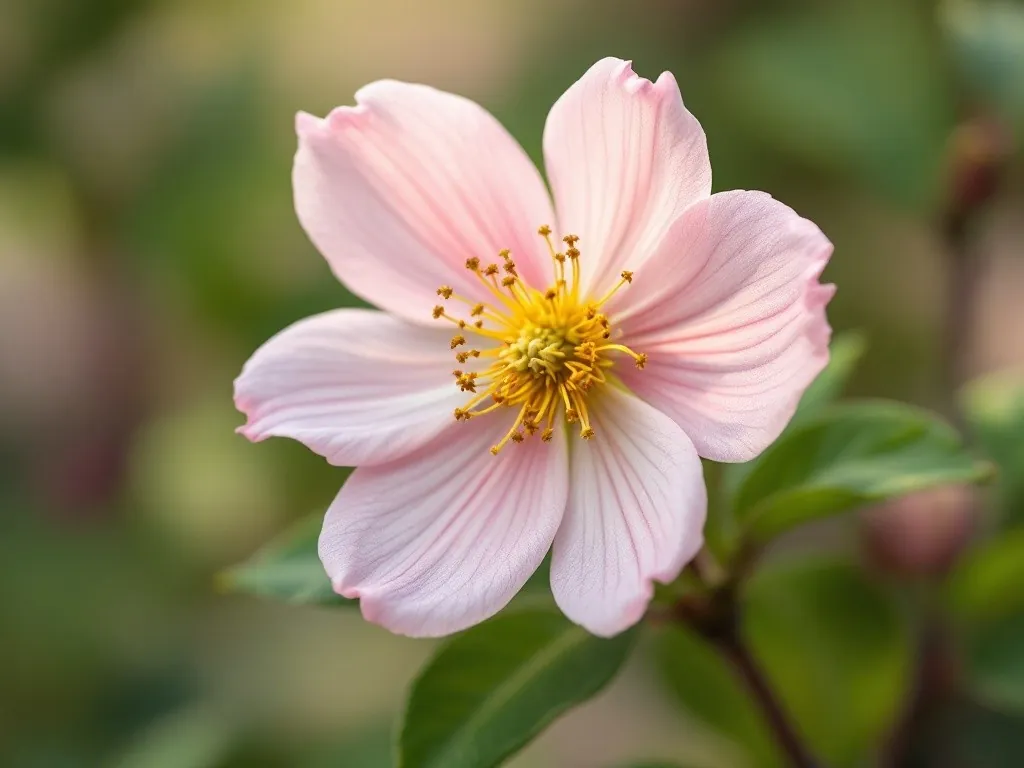
- White-pink flower corymbs appear in May–June, attracting bees.
- Very frost-hardy and undemanding as to soil — a good plant for difficult sites.
- The peeling, multi-layered bark adds ornamental interest in winter, when the shrub is bare of foliage.
Botanical data
- Family
- Rosaceae (Rosaceae)
- Height
- 2–3 m
- Width
- 2–3 m
- Habit
- Spreading
- Growth rate
- Fast
- Position
- Full sun, Partial shade
- Soil
- Loamy, Sandy, Humus-rich
- pH reaction
- pH 5.5–7.5
- Moisture
- Moderate, Moist
- Bloom
- May–June
- Hardiness
- USDA 3a–7b
- Propagation
- From cuttings, By layering
Characteristics
A spreading shrub with arching shoots and lobed leaves resembling those of the guelder rose (hence the Polish name “kalinolistna”, guelder-rose-leaved). The white or pale-pink flowers are gathered into rounded corymbs, forming the characteristic inflated fruit clusters after flowering. The older bark peels away in many layers, revealing lighter layers beneath — hence the English name “ninebark”.
Growing and care
Watering
In its natural environment it grows on riverbanks, so it tolerates periodic flooding well; nonetheless it dislikes prolonged drought in the first years after planting.
Fertilizing
Undemanding — excess nitrogen reduces the intensity of the purple leaf colour.
Planting
Tolerates most soils, from sandy to clay; for the best, dark leaf colour it needs full sun.
Pruning
Every 2–3 years, cut out the oldest, woody shoots at the base to rejuvenate the shrub and maintain a compact habit; it can also be cut back to height for a hedge.
Companion plants
Good companions
The dark, purple leaf colour of the ninebark contrasts beautifully with the light, silvery texture of ornamental grasses, and both plants have similar site requirements.
The golden leaves of the spiraea create a striking colour contrast with the dark-purple leaves of ninebark cultivars such as 'Diabolo'.
Bad companions
The ninebark tolerates moister, heavy sites well, which is unfavourable for Mediterranean plants that require dry, free-draining soil.
The evidence level indicates whether the relationship is backed by research, observation, or gardening tradition.
Toxicity
| For whom | Level | Notes |
|---|---|---|
| Humans | None | — |
| Dogs | None | — |
| Cats | None | — |
History and origin
Native to eastern North America, where it grows naturally along the banks of rivers and streams. It was introduced into European gardens in the 19th century as an ornamental; true popularity, however, came with the cultivar 'Diabolo', selected in Germany around the turn of the 21st century, with dark-purple leaves, which triggered the boom in coloured ninebark cultivars in European gardens.
Uses
For informal hedges and screening plantings, as a specimen plant or in groups in mixed borders, and also for moister parts of the garden and slopes above garden ponds.
Trivia
- The name “ninebark” comes from the multi-layered, peeling bark, whose layers some people literally tried to count.
- The cultivar 'Diabolo' was one of the first shrubs with dark, purple leaves to be available in large numbers in European garden centres, and it remains a bestseller to this day.
- In shallow water and on moist banks in its native North America, the ninebark's root system helps stabilise the banks against erosion.
Frequently asked questions
How do you keep the ninebark's intense purple leaf colour?
A position in full sun is key — in partial shade and shade the leaves of the purple cultivars turn green and lose their colour intensity. Regular, moderate feeding without excess nitrogen also helps.
Does ninebark tolerate moist, heavy soils?
Yes, far better than most ornamental shrubs — in its natural environment it grows on riverbanks and tolerates periodic flooding. It is a good plant for sites where other shrubs would rot.
How and when should you prune common ninebark?
It is best to cut out the oldest shoots at the base every 2–3 years after flowering, which rejuvenates the shrub and prevents it from becoming too bare at the bottom. A formative cut for a hedge is also acceptable.
Sources
- Plants of the World Online (POWO)Database (GBIF, POWO…)
- RHS — Physocarpus opulifoliusInstitution / botanical garden
My note
A private note for this plant — saved in your browser.