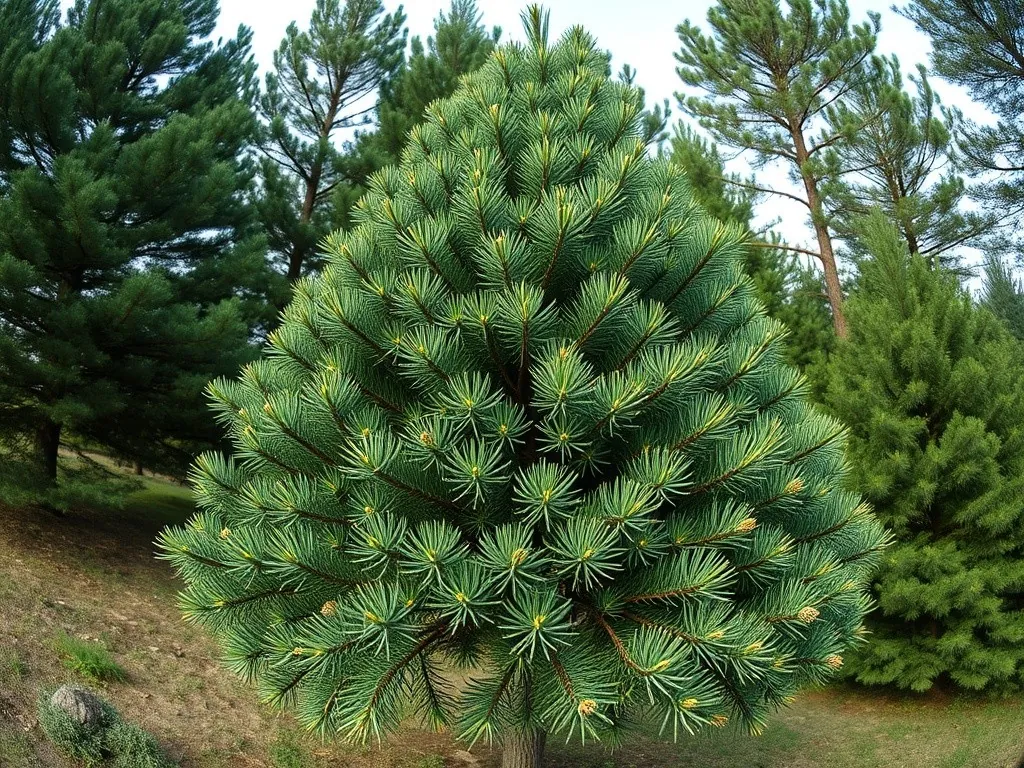
In short
- Position: full sun, well-drained soil; it tolerates calcareous and alkaline substrates well.
- Exceptionally resistant to drought, salt and air pollution.
- Popular in roadside, urban and coastal plantings.
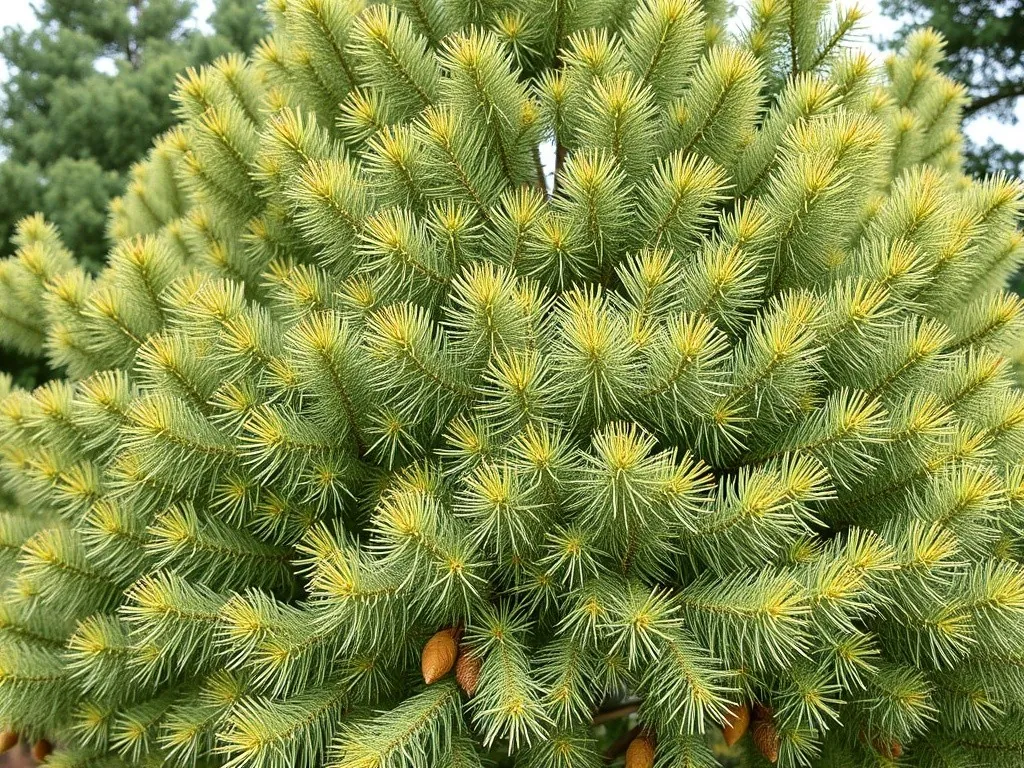
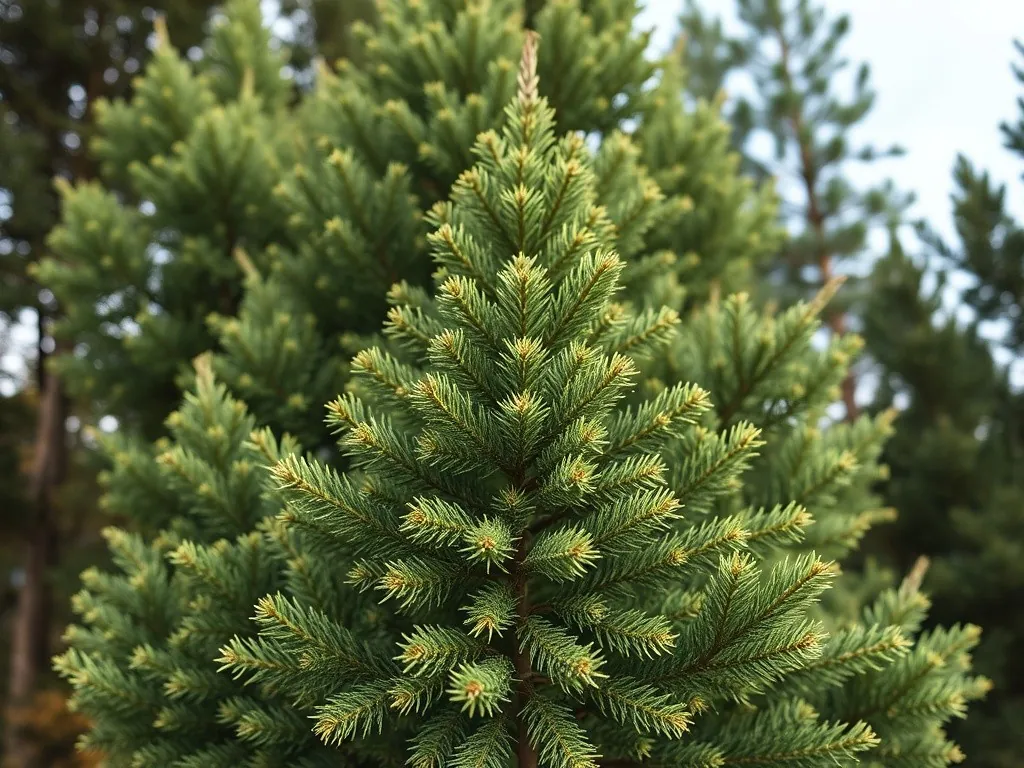
- Stiff, dark green needles arranged two to a bundle.
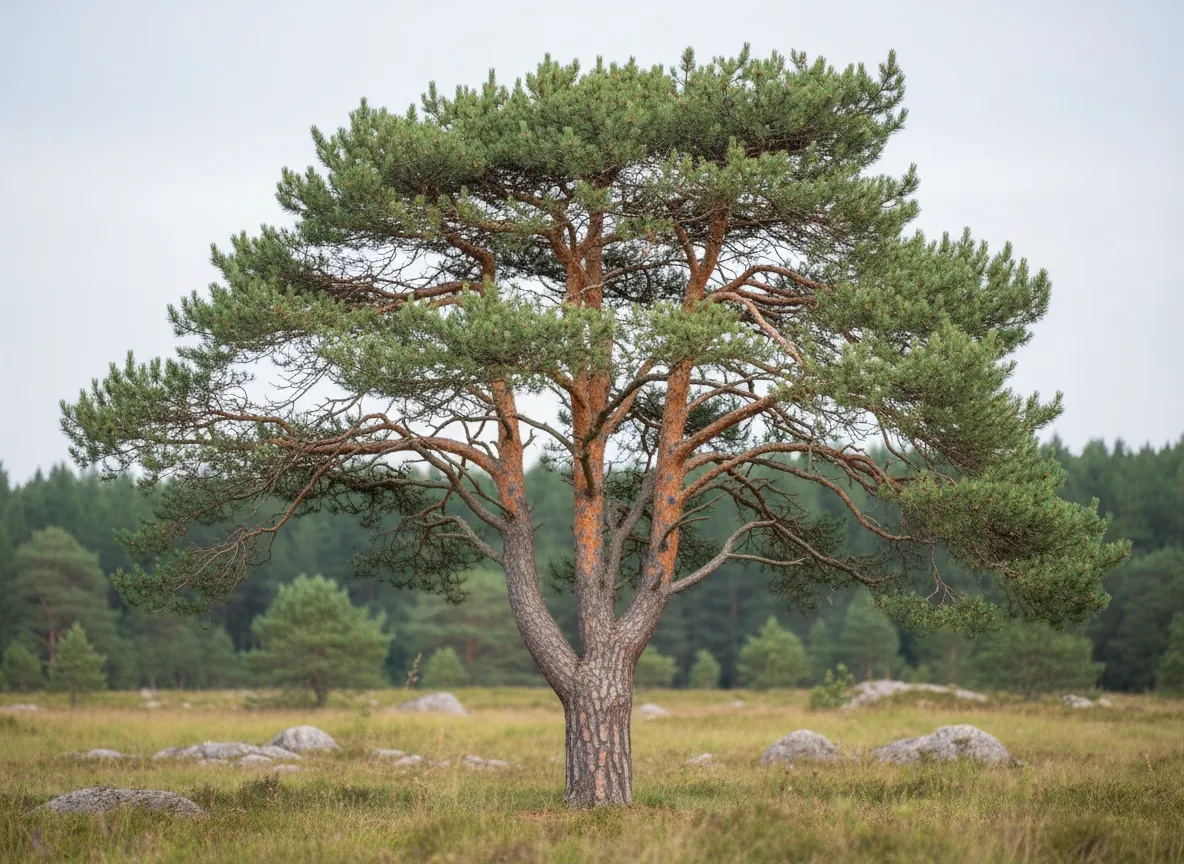
- Young trees have a conical crown, older ones a more spreading, umbrella-shaped one.
Botanical data
- Family
- Pinaceae (Pinaceae)
- Height
- 20–40 m
- Width
- 8–12 m
- Habit
- Conical
- Growth rate
- Moderate
- Position
- Full sun
- Soil
- Sandy, Chalky, Loamy
- pH reaction
- pH 6–8.5
- Moisture
- Dry, Moderate
- Bloom
- May–June
- Hardiness
- USDA 4b–7b
- Propagation
- From seed, From cuttings
Characteristics
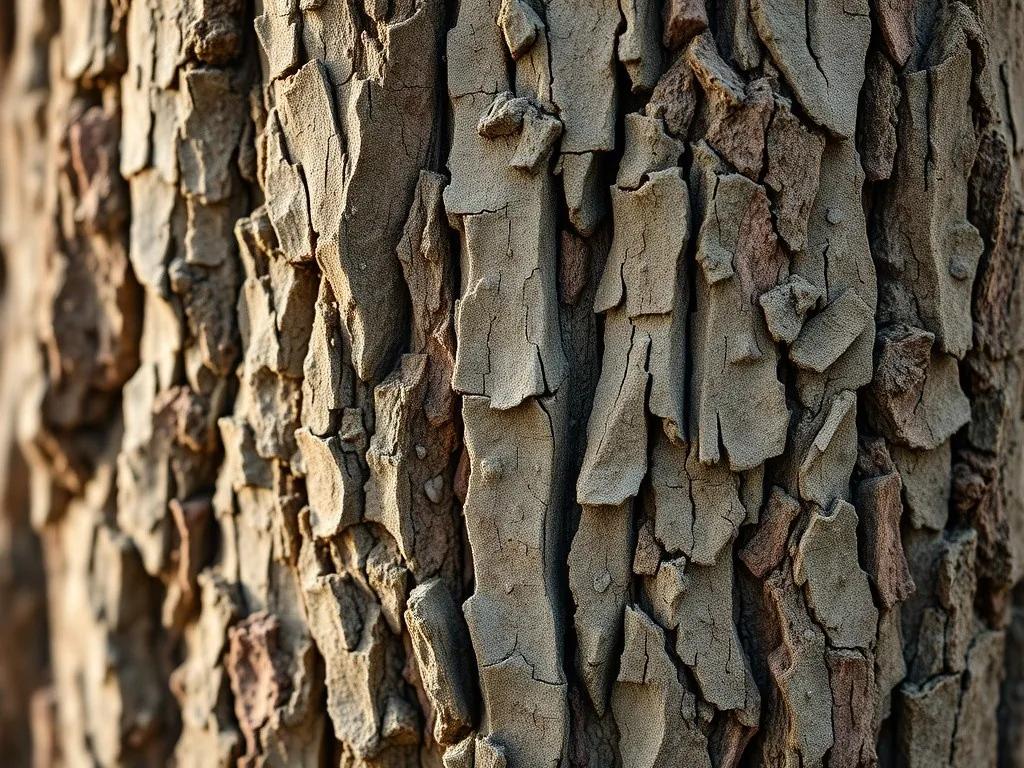
Young trees form a regular, conical crown that becomes broader and more spreading with age, resembling an umbrella. The stiff, dark green, prickly needles sit two to a bundle. The bark is dark grey to almost black and deeply fissured, which gave the species its name. The large, ovoid cones ripen in the autumn of the second year.
Growing and care
Watering
Very resistant to drought and salt once established. Watering is needed mainly in the first seasons after planting.
Fertilizing
Undemanding — it grows well on poor, stony and calcareous soils without additional fertilising.
Planting
Well-drained soil, even poor and stony, in full sun; it tolerates salt and air pollution well, which is why it is readily planted along roads and on the coast.
Pruning
Remove damaged and dry branches; for hedges, shape the young shoots by 'candling' (shortening the young candles) in May–June.
Companion plants
Good companions
Both species tolerate poor, well-drained and calcareous soils and full sun well — a durable, undemanding combination.
The drought-loving stonecrop complements the bed under the pine well, taking advantage of the same sunny and well-drained conditions.
Bad companions
The rhododendron requires acidic, moist soil, whereas the Austrian pine tolerates and prefers alkaline and dry substrates — the conditions are mutually exclusive.
The evidence level indicates whether the relationship is backed by research, observation, or gardening tradition.
Toxicity
| For whom | Level | Notes |
|---|---|---|
| Humans | None | — |
| Dogs | None | — |
History and origin
A species long used for afforesting eroded, dry and stony slopes in the Mediterranean basin and Central Europe — its strong root system effectively stabilises the soil. In the 19th and 20th centuries it was planted on a mass scale in Western and Central Europe along roads, in cities and on coasts.
Uses
Salt- and pollution-resistant roadside, urban and coastal plantings, afforestation of eroded slopes, park and shelter tree (windbreak) under difficult site conditions.
Trivia
- Thanks to its exceptional resistance to salt and exhaust fumes, the Austrian pine is one of the most frequently chosen trees for roadside, urban and seaside promenade plantings.
- The subspecies Pinus nigra subsp. laricio (Corsican pine) is regarded as one of the slenderest and most decorative forms of the species.
- The roots of the Austrian pine effectively prevent erosion, which is why it is widely used to afforest degraded, dry slopes.
Frequently asked questions
Why is the Austrian pine so popular along roads and in cities?
It tolerates air pollution from exhaust fumes, soil salinity from winter road salting, and dry, poor substrates exceptionally well, which is why it is readily planted in road verges, cities and on the coast.
Does the Austrian pine tolerate calcareous soil?
Yes, unlike many other pines it grows well on alkaline and calcareous soils, which makes it a good choice for sites where other conifers would have trouble taking up nutrients.
How large does the Austrian pine ultimately grow and is it suitable for a garden?
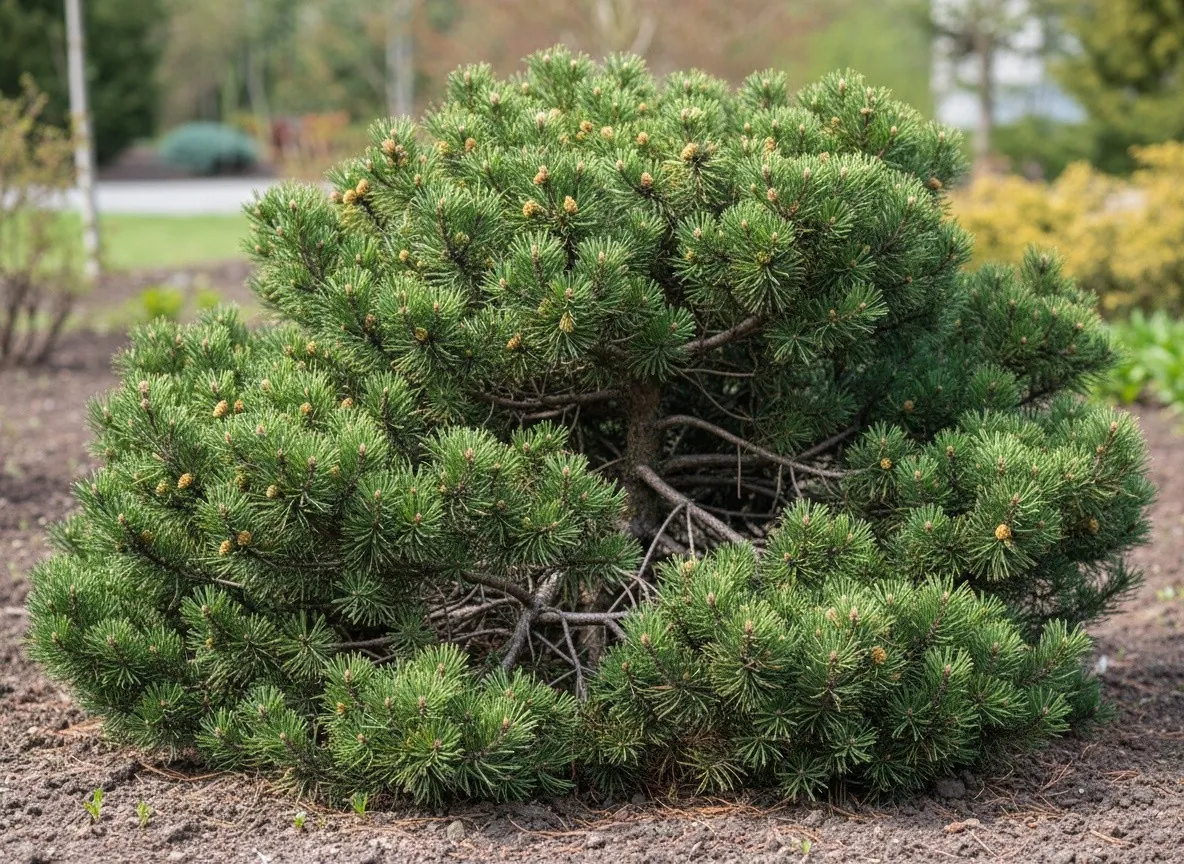
The species form grows to 20–40 metres, so slower-growing dwarf cultivars are better suited to an average home garden; the natural form makes sense in large parks, avenues and landscape plantings.
Sources
- Plants of the World Online (POWO) — Pinus nigraDatabase (GBIF, POWO…)
- GBIF — Global Biodiversity Information FacilityDatabase (GBIF, POWO…)
My note
A private note for this plant — saved in your browser.