In short
- Evergreen — keeps its leaves all year round.
- Grows as a spreading ground cover or climbs supports and walls using aerial roots.
- Popular variegated cultivars: 'Emerald Gaiety' (white margin) and 'Emerald 'n Gold' (yellow margin).
- Very cold-hardy and undemanding — grows well even in shade.
- Fruit and leaves are toxic to people and pets.
Botanical data
- Family
- Celastraceae (Celastraceae)
- Height
- 0.3–1 m
- Width
- 1–2.5 m
- Habit
- Creeping
- Growth rate
- Moderate
- Position
- Full sun, Partial shade, Shade
- Soil
- Loamy, Sandy, Humus-rich
- pH reaction
- pH 5.5–7.5
- Moisture
- Moderate
- Bloom
- June–July
- Hardiness
- USDA 5a–9b
- Propagation
- From cuttings, By layering
Characteristics
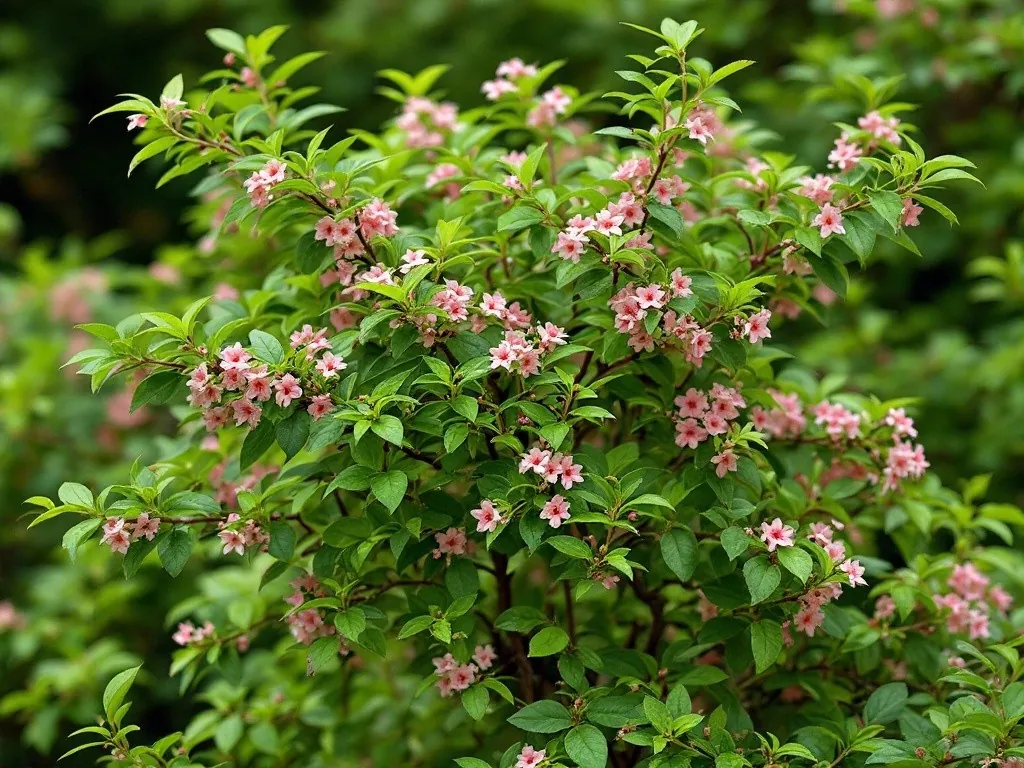
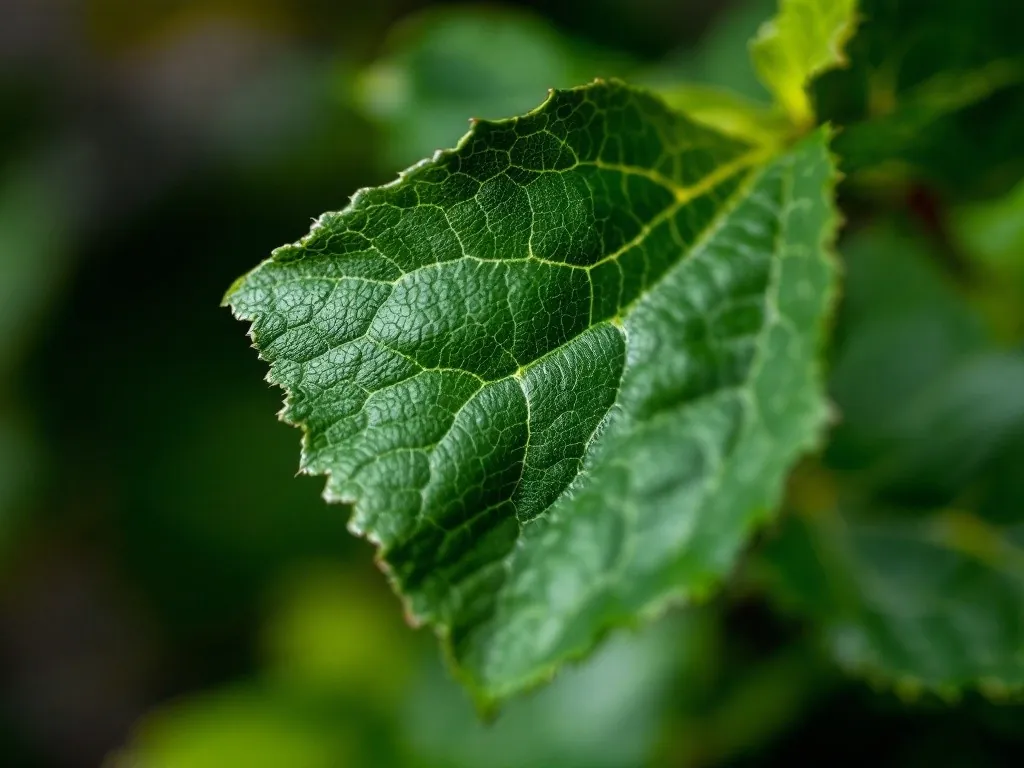
A low, sprawling shrub with small, leathery, glossy leaves. In its spreading form it makes a dense mat; in its climbing form it clings to surfaces and walls with adventitious roots and reaches considerably greater heights. The small, greenish flowers are inconspicuous; in autumn, pink-orange fruit capsules appear that split open into four lobes.
Growing and care
Watering
Fairly drought-tolerant once established, but watering is worthwhile during hot summer weather, especially for variegated cultivars grown in sun.
Fertilizing
Undemanding — excess nitrogen weakens the intensity of the leaf coloring in variegated cultivars.
Planting
Low soil requirements; as ground cover, space 30–50 cm apart, as a climber, train it up a support or wall.
Pruning
Cut back shoots that grow beyond the intended area; as ground cover it can be sheared for density, as a climber it should be trained and tied to a support.
Companion plants
Good companions
Similar shade tolerance and comparable soil requirements — a good ground-cover pairing under trees and shrubs.
Bad companions
Wintercreeper's sprawling stems, which root at the nodes, spread quickly and can smother weaker-growing ground covers planted nearby.
The evidence level indicates whether the relationship is backed by research, observation, or gardening tradition.
Diseases and pests
A white, powdery coating on leaves, shoots and buds. The leaves turn yellow, become deformed and drop prematurely.
Armoured and soft scale insectsImmobile, brown or yellowish shields (1–4 mm) attached to stems and the underside of leaves, especially along the veins. Easily mistaken for growths on the plant. They suck sap, causing yellowing and weakening, and excrete sticky honeydew. Common on figs, orchids and plants with tough leaves.
AphidsSmall (1–3 mm) soft-bodied insects, green, black or pink, feeding in clusters on young shoots and the underside of leaves. They excrete sticky honeydew.
Toxicity
| For whom | Level | Notes |
|---|---|---|
| Humans | Moderate | Fruit and leaves contain cardiac glycosides — ingestion can cause nausea, vomiting, and stomach pain. |
| Dogs | Moderate | — |
| Cats | Moderate | — |
| Horses | Moderate | — |
History and origin
The species was described and introduced to Western gardens in the 19th century, named in honor of the Scottish botanist Robert Fortune, who led plant-collecting expeditions to China. Variegated cultivars were selected during the 20th century and became some of the best-selling ground-cover shrubs in Europe and North America.
Uses
As ground cover under trees and shrubs, a low boundary hedge, a plant for erosion-prone slopes, and a climbing vine for covering walls and fences. Variegated cultivars are also suited to pots and balconies.
Trivia
- In many U.S. states (such as along the East Coast), wintercreeper is considered an invasive species because it readily escapes cultivation into woodlands.
- The climbing form of the same plant, trained up a wall, can develop entirely different, larger, less toothed leaves after several years than the juvenile, ground-hugging form — a phenomenon known as heteroblasty.
Frequently asked questions
What's the difference between the 'Emerald Gaiety' and 'Emerald 'n Gold' cultivars?
'Emerald Gaiety' has leaves with a white, creamy margin that often turns pink in winter, while 'Emerald 'n Gold' has leaves with a yellow margin that's more intense in full sun. Both cultivars grow lower than the species form and work well as ground cover.
Is wintercreeper poisonous?
Yes — its leaves and fruit contain cardiac glycosides that are toxic to people and pets. Ingestion can cause nausea, vomiting, and stomach pain, so care is needed when planting it in gardens with young children or animals.
Does wintercreeper climb walls on its own?
Yes, mature stems produce ivy-like aerial roots and can climb walls, fences, and tree trunks unaided, reaching several meters in height. Young plants, however, initially grow as ground-hugging spreaders.
Sources
- Plants of the World Online (POWO)Database (GBIF, POWO…)
- RHS — Euonymus fortuneiInstitution / botanical garden
My note
A private note for this plant — saved in your browser.