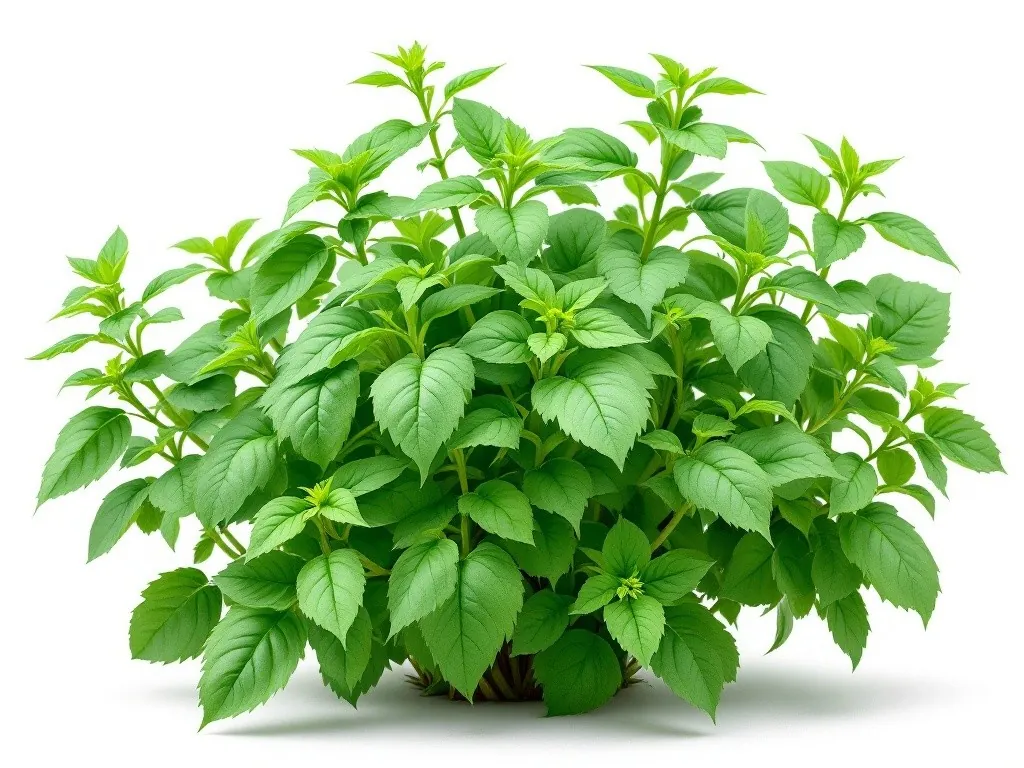
In short
- Needs full sun, warmth and fertile, moist soil.
- Cold-sensitive — plant out only after mid-May.
- Regularly pinching the shoot tips encourages bushy growth.
- The leaves turn bitter after flowering — remove flower buds.
- Grows well in the company of tomatoes.
Botanical data
- Family
- Lamiaceae (Lamiaceae)
- Height
- 0.2–0.6 m
- Width
- 0.2–0.3 m
- Habit
- Upright
- Growth rate
- Fast
- Position
- Full sun
- Soil
- Humus-rich
- pH reaction
- pH 6–7
- Moisture
- Moderate
- Bloom
- July–September
- Hardiness
- USDA 10a–11b
- Propagation
- From seed, From cuttings
Characteristics
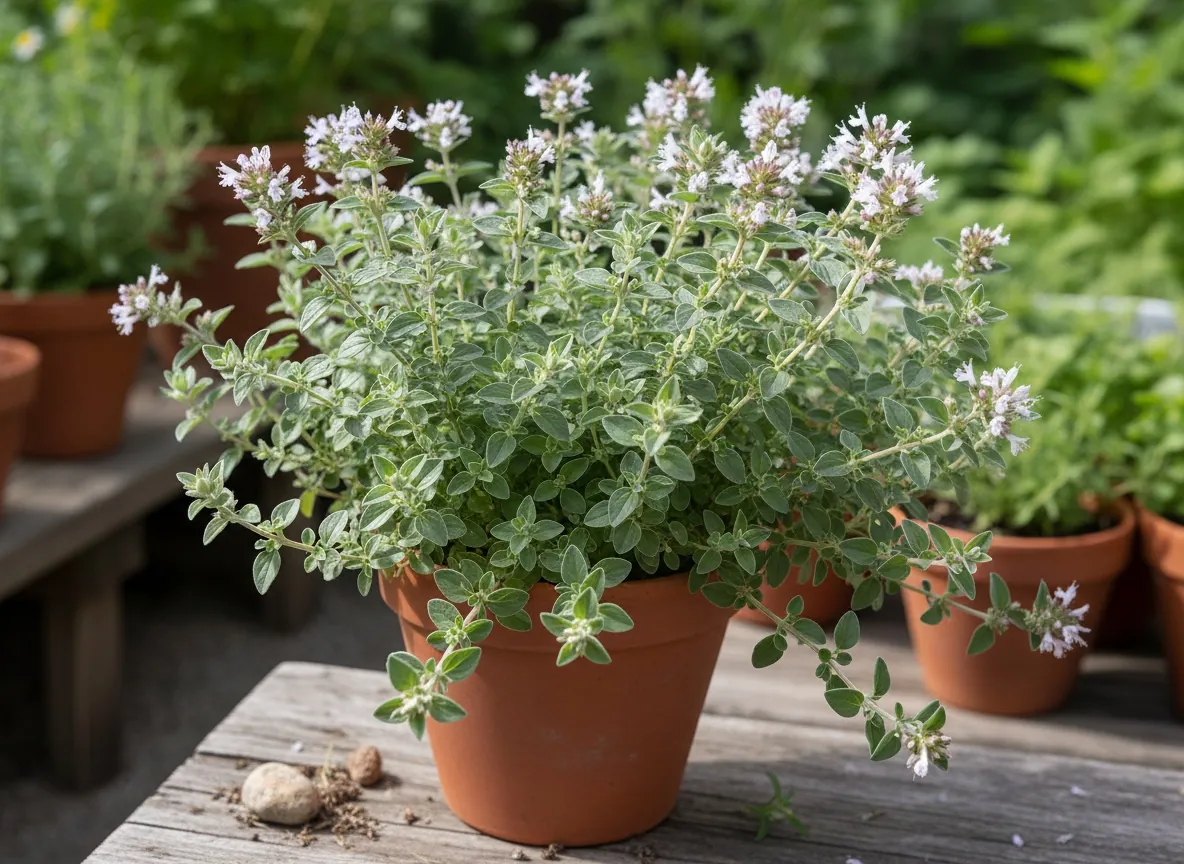
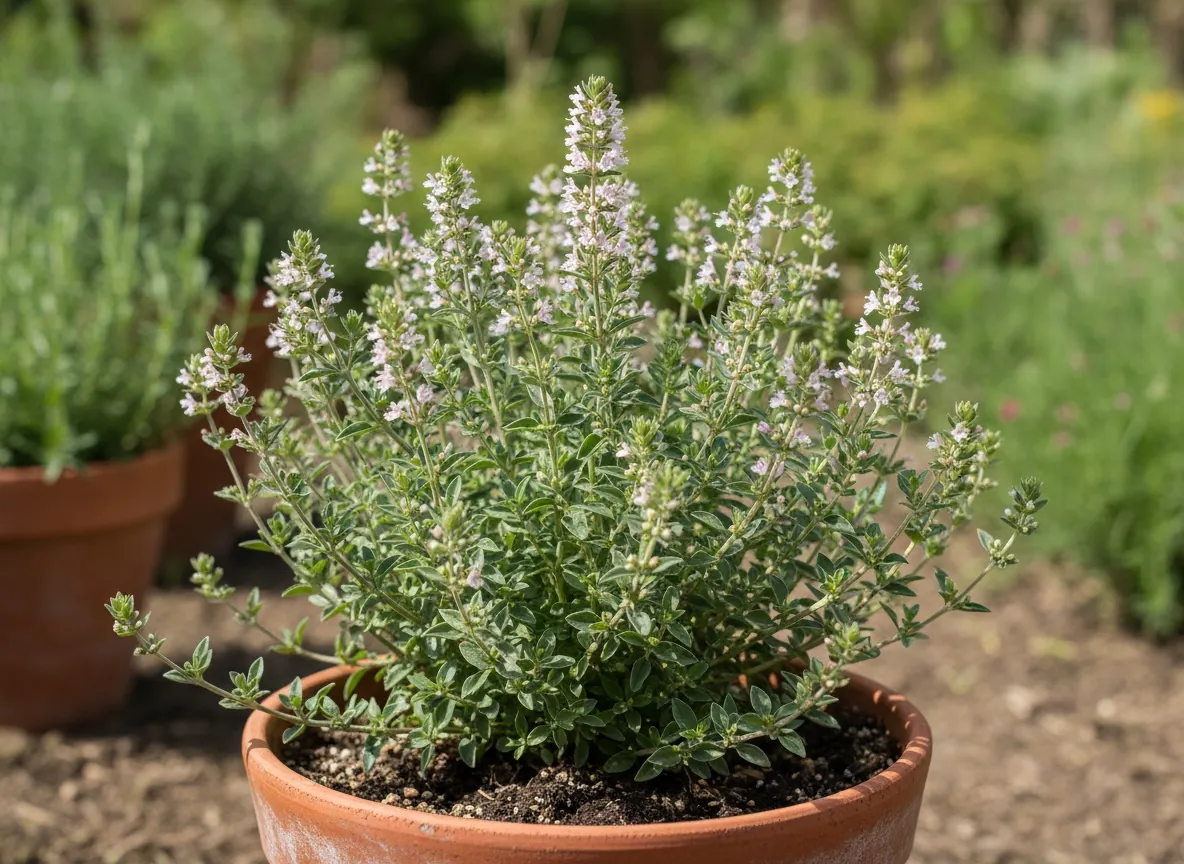
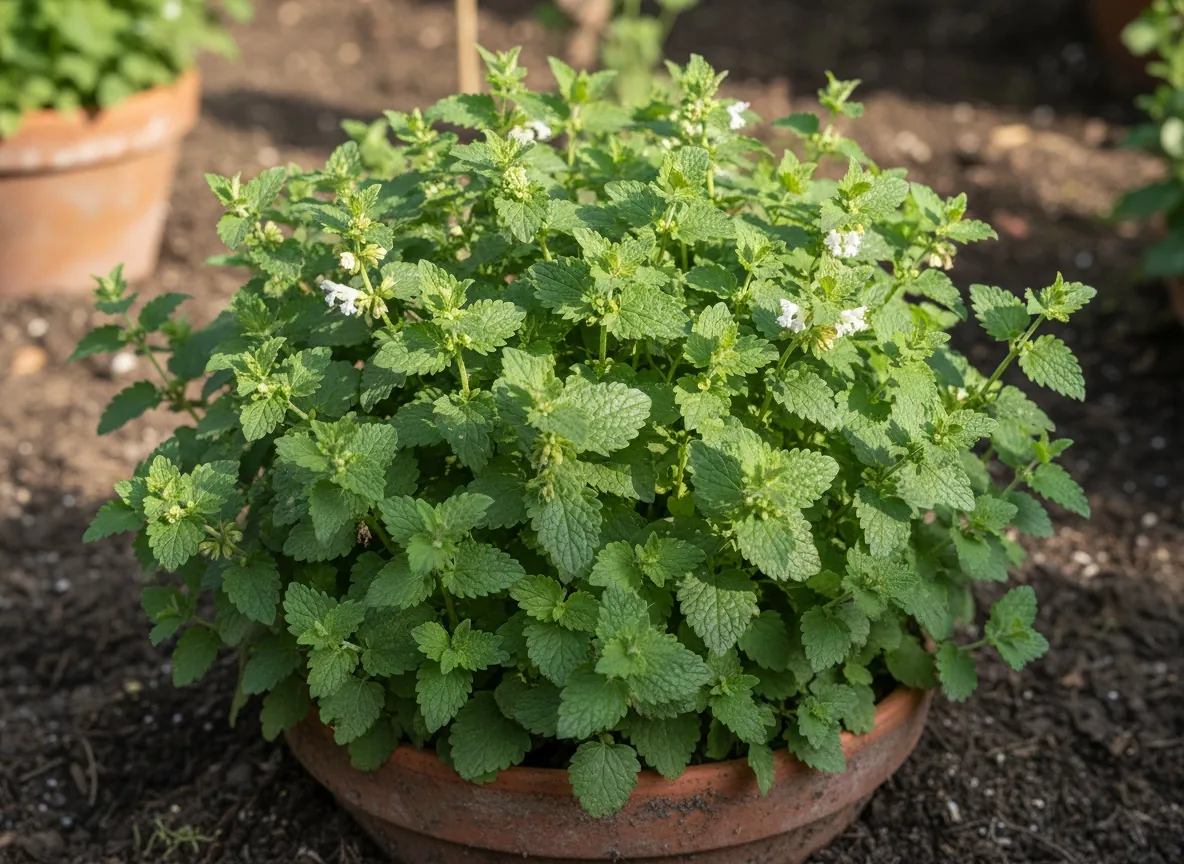
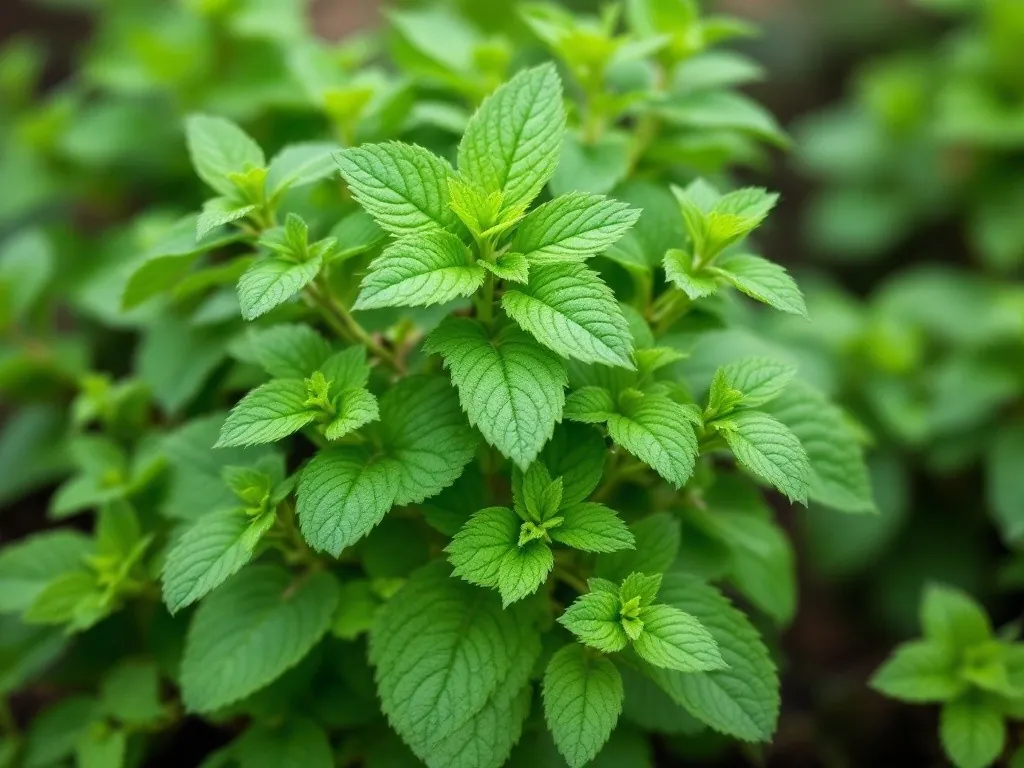
An annual herbaceous plant with a four-angled stem and oval, aromatic leaves. Small lipped flowers are arranged in spike-like inflorescences at the shoot tips. Cultivars differ in leaf colour and aroma profile.
Growing and care
Watering
Needs regular watering at the base (not on the leaves), in the morning. Sensitive to drying out and cold — wilts when short of water.
Fertilizing
Moderate; too intensive fertilising weakens the leaf aroma.
Planting
Fertile, well-drained, warm soil in full sun; cold-sensitive — do not plant before mid-May.
Pruning
Pinch the shoot tips above a pair of leaves — this encourages bushy growth and delays flowering.
Companion plants
Good companions
A classic culinary companion; some studies suggest that basil may repel thrips and aphids from tomatoes.
Bad companions
Rue releases allelopathic substances that inhibit the growth of basil in its immediate vicinity.
The evidence level indicates whether the relationship is backed by research, observation, or gardening tradition.
Diseases and pests
Toxicity
| For whom | Level | Notes |
|---|---|---|
| Humans | None | — |
| Dogs | None | — |
| Cats | None | — |
History and origin
Basil originates from tropical Asia, where it has long held culinary, medicinal and religious significance (in India the holy basil tulsi). It reached Europe via the Middle East in antiquity, becoming a cornerstone of Mediterranean cuisine.
Uses
For growing in the vegetable and herb garden, in pots on the balcony, windowsill and terrace. The leaves are used fresh as a seasoning; the plant repels some insects.
Trivia
- The name derives from the Greek “basilikón” — royal.
- Basil is the key ingredient of the Italian pesto alla genovese.
Frequently asked questions
Why does basil wilt despite watering?
Common causes are cold (basil is sensitive to temperatures below 10°C), overwatering with root rot, or conversely drying out. It needs warmth, sun and even moisture.
How do you harvest basil so it grows more lushly?
Pinch the shoot tips above a pair of leaves rather than pulling off individual leaves from the bottom. This prompts the plant to branch and yields more leaves.
Why does potted basil bought in a shop die quickly?
Shop basil is often many seedlings crowded into a single pot, competing for water and light. It is worth transplanting them apart or growing from seed with proper spacing from the start.
Sources
- Plants of the World Online (POWO)Database (GBIF, POWO…)
- RHS — BasilInstitution / botanical garden
My note
A private note for this plant — saved in your browser.