In short
- Blooms continuously from May to October.
- Very versatile — grows in sun, partial shade and shade.
- Self-cleaning — sheds spent flowers on its own.
- Fleshy stems store water — do not overwater.
- Toxic to dogs and cats, especially the underground parts.
Botanical data
- Family
- Begoniaceae (Begoniaceae)
- Height
- 0.15–0.35 m
- Width
- 0.15–0.3 m
- Habit
- Clump-forming
- Growth rate
- Fast
- Position
- Full sun, Partial shade, Shade
- Soil
- Humus-rich
- pH reaction
- pH 5.5–6.5
- Moisture
- Moderate
- Bloom
- May–October
- Hardiness
- USDA 10a–11b
- Propagation
- From cuttings, From seed
Characteristics
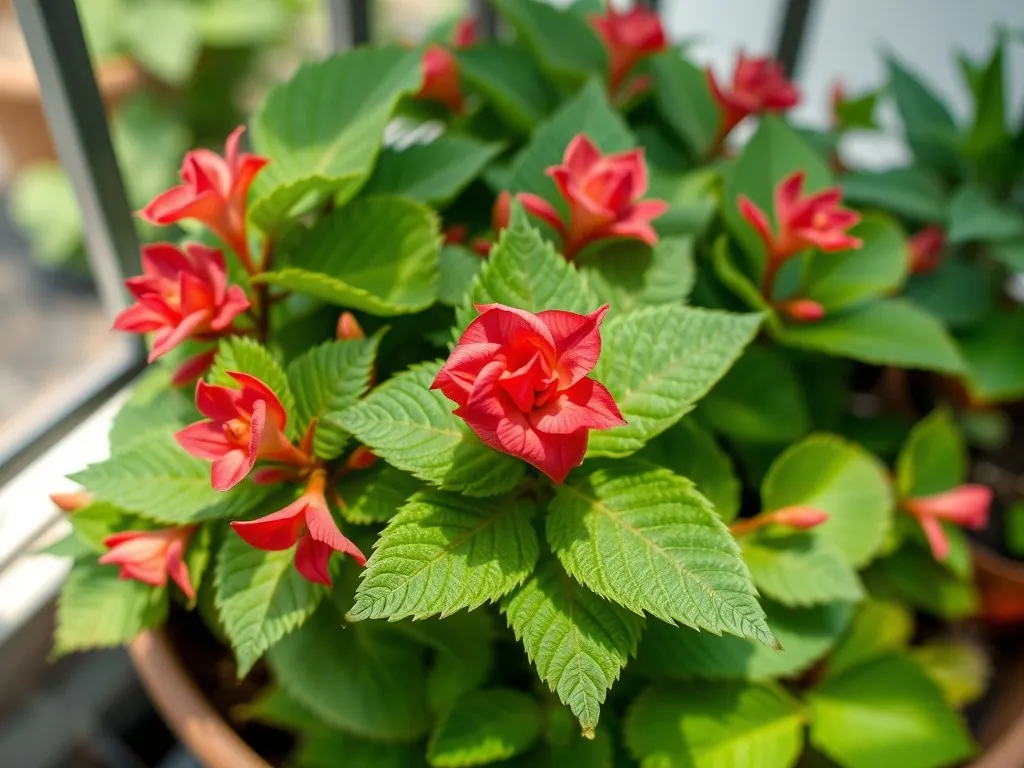
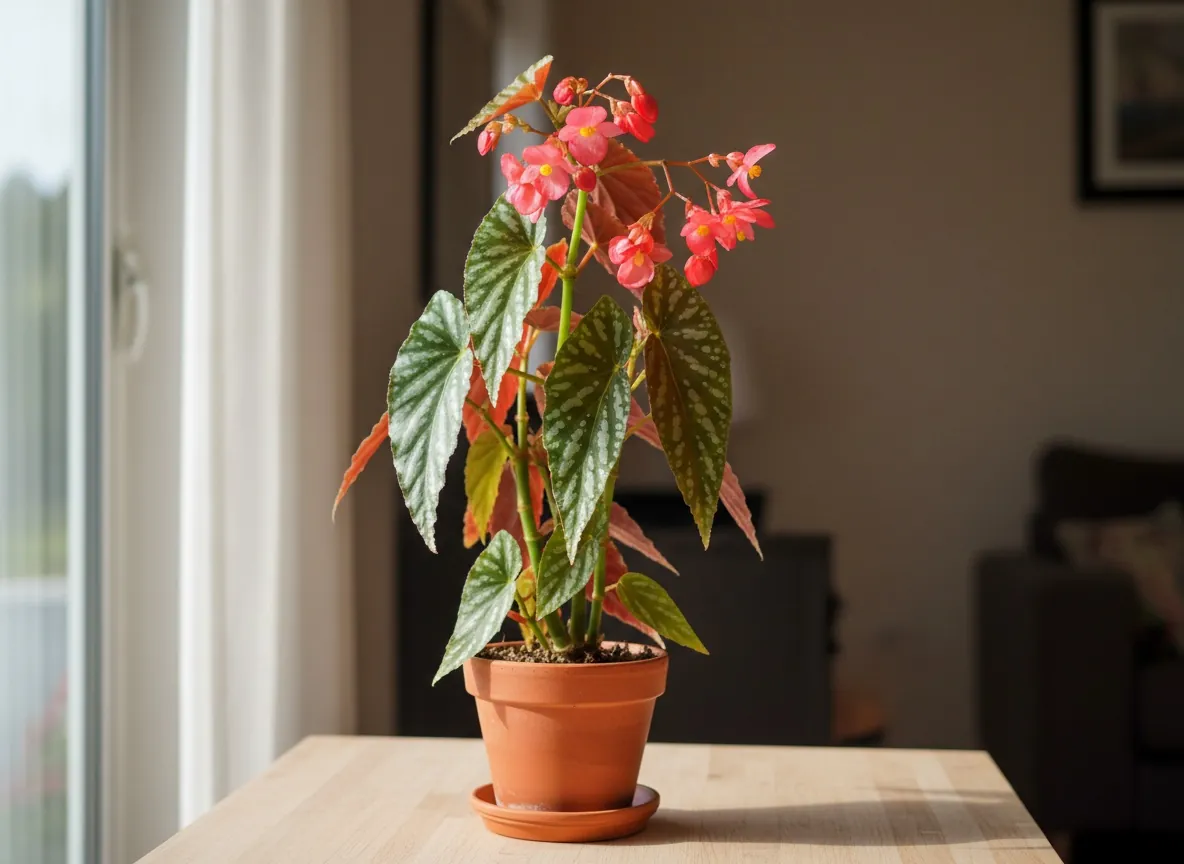
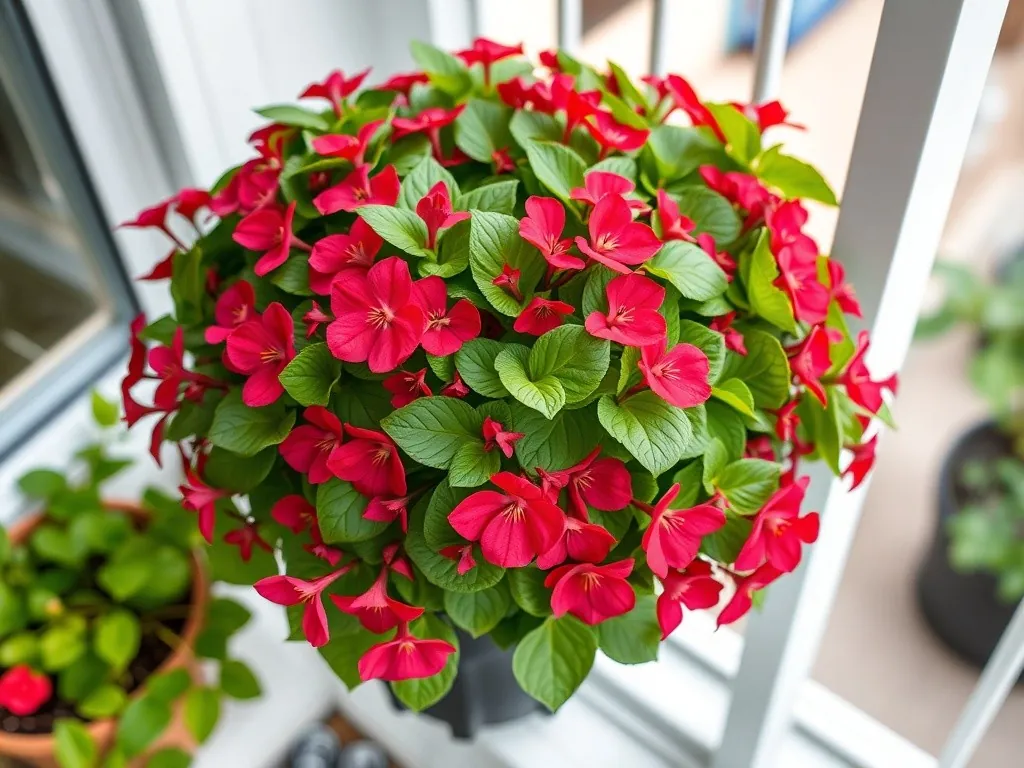
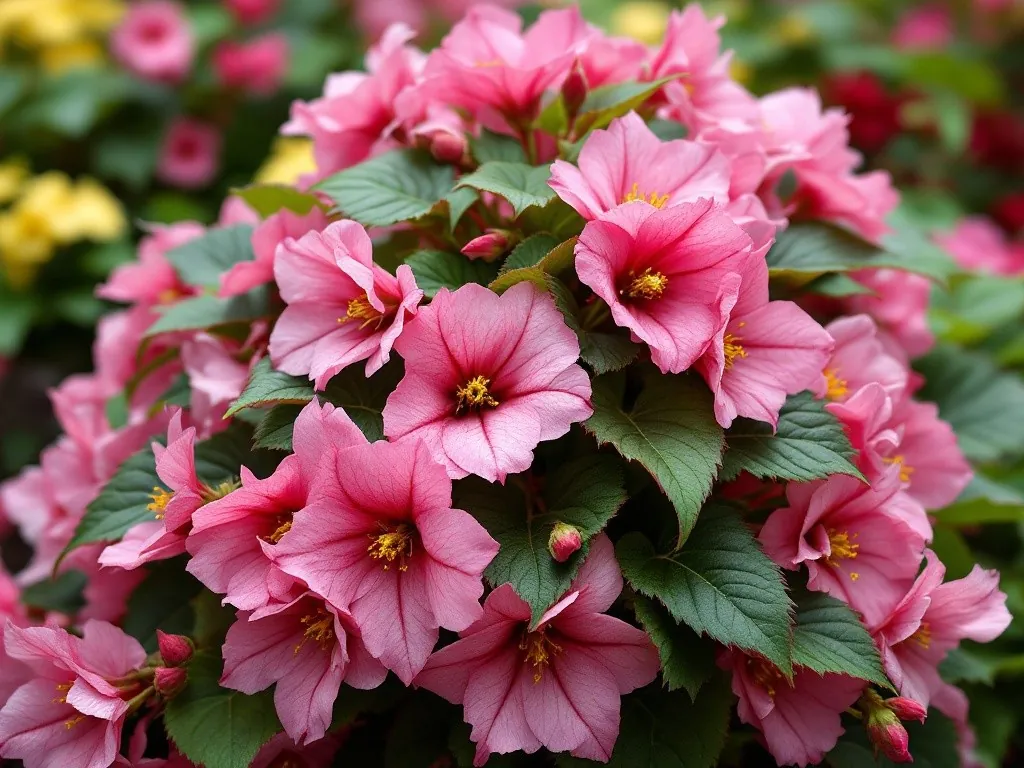
A low, compact plant with rounded, glossy, fleshy leaves (green or brownish-red) and numerous small flowers in shades of red, pink and white that persist throughout the season.
Growing and care
Watering
Water moderately at the base; the fleshy stems store water, so it tolerates brief drying out better than overwatering. Do not wet the leaves.
Fertilizing
Regular, moderate feeding sustains abundant flowering.
Planting
Light, humus-rich, well-drained substrate; it tolerates both sun and shade, which makes it very versatile.
Pruning
Pinch out the tips to make the plant bushier; the begonia usually sheds spent flowers on its own (self-cleaning).
Companion plants
Good companions
Similar requirements and flowering season — a popular, colour-coordinated combination for beds and window boxes.
Bad companions
The begonia rots in excessive moisture — proximity to bog plants forces a watering regime that is harmful to it.
The evidence level indicates whether the relationship is backed by research, observation, or gardening tradition.
Diseases and pests
A white, powdery coating on leaves, shoots and buds. The leaves turn yellow, become deformed and drop prematurely.
Grey mouldA grey-brown, fluffy coating of mycelium on flowers, fruit, leaves and shoots, preceded by watery, rotting spots. It attacks weakened and damaged tissue and develops rapidly in humidity and cool conditions and where air circulation is poor. Common on strawberries, begonias, peonies and roses.
AphidsSmall (1–3 mm) soft-bodied insects, green, black or pink, feeding in clusters on young shoots and the underside of leaves. They excrete sticky honeydew.
Greenhouse whiteflyTiny (1–2 mm) white insects resembling minuscule moths that rise in a cloud when the plant is disturbed. They feed on the underside of leaves, sucking sap and excreting honeydew. This causes yellowing and weakening. Common on tomatoes, peppers, cucumbers and pelargoniums, especially in polytunnels and greenhouses.
Spider mitesTiny (0.3–0.5 mm) arachnids, hard to spot with the naked eye, feeding on the underside of leaves. Symptoms: fine, pale speckling (feeding punctures); over time the leaves turn grey, yellow and dry out. Under heavy infestation a fine webbing becomes visible. Warm, dry air favours their development — a common problem for houseplants in winter near radiators.
Toxicity
| For whom | Level | Notes |
|---|---|---|
| Humans | Mild | Contains calcium oxalates; the underground parts are the most irritating. |
| Dogs | Moderate | — |
| Cats | Moderate | — |
History and origin
Begonias were named in honour of Michel Bégon, a 17th-century French patron of botany. The wax begonia became one of the most popular bedding plants thanks to its versatility and long flowering period.
Uses
For balcony boxes, containers, seasonal beds and edgings. One of the few plants that flowers equally well in sun and shade, which makes it exceptionally versatile.
Trivia
- The genus Begonia comprises over 2000 species, making it one of the largest genera of flowering plants.
- Begonia flowers are edible and have a slightly sour taste due to the presence of oxalic acid.
Frequently asked questions
Does the wax begonia grow in shade?
Yes — this is one of its greatest assets. It flowers in both full sun and shade, although red-leaved varieties colour up better in the sun.
Why is the begonia rotting at the base?
The most common cause is overwatering and wetting the fleshy stems. The begonia should be watered moderately at the base, given good drainage, and kept free from wetting of the leaves and stems.
Can the begonia be kept over winter?
The wax begonia can be rooted from cuttings in late summer, and the young plants can be overwintered in a bright, warm room, treating them as a houseplant.
Sources
- Plants of the World Online (POWO)Database (GBIF, POWO…)
- RHS — Begonia semperflorensInstitution / botanical garden
My note
A private note for this plant — saved in your browser.