In short
- Site: sun or partial shade, well-drained, slightly acidic soil.
- Plant shallowly — the crown should sit above soil level to avoid crown rot.
- Water at the base, avoiding wetting the leaves and centre of the rosette.
- Does not overwinter outdoors in Poland — grown as a pot or seasonal plant.
- Flowers profusely from June to October with regular feeding.
Botanical data
- Family
- Asteraceae (Asteraceae)
- Height
- 0.2–0.4 m
- Width
- 0.25–0.4 m
- Habit
- Clump-forming
- Growth rate
- Moderate
- Position
- Full sun, Partial shade
- Soil
- Humus-rich, Sandy
- pH reaction
- pH 5.5–6.5
- Moisture
- Moderate
- Bloom
- June–October
- Hardiness
- USDA 9a–11a
- Propagation
- By division, From seed
Characteristics
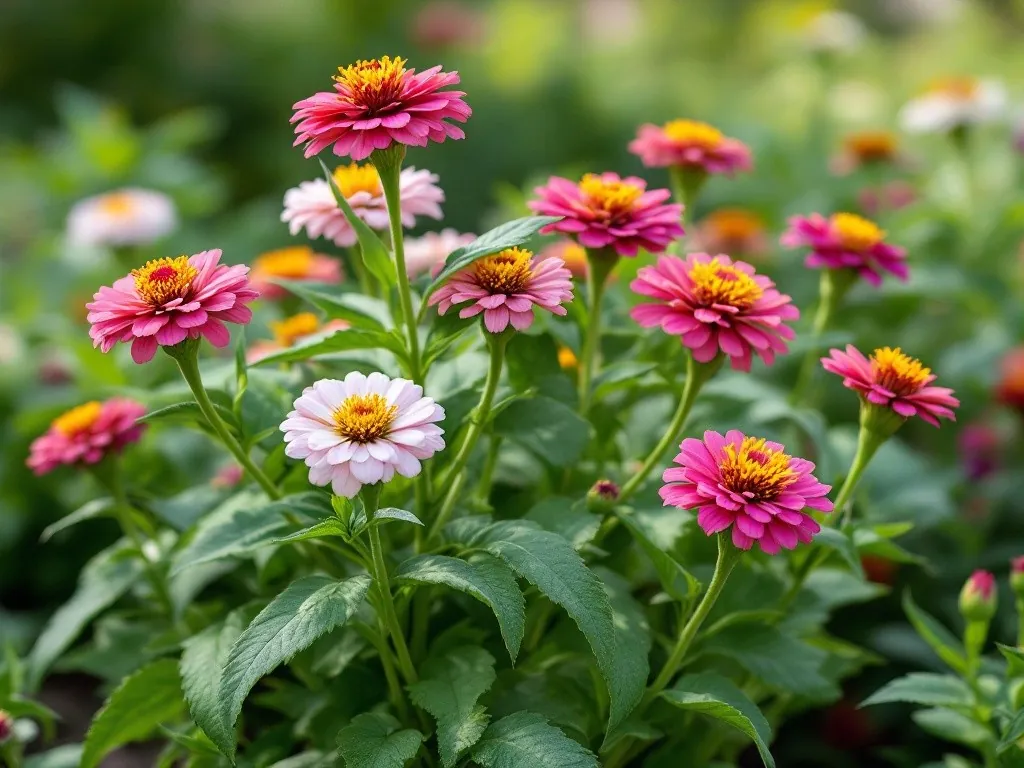
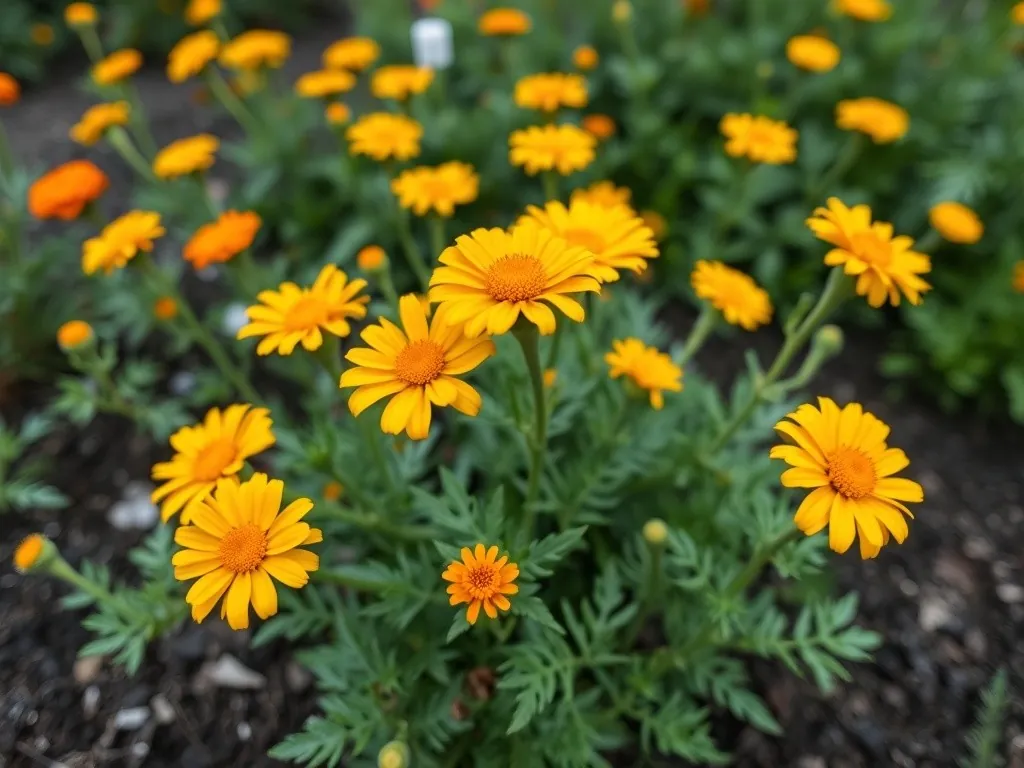
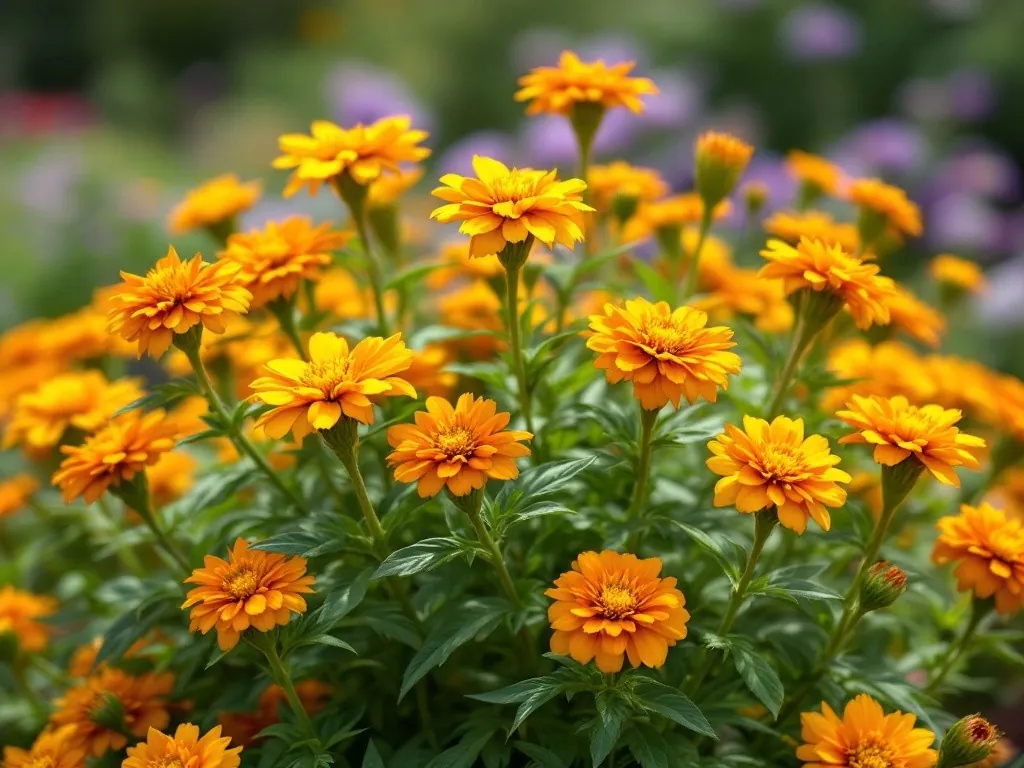
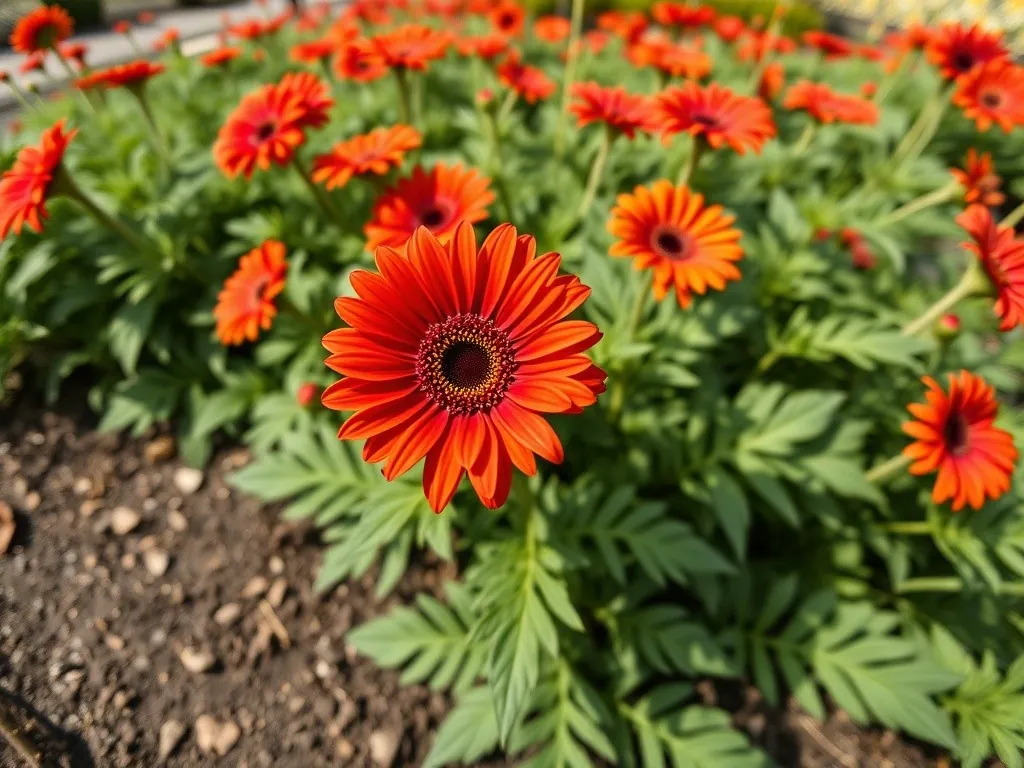
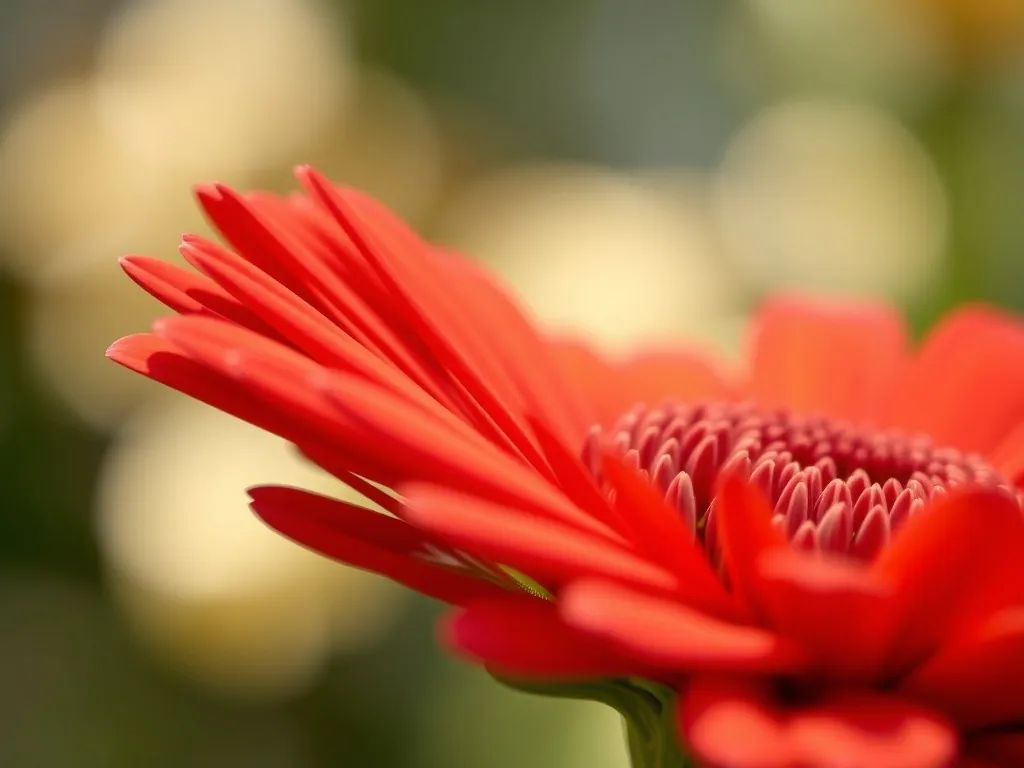
From a ground-level rosette of pinnately lobed, rough leaves grow leafless stalks, each topped with a single, large flower head made up of ray florets surrounding small disc florets at the centre.
Growing and care
Watering
Water at the base, avoiding the centre of the rosette (the crown) — standing water there favours crown rot.
Fertilizing
Diluted liquid fertiliser added to the water when watering; pause over winter.
Planting
Plant shallowly — the crown should sit slightly above soil level, never below it.
Pruning
Remove spent flower heads at the base of the stalk to encourage further buds.
Companion plants
Good companions
Similar light requirements and a comparable watering rhythm in patio containers.
Both species like sun and well-drained substrate and combine well colour-wise.
The airy texture of ornamental grasses contrasts with the gerbera's large flower heads without competing for water at the crown.
Bad companions
Constant moisture on the gerbera's leaves and crown favours rot and fungal diseases.
The evidence level indicates whether the relationship is backed by research, observation, or gardening tradition.
Toxicity
| For whom | Level | Notes |
|---|---|---|
| Humans | None | — |
| Dogs | None | — |
| Cats | None | — |
History and origin
Discovered in 1884 near the South African town of Barberton by the Scottish botanist Robert Jameson, after whom the species epithet jamesonii is named. Since the start of the 20th century it has been intensively bred in Europe as a cut and pot flower.
Uses
Excellent for patio and balcony containers, as a potted plant in a bright interior, and as a cut flower for bouquets. In warmer regions it is sometimes planted directly in the ground for the summer.
Trivia
- Gerbera is one of the best-selling cut flowers in the world, valued for its wealth of colours.
- In a NASA study on air purification, gerbera was among the plants found to effectively remove volatile organic compounds.
Frequently asked questions
Why do gerbera leaves turn yellow and wilt?
This is most often the result of overwatering or standing water at the crown. Check the drainage and water only at the base, letting the growing medium dry out slightly between waterings.
Will a gerbera survive winter on the balcony?
Not in Poland's climate — gerbera is not frost-hardy. For winter it should be moved to a bright, cool room (8–12°C) or grown as an annual plant.
How can I make my gerbera flower longer?
Regularly deadhead spent flower heads, feed every two weeks with a potassium-rich fertiliser, and ensure at least a few hours of direct sunlight daily.
Sources
- Plants of the World Online (POWO) — Gerbera jamesoniiDatabase (GBIF, POWO…)
- Missouri Botanical Garden — Gerbera jamesoniiInstitution / botanical garden
My note
A private note for this plant — saved in your browser.