In short
- Grows quickly, reaching 15–25 m in height.
- Highly tolerant of drought and poor, sandy soils.
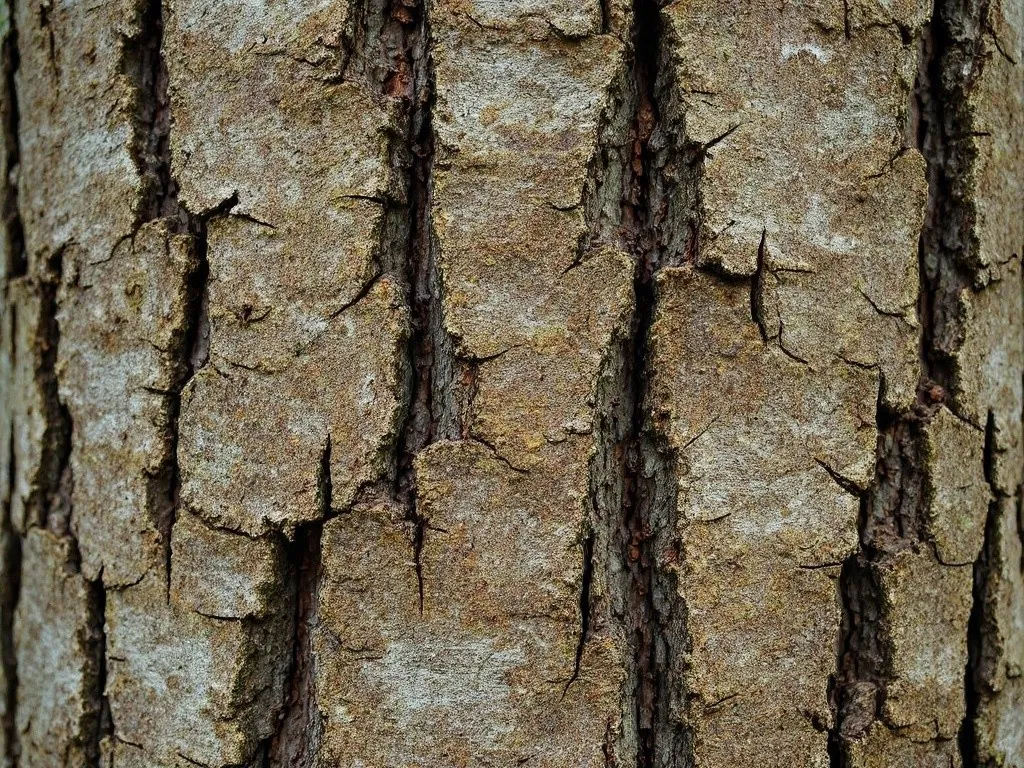
- White, peeling bark is visible even on young trees.
- Shallow root system competes with neighbouring plants for water.
- Does not tolerate spring pruning — heavy sap flow.
Botanical data
- Family
- Betulaceae (Betulaceae)
- Height
- 15–25 m
- Width
- 6–10 m
- Habit
- Upright
- Growth rate
- Fast
- Position
- Full sun, Partial shade
- Soil
- Sandy, Loamy
- pH reaction
- pH 4.5–7
- Moisture
- Dry, Moderate
- Bloom
- April–May
- Hardiness
- USDA 3a–7a
- Propagation
- From seed
Characteristics
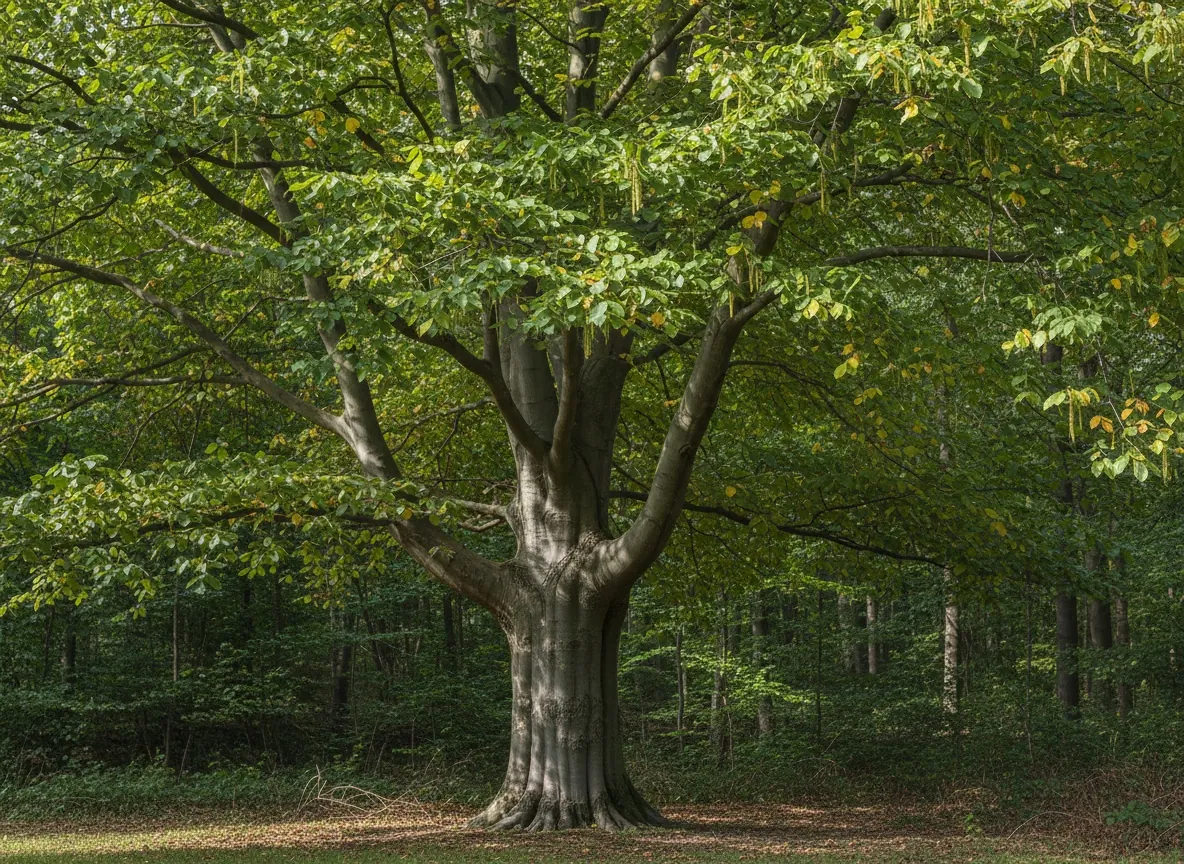
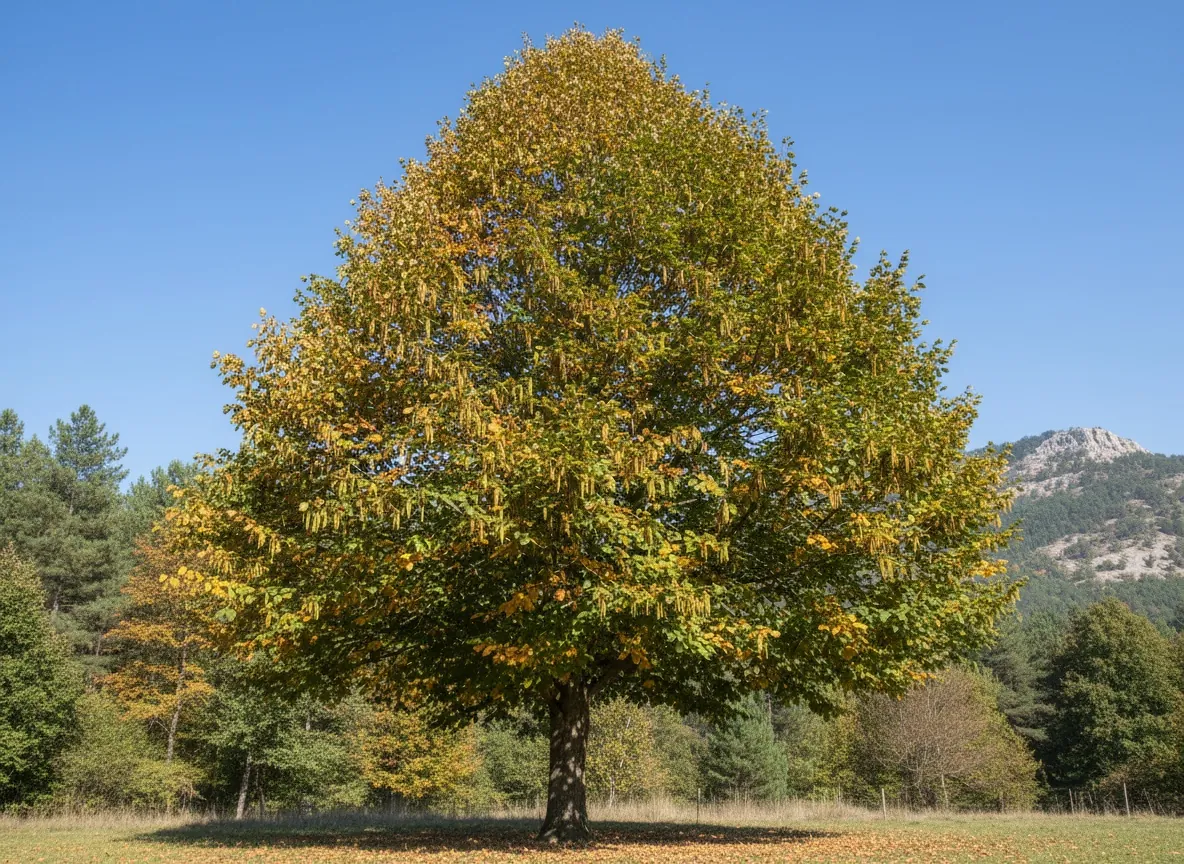
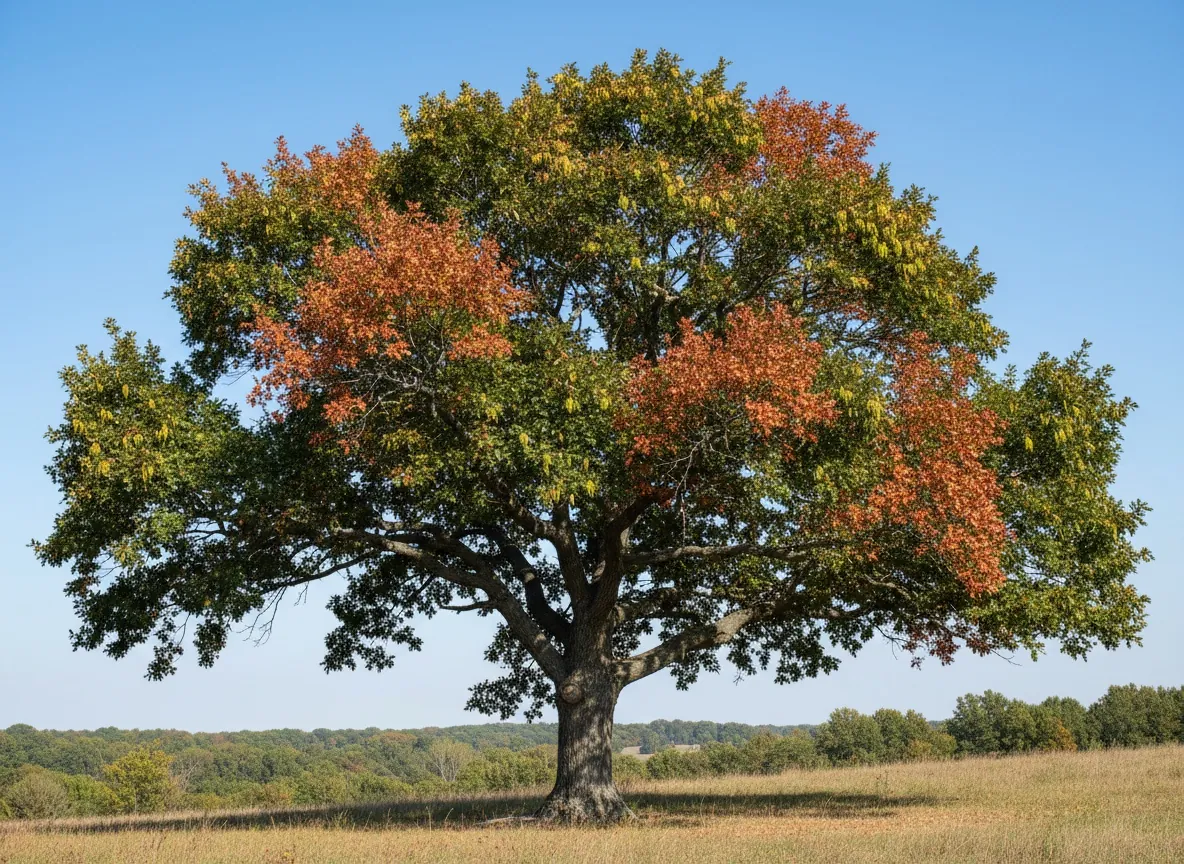
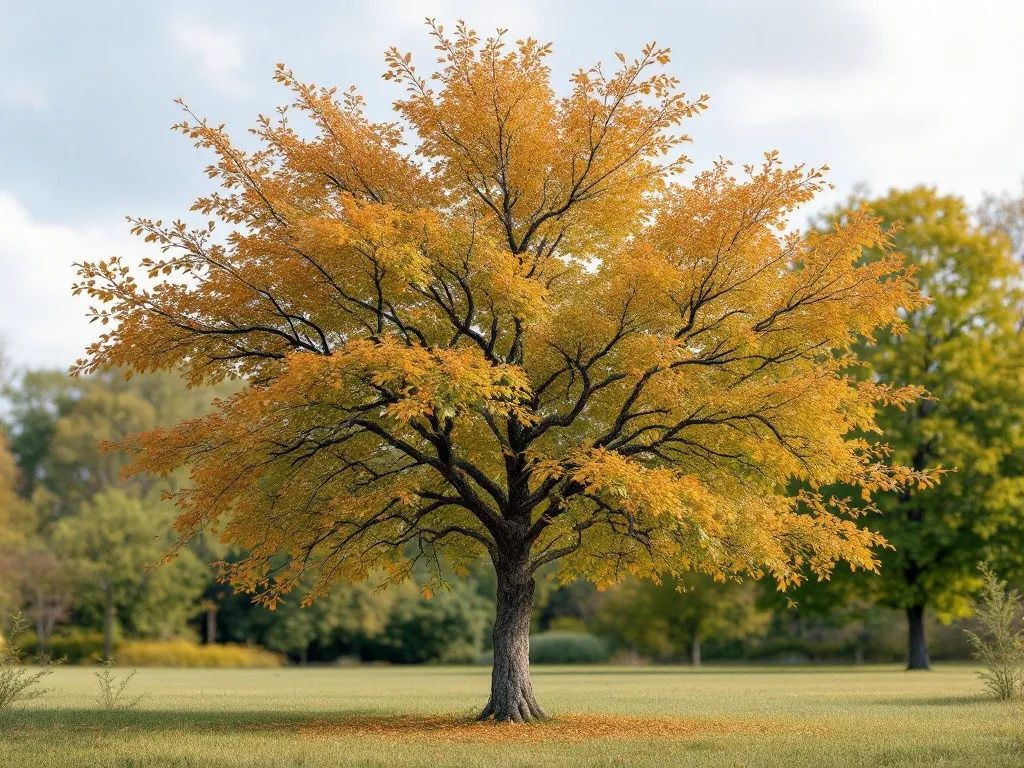
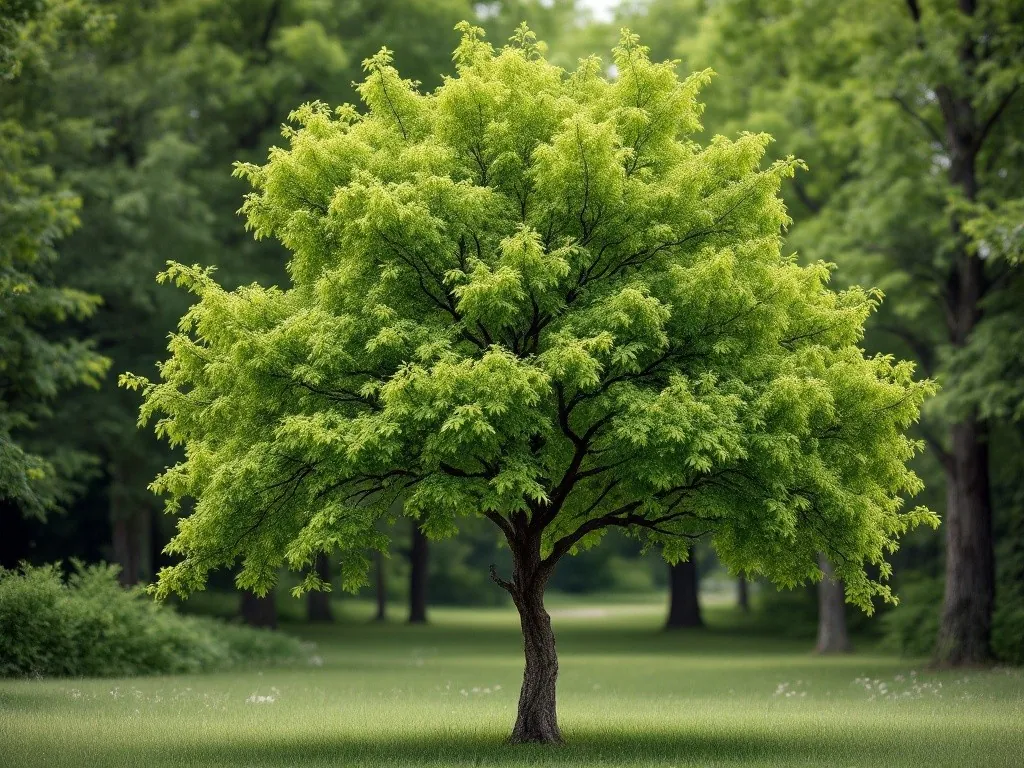
A slender tree with an open crown and characteristically drooping, thin branches. The bark is white, becoming black and fissured at the base of the trunk over time. The leaves are triangular, finely toothed, and turn yellow in autumn.
Growing and care
Watering
Young trees need watering during the first 2 years; mature specimens cope on their own even on poor, dry soils.
Fertilizing
The birch grows well on poor soils — an excess of nitrogen weakens its natural resilience.
Planting
Tolerates poor and sandy soils; avoid waterlogged sites with stagnant water.
Pruning
Limit to removing dry and damaged branches — the birch responds poorly to pruning.
Companion plants
Good companions
The birch's open crown lets through a lot of light, which benefits woodland-floor plants growing beneath its canopy.
Bad companions
The birch's shallow, wide-spreading root system competes strongly for water near the soil surface.
The evidence level indicates whether the relationship is backed by research, observation, or gardening tradition.
Diseases and pests
Toxicity
| For whom | Level | Notes |
|---|---|---|
| Humans | None | — |
| Dogs | None | — |
| Cats | None | — |
History and origin
The birch has held cultural significance in Central and Eastern Europe for centuries — birch tar was extracted from its bark, and its twigs were used to make brooms. It is also a pioneer species, one of the first to colonise land after fires or clear-cutting.
Uses
For large gardens, parks and landscape plantings, as a specimen tree or in groups. Due to its shallow roots, it is not advisable near foundations and underground utilities.
Trivia
- Birch sap harvested in early spring is a traditional beverage in Central Europe.
- The birch is a host plant for the larvae of many butterfly and moth species.
Frequently asked questions
Why does birch sap flow so heavily in spring?
This is a natural phenomenon linked to the movement of sap before the leaves develop. That is why birches should not be pruned in spring — the wound takes a long time to heal and the tree loses a lot of water and nutrients.
Does the birch harm other plants in the garden?
Its shallow, wide-spreading root system competes strongly for water, which can be a problem for plants requiring moist soil that are planted too close.
How fast does silver birch grow?
It is one of the faster-growing deciduous tree species in Poland — a young tree can put on as much as 50–70 cm per year.
Sources
- Plants of the World Online (POWO)Database (GBIF, POWO…)
- Lasy Państwowe — gatunki drzewInstitution / botanical garden
My note
A private note for this plant — saved in your browser.