In short
- Commonly known as the “butterfly bush” – one of the best shrubs for pollinators.
- Needs full sun and free-draining soil; highly drought-tolerant.
- Flowers on the current year's growth – prune hard in early spring.
- Grows quickly, but can be short-lived and becomes irregularly sprawling with age.
- In Poland it may die back to the ground in harsh winters, but usually regrows from the roots.
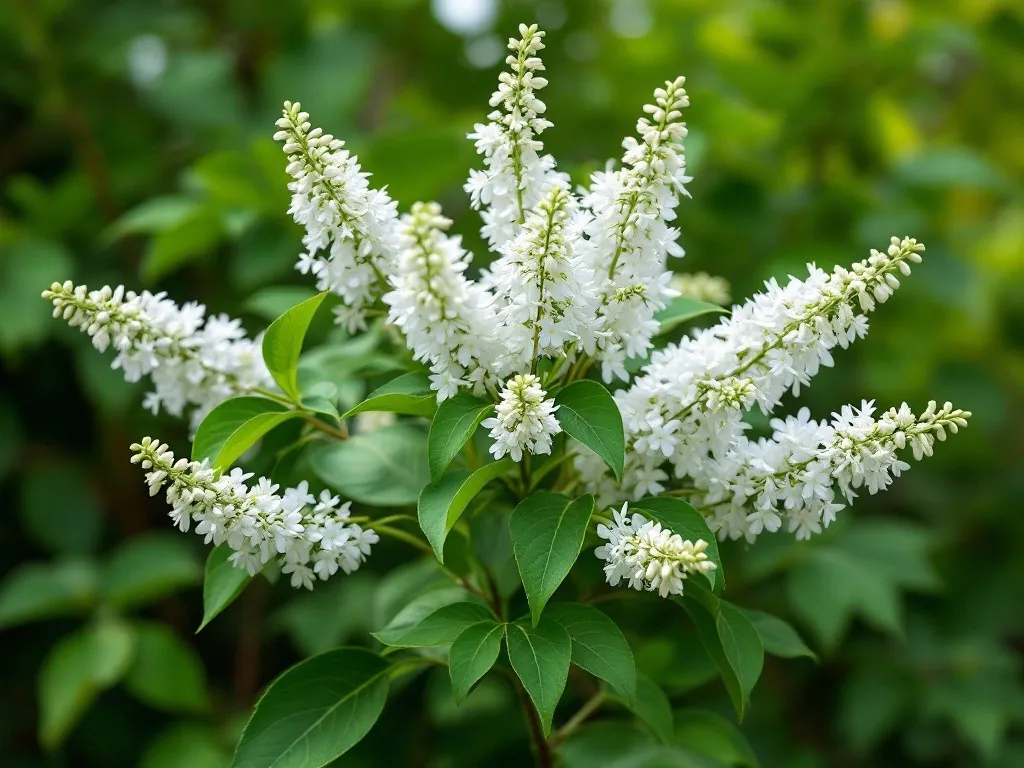
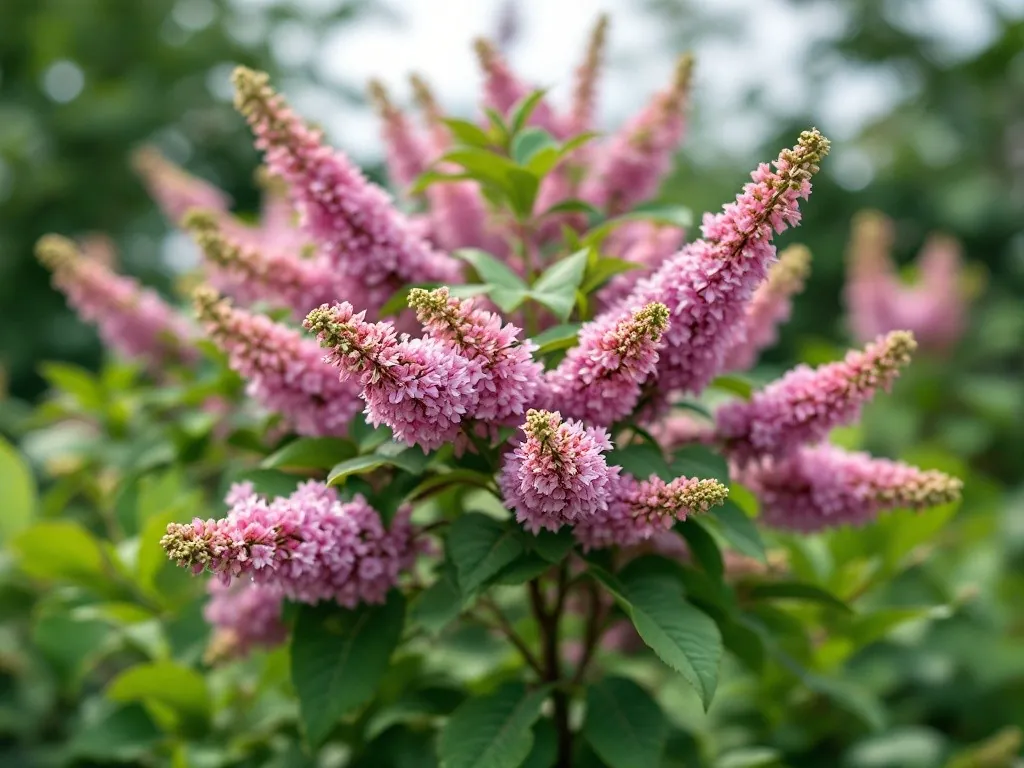
- The long, cone-shaped flower clusters smell of honey and attract butterflies from a distance.
Botanical data
- Family
- Scrophulariaceae (Scrophulariaceae)
- Height
- 1.5–3 m
- Width
- 1.5–3 m
- Habit
- Spreading
- Growth rate
- Fast
- Position
- Full sun
- Soil
- Sandy, Loamy, Humus-rich
- pH reaction
- pH 6–7.5
- Moisture
- Dry, Moderate
- Bloom
- July–September
- Hardiness
- USDA 6a–9b
- Propagation
- From cuttings, From seed
Characteristics
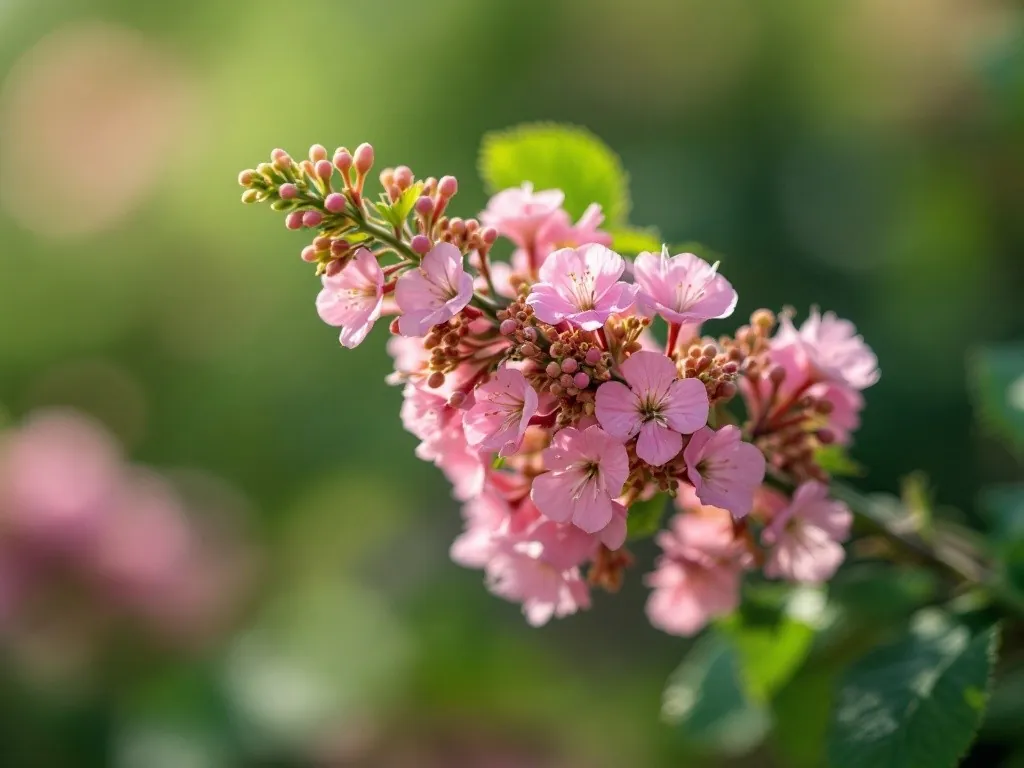
A shrub with arching, pliable shoots and narrow, lance-shaped leaves that are grey-green above and silvery-grey beneath. The tiny, strongly fragrant flowers are gathered into long, cone-shaped panicles at the tips of the current year's shoots.
Growing and care
Watering
Once established, it is very drought-tolerant – watering is needed mainly in the first year after planting. It does not tolerate waterlogging or heavy, stagnant soils.
Fertilizing
Undemanding; an excess of nitrogen reduces flowering in favour of rampant shoot growth.
Planting
A position in full sun, with free-draining, not overly fertile soil; avoid waterlogged and shaded sites.
Pruning
Prune low, down to 30–50 cm above the ground – the butterfly bush flowers on the current year's growth, so hard pruning increases the abundance and size of the flower clusters.
Companion plants
Good companions
Similar requirements – full sun, free-draining soil, drought tolerance; together they form a striking, fragrant bed for pollinators.
A classic butterfly- and bee-garden combination – a long, overlapping flowering period from July to September.
Bad companions
They require constantly moist, acidic soil and partial shade – the opposite of the butterfly bush's dry, sunny position.
The evidence level indicates whether the relationship is backed by research, observation, or gardening tradition.
Diseases and pests
Toxicity
| For whom | Level | Notes |
|---|---|---|
| Humans | None | — |
| Dogs | None | — |
| Cats | None | — |
History and origin
Named after the French missionary and botanist Armand David, the first European to describe the plant in China in the 1860s. Introduced to Europe at the turn of the 19th and 20th centuries and quickly spread as an easy-to-grow ornamental shrub; in the warmer regions of Western Europe and North America it has self-seeded and colonised wasteland, railway sites and ruins.
Uses
For sunny beds, pollinator and butterfly gardens, as a specimen plant or an informal hedge. The flower clusters dry well and are suitable for herb-and-flower arrangements.
Trivia
- A single butterfly bush in full bloom can host dozens of different butterfly species over the course of a day.
- In the United Kingdom it is often called “buddleia” and is one of the first plants to colonise abandoned building sites and railway embankments.
- The butterfly bush produces such abundant nectar that the plant is used in educational gardens for observing butterflies.
Frequently asked questions
When and how should you prune the butterfly bush?
In early spring, before growth begins, prune it hard – down to 30–50 cm above the ground. The butterfly bush flowers on shoots grown during the current season, so a hard cut does not harm flowering but rather boosts it.
Will the butterfly bush survive a Polish winter?
In most regions of Poland, yes, although in harsh winters the shoots may die back to the ground. The plant usually regrows from the roots in spring, which is why an annual hard cut is a natural practice rather than a loss.
Why is my butterfly bush flowering poorly?
The most common causes are a lack of sun, overly rich soil, or a missing spring prune. The butterfly bush needs full sun and regular hard pruning to produce abundant, large flower clusters.
Sources
- Plants of the World Online (POWO)Database (GBIF, POWO…)
- RHS — Buddleja davidiiInstitution / botanical garden
My note
A private note for this plant — saved in your browser.