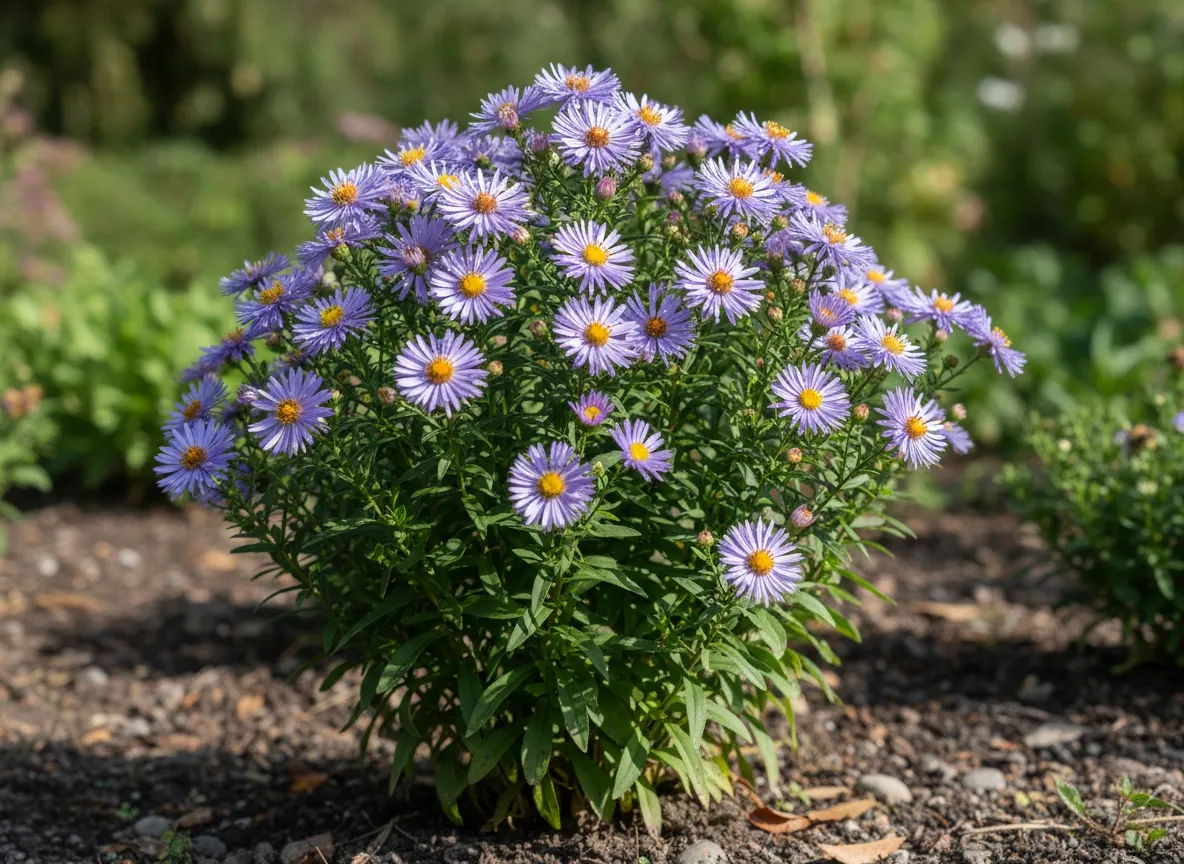
In short
- A classic autumn perennial — flowers abundantly in September and October.
- A valuable, late source of nectar and pollen for bees and butterflies before winter.
- Requires a sunny, fertile and moderately moist site.
- Susceptible to powdery mildew — it needs airflow and regular watering.
- Pinching the shoots in early summer gives lower, denser and more abundantly flowering clumps.
Botanical data
- Family
- Asteraceae (Asteraceae)
- Height
- 0.6–1.2 m
- Width
- 0.4–0.6 m
- Habit
- Upright
- Growth rate
- Fast
- Position
- Full sun, Partial shade
- Soil
- Humus-rich, Loamy
- pH reaction
- pH 5.5–7.5
- Moisture
- Moderate, Moist
- Bloom
- September–October
- Hardiness
- USDA 4a–8b
- Propagation
- By division, From cuttings, From seed
Characteristics
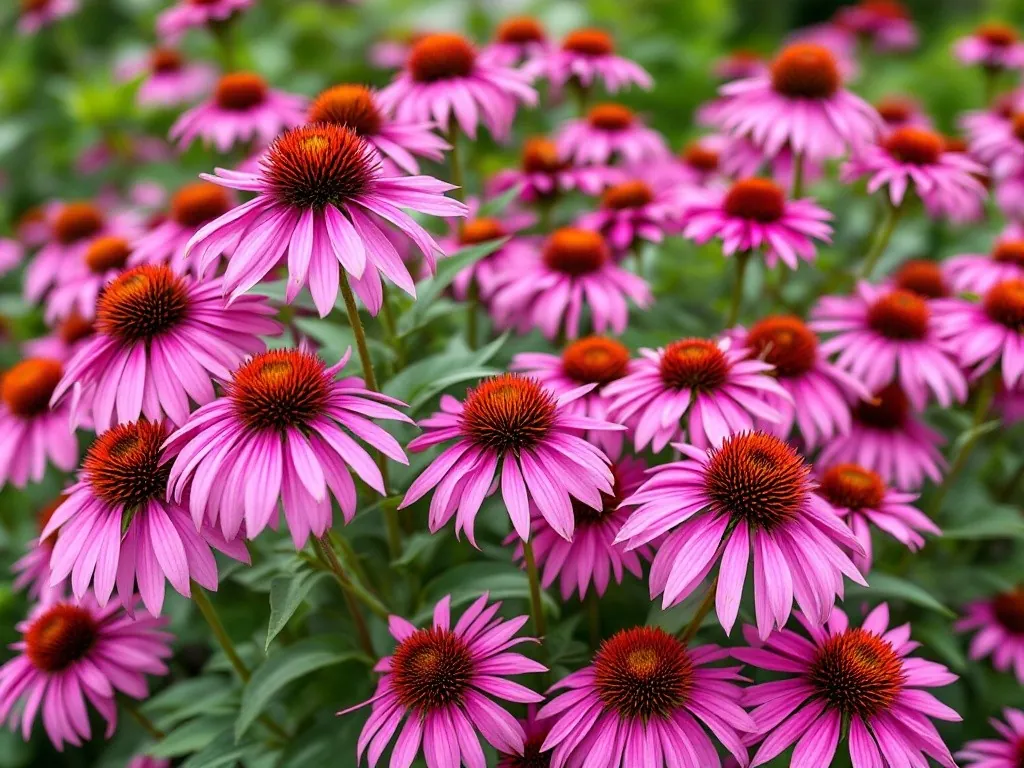
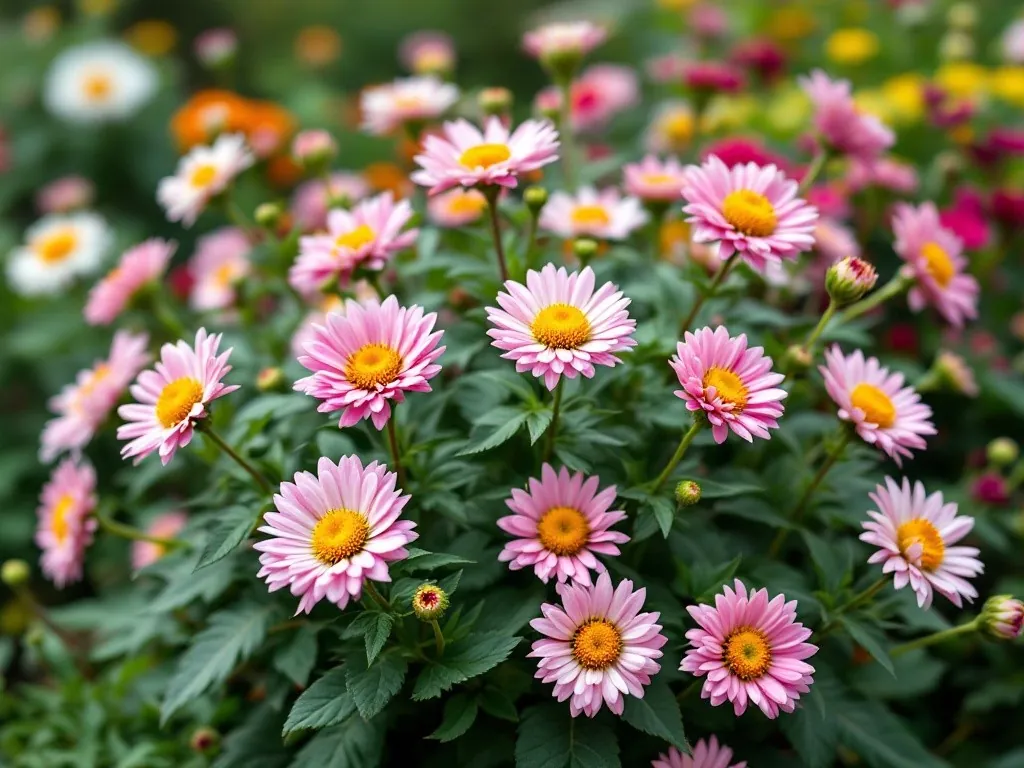
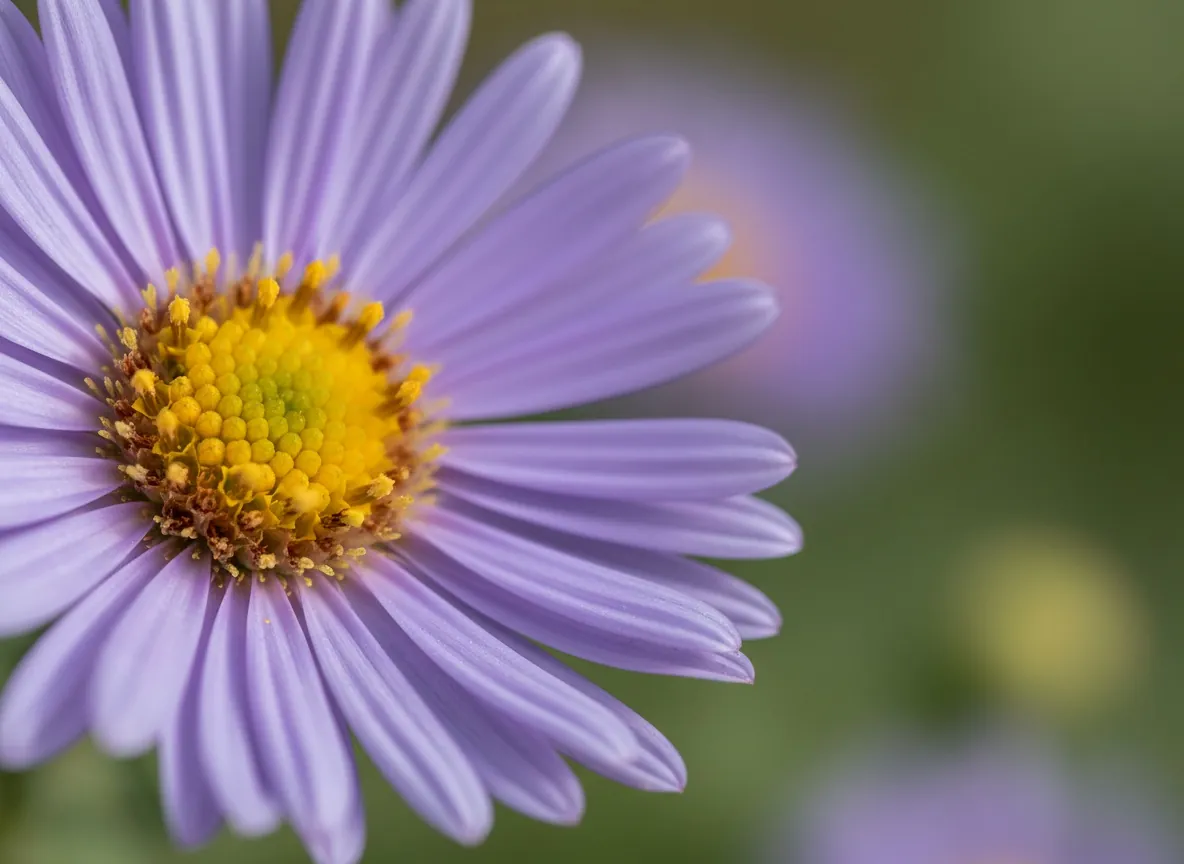
An upright perennial forming dense clumps of heavily leafy, stiff shoots that end in umbel-shaped clusters of numerous small flower heads. Each head has a ring of narrow, ligulate flowers surrounding a yellow centre that turns reddish-brown over time.
Growing and care
Watering
Likes soil that is constantly slightly moist. Drying out in summer weakens the plant and favours mildew, so in hot weather it is worth watering regularly at the base, avoiding wetting the leaves.
Fertilizing
Moderate; a site that is too fertile and moist produces rank, floppy shoots.
Planting
Fertile, humus-rich soil in sun or partial shade with good air circulation; the clumps should be divided every 2–3 years to keep their vigour.
Pruning
Cutting back the shoots by about one third at the turn of May and June gives lower, denser and less floppy clumps with more flowers; spent shoots are cut in autumn or spring.
Companion plants
Good companions
Both perennials flower in autumn and have similar requirements, together forming a colourful, long-lasting composition at the end of the season.
Ornamental grasses provide an airy, autumnal backdrop for the dense flower heads of the aster and improve air circulation in the border.
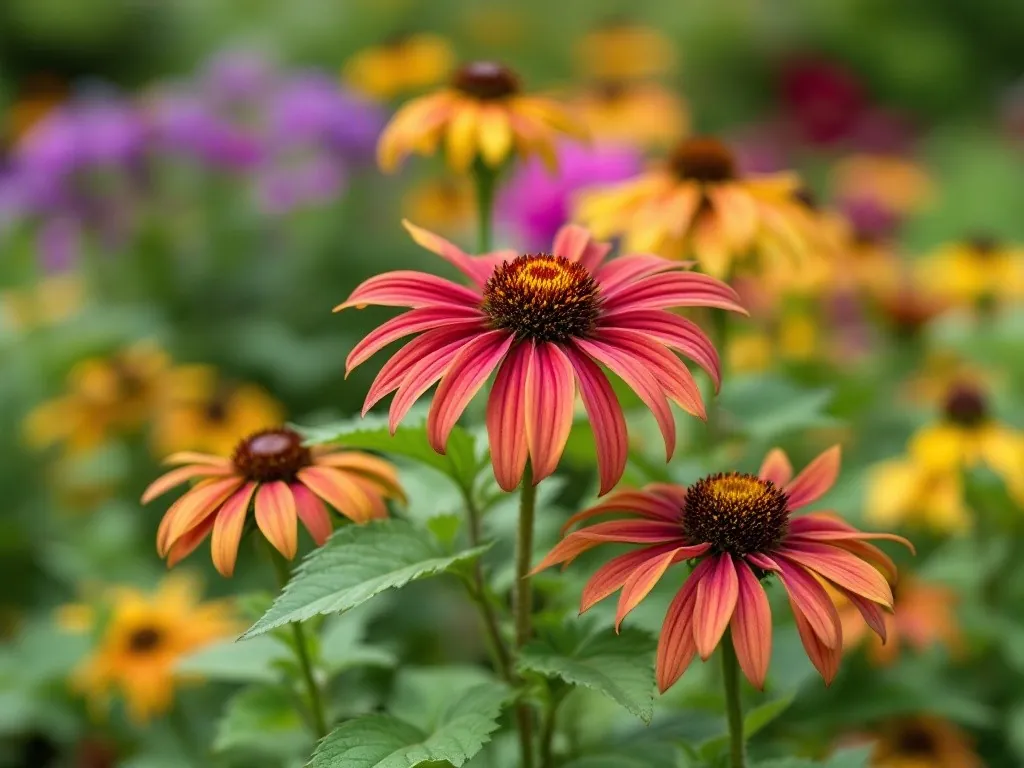
The warm, yellow flower heads of the rudbeckia contrast with the cool violet of the aster and extend the border's appeal from summer into autumn.
Bad companions
Lavender requires dry, well-drained soil, whereas the aster needs constant moisture — their water needs rule out a shared site.
The evidence level indicates whether the relationship is backed by research, observation, or gardening tradition.
Toxicity
| For whom | Level | Notes |
|---|---|---|
| Humans | None | — |
| Dogs | None | — |
| Cats | None | — |
History and origin
The species was brought to Europe from North America in the 18th century; its Latin name refers to the former name of New York (Nieuw-Nederland/“New Belgium”). Over time, hundreds of garden cultivars arose, and the Polish name “marcinki” comes from its flowering around St. Martin's Day.
Uses
For perennial borders, naturalistic gardens and pollinator plantings, where it provides colour at a time when most perennials have already finished flowering. Excellent as a cut flower for autumn bouquets.
Trivia
- The English name “Michaelmas daisy” refers to the feast of St. Michael (29 September), which falls at the peak of aster flowering.
- The genus was moved from the former Aster to Symphyotrichum after a taxonomic revision of North American asters — the old name Aster novi-belgii is still encountered in the trade.
Frequently asked questions
Why is a white coating covering the leaves of my aster?
It is most often powdery mildew — a fungal disease to which the New York aster is particularly susceptible. It is favoured by the soil drying out, planting too densely and poor air circulation. Loosening the planting, watering regularly at the base of the plant and choosing more resistant cultivars all help.
How do you keep asters from flopping over?
Tall cultivars easily fall apart under the weight of the flowers. The solution is to pinch or cut back the shoots by about one third at the turn of May and June — the plant then branches lower, forms a denser clump and flowers more abundantly, often without the need for staking.
Is the New York aster valuable for insects?
Very — flowering in September and October, it supplies nectar and pollen at a time when few plants are still in bloom. It is a valuable, late food source for bees, bumblebees and butterflies preparing for winter.
Sources
- Plants of the World Online (POWO)Database (GBIF, POWO…)
- RHS — Symphyotrichum novi-belgiiInstitution / botanical garden
My note
A private note for this plant — saved in your browser.