In short
- Flowers in autumn, when most perennials have already finished blooming.
- Needs full sun and a fertile, free-draining soil.
- Pinching in summer gives a compact habit and more flowers.
- Planted in spring, it overwinters better than plants bought in flower in autumn.
- Toxic to dogs and cats (pyrethrins).
Botanical data
- Family
- Asteraceae (Asteraceae)
- Height
- 0.3–0.9 m
- Width
- 0.3–0.6 m
- Habit
- Clump-forming
- Growth rate
- Moderate
- Position
- Full sun
- Soil
- Humus-rich, Loamy
- pH reaction
- pH 6–7
- Moisture
- Moderate
- Bloom
- September–November
- Hardiness
- USDA 5a–9a
- Propagation
- By division, From cuttings
Characteristics
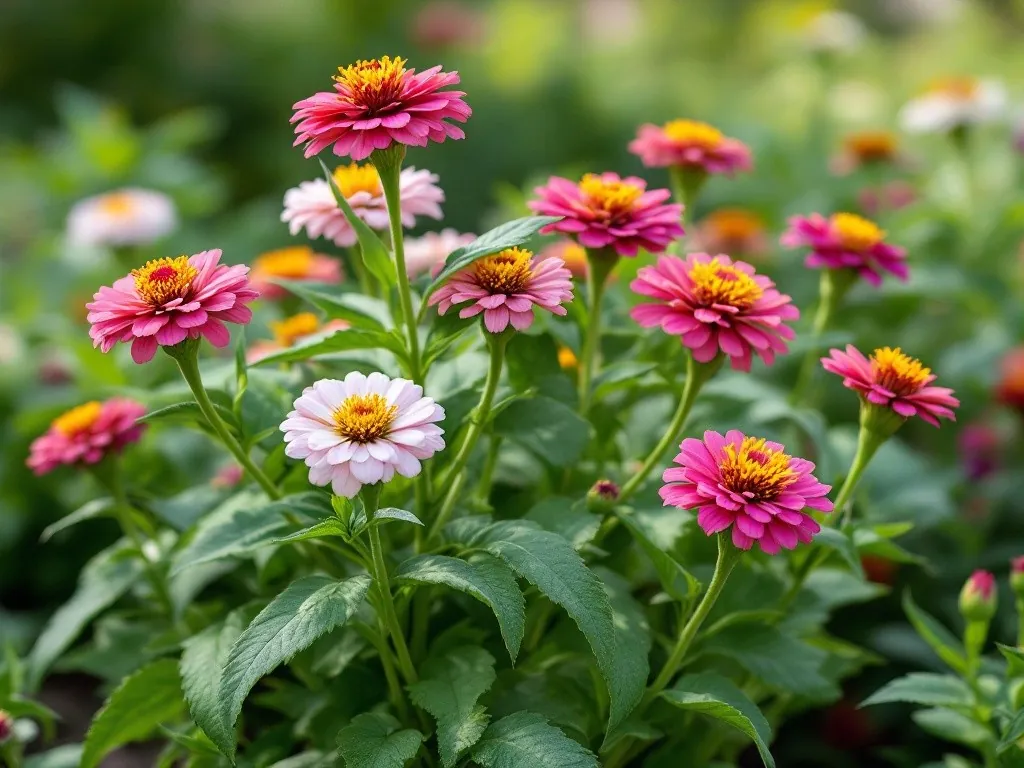
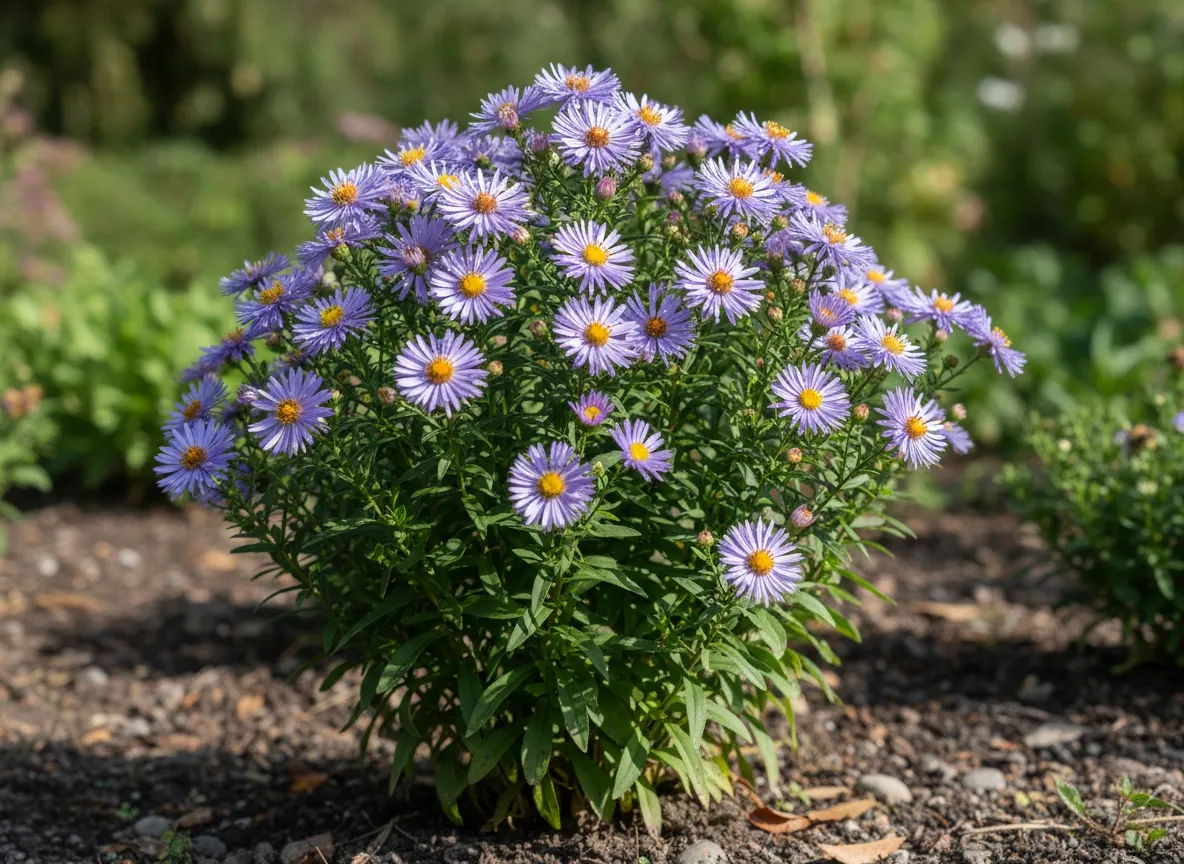
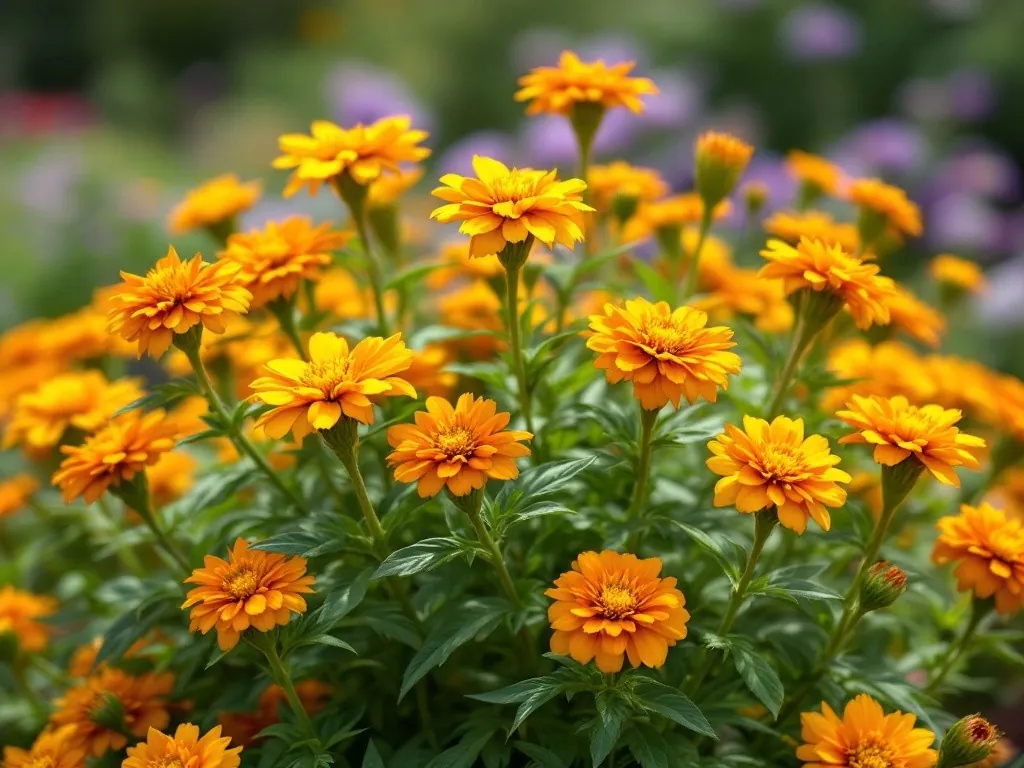
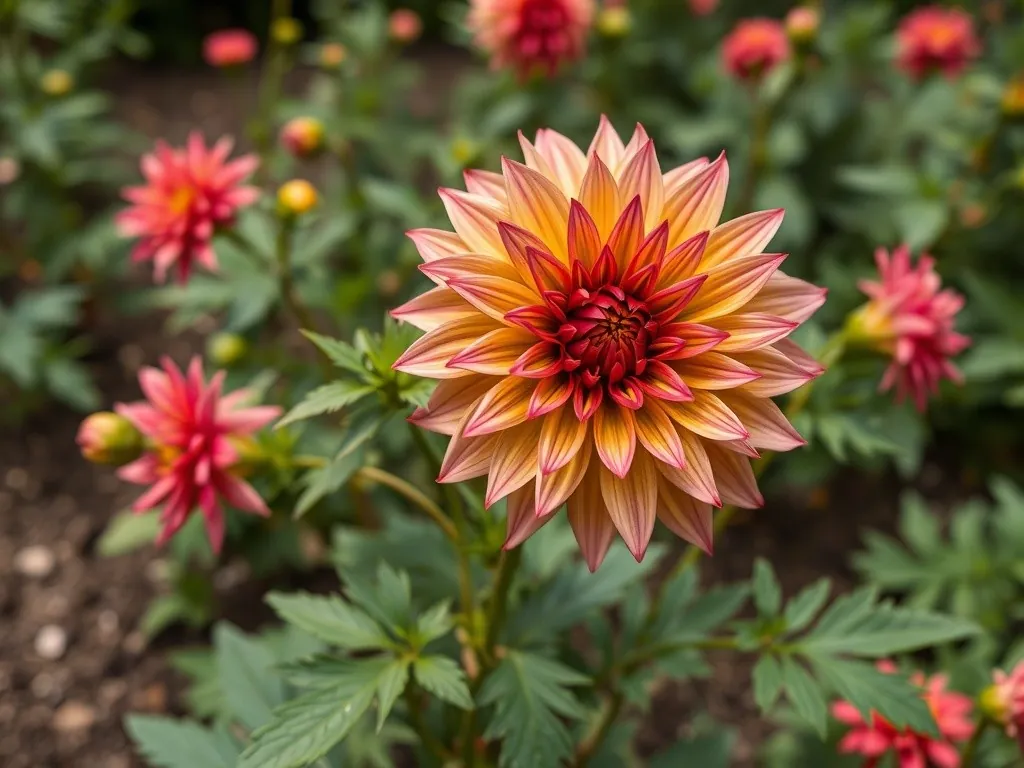
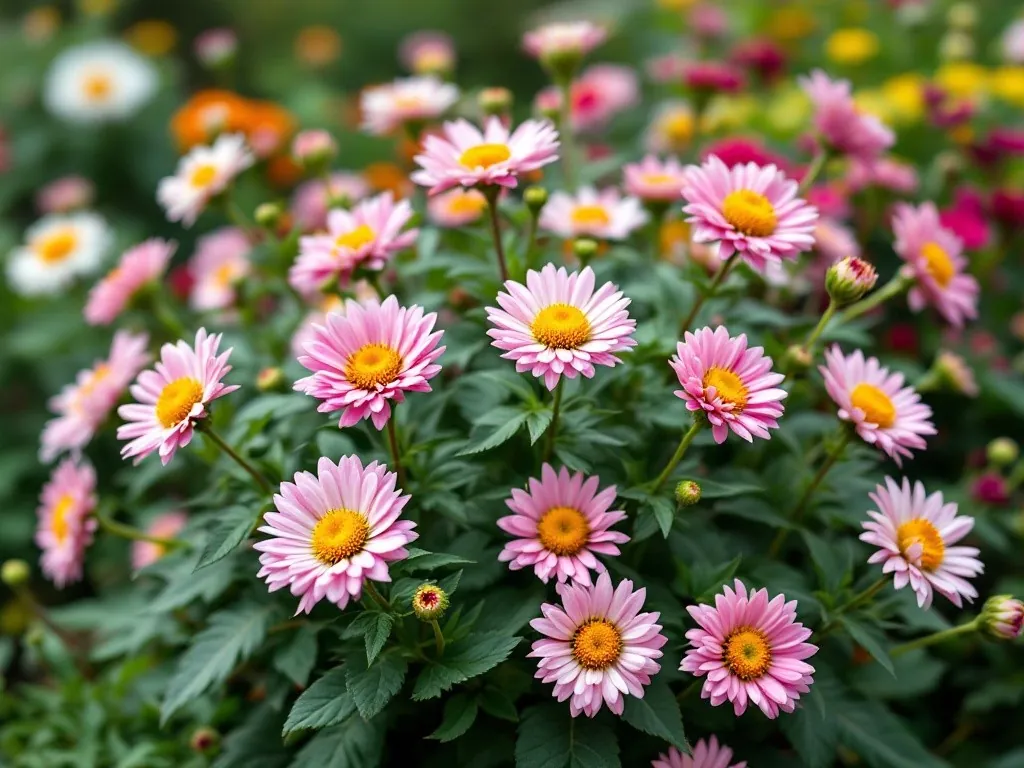
A perennial forming compact clumps with lobed, aromatic leaves. The daisy-like flower heads, double or single, come in an exceptionally wide range of colours and are borne in abundance at the tips of the shoots.
Growing and care
Watering
Water regularly at the base, especially during bud formation. Do not wet the leaves – it encourages fungal diseases.
Fertilizing
Regular feeding in summer supports abundant autumn flowering.
Planting
Fertile, free-draining soil in full sun; plants set out in spring root in better and overwinter more reliably than those bought in flower in autumn.
Pruning
Pinch out the shoot tips until midsummer for a compact habit and more flowers; cut back the shoots after flowering.
Companion plants
Good companions
Both species flower in autumn and love the sun – they extend the decorative season and support pollinators before winter.
Bad companions
The chrysanthemum needs full sun for abundant flowering – in shade it flowers weakly and grows spindly.
The evidence level indicates whether the relationship is backed by research, observation, or gardening tradition.
Diseases and pests
Toxicity
| For whom | Level | Notes |
|---|---|---|
| Humans | Mild | Contact with the plant may cause skin irritation in sensitive individuals. |
| Dogs | Moderate | Contains pyrethrins that are toxic to dogs and cats if ingested. |
| Cats | Moderate | — |
History and origin
The chrysanthemum has been cultivated in China for over 2,500 years and is deeply rooted in East Asian culture – in Japan it is an imperial symbol. In Europe it is associated in many countries with autumn and the remembrance of the dead.
Uses
For autumn borders, containers and balcony boxes, and as a cut flower. In cooler regions it is often treated as a seasonal plant.
Trivia
- Some chrysanthemum species yield pyrethrin – a natural insecticide.
- In Japan the chrysanthemum is the symbol of the emperor, and the imperial throne is called the Chrysanthemum Throne.
Frequently asked questions
Will potted chrysanthemums survive winter in the garden?
Chrysanthemums bought in flower in autumn rarely overwinter well, as they do not have time to root in. Plants set out in the ground in spring and covered for winter have a better chance.
Why is my chrysanthemum tall and poorly branched?
It has not been pinched – to get a compact, flower-laden habit, pinch out the shoot tips several times from spring to midsummer.
When do garden chrysanthemums flower?
In autumn, usually from September to November – they are short-day plants that set buds as the days grow shorter.
Sources
- Plants of the World Online (POWO)Database (GBIF, POWO…)
- RHS — ChrysanthemumsInstitution / botanical garden
My note
A private note for this plant — saved in your browser.