In short
- Blooms abundantly from June until the first frosts, in nearly every color except blue.
- Requires full sun — in shade it blooms poorly and is more prone to fungal diseases.
- Excellent as a cut flower — stays fresh in a vase for up to two weeks.
- Strongly attracts butterflies and bees throughout the flowering period.
- Water at the base, avoid wetting the leaves, to reduce the risk of powdery mildew.
- Very easy to grow from seed, blooms quickly after sowing.
Botanical data
- Family
- Asteraceae (Asteraceae)
- Height
- 0.3–1 m
- Width
- 0.2–0.4 m
- Habit
- Upright
- Growth rate
- Fast
- Position
- Full sun
- Soil
- Humus-rich, Loamy, Sandy
- pH reaction
- pH 5.5–7.5
- Moisture
- Moderate
- Bloom
- June–October
- Hardiness
- USDA 9a–11b
- Propagation
- From seed
Characteristics
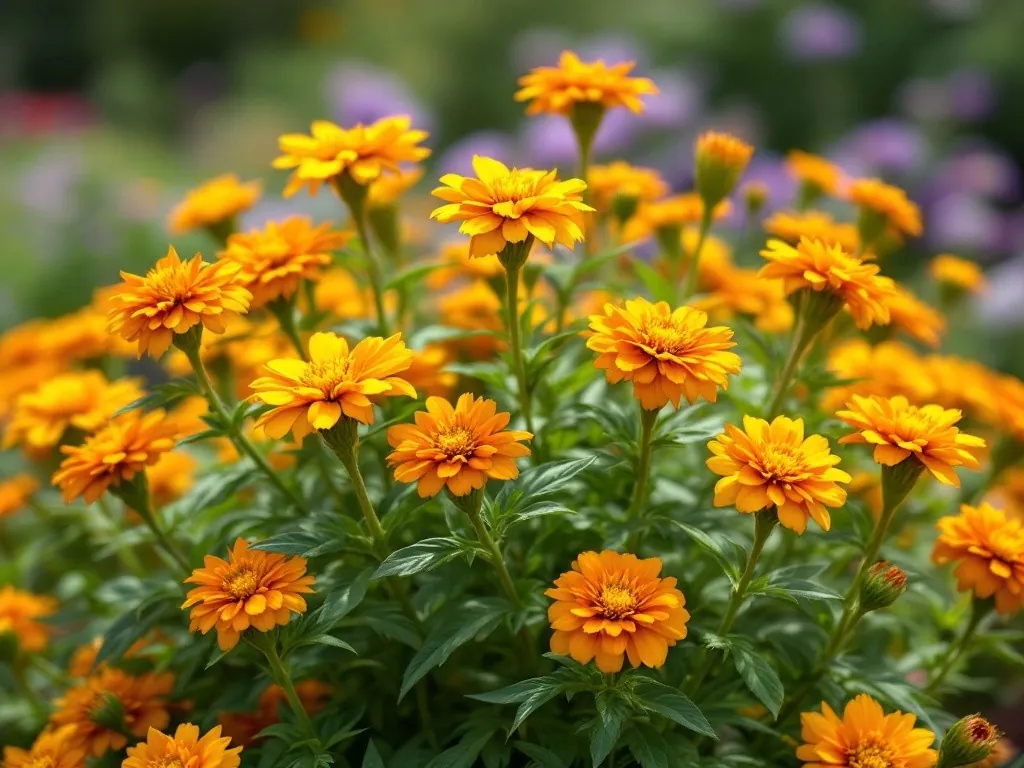
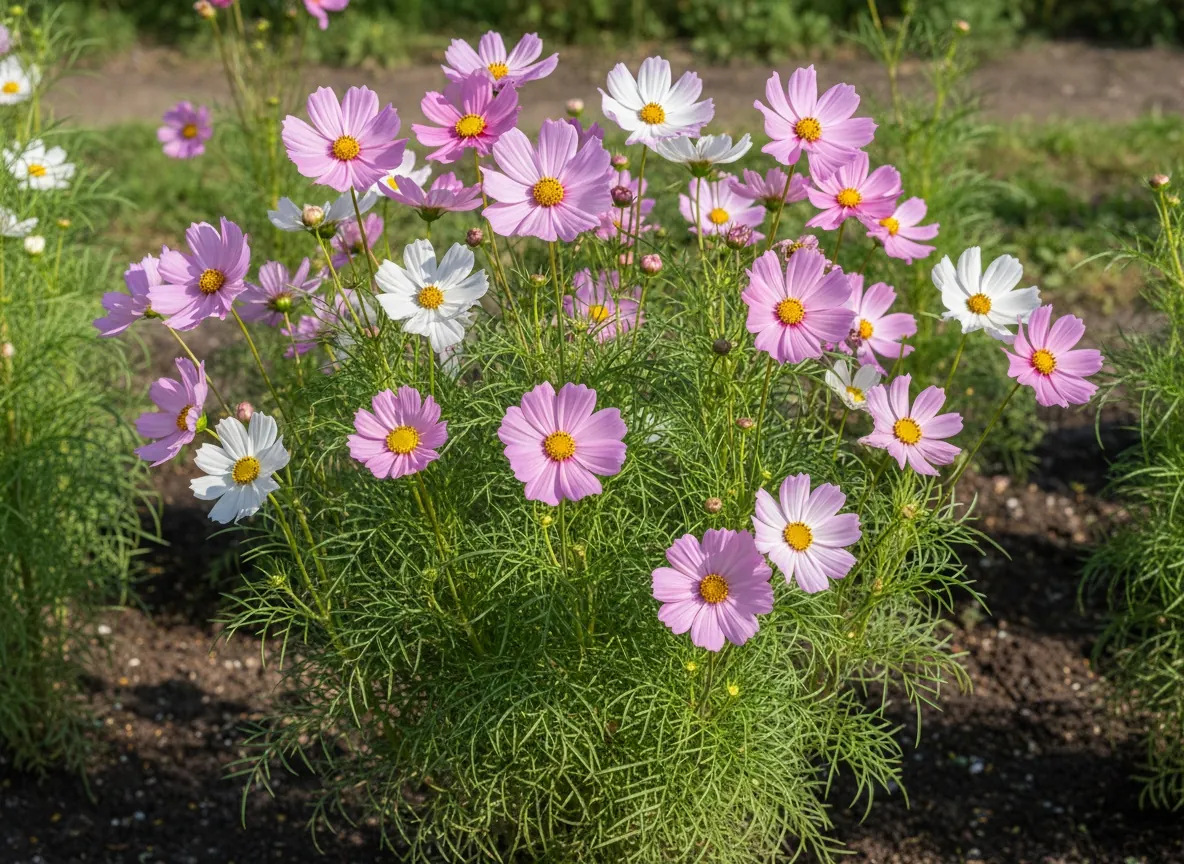
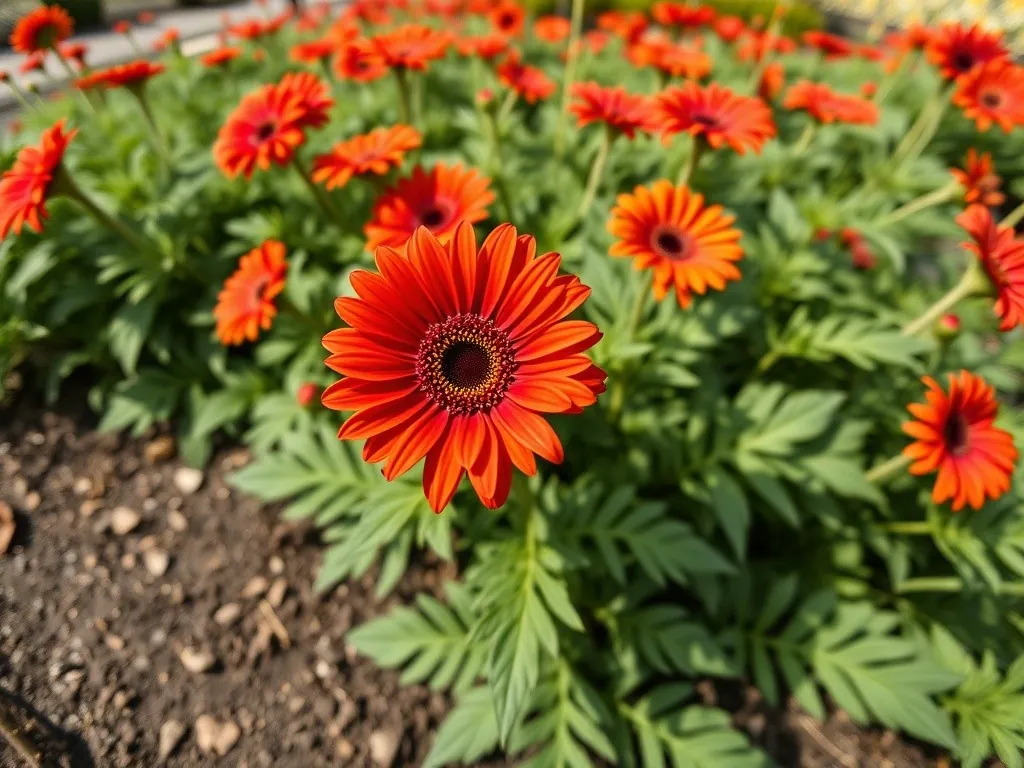
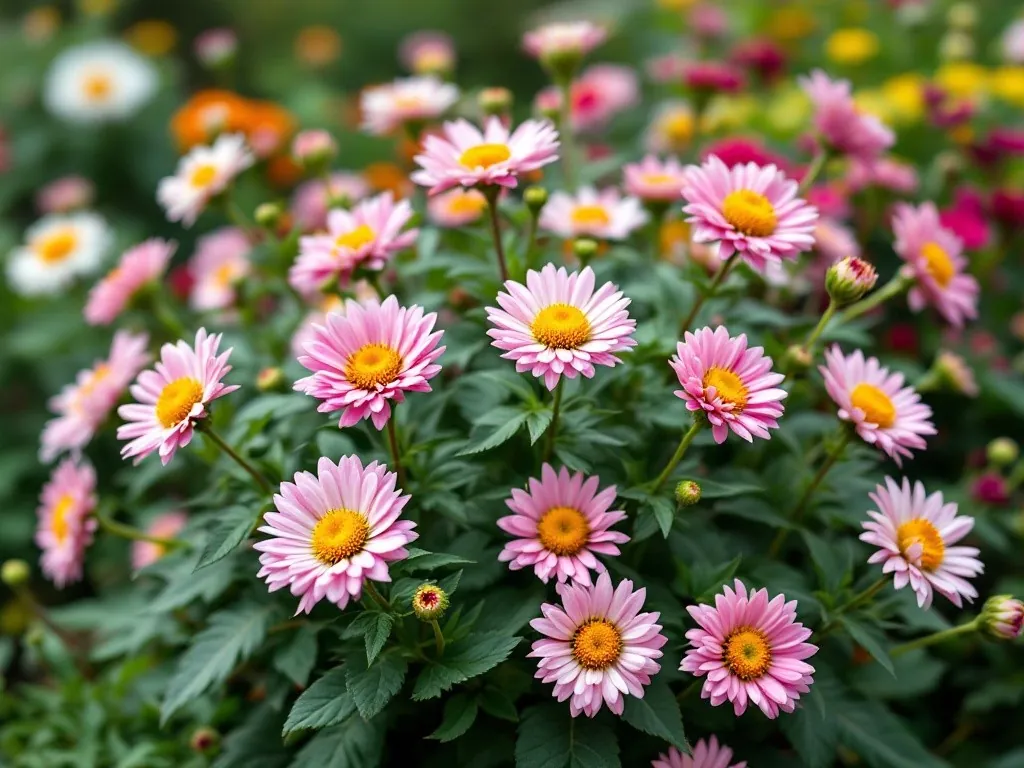
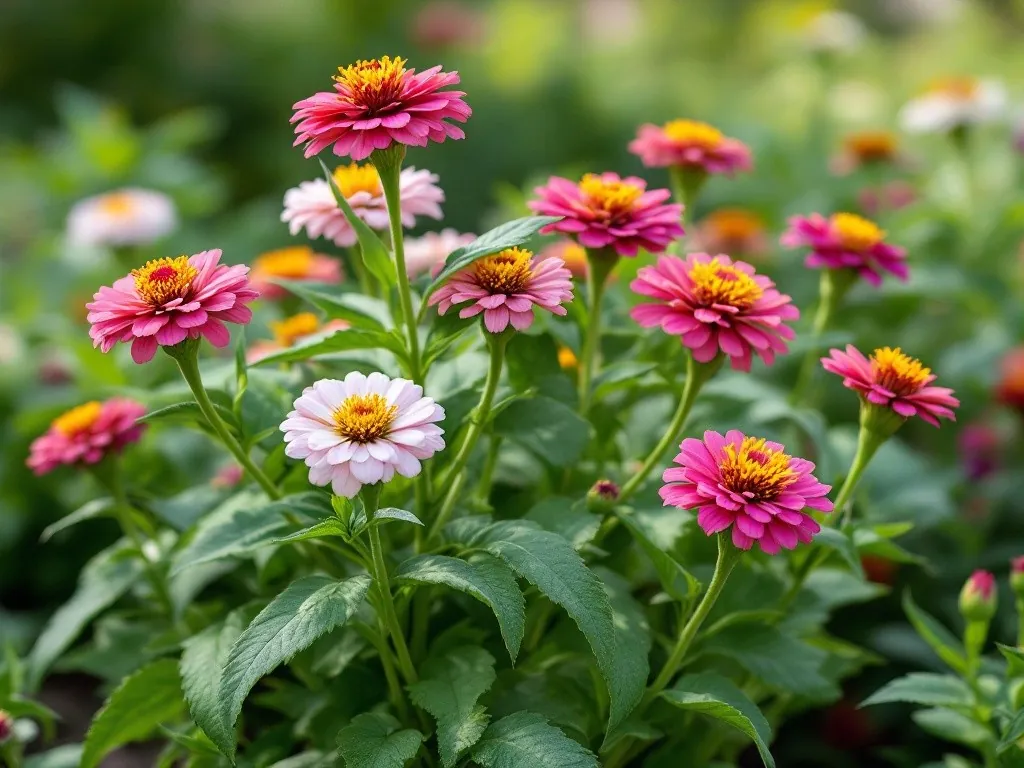
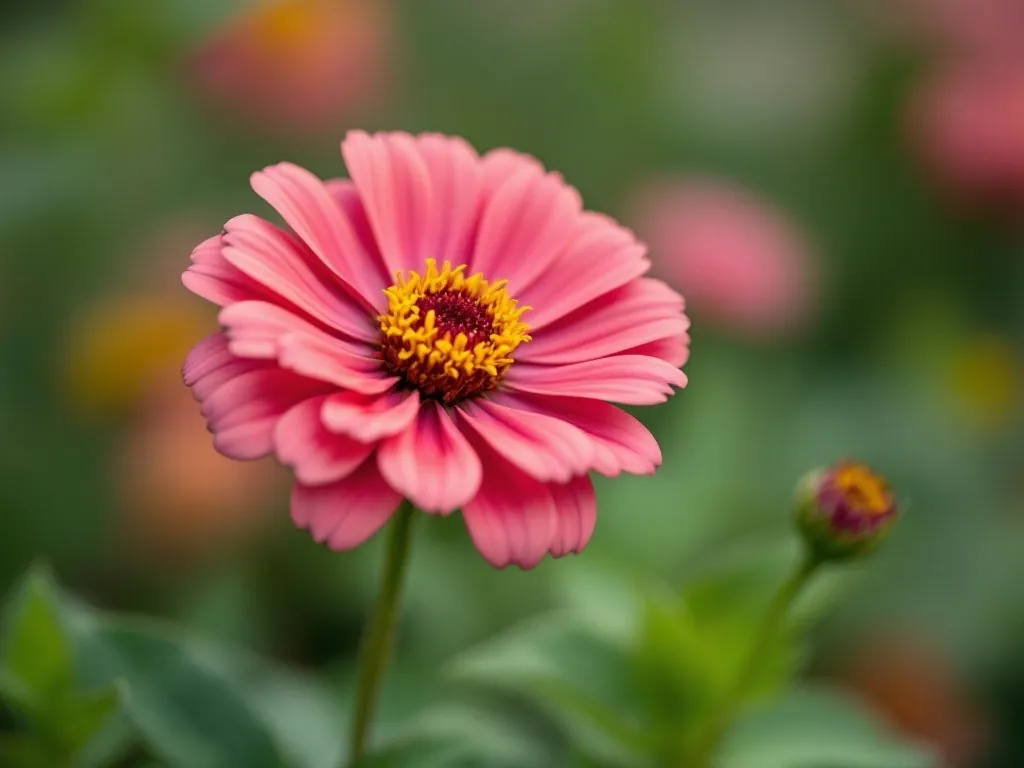
A plant with upright, stiff, slightly bristly stems and oblong, ovate leaves arranged oppositely. The flower heads are composite blooms of varying structure depending on the cultivar — from single, through semi-double, to densely packed, fully double, dahlia-like flowers, in virtually every color except blue and pure green. They sit on stiff, long stalks, which makes them an excellent cut-flower material.
Growing and care
Watering
Water at the base of the plant, avoiding wetting the leaves — excess moisture on the leaves promotes powdery mildew, to which zinnia is susceptible.
Fertilizing
Regular, moderate doses support abundant, long-lasting blooming and sturdy stems for cutting.
Planting
A full-sun location, fertile and well-drained soil; zinnia does not tolerate frost or cold, damp spells.
Pruning
Regularly remove spent flowers (deadheading), which extends and intensifies blooming; young plants benefit from being pinched once above the second pair of leaves to encourage better branching.
Companion plants
Good companions
Similar requirements for sun and water, and flowering zinnias attract pollinators that also benefit nearby herb and vegetable plantings.
Bad companions
The fast-growing, sprawling stems of zucchini can shade out and crowd the shorter, full-sun-loving zinnias, limiting their blooming.
The evidence level indicates whether the relationship is backed by research, observation, or gardening tradition.
Diseases and pests
A white, powdery coating on leaves, shoots and buds. The leaves turn yellow, become deformed and drop prematurely.
Grey mouldA grey-brown, fluffy coating of mycelium on flowers, fruit, leaves and shoots, preceded by watery, rotting spots. It attacks weakened and damaged tissue and develops rapidly in humidity and cool conditions and where air circulation is poor. Common on strawberries, begonias, peonies and roses.
AphidsSmall (1–3 mm) soft-bodied insects, green, black or pink, feeding in clusters on young shoots and the underside of leaves. They excrete sticky honeydew.
Slugs and snailsSlugs and shelled snails that feed at night and after rain. Symptoms: irregular holes in the leaves and young seedlings eaten off completely, silvery slime trails on leaves and soil. The greatest damage occurs in damp, shaded spots — particularly on lettuce, strawberries and hostas.
Toxicity
| For whom | Level | Notes |
|---|---|---|
| Humans | None | — |
| Dogs | None | — |
| Cats | None | — |
History and origin
Zinnia originates from the dry, mountainous regions of Mexico, where it grew as a modest, small-flowered wild species. It reached Europe in the 18th century, and its genus name honors the German botanist Johann Gottfried Zinn, who first described it scientifically. Intensive breeding of ornamental forms, carried out since the 19th century mainly in France and the United States, transformed the modest wild species into one of the most colorful and diverse bedding plants, with hundreds of cultivars differing in size, flower form, and plant height.
Uses
Ideal for flower beds, cutting gardens, and balcony containers in full sun. Shorter varieties work well as bed edging, taller ones as material for bouquets and in butterfly gardens that attract pollinators.
Trivia
- Zinnias are among the longest-lasting cut flowers among annual plants — properly cut and placed in water, they can last in a vase for up to two weeks.
- The genus name Zinnia honors Johann Gottfried Zinn, an 18th-century German botanist and anatomist who studied the plant long before it became widespread in European gardens.
Frequently asked questions
How long does zinnia last as a cut flower in a vase?
When properly cut once the flower is fully open and placed in clean water, zinnia can stay fresh for up to 10–14 days, making it one of the longest-lasting annual cut flowers.
Why do zinnia leaves develop a white coating?
This is most often powdery mildew, to which zinnias are especially susceptible when planted too densely and watered from above, wetting the leaves. It helps to give plants more space and water only at the base.
Can zinnia be sown directly outdoors, or is it better to start seedlings indoors?
Both methods work well. Direct sowing outdoors in May is simpler and produces sturdier plants, while starting seedlings under cover in April allows blooming several weeks earlier.
Sources
- Plants of the World Online (POWO)Database (GBIF, POWO…)
- RHS — Zinnia elegansInstitution / botanical garden
My note
A private note for this plant — saved in your browser.