In short
- Very easy to grow — tolerates neglect and irregular watering better than most houseplants.
- Needs full sun or a bright position, otherwise its shoots stretch and become leggy.
- Water rarely, only once the substrate is completely dry — overwatering is the main danger.
- Grows very slowly, but with good care can live for decades, forming a thick, tree-like trunk.
- Mildly toxic to dogs and cats — keep out of reach of pets.
Botanical data
- Family
- Crassulaceae (Crassulaceae)
- Height
- 0.5–2 m
- Width
- 0.4–1.2 m
- Habit
- Upright
- Growth rate
- Slow
- Position
- Full sun, Partial shade
- Soil
- Sandy, Humus-rich
- pH reaction
- pH 6–7
- Moisture
- Dry
- Bloom
- January–February
- Hardiness
- —
- Propagation
- From cuttings
Characteristics
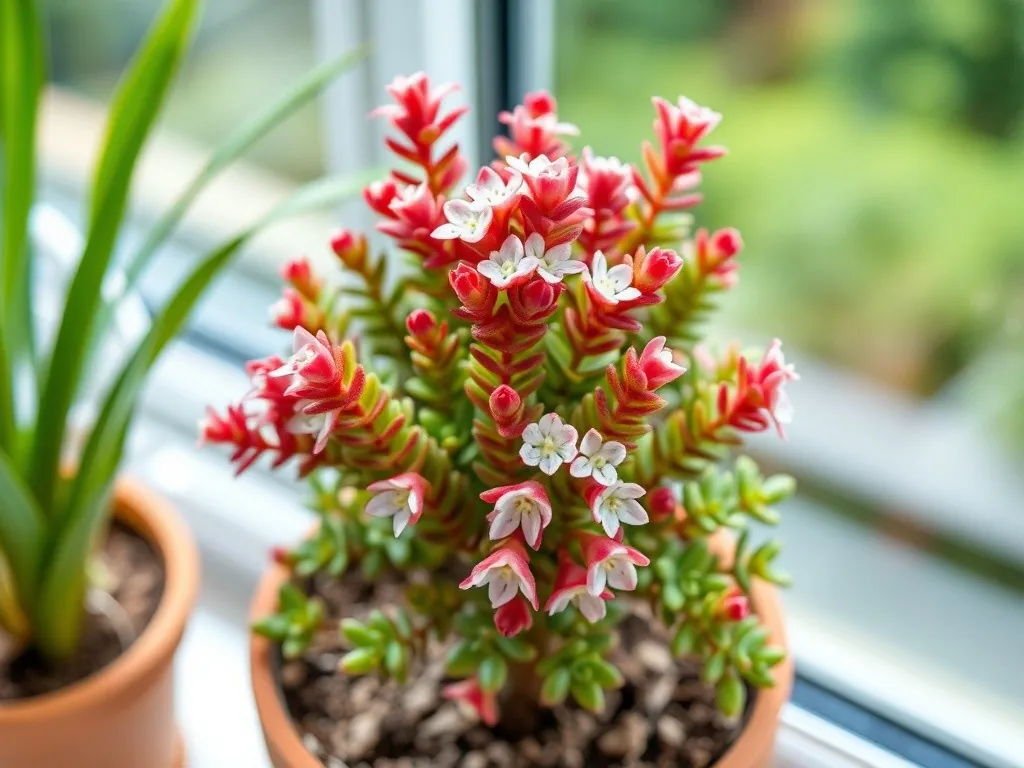
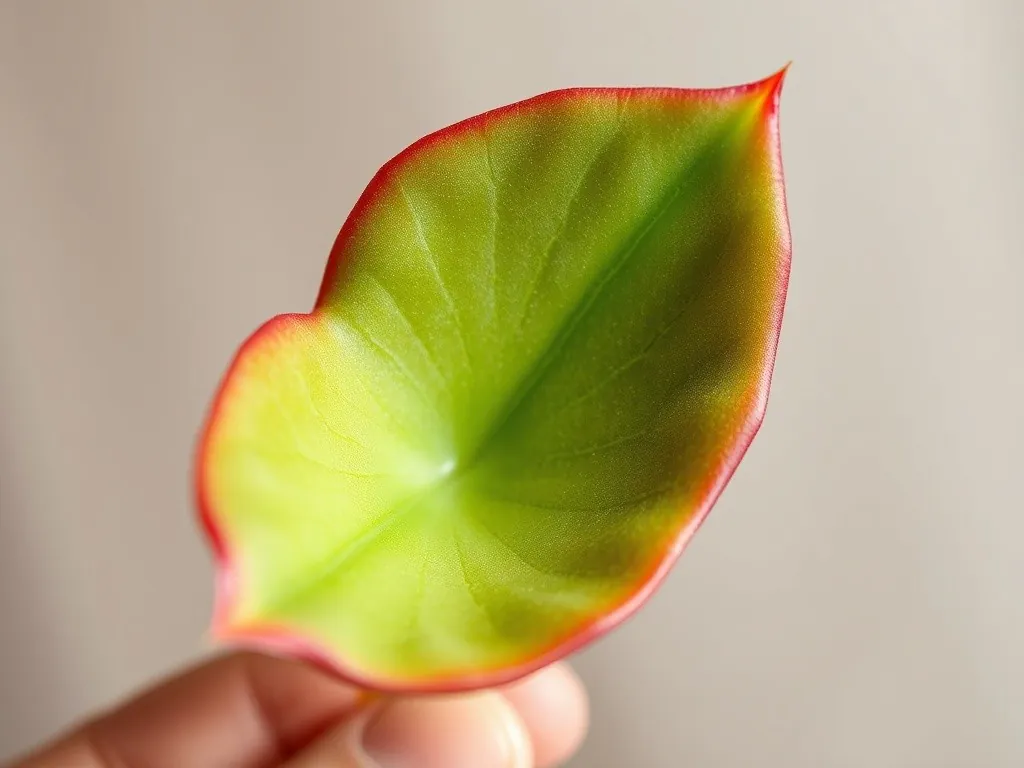
Forms a woody trunk that thickens with age and compact, oval, fleshy leaves of glossy dark green colour, turning reddish at the edges in intense sunlight. Under very good light and a cooler winter period it may produce small, star-shaped, white-pink flowers.
Growing and care
Watering
Water only once the substrate is completely dry. The thick, fleshy leaves store water — overwatering is a more common cause of death than underwatering.
Fertilizing
In winter, during the dormant period, stop fertilising completely.
Planting
A succulent mix with a high proportion of sand or perlite; a wide, shallow pot suited to the plant's shallow root system.
Pruning
Shorten overly elongated shoots just above a leaf node to encourage branching and form a compact, tree-like crown.
Companion plants
Good companions
The same type of substrate, watering and sunlight needs — a classic duo in succulent arrangements.
Similarly low water needs and tolerance of the substrate drying out between waterings.
Bad companions
The fern needs a constantly moist substrate and high air humidity — under these conditions the jade plant's roots quickly begin to rot.
The evidence level indicates whether the relationship is backed by research, observation, or gardening tradition.
Toxicity
| For whom | Level | Notes |
|---|---|---|
| Humans | Mild | Consumption may cause irritation of the digestive tract. |
| Dogs | Mild | Symptoms after ingestion: vomiting, drooling, lethargy, sometimes loss of coordination. |
| Cats | Mild | Similar symptoms to dogs — vomiting and lethargy after eating the leaves. |
History and origin
Brought to Europe from South Africa in the 19th century as a collector's plant, it has over time become one of the most popular office and houseplants worldwide thanks to its modest care requirements.
Uses
A strictly indoor plant in the Polish climate — for bright windowsills, offices and interiors with low air humidity. Excellent for bonsai styling and succulent arrangements.
Trivia
- In Poland and many other countries it is popularly called the 'money tree' or 'money plant' — according to feng shui it is said to attract prosperity, which is why it is often placed in offices and by entrances.
- A single leaf cut off and placed on moist substrate can root and grow into a new plant.
Frequently asked questions
Why do jade plant leaves become wrinkled?
This is usually a sign of dehydration — the plant is drawing on the water reserves stored in its leaves. Water it thoroughly and check whether the water is actually reaching the roots (the substrate sometimes compacts into a hard clump that repels water).
Is the jade plant safe for cats?
Not entirely — the leaves are mildly toxic to cats and dogs and can cause vomiting and lethargy if eaten. It is best to place the plant somewhere inaccessible to pets.
Why is my money tree stretching and losing its compact shape?
This is the result of too little light — the plant 'reaches' towards the sun, stretching its shoots. Move it to a brighter, ideally sunny position and prune back the stretched shoots in spring.
Sources
- Plants of the World Online (POWO) — Crassula ovataDatabase (GBIF, POWO…)
- Missouri Botanical Garden Plant Finder — Crassula ovataInstitution / botanical garden
My note
A private note for this plant — saved in your browser.