In short
- Position: full sun or light partial shade, well-drained soil, tolerates drought and calcareous soil.
- Low, creeping habit (up to 60 cm tall) with a characteristic herringbone branch pattern.
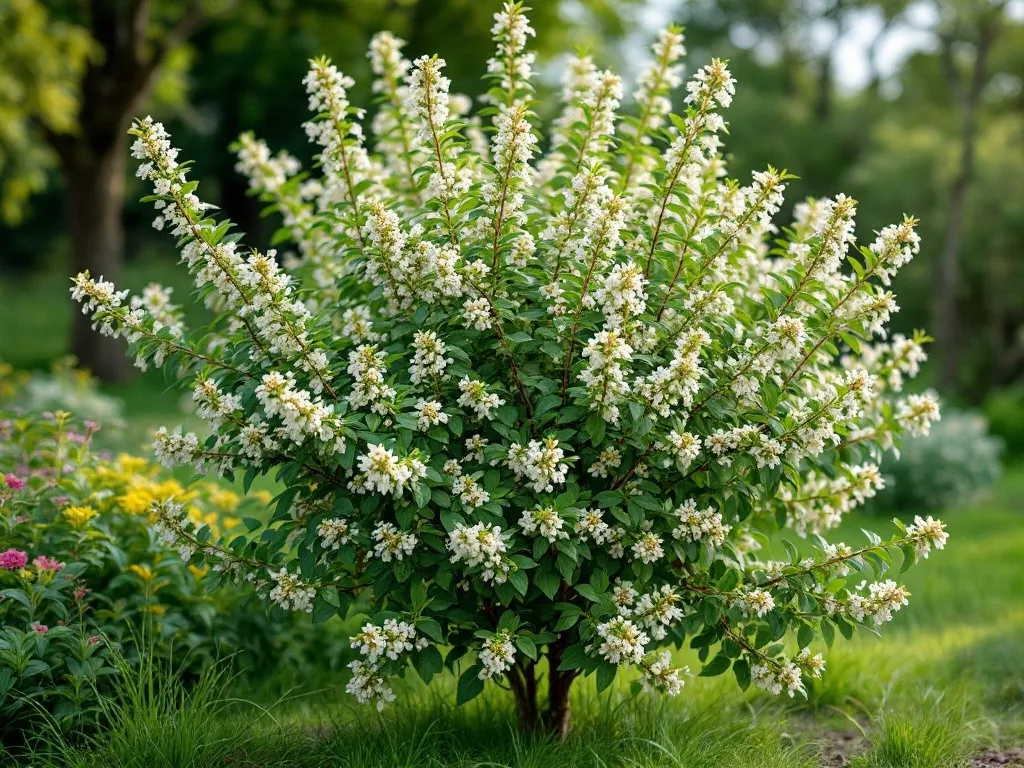
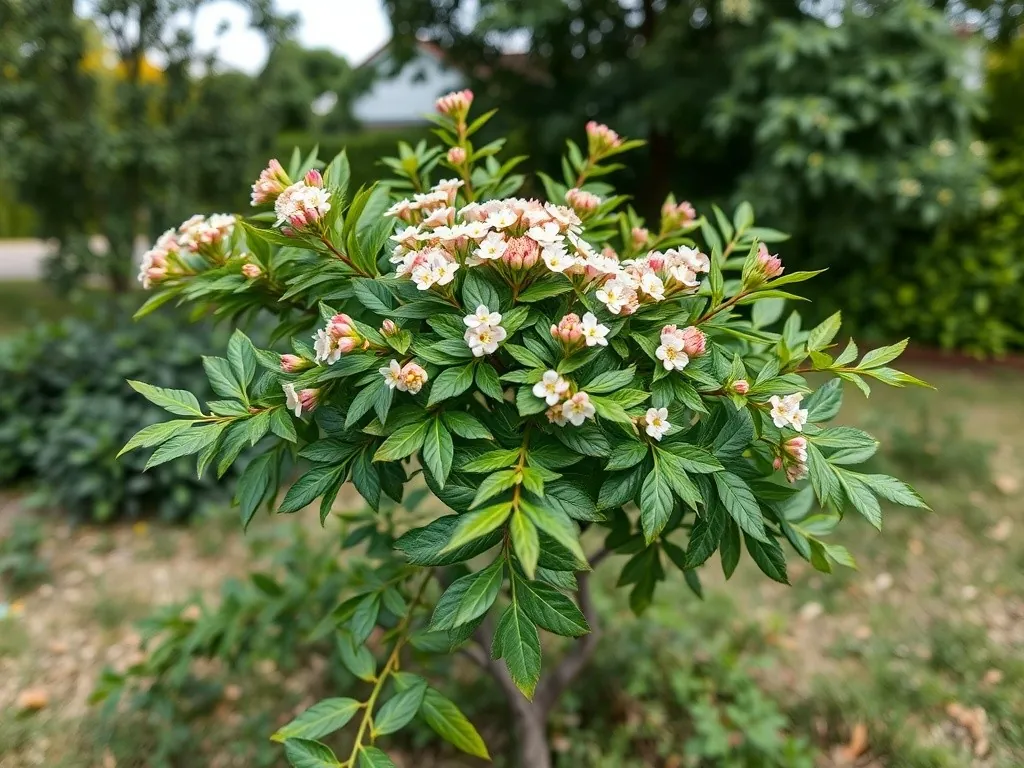
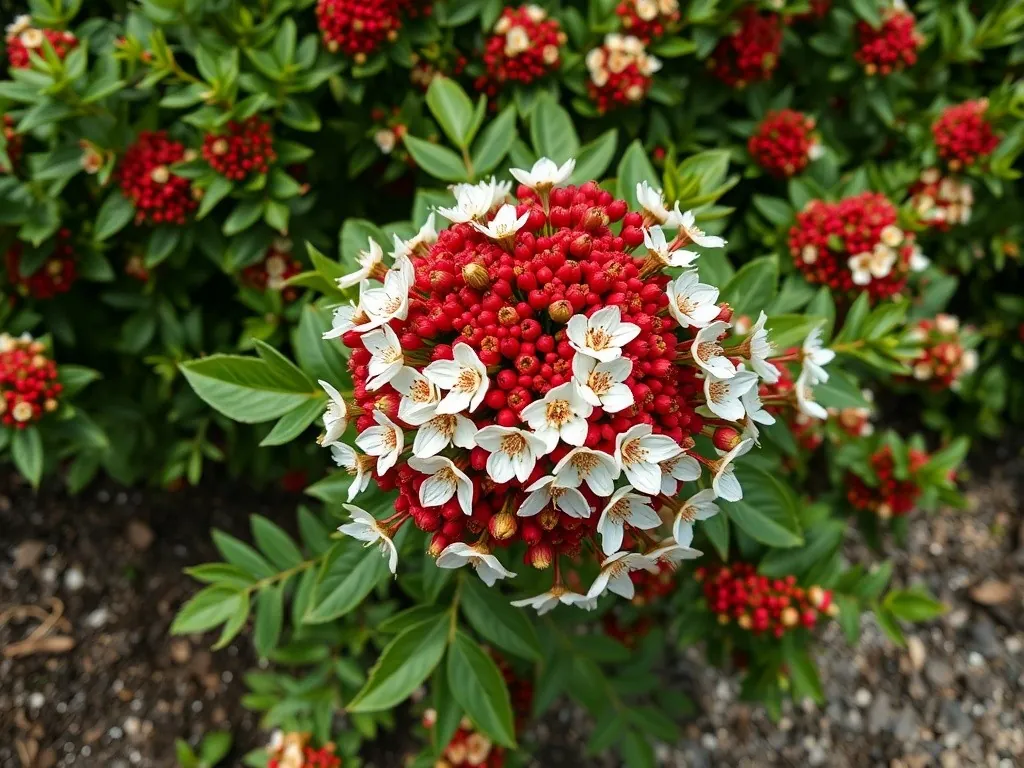
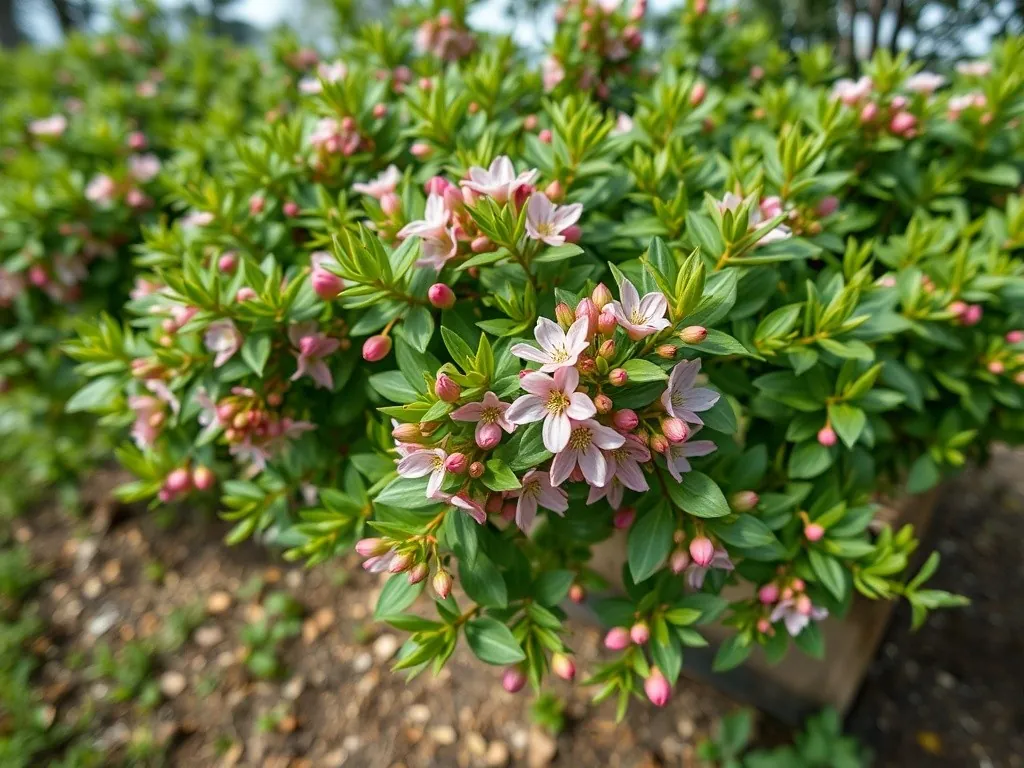
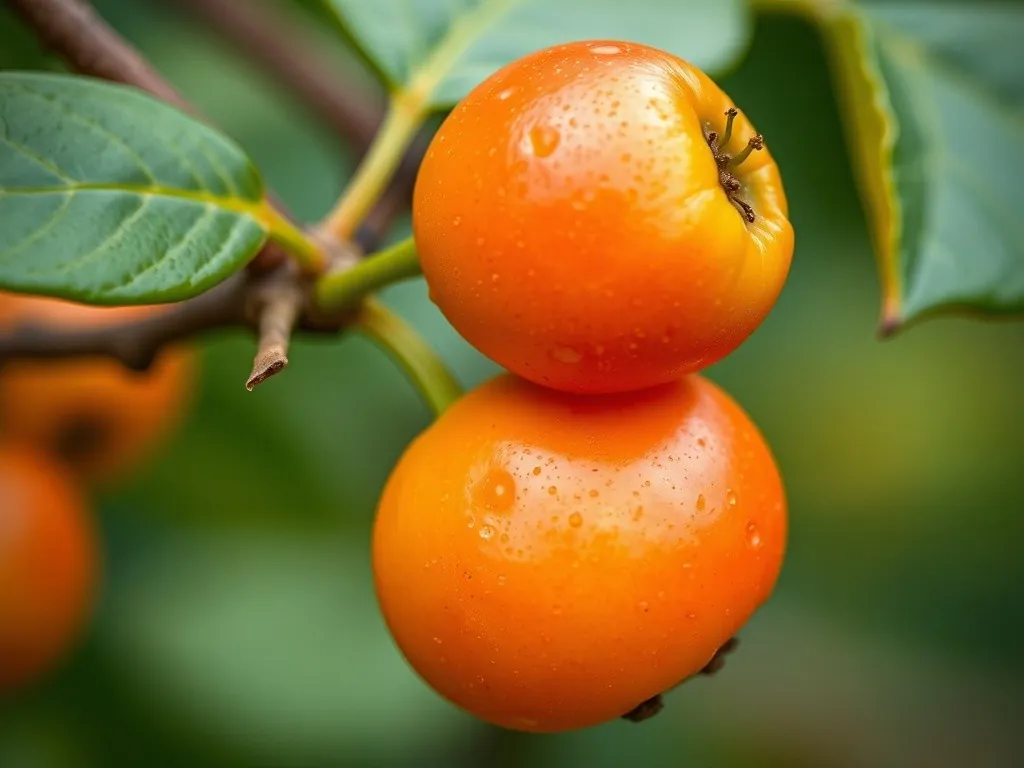
- Pinkish flowers in May–June, red fruit that persists into winter.
- Unlike the upright-growing hedge cotoneaster — ideal as ground cover for slopes and retaining walls.
- Very undemanding, practically maintenance-free once established.
Botanical data
- Family
- Rosaceae (Rosaceae)
- Height
- 0.3–0.6 m
- Width
- 1.5–2 m
- Habit
- Creeping
- Growth rate
- Moderate
- Position
- Full sun, Partial shade
- Soil
- Sandy, Loamy, Chalky
- pH reaction
- pH 6–7.8
- Moisture
- Dry, Moderate
- Bloom
- May–June
- Hardiness
- USDA 5a–8a
- Propagation
- From cuttings, By layering
Characteristics
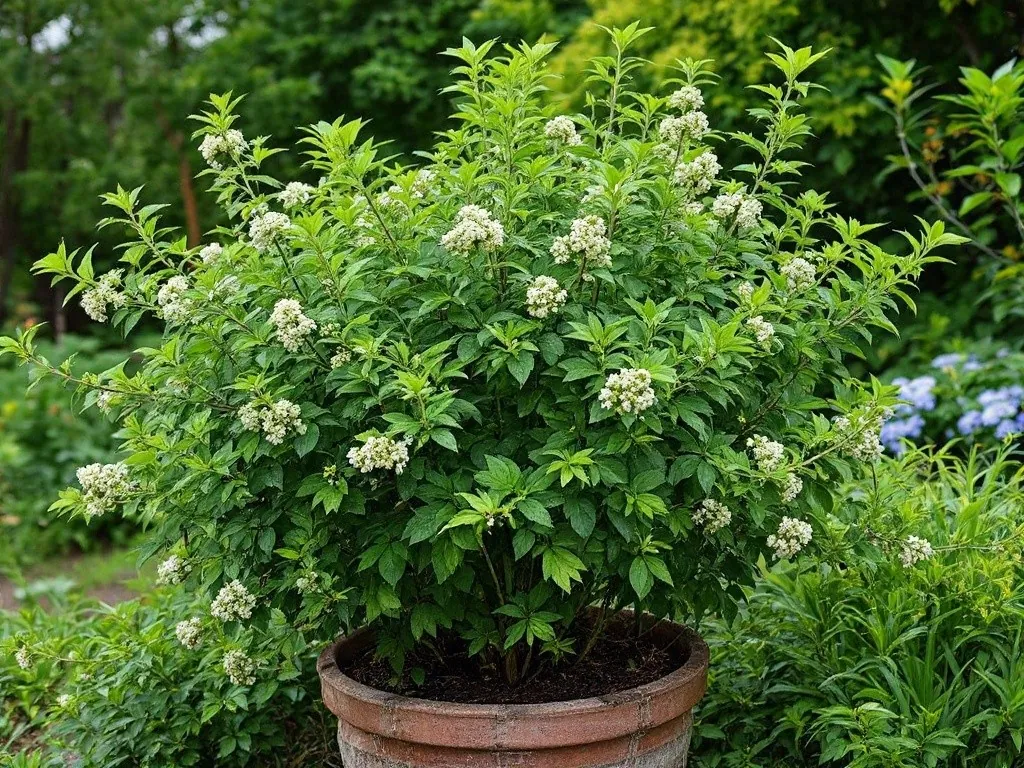
A low, densely branched shrub with stiff, horizontally spreading shoots arranged in a characteristic, flat "herringbone" pattern — the side branches leave the main shoots regularly, almost symmetrically. The small, dark green, glossy leaves turn red-orange in autumn. The inconspicuous, pinkish flowers in spring are followed by numerous red fruits that persist on the shoots into winter.
Growing and care
Watering
Practically maintenance-free once established — water only in the first season and during prolonged heat.
Fertilizing
Minimal — excess fertiliser leads to excessive, loose growth at the expense of the compact herringbone habit.
Planting
A well-drained position, which may be poor and dry; ideal for slopes, retaining walls and sunny banks.
Pruning
Limit pruning to removing shoots growing beyond the allotted space — the natural herringbone habit is its main asset and needs no shaping.
Companion plants
Good companions
The same genus with a completely different habit — the low, creeping rockspray cotoneaster complements the upright-growing hedge cotoneaster perfectly in a multi-tiered planting.
Similar tolerance of drought and poor, well-drained soils — a common, proven combination on slopes and retaining walls.
Both species form low, spreading ground covers in dry, sunny locations and complement each other well in leaf texture.
Bad companions
Rockspray cotoneaster needs full sun to maintain its compact herringbone habit — shading from tall plants causes shoots to become leggy and reduces fruiting.
The evidence level indicates whether the relationship is backed by research, observation, or gardening tradition.
Toxicity
| For whom | Level | Notes |
|---|---|---|
| Humans | Mild | The fruits contain small amounts of cyanogenic compounds in the pips — eating a few individual berries is usually harmless, but they should not be eaten in larger quantities. |
| Dogs | Mild | — |
History and origin
Introduced from the mountainous regions of western China around the turn of the 19th and 20th centuries, it quickly gained popularity in Europe as one of the most reliable ground-cover plants for difficult, dry and sunny sites where other plants struggle to establish.
Uses
Excellent for slopes, retaining walls, terrace edges and other difficult, dry sites, where it forms a durable, low-maintenance ground cover. It also works well trained along low walls as a natural espalier.
Trivia
- The characteristic flat branch pattern of rockspray cotoneaster is sometimes used to train it along walls as a natural espalier that needs no formative pruning.
- In autumn the leaves of rockspray cotoneaster turn an intense red, which together with the red fruit creates one of the most striking autumn features among ground-cover shrubs.
Frequently asked questions
How does rockspray cotoneaster differ from hedge cotoneaster?
It is the same botanical genus, but a completely different habit: hedge cotoneaster grows upright to 2–3 m and works well as a hedge, whereas rockspray cotoneaster is low (up to 60 cm), creeping, with a characteristic herringbone branch pattern, and serves as ground cover.
Is rockspray cotoneaster suitable for a dry slope?
Yes, it is one of the best ground-cover plants for dry, sunny slopes and retaining walls — it tolerates poor, well-drained soil and long periods without watering well once established.
Does rockspray cotoneaster need pruning?
Usually not — its natural herringbone habit is its main ornamental feature. Pruning is limited to removing individual shoots that grow beyond the allotted space, without shearing the whole plant.
Sources
- Plants of the World Online (POWO) — Cotoneaster horizontalisDatabase (GBIF, POWO…)
- RHS — Cotoneaster horizontalisInstitution / botanical garden
My note
A private note for this plant — saved in your browser.