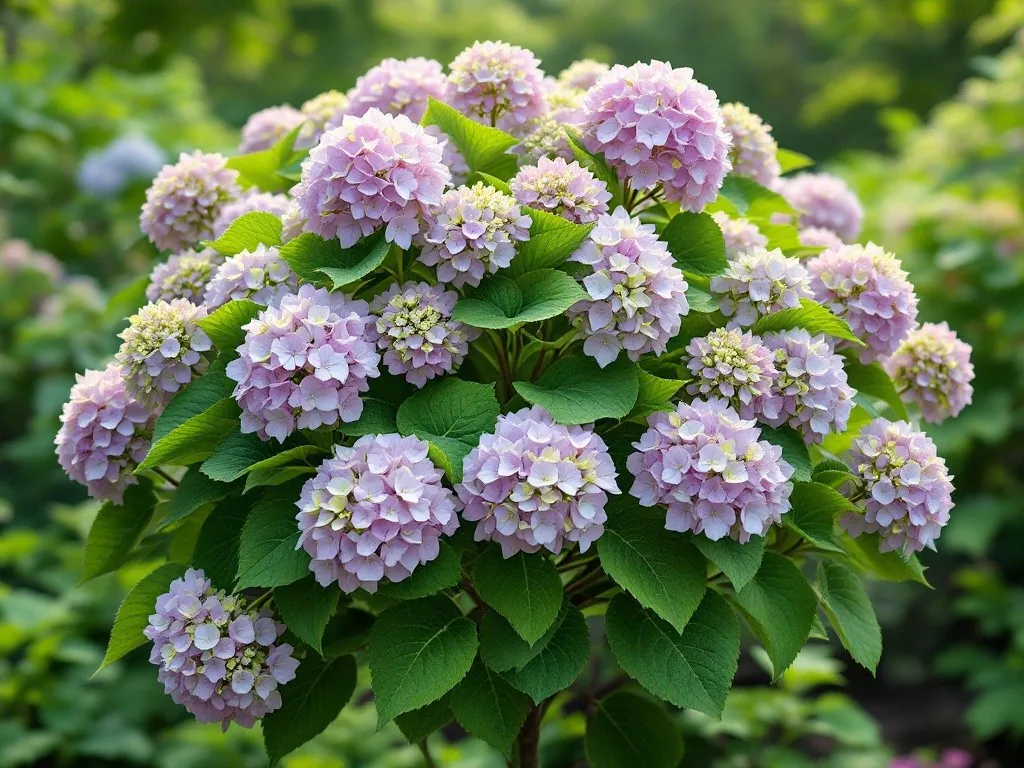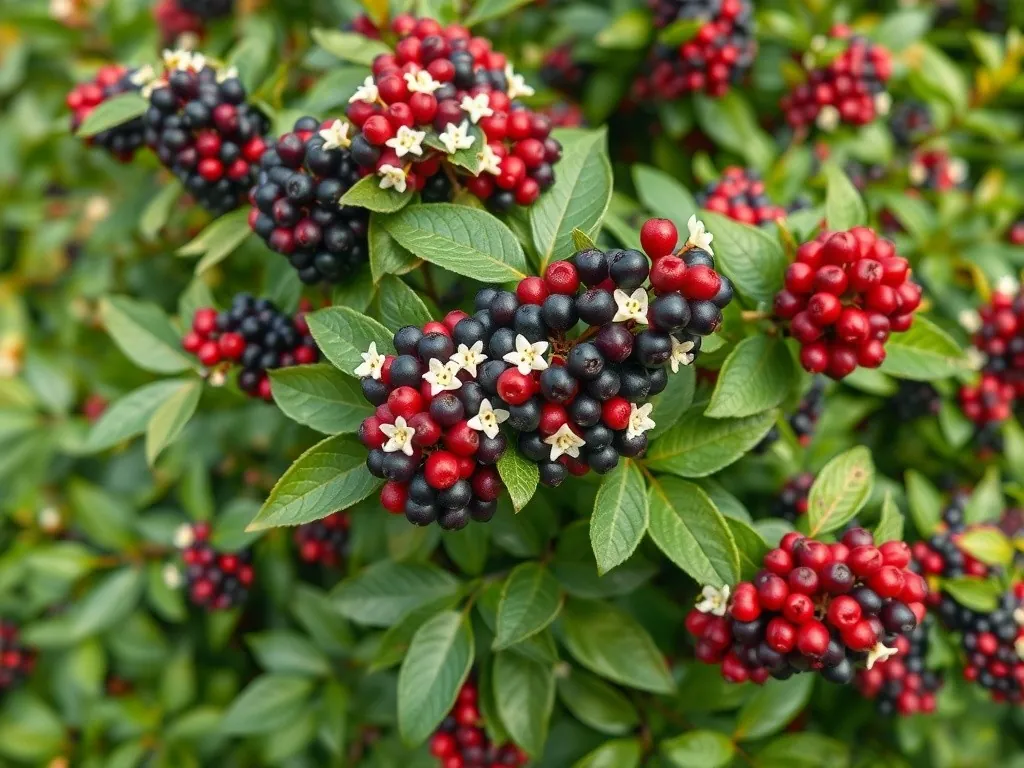
In short
- Position: sun or light half-shade, fertile, moderately moist soil.
- Blooms in May–June; the flowers have one of the strongest scents among garden shrubs.
- Grows fast, forming a spreading shrub up to 3 m within a few years.
- Frost-hardy to USDA zone 4b — does not need winter protection.
- Prune right after flowering, never in spring before it blooms.
Botanical data
- Family
- Hydrangeaceae (Hydrangeaceae)
- Height
- 2–3 m
- Width
- 2–2.5 m
- Habit
- Spreading
- Growth rate
- Fast
- Position
- Full sun, Partial shade
- Soil
- Loamy, Humus-rich
- pH reaction
- pH 6–7.5
- Moisture
- Moderate
- Bloom
- May–June
- Hardiness
- USDA 4b–8a
- Propagation
- From cuttings, By layering
Characteristics
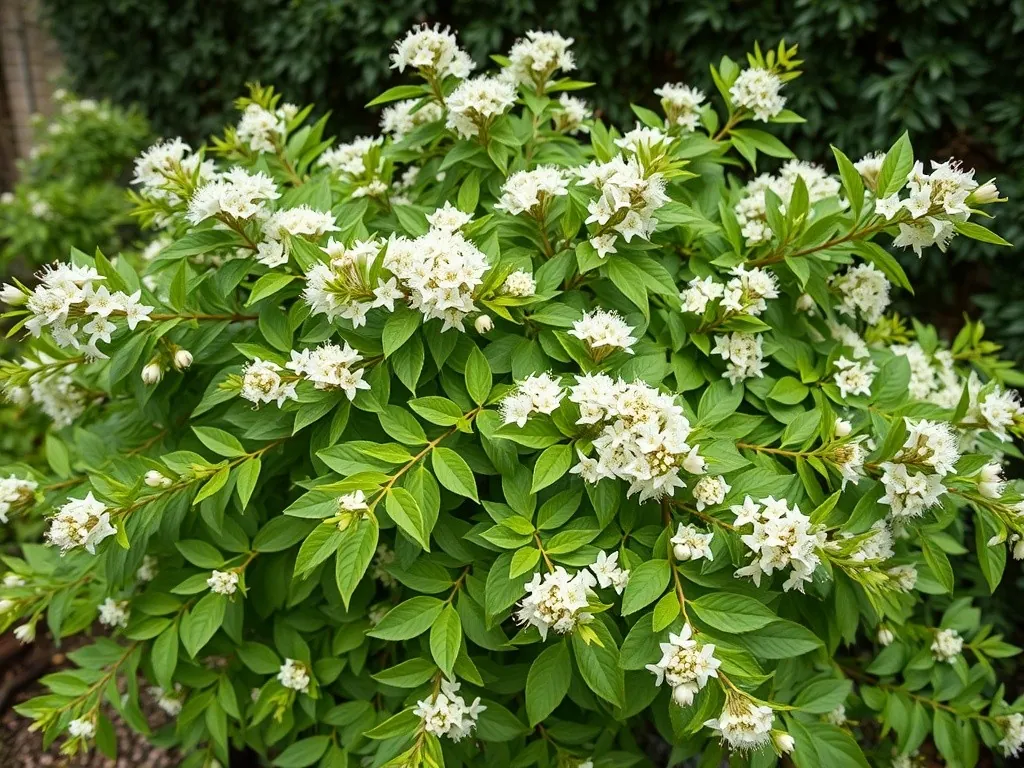
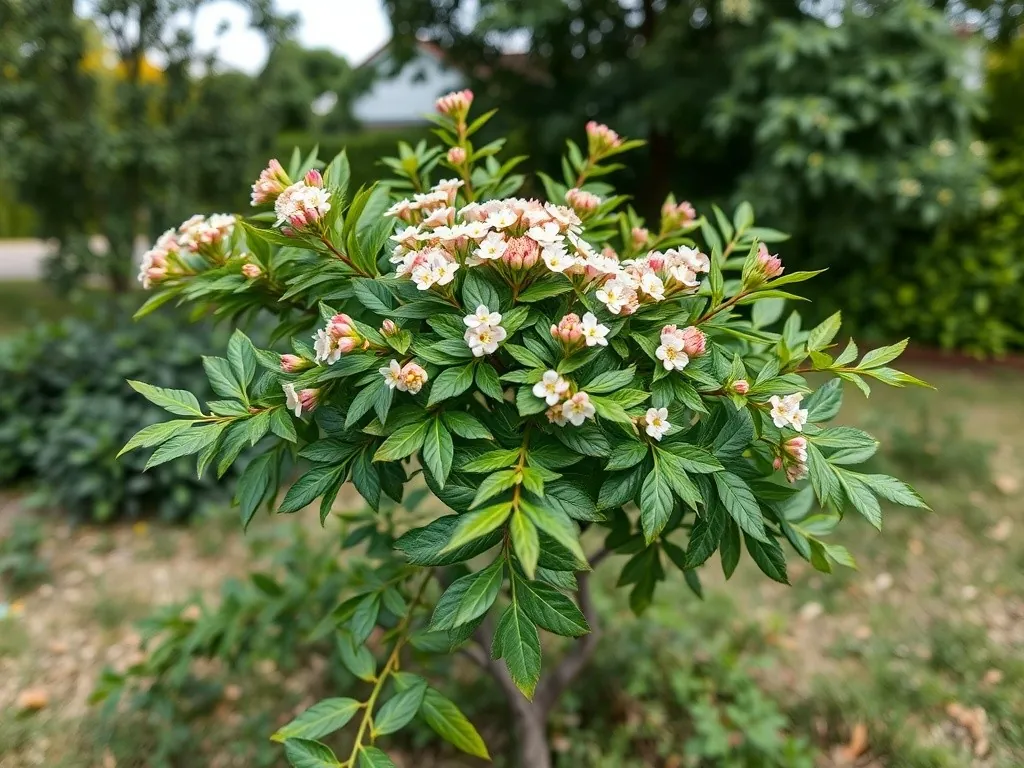
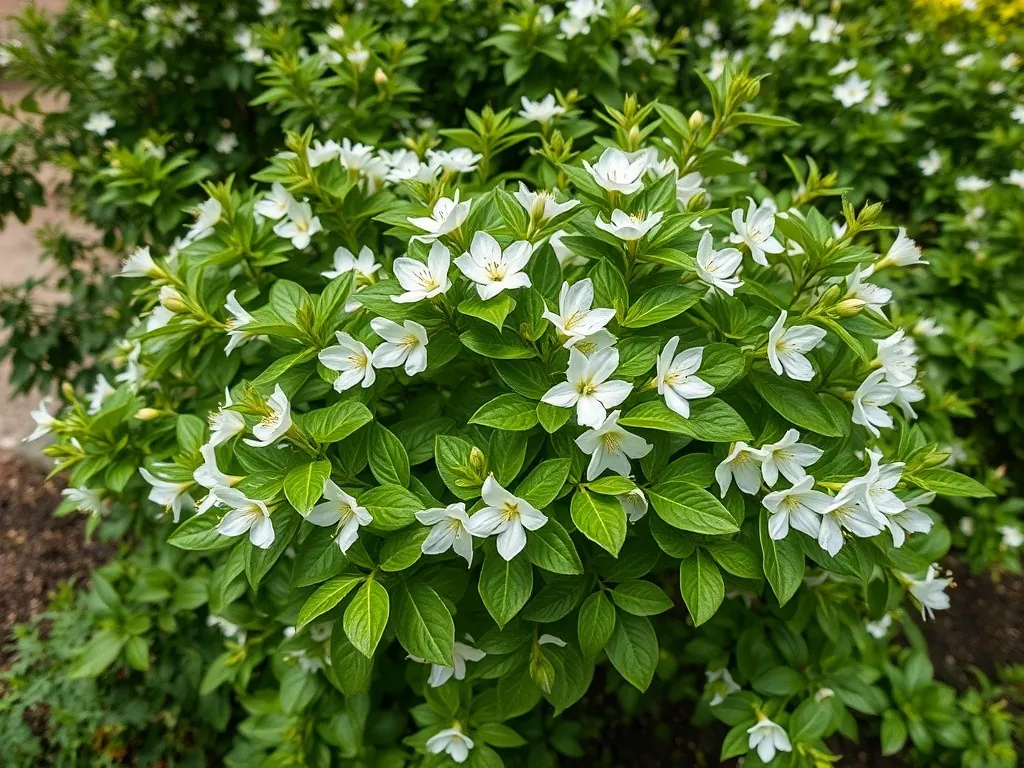
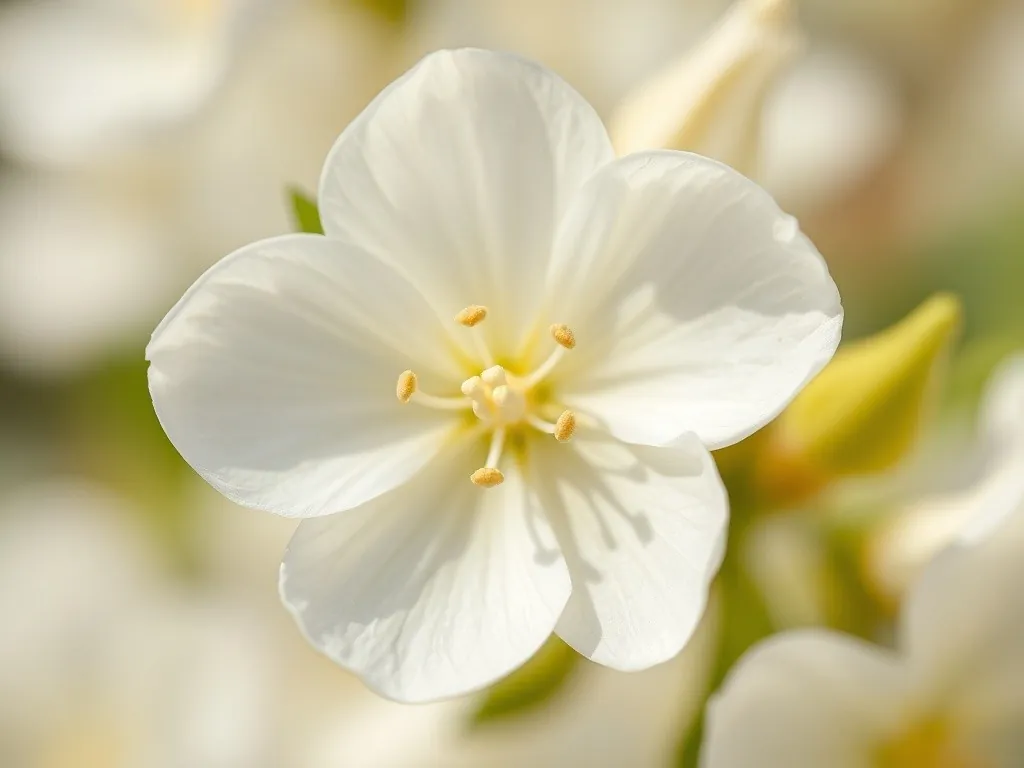
It forms a spreading, densely branched shrub with arching shoots. The ovate, light green leaves are arranged opposite one another. The white, four-petalled flowers are gathered in small clusters at the shoot tips and release an intense, sweet scent that is strongest in the evening.
Growing and care
Watering
Tolerates short dry spells well once established, but regular watering in the first year after planting improves flowering.
Fertilizing
Moderate — excess nitrogen promotes shoot growth at the expense of abundant flowering.
Planting
Work compost into the planting hole; the plant tolerates a wide range of garden soils except very dry and sandy ones.
Pruning
Every 2–3 years remove the oldest, woody shoots at ground level to rejuvenate the shrub and preserve abundant flowering.
Companion plants
Good companions
Similar planting time and habitat requirements — a classic pairing of spring- and early-summer-flowering shrubs in a shrub border.
Similar soil requirements and ease of cultivation — complements mock-orange well in a mixed hedge with an extended flowering period.
Tolerates a similarly moderately moist site in half-shade and complements mock-orange with flowering in the second half of summer.
Bad companions
Mock-orange prefers neutral soil, which conflicts with the requirements of acid-loving plants planted in its immediate vicinity.
The evidence level indicates whether the relationship is backed by research, observation, or gardening tradition.
Toxicity
| For whom | Level | Notes |
|---|---|---|
| Humans | None | — |
History and origin
It has been cultivated in European gardens since the 16th century, introduced from the Balkans and Asia Minor. The genus name Philadelphus has nothing to do with its scent — it comes from the name of the Egyptian king Ptolemy II Philadelphus. The common name 'jaśminowiec' (mock-orange) became established in European languages precisely because of the resemblance between its scent and that of jasmine.
Uses
Excellent as a specimen on the lawn, in a border of flowering shrubs, or as a loose, unclipped hedge. The fragrant flowers are well suited for cutting into bouquets.
Trivia
- The genus name refers to King Ptolemy Philadelphus, not to the scent of the flowers.
- The scent can be so intense that on a still summer evening it is noticeable from more than ten metres away.
- The hard, flexible wood of the shrub was once used to make pipes (hence the English name 'mock-orange' and the German name 'Pfeifenstrauch' — pipe bush — since pipe stems were made from the hollowed-out shoots).
Frequently asked questions
Why isn't my mock-orange flowering?
The most common cause is pruning at the wrong time — removing shoots in spring destroys the flower buds formed on last year's wood. A second cause is too much shade at the site.
Is mock-orange the same species as true jasmine?
No. Mock-orange (Philadelphus) belongs to the hydrangea family and is botanically unrelated to true jasmine (Jasminum) from the olive family — it owes its name solely to the similar scent of its flowers.
How do you prune mock-orange so it flowers well?
Pruning is done right after flowering, removing the oldest shoots at ground level every few years. This rejuvenates the shrub and preserves abundant flowering on younger, stronger shoots.
Sources
- Plants of the World Online (POWO) — Philadelphus coronariusDatabase (GBIF, POWO…)
- Missouri Botanical Garden Plant Finder — Philadelphus coronariusInstitution / botanical garden
My note
A private note for this plant — saved in your browser.