In short
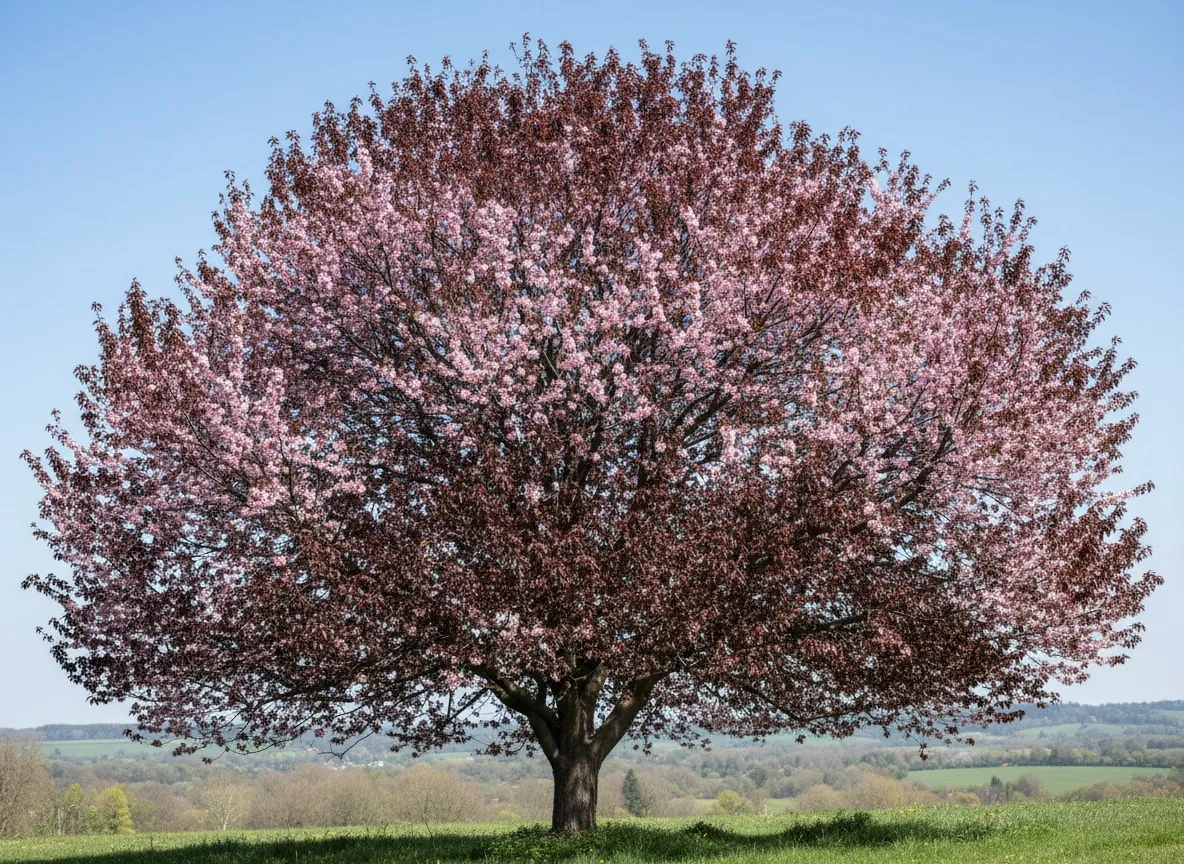
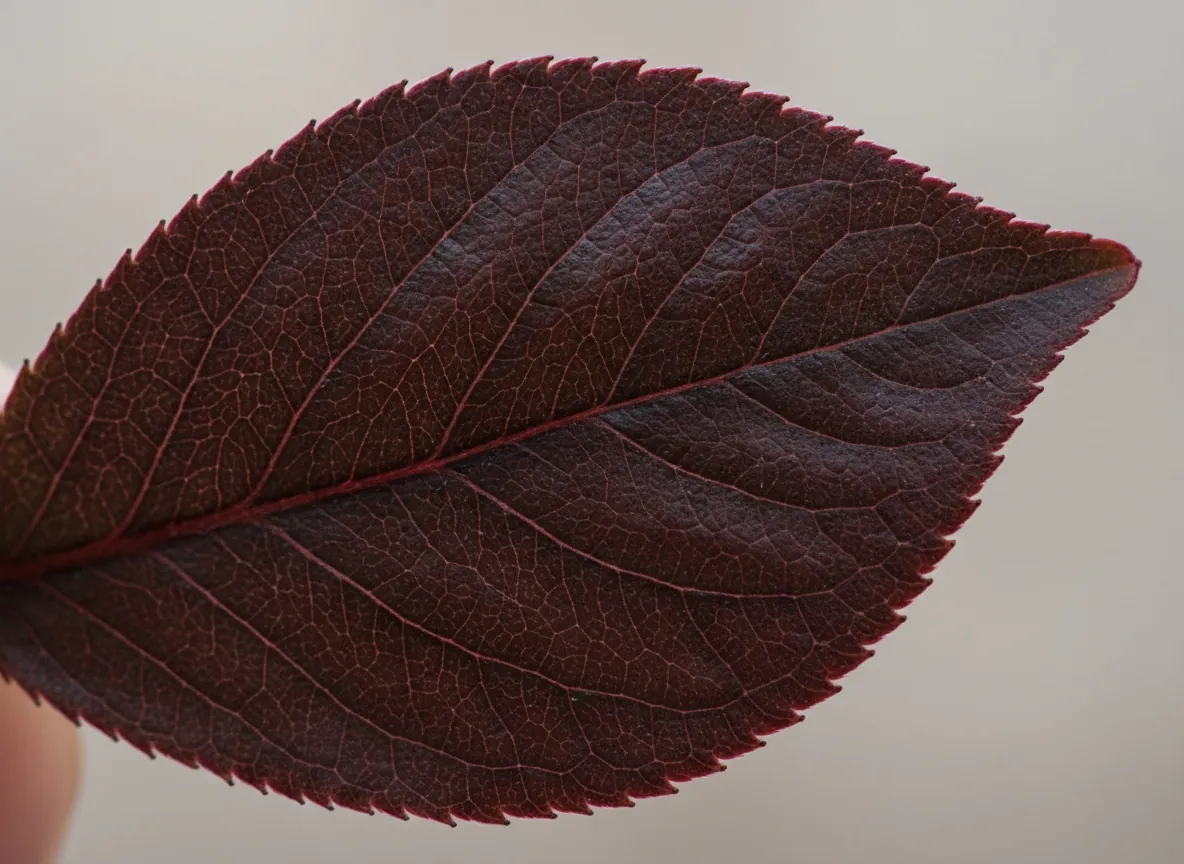
- Dark purple leaves throughout the season — a strong colour accent in the garden.
- Pink flowers open in very early spring, before most trees.
- Small, edible fruits ripen in summer, though they are often set sparingly.
- Tolerates most soils; it colours best in full sun.
- Excellent for colourful, clipped hedges and as a specimen tree.
Botanical data
- Family
- Rosaceae (Rosaceae)
- Height
- 4–7 m
- Width
- 3–5 m
- Habit
- Spreading
- Growth rate
- Moderate
- Position
- Full sun, Partial shade
- Soil
- Loamy, Humus-rich, Sandy
- pH reaction
- pH 6–7.5
- Moisture
- Moderate
- Bloom
- March–April
- Hardiness
- USDA 5a–8b
- Propagation
- From cuttings, From seed
Characteristics
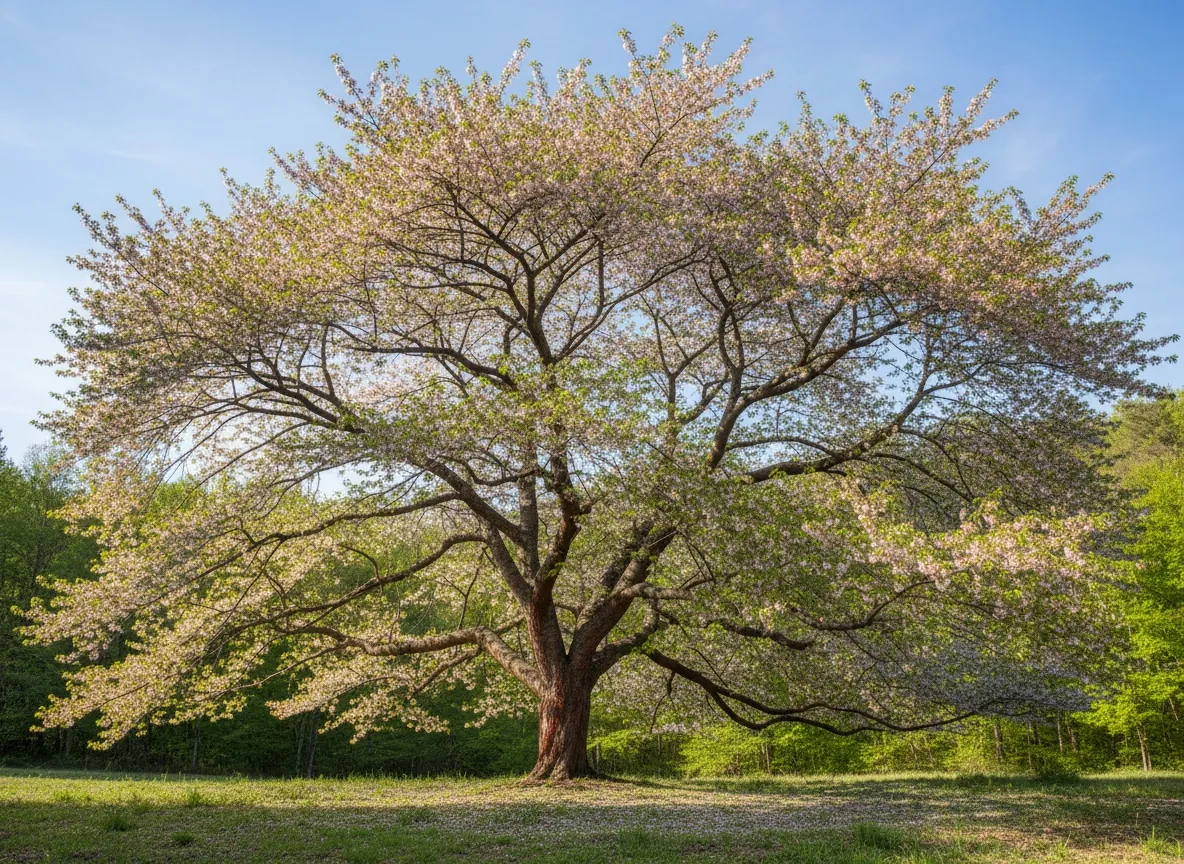
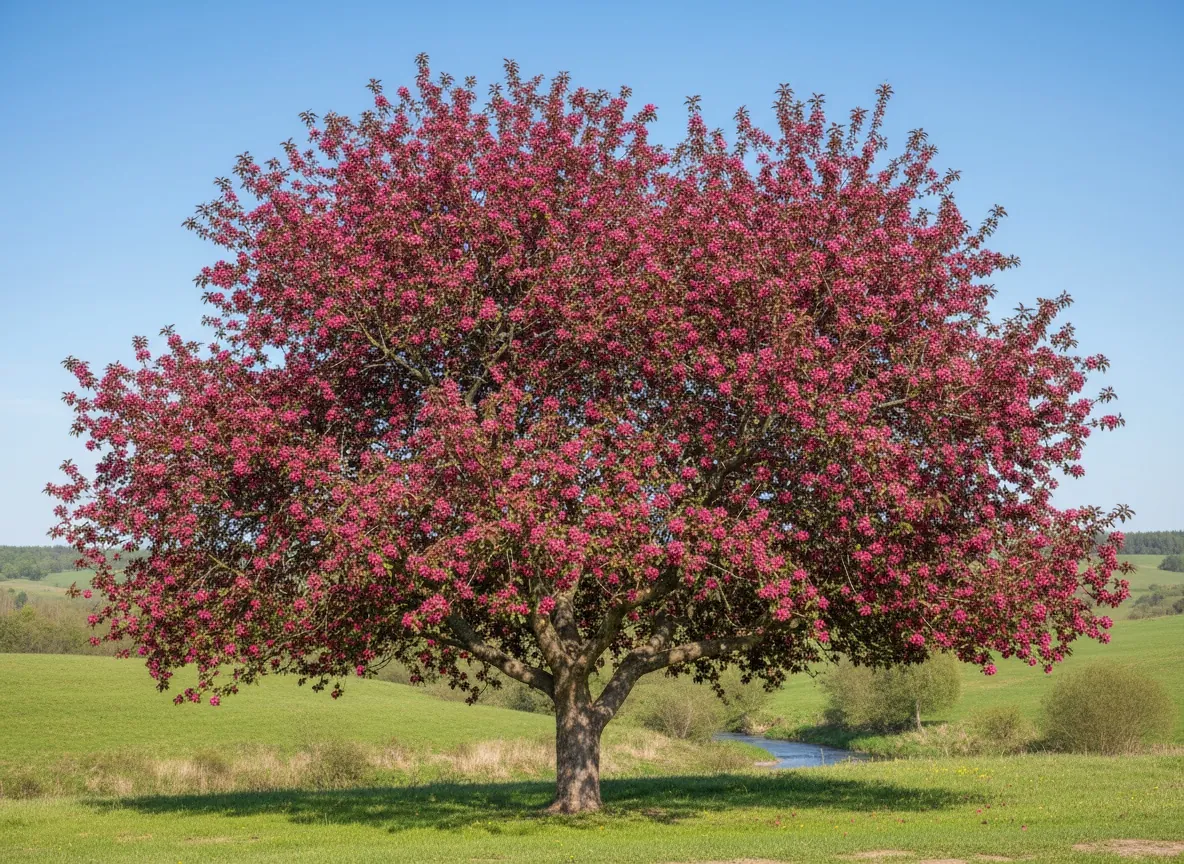
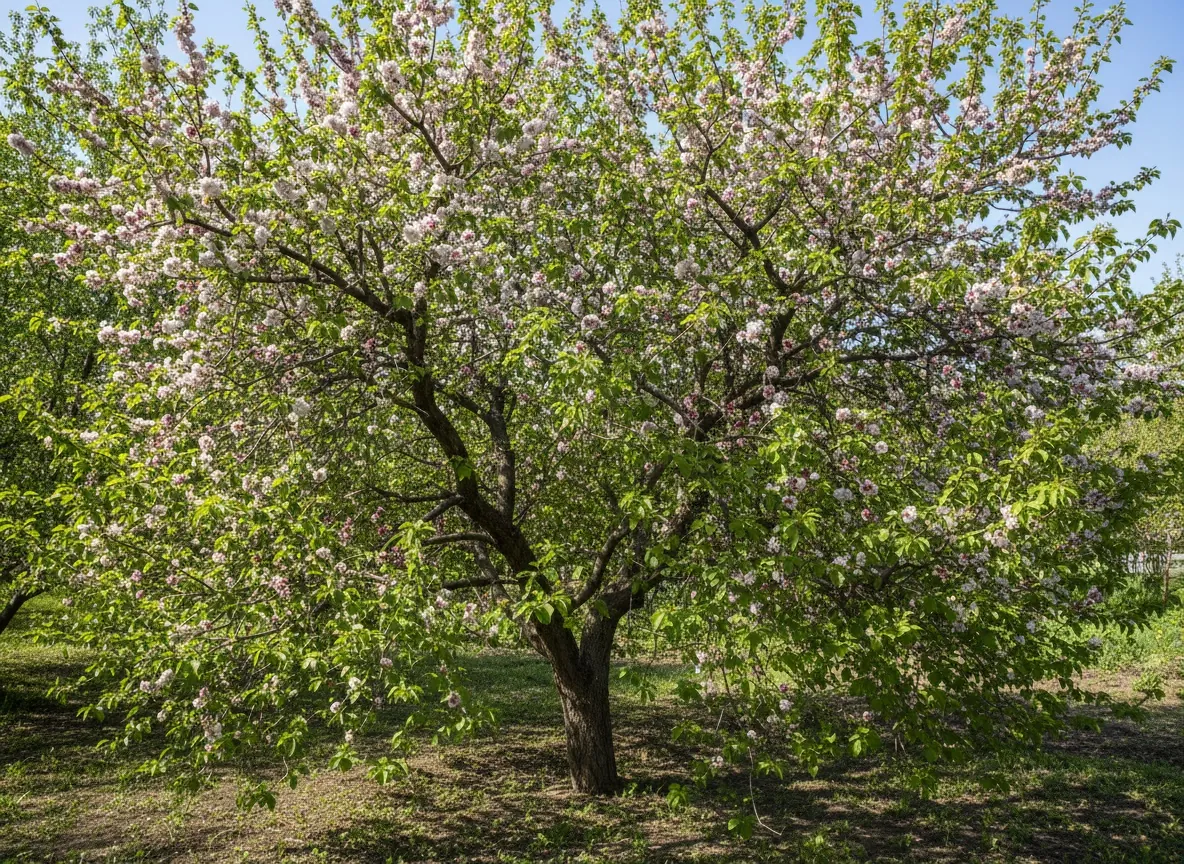
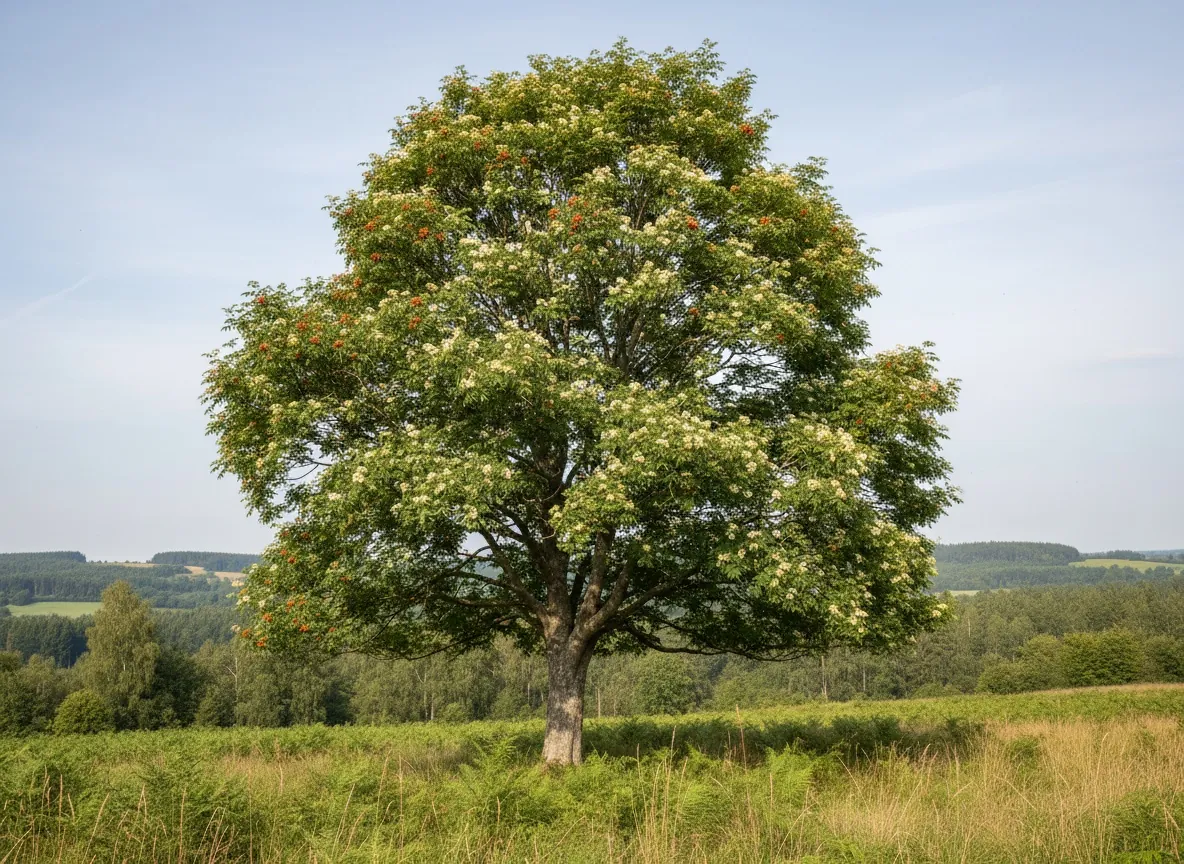
A small tree or large shrub with a spreading, fairly dense crown. The leaves are ovate, dark purple to reddish-brown from bud break until autumn — this is the cultivar's main asset. The flowers are single, pale pink, and open very early, before the leaves or together with them. The fruits are small, spherical, dark red drupes resembling small plums, edible, though some specimens set them sparingly.
Growing and care
Watering
Fairly drought-resistant once established. Young specimens and plants trained as a hedge need regular watering; it tolerates standing water poorly.
Fertilizing
Moderate doses — excess nitrogen weakens the intensity of the purple leaf colouring.
Planting
Tolerates most garden soils; for hedge growing plant more densely (every 100–120 cm), as a specimen much more loosely. It colours best in full sun.
Pruning
As a specimen, thinning out and removing diseased and crossing shoots is enough. Clip hedge forms once or twice per season to thicken the crown.
Companion plants
Good companions
Both shrubs flower in very early spring — the plum's purple shoots with pink blossom contrast beautifully with the golden forsythia.
The spring bulbs bloom beneath the still sparsely leafed crown, complementing the plum's early flowering display.
Bad companions
The walnut releases juglone into the soil — an allelopathic compound that inhibits the growth of stone-fruit trees, including the cherry plum.
Increased risk of verticillium wilt — a soil-borne fungal disease that infects both nightshades and stone-fruit trees growing in the same soil.
The evidence level indicates whether the relationship is backed by research, observation, or gardening tradition.
Toxicity
| For whom | Level | Notes |
|---|---|---|
| Humans | Mild | The stones, leaves and bark contain amygdalin, which releases small amounts of hydrogen cyanide. The flesh of ripe fruits is edible. |
| Dogs | Moderate | Eating larger amounts of stones or leaves can be dangerous. |
| Horses | Moderate | — |
History and origin
The cherry plum is one of the wild ancestors of the domestic plum and has long been valued as an early honey plant and as a rootstock for choice plum cultivars. The dark-leaved ornamental forms spread in Europe from the end of the 19th century — the cultivar 'Pissardii' was brought from Persia, where it was noticed by a gardener of French origin; 'Nigra' is its darker, abundantly flowering continuation.
Uses
Planted as an ornamental specimen on a lawn, in small gardens and along streets for a season-long purple accent. It is also excellent for colourful formal hedges — it tolerates clipping well and quickly thickens from the base.
Trivia
- The cherry plum is one of the parents of the cultivated domestic plum, which arose from its cross with the blackthorn.
- The purple leaf colour comes from anthocyanins — the same pigments give colour to red wine and many fruits.
- It is one of the earliest-flowering ornamental trees — the flowers can open as early as March, risking damage from late frosts.
Frequently asked questions
How does the ornamental cherry plum differ from a fruiting plum?
The cherry plum 'Nigra' is grown mainly for its dark purple leaves and early pink flowers, not for a crop. It sets small and not always abundant fruits. The domestic plum is a typical fruit tree with green leaves and larger, sweet fruits for preserves.
Can the fruits of the cherry plum be eaten?
Yes, the small cherry plum fruits are edible — they have a slightly tart, sour taste and are suitable for jams, jellies or liqueurs. However, you should not bite the stones or eat the leaves and bark, as they contain amygdalin, which releases hydrogen cyanide.
Why are the leaves of my cherry plum turning green?
The purple leaf colour develops best in full sun. At too shady a site the leaves take on a greenish-brown tone. The colour can also be weaker with excess nitrogen in the soil — it is worth limiting nitrogen fertilising.
Sources
- Plants of the World Online (POWO)Database (GBIF, POWO…)
- RHS — Prunus cerasifera 'Nigra'Institution / botanical garden
My note
A private note for this plant — saved in your browser.