In short
- A low, compact bedding and edging plant, usually 15–30 cm tall.
- Blooms abundantly from June until the first frosts.
- Small, fluffy flower clusters, most often blue or purple, less often pink and white.
- Grown in Poland exclusively as an annual — it does not overwinter outdoors.
- Tolerates pruning and regular deadheading of spent flowers well.
Botanical data
- Family
- Asteraceae (Asteraceae)
- Height
- 0.15–0.3 m
- Width
- 0.2–0.3 m
- Habit
- Clump-forming
- Growth rate
- Fast
- Position
- Full sun, Partial shade
- Soil
- Humus-rich, Loamy
- pH reaction
- pH 6–7
- Moisture
- Moderate
- Bloom
- June–October
- Hardiness
- —
- Propagation
- From seed
Characteristics
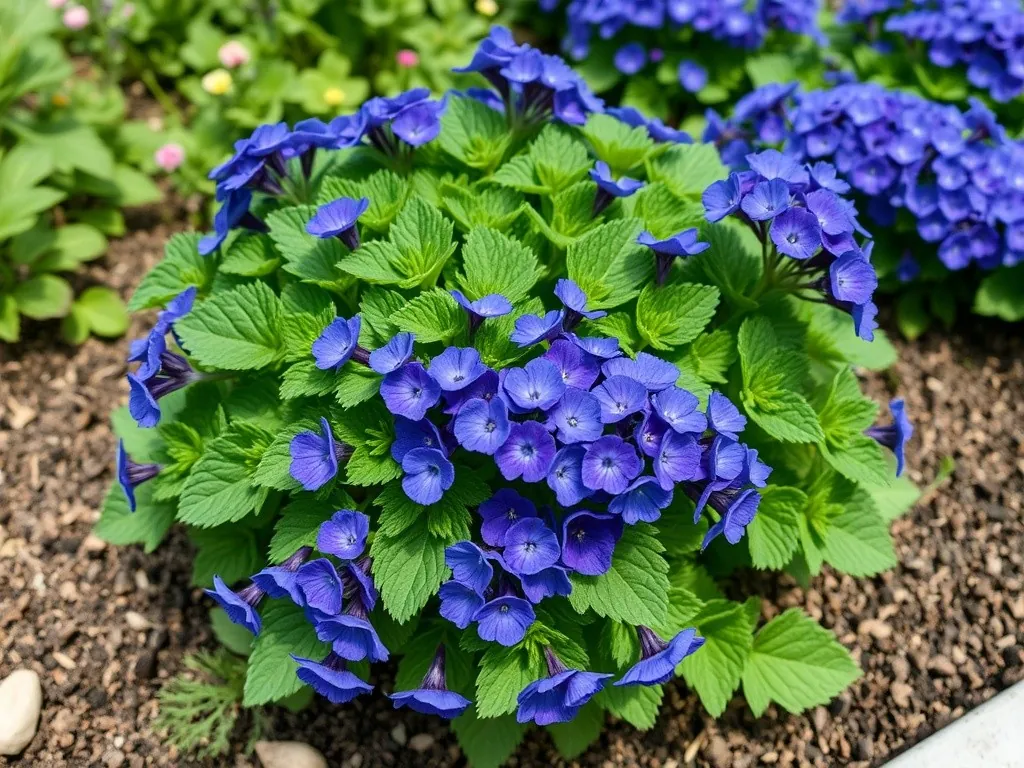
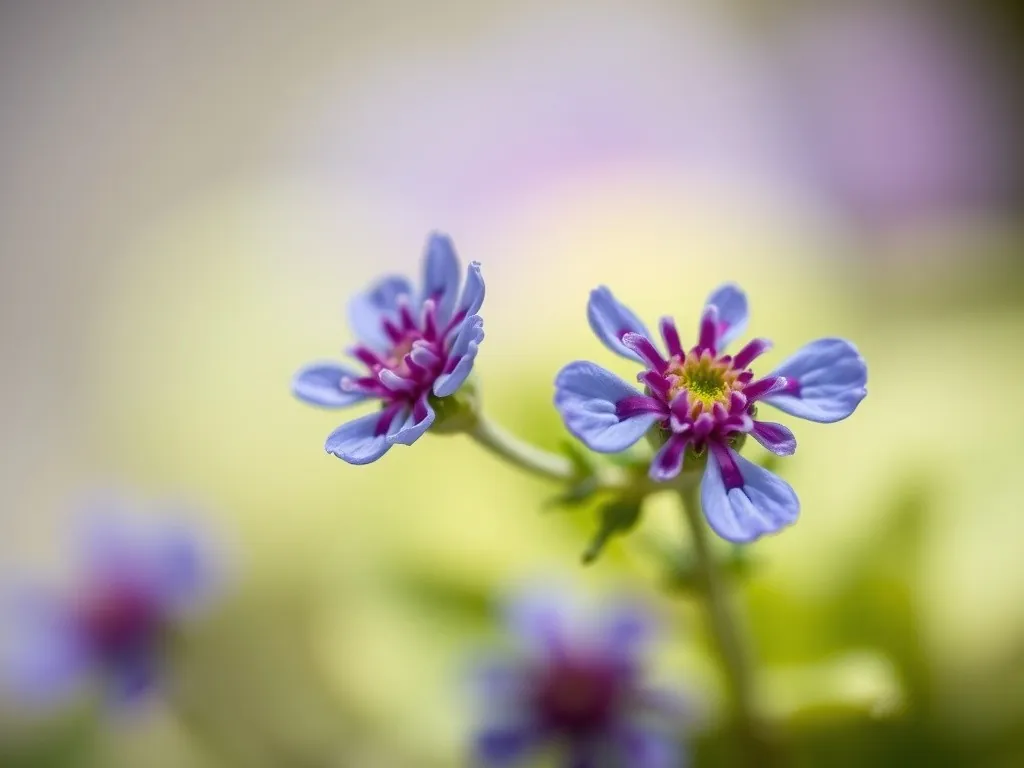
Forms compact, dome-shaped clumps of oval, slightly hairy leaves. The small flowers, without distinct petals, gathered into dense, fluffy corymbs, give the plant its characteristic, "mossy" appearance.
Growing and care
Watering
Needs regular watering, especially in pots and balcony boxes, which dry out quickly.
Fertilizing
According to the manufacturer's recommendation — regular, small doses support abundant, uninterrupted flowering.
Planting
Fertile, humus-rich soil; enrich with compost before planting out the seedlings.
Pruning
Remove spent flower clusters to encourage further, more abundant flowering.
Companion plants
Good companions
Similar light requirements and a long flowering period — a classic combination for annual beds and edgings.
Contrasting colours and habit with a similar flowering time fill summer beds and boxes well.
Bad companions
The tall sunflower shades the low flossflower and limits its access to light.
The evidence level indicates whether the relationship is backed by research, observation, or gardening tradition.
Toxicity
| For whom | Level | Notes |
|---|---|---|
| Humans | None | — |
| Dogs | None | — |
| Cats | None | — |
History and origin
Introduced into garden cultivation in Europe in the 19th century as an exotic plant brought from Mexico. It quickly gained popularity as an undemanding edging plant thanks to its long, uninterrupted flowering.
Uses
Ideal for bed edging, low balcony and container compositions, and as a filler plant in mixed summer plantings. Combines well with plants with contrasting, warm flower colours.
Trivia
- The genus name Ageratum comes from the Greek "a-geras" — "not ageing" — referring to the lasting quality of the flower colour.
- The blue cultivars are among the few annual plants with such a pure, cool shade of blue.
Frequently asked questions
Will flossflower survive the winter in the garden?
No — in the Polish climate it is exclusively an annual plant that dies with the first frosts. For the next season you need to sow again or buy new seedlings.
Why has my flossflower stopped flowering?
Most often this results from not regularly removing spent flower clusters, or from soil that is too dry in the pot — both are worth checking first.
Is flossflower suitable for balcony boxes?
Yes, thanks to its low, compact habit and long flowering period it is one of the more popular balcony plants, though in pots it needs more frequent watering than in the ground.
Sources
- Plants of the World Online (POWO)Database (GBIF, POWO…)
- Missouri Botanical Garden — Plant Finder: Ageratum houstonianumInstitution / botanical garden
My note
A private note for this plant — saved in your browser.