In short
- Site: sun or partial shade, fertile and moist soil.
- Very cold-resistant — flowers in early spring, and mild-weather cultivars also in autumn and winter.
- Requires regular deadheading of spent flowers to prolong flowering.
- Does not tolerate drought — needs consistently moist soil.
- Combines excellently with bulbs (tulips, daffodils) in spring beds.
Botanical data
- Family
- Violaceae (Violaceae)
- Height
- 0.15–0.25 m
- Width
- 0.2–0.3 m
- Habit
- Clump-forming
- Growth rate
- Moderate
- Position
- Full sun, Partial shade
- Soil
- Humus-rich, Loamy
- pH reaction
- pH 5.5–7
- Moisture
- Moderate, Moist
- Bloom
- September–May
- Hardiness
- USDA 4a–8b
- Propagation
- From seed, From cuttings
Characteristics
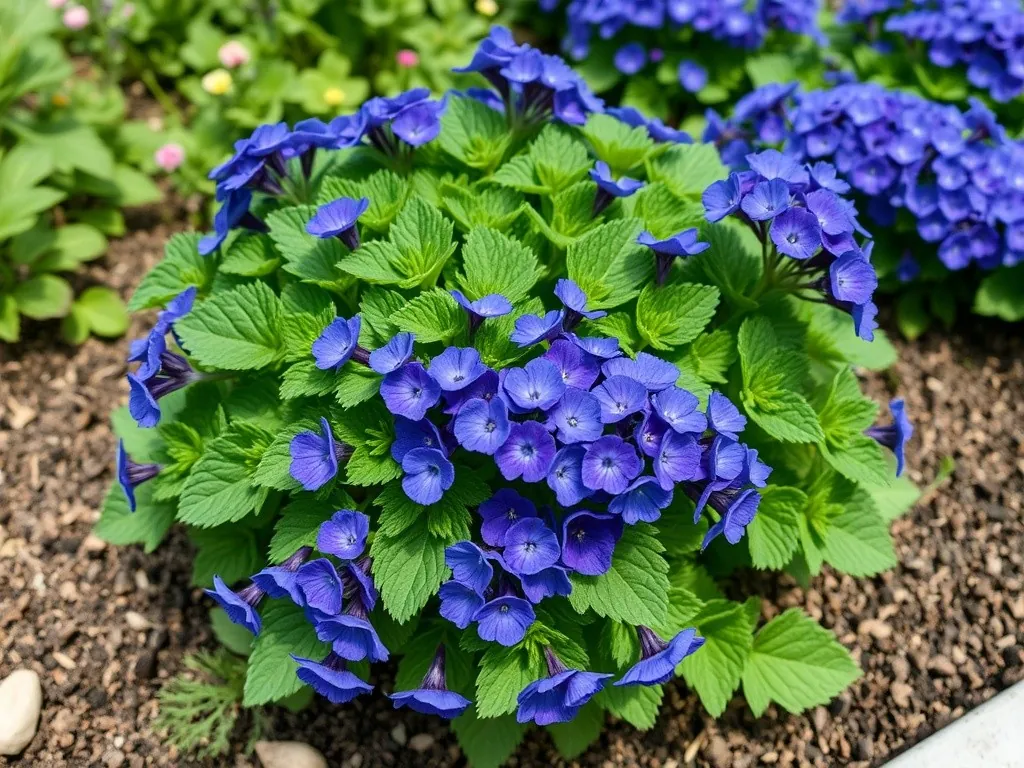
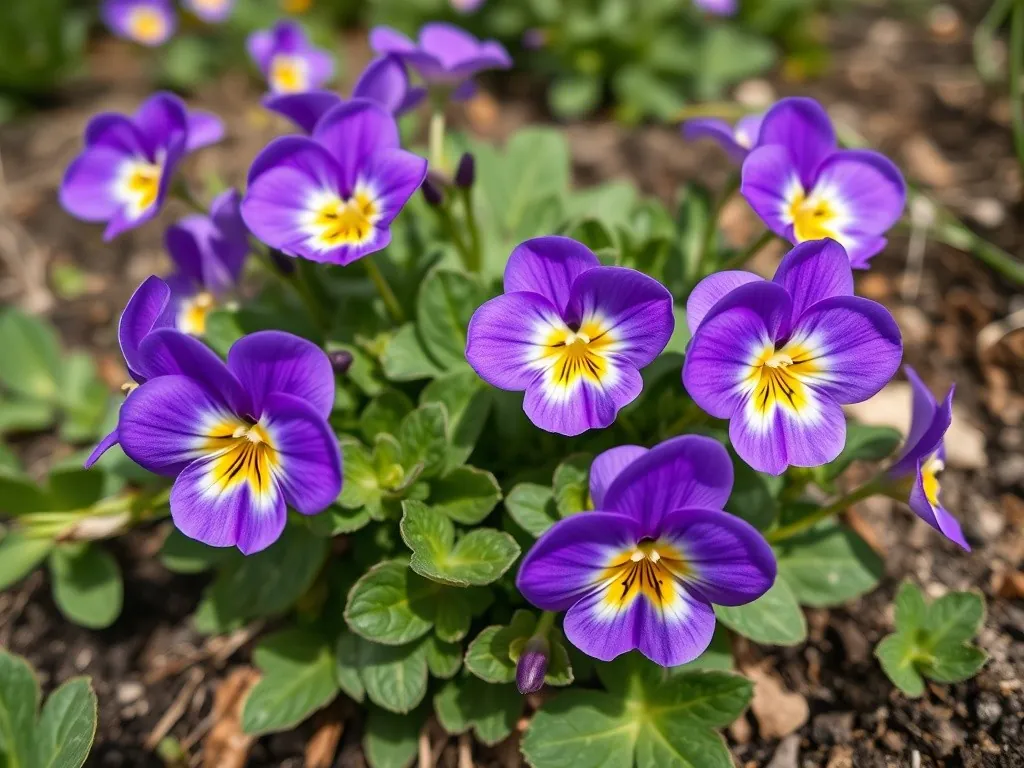
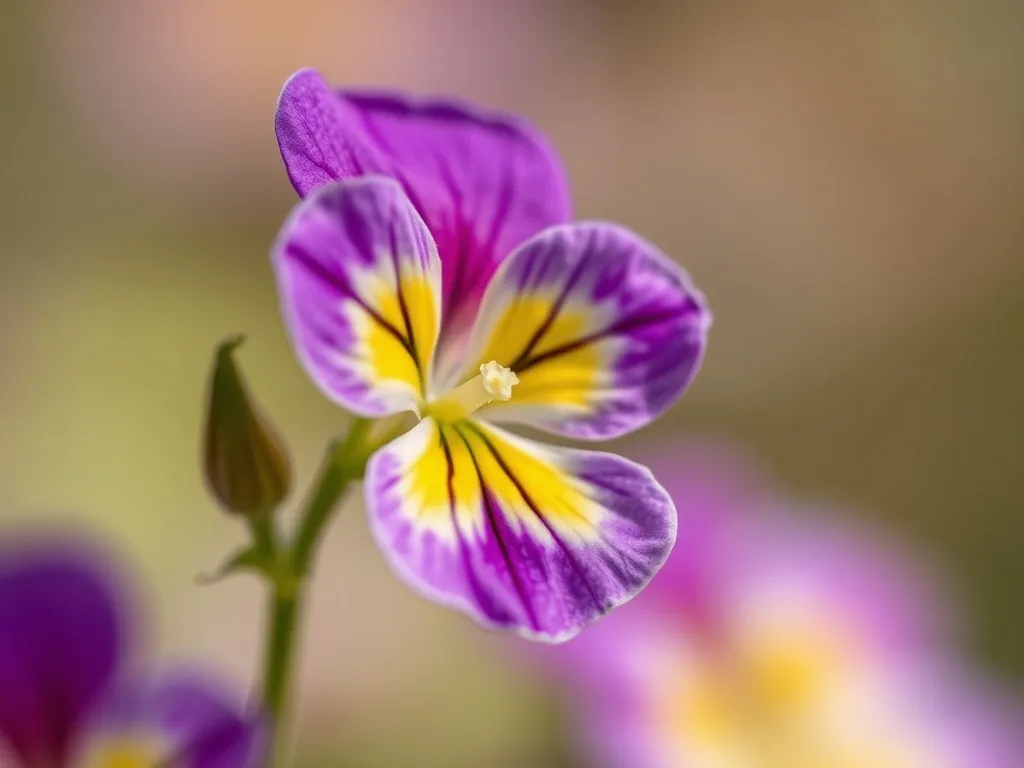
Forms low, compact clumps of ovate to heart-shaped leaves. The characteristic, flat, five-petalled flowers reach 4–8 cm in diameter and often have contrasting, dark "faces" at the centre.
Growing and care
Watering
Needs consistently moist, but not wet, soil. In winter, when the plant is growing in the ground, water only during a frost-free thaw.
Fertilizing
Diluted according to the instructions; reduce fertilising in deep winter, when growth slows down.
Planting
Fertile, well-drained, humus-rich soil enriched with compost.
Pruning
Regularly remove spent flowers and elongated, leggy shoots, which prolongs flowering and thickens the plant.
Companion plants
Good companions
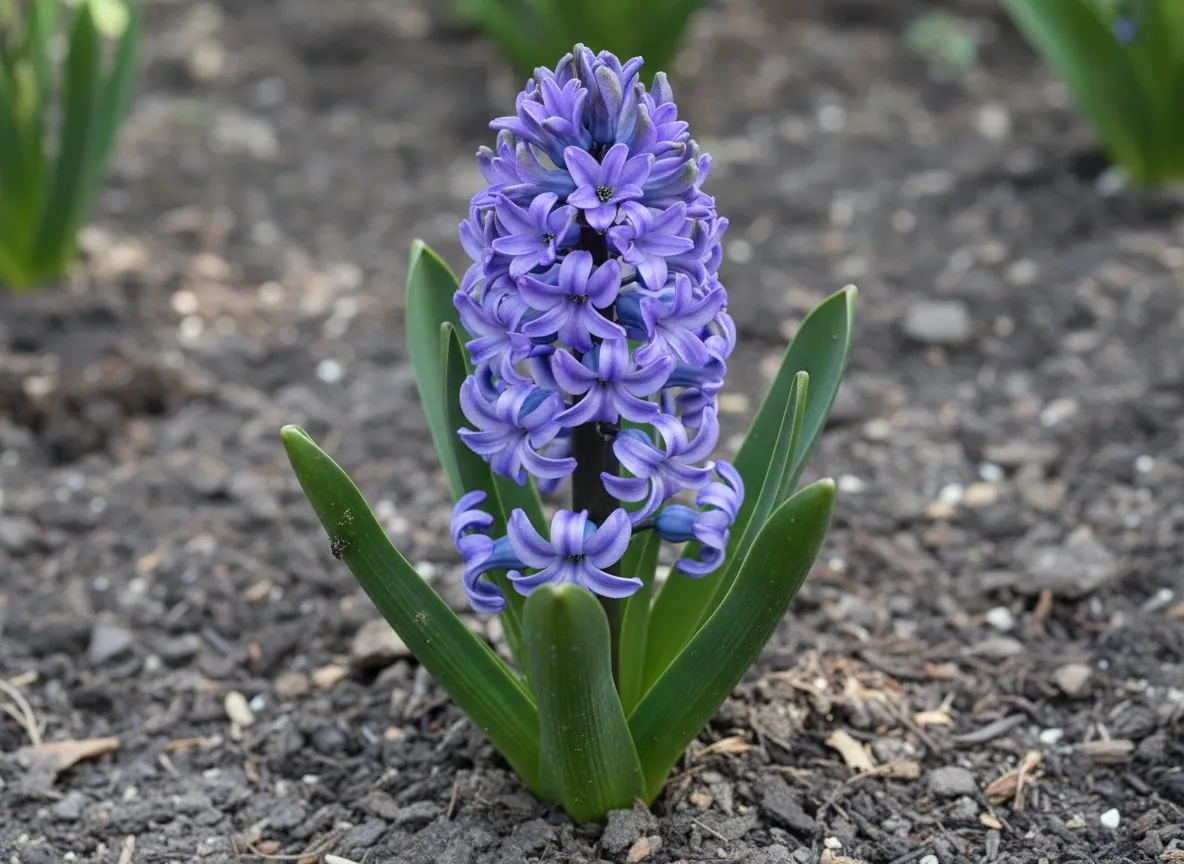
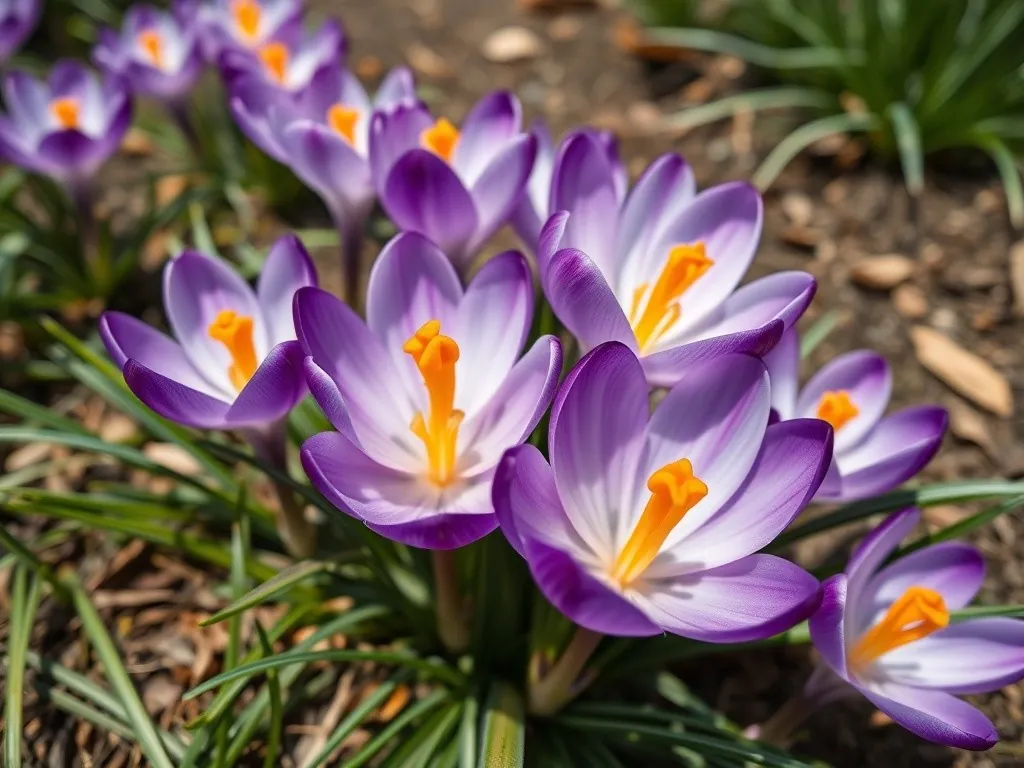
Planting bulbs and pansies together creates a multi-layered spring bed — pansies flower while the daffodils are only just emerging.
A classic spring combination — pansies fill the ground cover beneath tulips and flower longer than the bulbs.
Bad companions
Pansy needs consistently moist soil, which poses a risk of root rot for drought-loving plants.
The evidence level indicates whether the relationship is backed by research, observation, or gardening tradition.
Toxicity
| For whom | Level | Notes |
|---|---|---|
| Humans | None | The flowers are edible and are sometimes used to decorate dishes. |
| Dogs | None | — |
| Cats | None | — |
History and origin
Garden pansy was bred in 19th-century England and Scotland by crossing several European species of violet, including the common wild pansy. The name "stiefmütterchen" (little stepmother) in Germanic languages refers to the arrangement of the petals, which resembles fairy-tale characters.
Uses
For seasonal beds, edging, pots and balcony boxes, especially as a filler plant for the period before and after bulb flowering.
Trivia
- Some pansy cultivars withstand frosts down to -10°C and flower even under snow during a thaw.
- Pansy flowers are edible and have a delicate, slightly grassy taste.
Frequently asked questions
Will pansies survive the winter in the garden?
Yes, many cultivars are frost-hardy and simply pause their growth during frosts, resuming flowering at the first warm spell in spring.
Why do my pansies get leggy and flower less in summer?
Pansy does not like heat — at high temperatures it reduces flowering and becomes leggy. It is a cool-season plant and looks its best in spring, autumn and mild winter.
How often should you plant new pansies?
Typically twice a year: in autumn (for winter–spring flowering) and in early spring (for flowering until early summer), since the plant loses its ornamental appeal during the hot months.
Sources
- Plants of the World Online (POWO) — Viola × wittrockianaDatabase (GBIF, POWO…)
- RHS — Viola (pansy) growing guideInstitution / botanical garden
My note
A private note for this plant — saved in your browser.