In short
- Site: full sun to light shade, moist and well-drained soil.
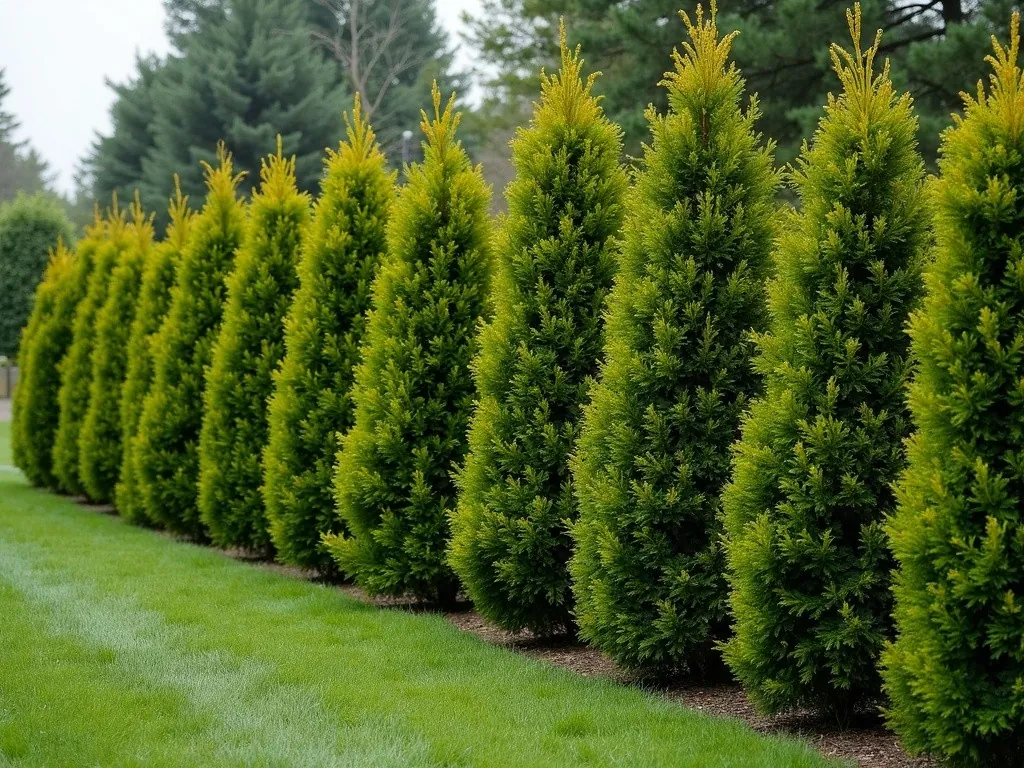
- Takes formal pruning very well — one of the principal hedging species.
- Sensitive to both drying out and waterlogging.
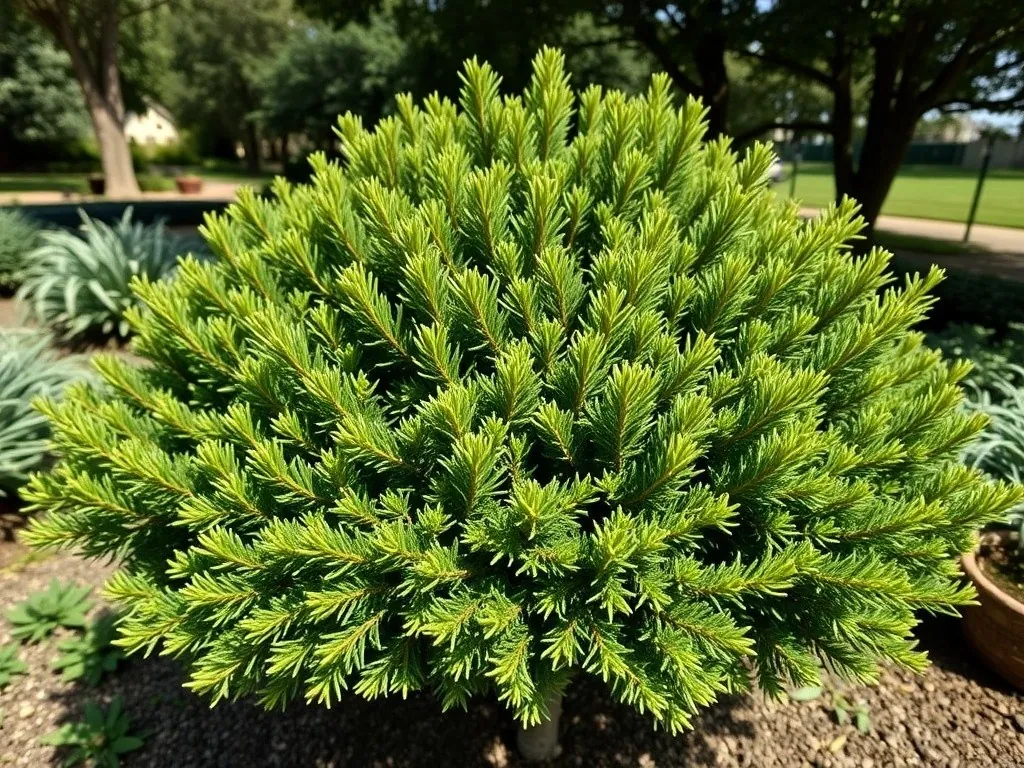
- Hundreds of garden cultivars differing in colour (green, gold, bluish) and habit.
- Crushed, scale-like needles release a characteristic resinous scent.
Botanical data
- Family
- Cupressaceae (Cupressaceae)
- Height
- 2–6 m
- Width
- 1–2.5 m
- Habit
- Conical
- Growth rate
- Moderate
- Position
- Full sun, Partial shade
- Soil
- Humus-rich, Loamy
- pH reaction
- pH 5.5–7
- Moisture
- Moderate, Moist
- Bloom
- March–April
- Hardiness
- USDA 5b–8a
- Propagation
- From cuttings, From seed
Characteristics
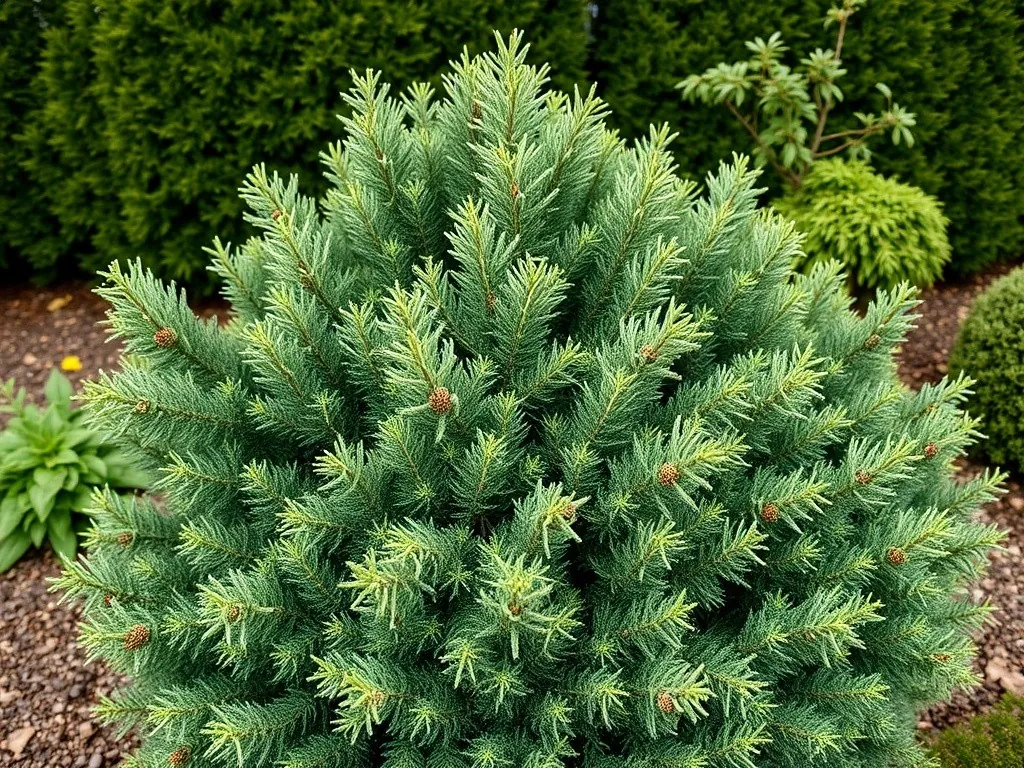
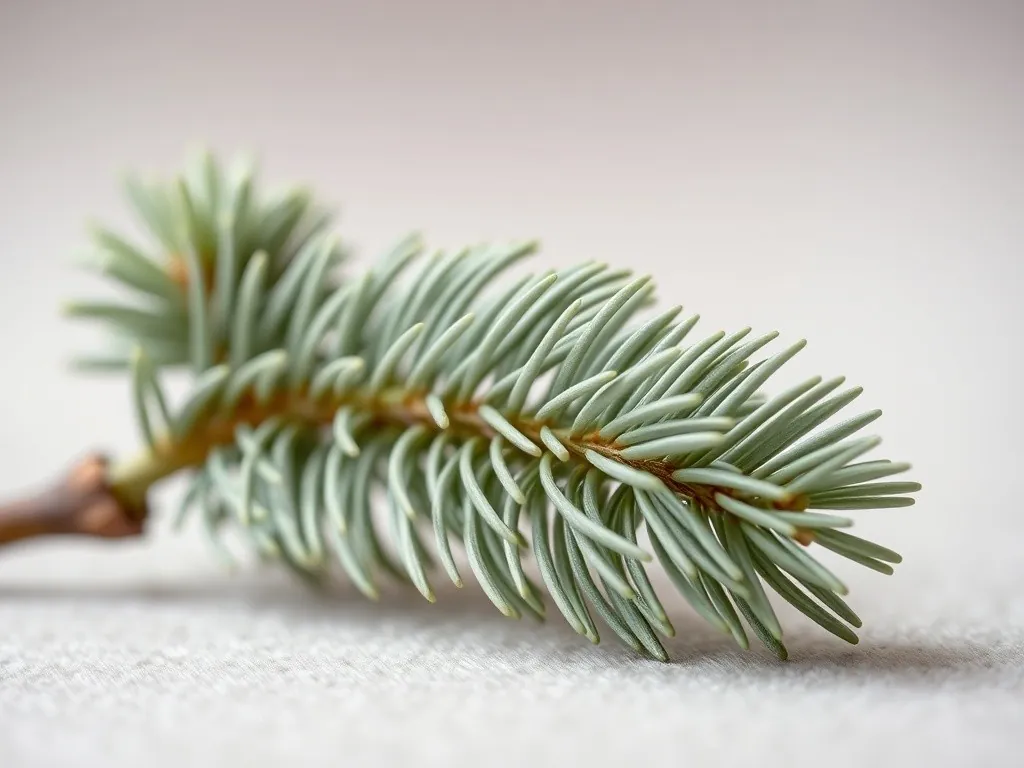
It forms a dense, conical crown of flat, fan-arranged branchlets covered with small, scale-like needles. The bark is reddish-brown, longitudinally fissured. Small cones ripen in the autumn of their first year.
Growing and care
Watering
Needs consistently moist but well-drained soil. Both drying out and waterlogging (which favours Phytophthora root rot) are dangerous for it.
Fertilizing
Moderate doses — excess nitrogen loosens the habit and weakens winter hardiness.
Planting
Fertile, humus-rich soil with good drainage; avoid waterlogged sites where root rot easily develops.
Pruning
Regularly shorten young growth to maintain a dense, compact habit — the species takes pruning well.
Companion plants
Good companions
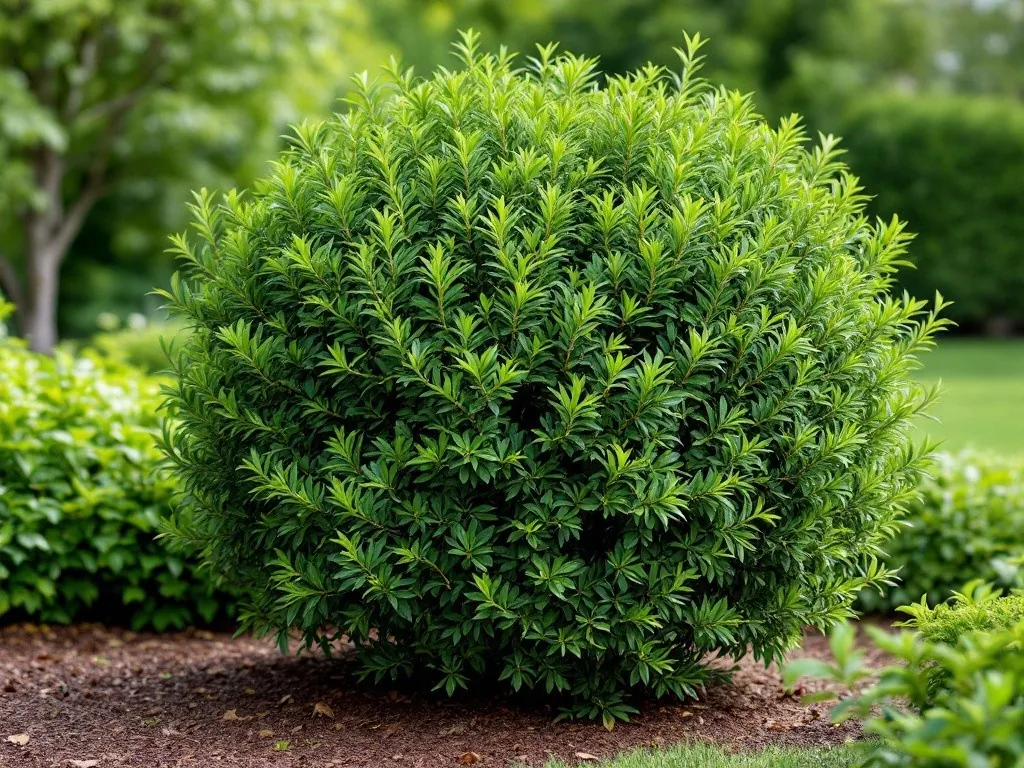
Both are evergreen conifers that take formal pruning well — a classic combination in hedges with varied texture.
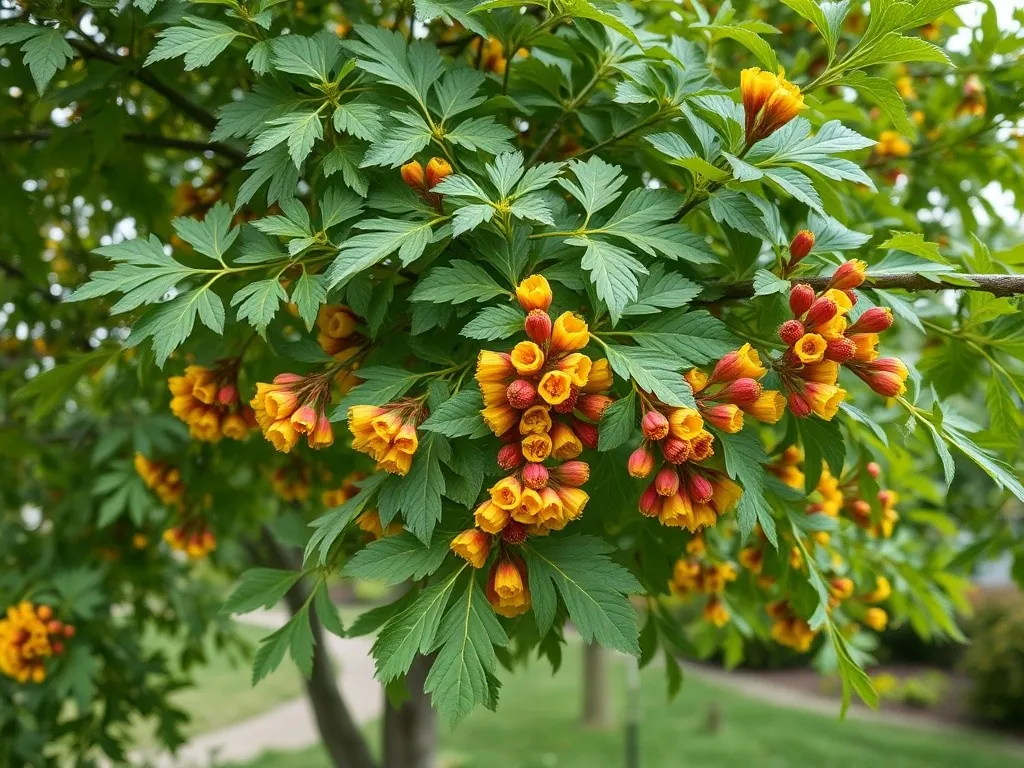
The contrasting, colourful foliage of ninebark pairs well with the uniform green of the cypress, and both tolerate similarly moist soil.
Bad companions
Lavender needs dry, well-drained, alkaline soil — the exact opposite of the moist, slightly acidic site preferred by the cypress.
The evidence level indicates whether the relationship is backed by research, observation, or gardening tradition.
Toxicity
| For whom | Level | Notes |
|---|---|---|
| Humans | None | — |
| Dogs | None | — |
History and origin
Discovered in the mid-19th century in the coastal mountains of Oregon and California, it quickly reached European gardens and nurseries, where hundreds of ornamental cultivars were bred from it — today it is one of the most popular hedging conifers on the continent.
Uses
The principal species for formal hedges and hedgerows, while dwarf and coloured cultivars serve as accents in rock gardens and conifer beds. Also performs well as a specimen in parks.
Trivia
- Over 200 garden cultivars have been bred from it, differing in needle colour (from gold to blue-grey) and habit — from columnar to dwarf and rounded.
- In its natural range in the USA the trees reach as much as 60 metres in height, while garden cultivars remain shrubby.
Frequently asked questions
Why does Lawson's cypress turn brown from the inside?
Usually this is the natural shedding of the oldest, inner needles. If the shoot tips also turn brown, the cause is often drying out, waterlogging, or Phytophthora root rot, to which the species is rather sensitive.
How often should Lawson's cypress be trimmed as a hedge?
1–2 trims a season are enough, done in summer while the growth is still green and soft. It's important not to cut into old, leafless wood, as the plant will not regrow from it.
Does Lawson's cypress tolerate drought?
Not particularly well — unlike many other conifers it prefers consistently moist soil and suffers during prolonged dry spells, especially in the first few years after planting.
Sources
- Plants of the World Online (POWO) — Chamaecyparis lawsonianaDatabase (GBIF, POWO…)
- RHS — Chamaecyparis lawsonianaInstitution / botanical garden
My note
A private note for this plant — saved in your browser.