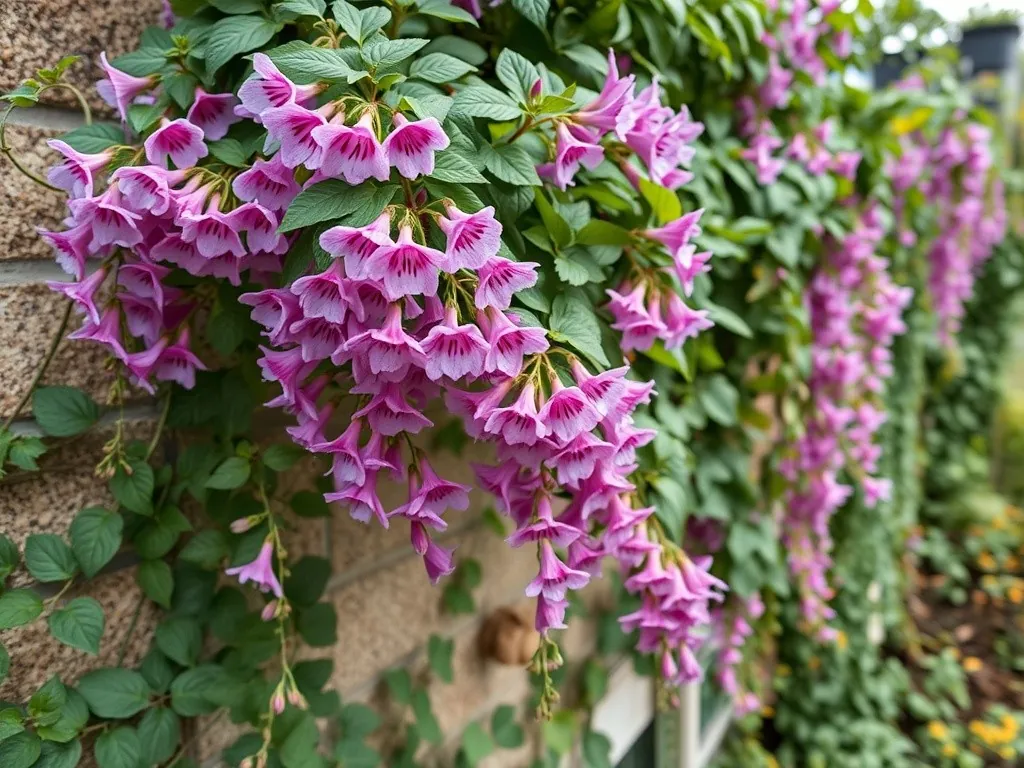
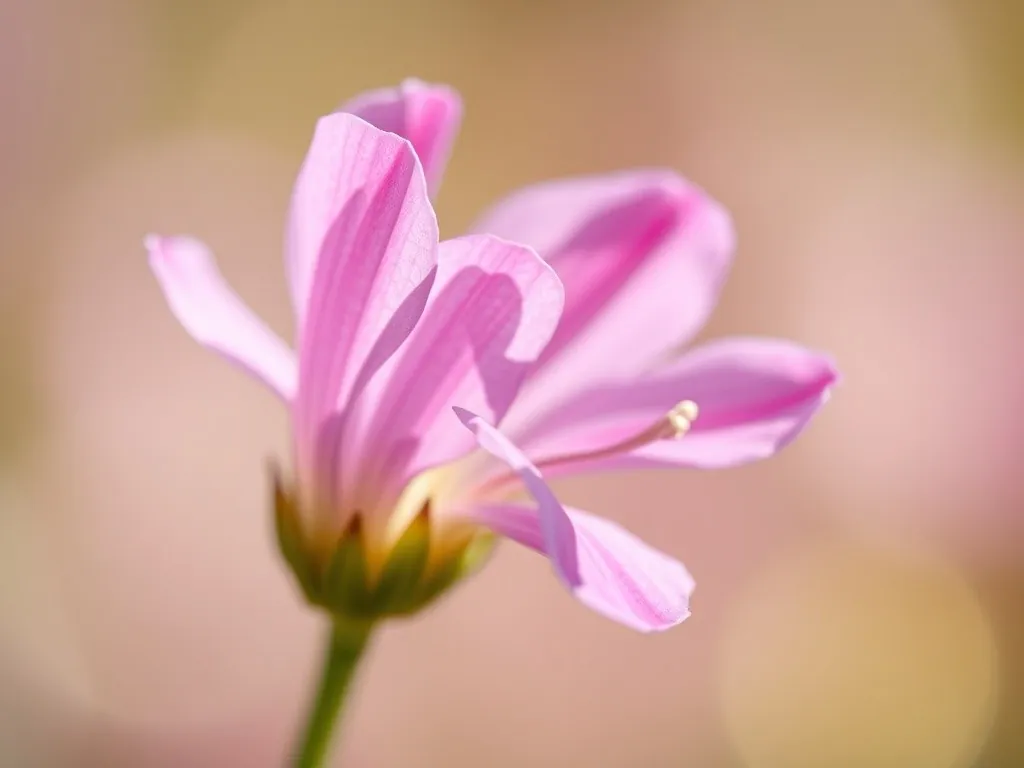
In short
- An annual plant — sown afresh each year and needs netting or canes to climb.
- The flowers have an exceptionally intense fragrance — one of the most prized scents in the summer garden.
- Regularly cutting flowers for bouquets extends the flowering period.
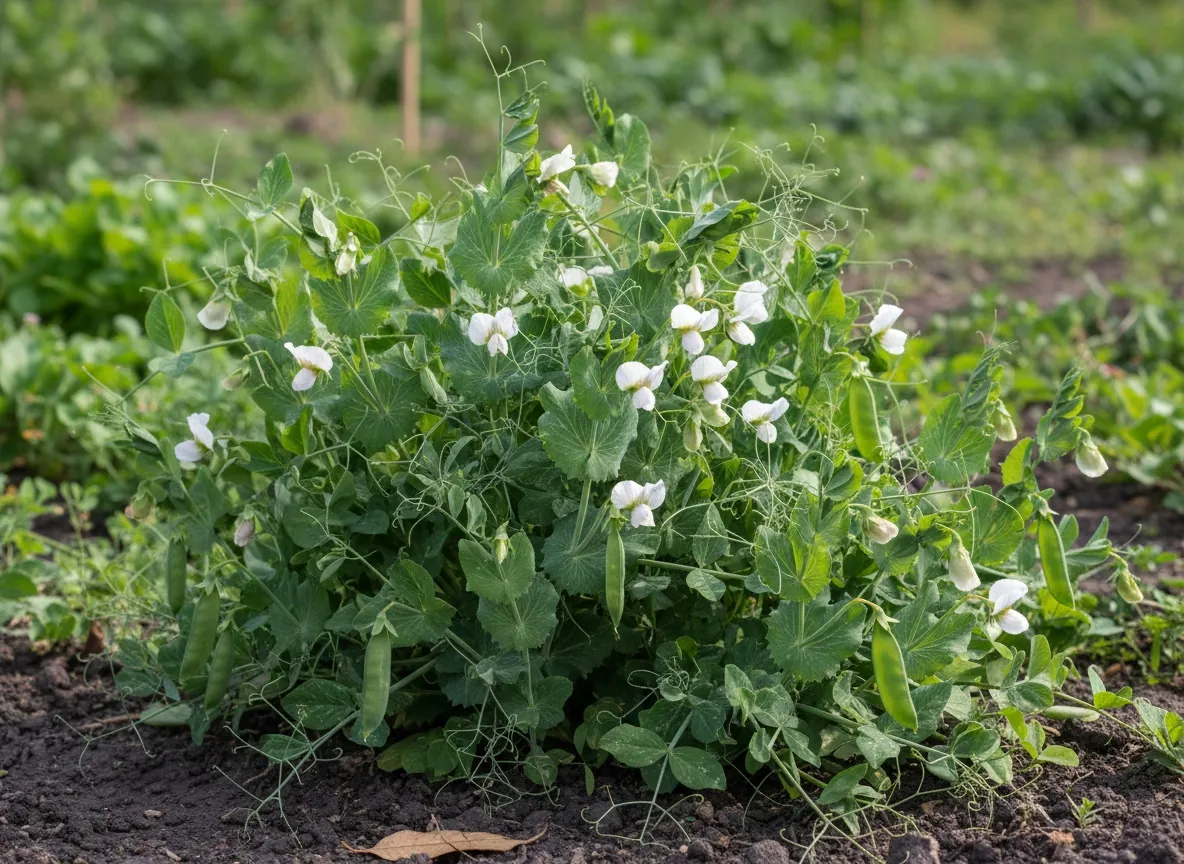
- The seeds are toxic — not to be confused with the edible garden pea (Pisum sativum), a plant of a different genus.
- Prefers a cool, moist root zone and a sunny position for the shoots.
Botanical data
- Family
- Fabaceae (Fabaceae)
- Height
- 1.5–2.5 m
- Width
- 0.3–0.5 m
- Habit
- Cascading
- Growth rate
- Fast
- Position
- Full sun, Partial shade
- Soil
- Loamy, Humus-rich
- pH reaction
- pH 6–7.5
- Moisture
- Moderate
- Bloom
- June–September
- Hardiness
- —
- Propagation
- From seed
Characteristics
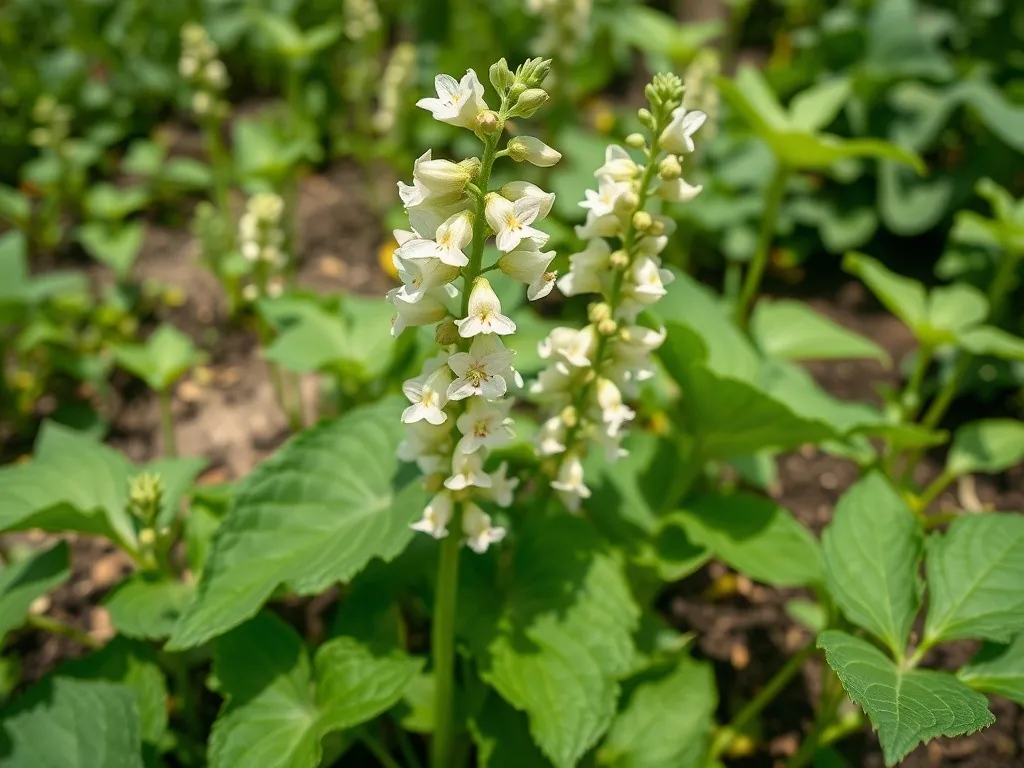
Thin, angular stems climb using branched tendrils at the tips of the pinnate leaves. The pea-shaped flowers, gathered several to a long stalk, appear in a rich palette of colours — from white, through pink and purple, to dark red — and are prized for their exceptionally strong, sweet fragrance.
Growing and care
Watering
Regular watering and mulching the base keep the soil cool and moist, which extends the flowering period during hot summers.
Fertilizing
Avoid excess nitrogen — it promotes leaf growth at the expense of flowering.
Planting
Before sowing, soak the seeds overnight in water to speed up germination; provide netting or canes for climbing right from the start.
Pruning
Regularly remove spent flowers and forming pods, which encourages the plant to produce further buds.
Companion plants
Good companions
The tall, sturdy stems of the sunflower can serve as a natural, living support for the sweet pea's tendrils.
Similar cultivation requirements, although they are different species — best planted separately to avoid mix-ups at harvest, since sweet pea seeds are toxic.
Bad companions
Strong competition for light and space on the netting or canes limits the flowering of both plants.
The evidence level indicates whether the relationship is backed by research, observation, or gardening tradition.
Toxicity
| For whom | Level | Notes |
|---|---|---|
| Humans | Moderate | The seeds contain the amino acid beta-ODAP, which with regular consumption of larger amounts can cause lathyrism (damage to the nervous system) — not to be confused with the edible garden pea (Pisum sativum), to which the sweet pea is not closely related despite the similar name. |
| Dogs | Moderate | — |
| Cats | Moderate | — |
History and origin
Introduced into cultivation at the end of the 17th century, when the Sicilian monk Franciscus Cupani sent seeds to England. It gained enormous popularity in the Victorian era, when English breeders, especially Henry Eckford, developed hundreds of cultivars with larger flowers and a wider colour range than the wild form.
Uses
For planting on netting, canes and low fences in flower gardens, as well as growing in large pots on balconies and terraces. An excellent cut flower for fragrant summer bouquets.
Trivia
- Despite the name and the similarity of the flowers, the sweet pea (genus Lathyrus) is not closely related to the edible garden pea (genus Pisum) — its seeds are toxic and unsuitable for consumption.
- In the Victorian era, sweet pea bouquets were one of the most popular cut flowers in England, and the annual exhibitions of new cultivars attracted crowds.
Frequently asked questions
Why has my sweet pea stopped flowering in mid-summer?
The most common cause is leaving spent flowers on the plant, which then set seed pods — the plant then assumes it has fulfilled its biological purpose and reduces further flowering. Regularly cutting flowers for bouquets before pods form significantly extends the flowering season.
Can you eat sweet pea seeds?
No. Despite the misleading name and its resemblance to the edible garden pea (Pisum sativum), the sweet pea belongs to a different genus (Lathyrus), and its seeds are toxic — regular consumption of larger amounts can cause lathyrism, a serious disorder of the nervous system.
When should you sow sweet peas?
Best in early spring, in March–April, directly into the ground after the last frosts or under cover, or already in February into pots for seedlings and earlier flowering. Soaking the seeds overnight before sowing speeds up and evens out germination.
Sources
- Plants of the World Online (POWO)Database (GBIF, POWO…)
- RHS — Lathyrus odoratusInstitution / botanical garden
My note
A private note for this plant — saved in your browser.