In short
- Site: full sun, fertile, warm soil with no standing water.
- Sown directly outdoors in May, after the last frosts.
- Thanks to symbiosis with Rhizobium bacteria, it enriches the soil with nitrogen.
- Raw seeds are toxic — they must be cooked before eating.
- Do not plant near onions and garlic — they weaken nitrogen fixation.
Botanical data
- Family
- Fabaceae (Fabaceae)
- Height
- 0.3–3 m
- Width
- 0.3–0.6 m
- Habit
- Upright
- Growth rate
- Fast
- Position
- Full sun
- Soil
- Humus-rich, Loamy
- pH reaction
- pH 6–7.5
- Moisture
- Moderate
- Bloom
- June–August
- Hardiness
- —
- Propagation
- From seed
Characteristics
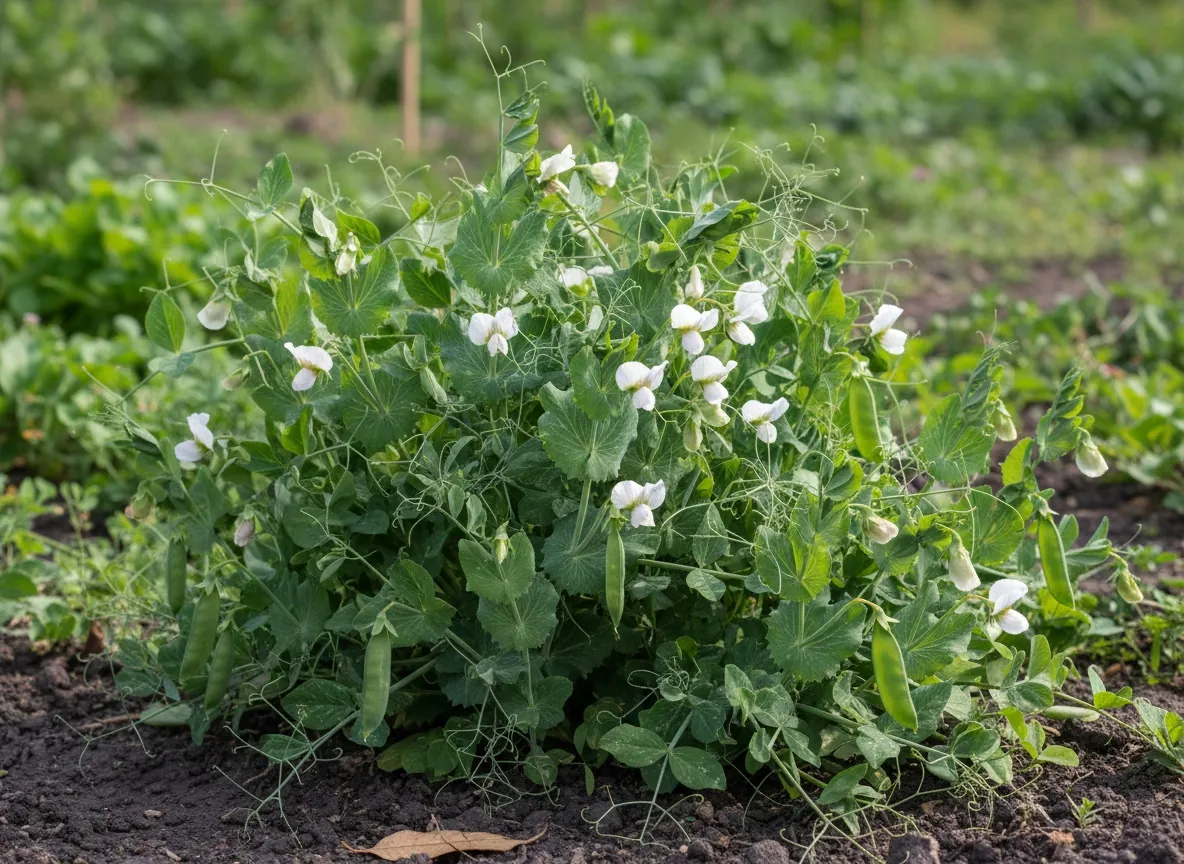
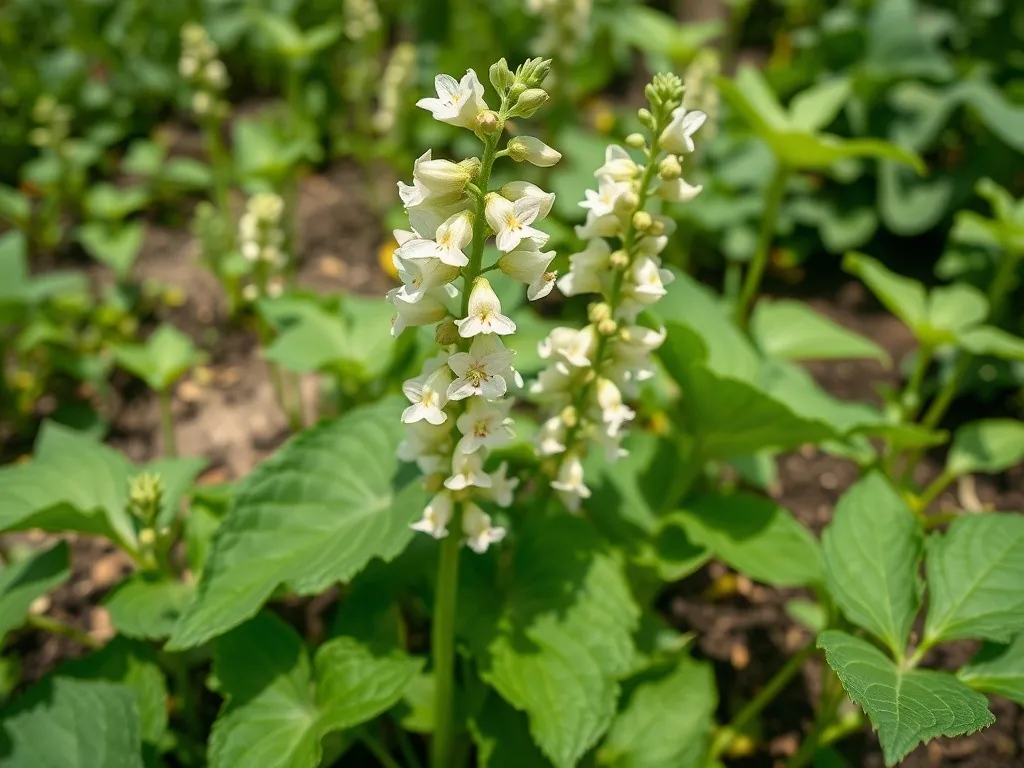
Depending on the cultivar, it forms compact bushes (dwarf/bush bean, up to about 40–50 cm) or long shoots that twine around supports (climbing/pole bean, up to 3 m). The leaves are trifoliate, the butterfly-shaped flowers white, pink or purple, giving rise to straight or slightly curved pods.
Growing and care
Watering
Soil moisture during flowering and pod set is critical — a shortage causes the flowers to drop.
Fertilizing
Avoid excess nitrogen — the bean fixes its own from the air thanks to nodule bacteria, and excess nitrogen in the soil limits this symbiosis.
Planting
Dug-over soil with no fresh manure; climbing (pole) cultivars need supports or stakes set up beforehand.
Pruning
Shorten the tips of excessively vigorous shoots, directing the plant's energy into pod formation.
Companion plants
Good companions
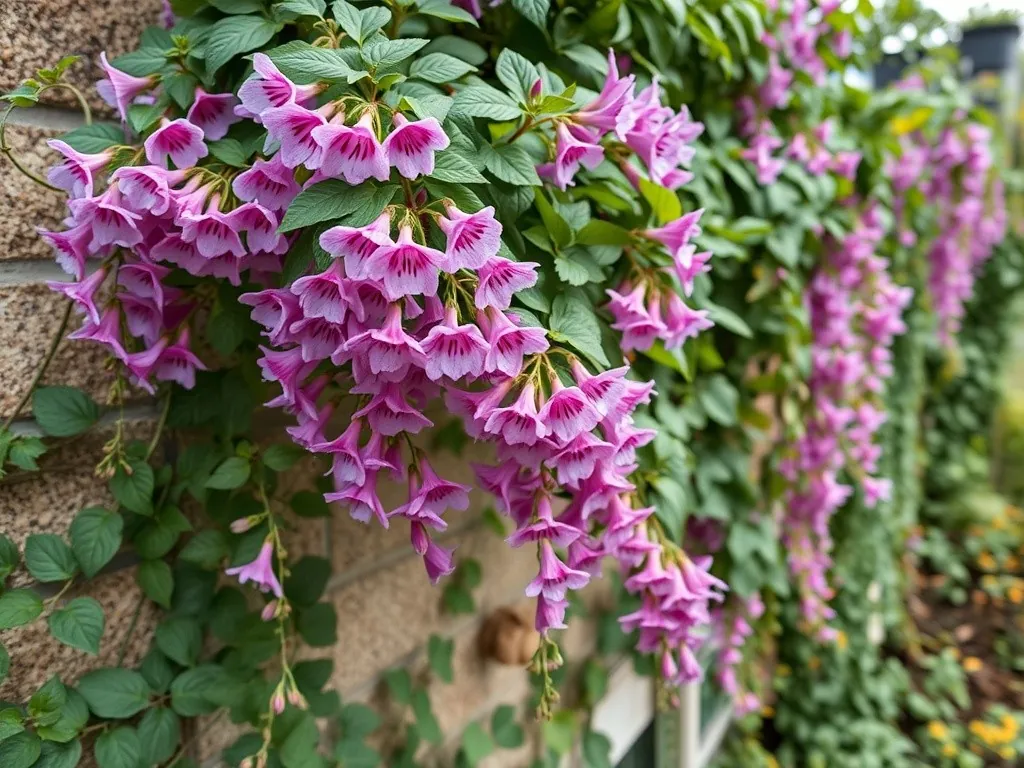
Beans fix atmospheric nitrogen through cooperation with Rhizobium nodule bacteria, enriching the soil for cucumbers, which have high nutrient needs.
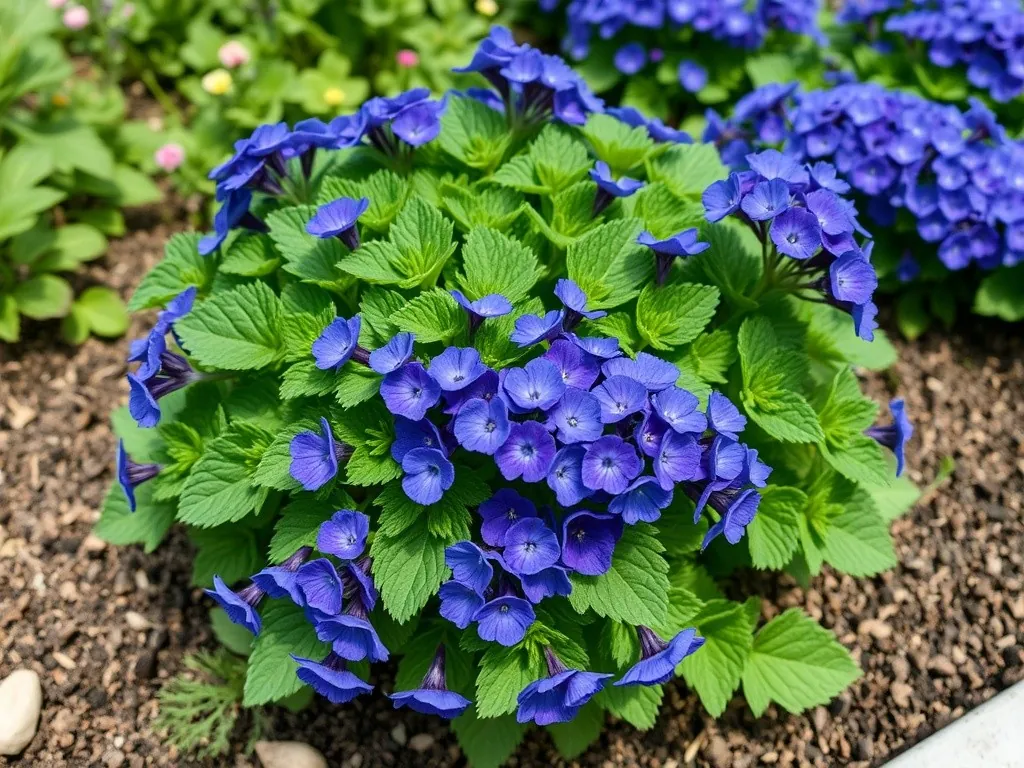
As with cucumbers, the nitrogen fixed by beans supports the vigorously growing courgette, and both plants have similar water requirements.
Bad companions
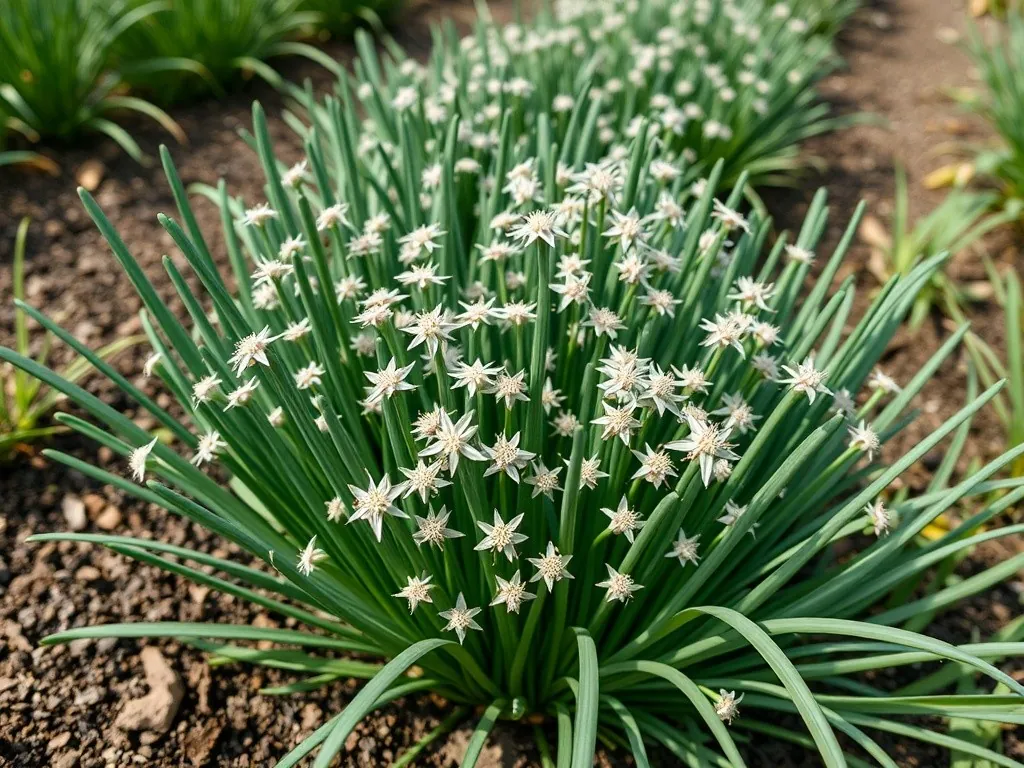
Onion and other onion-family plants (Allium) release compounds into the soil that inhibit Rhizobium nodule bacteria, weakening the bean's ability to fix nitrogen — a documented allelopathic effect.
The same allelopathic mechanism as with onion — garlic limits the activity of nodule bacteria in the bean's root zone.
The evidence level indicates whether the relationship is backed by research, observation, or gardening tradition.
Toxicity
| For whom | Level | Notes |
|---|---|---|
| Humans | Moderate | Raw seeds contain phytohaemagglutinin, a toxic lectin that causes gastrointestinal upset; cooking fully neutralises this hazard. |
| Dogs | Moderate | Raw beans can cause poisoning similar to that in humans; cooked and given in moderate amounts, they are safe. |
| Cats | Moderate | — |
History and origin
Domesticated independently in Mesoamerica and in the Andes several thousand years ago, it formed the dietary foundation of indigenous American cultures alongside maize and squash (the so-called "three sisters"). It reached Europe following the colonial voyages of the 16th century.
Uses
A popular legume vegetable grown in home gardens and allotments, both for pods (green/snap beans) and for dry seeds stored over winter.
Trivia
- The "three sisters" growing method (maize, bean, squash) used by indigenous peoples of North America relied on the bean as a natural nitrogen fertiliser for the other plants.
- Pole beans can climb a support up to 3–4 metres in height within a single season.
Frequently asked questions
Why can't beans be eaten raw?
Raw bean seeds contain phytohaemagglutinin — a lectin that causes nausea, vomiting and diarrhoea. Adequate cooking (at least 10 minutes of boiling) fully neutralises this toxin, making the beans safe to eat.
What is the difference between bush beans and pole beans?
Bush beans form a low, compact plant up to about 40–50 cm and need no support, cropping earlier but for a shorter period. Pole beans climb stakes or netting up to 3 metres, cropping for longer and more abundantly, but require a support structure.
Why is it worth planting beans next to cucumbers or courgettes?
Beans live in symbiosis with Rhizobium nodule bacteria, which fix atmospheric nitrogen and enrich the soil with it. Cucumbers and courgettes have high nitrogen demands and benefit from this neighbourhood — unlike onions and garlic, which weaken this symbiosis.
Sources
- Plants of the World Online (POWO) — Phaseolus vulgarisDatabase (GBIF, POWO…)
- Missouri Botanical Garden — Phaseolus vulgarisInstitution / botanical garden
My note
A private note for this plant — saved in your browser.