In short
- Position: the brightest in the home; it tolerates a few hours of direct sun.
- Water rarely and thoroughly — only after the substrate has dried out completely.
- It does not tolerate water in the saucer; overwatering ends in trunk rot.
- A trunk that is too tall can be cut through — new rosettes will break below the cut.
- The leaves contain saponins, mildly irritating to people and animals.
Botanical data
- Family
- Asparagaceae (Asparagaceae)
- Height
- 1–3 m
- Width
- 0.6–1.5 m
- Habit
- Upright
- Growth rate
- Moderate
- Position
- Full sun, Partial shade
- Soil
- Sandy, Humus-rich
- pH reaction
- pH 6–7.5
- Moisture
- Dry, Moderate
- Bloom
- —
- Hardiness
- —
- Propagation
- From cuttings, By layering
Characteristics
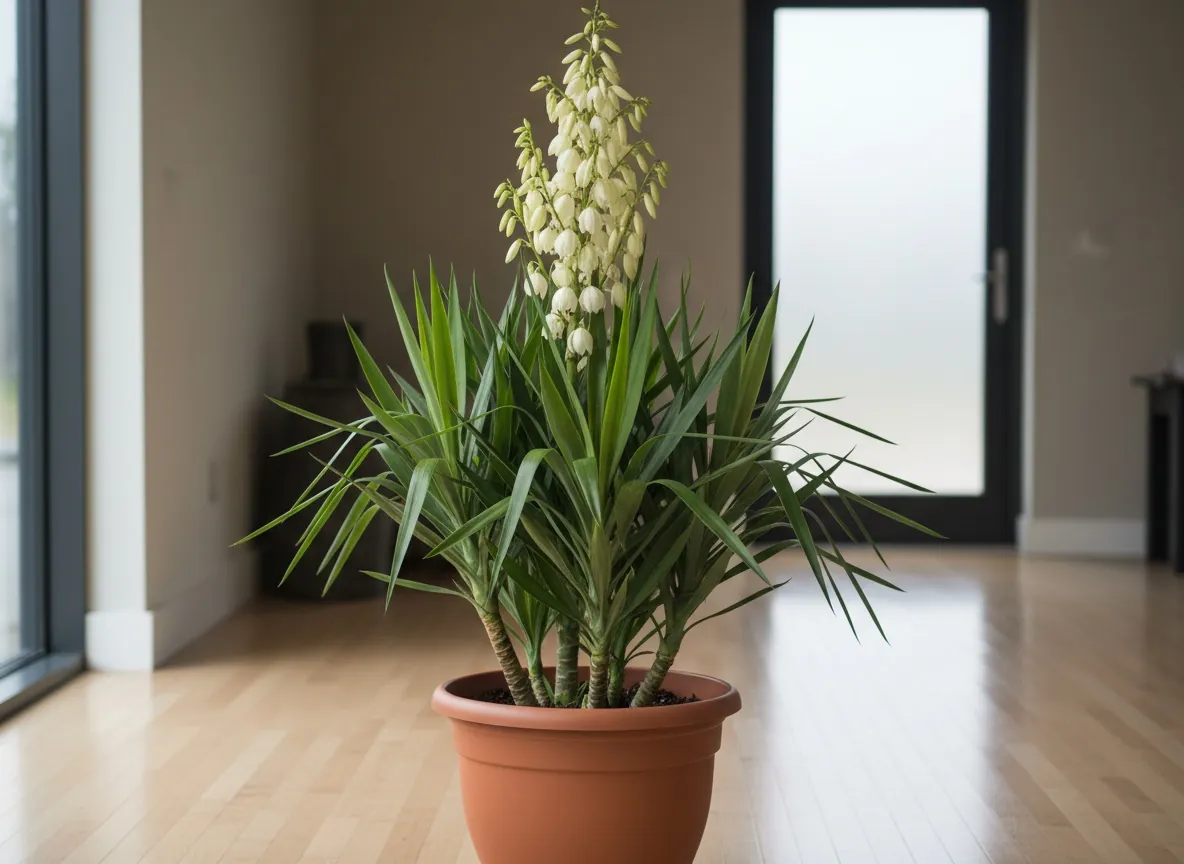
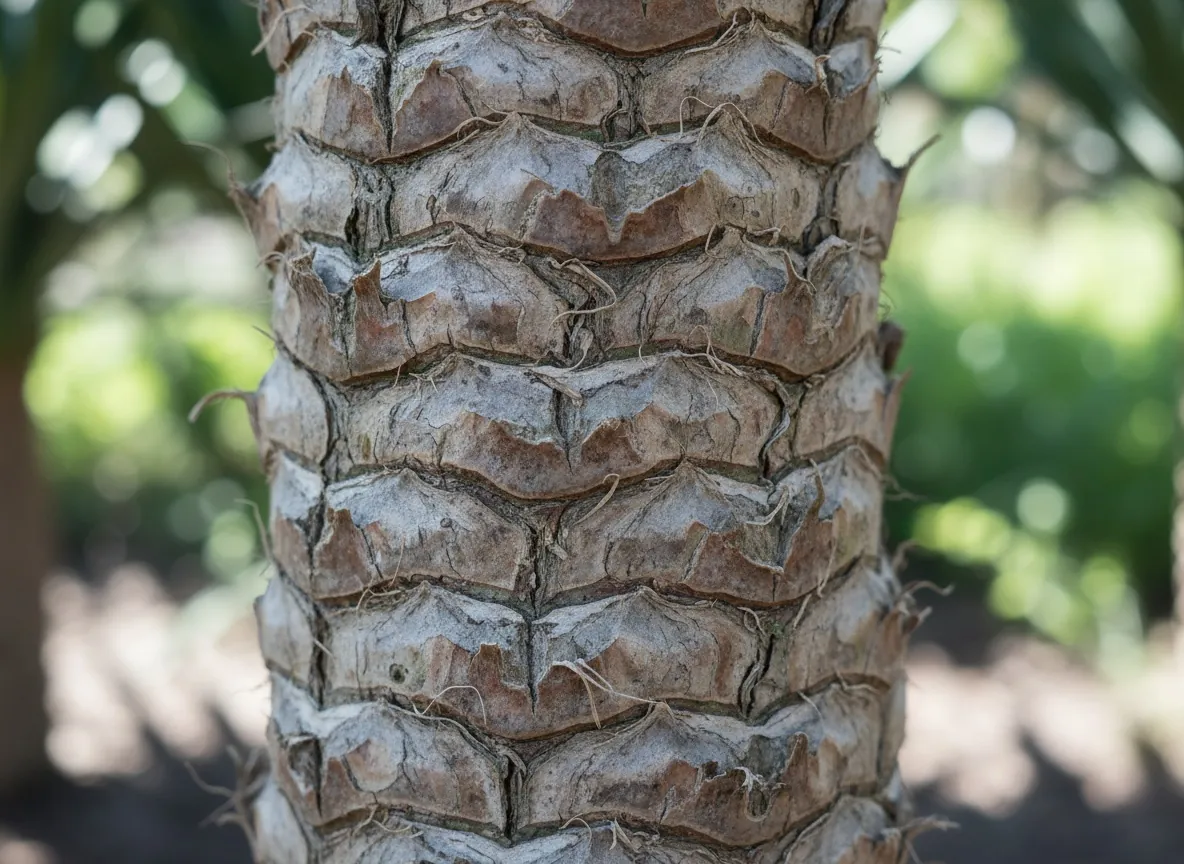
It forms a thick, usually unbranched trunk topped by one or several rosettes of leaves. The leaves are linear, 50–90 cm long and stiff, but — unlike the desert species — they end in a soft tip without a spiny point, which makes the plant safe indoors. The base of the trunk thickens with age and resembles an elephant's foot, hence the former species name elephantipes.
Growing and care
Watering
It copes with drought decidedly better than with overwatering — water only after the substrate has dried out completely. In winter, at a lower temperature, watering once every three weeks is enough. Water standing in the saucer is the most common cause of trunk rot.
Fertilizing
Sparingly, at the dose recommended for succulents; excess nitrogen produces limp, drooping leaves.
Planting
A heavy, stable pot (the plant is top-heavy) with a large drainage hole; a well-drained substrate with a substantial proportion of sand or perlite and a layer of expanded clay at the bottom.
Pruning
Cut a trunk that is too tall with a saw at the chosen height — new rosettes of leaves will break below the cut. The severed section of trunk can be rooted as a separate plant.
Companion plants
Good companions
An identical watering regime and the same liking for a bright position — both forgive a forgotten watering can.
A close relative from the same family with similar needs; the contrast between the yucca's broad leaves and the dragon tree's narrow ones looks good in a single arrangement.
A drought-loving companion for a bright windowsill or terrace — the same intervals between waterings and the same requirement for drainage.
Bad companions
A watering regime that keeps ferns alive means rot of the roots and the base of the trunk for the yucca.
The calathea requires constant moisture and high air humidity — conditions utterly at odds with the yucca's needs.
The evidence level indicates whether the relationship is backed by research, observation, or gardening tradition.
Toxicity
| For whom | Level | Notes |
|---|---|---|
| Humans | Mild | The leaves contain saponins that irritate the digestive tract. Interestingly, the flowers of this species (izote) are eaten after cooking in Central American cuisine — it is the vegetative parts that are toxic, not the flowers. |
| Dogs | Mild | Eating the leaves causes drooling, vomiting and diarrhoea brought on by saponins. |
| Cats | Mild | Symptoms as in dogs — irritation of the digestive tract, usually without lasting consequences. |
History and origin
In Central America the spineless yucca has been planted for centuries as a hedge and a useful plant — its flowers, known as izote, are a traditional vegetable, and izote is the national flower of El Salvador. It entered European container cultivation in the second half of the 20th century, mainly as imported sections of trunk rooted in nurseries.
Uses
For bright living rooms and offices, at south- and west-facing windows. In summer it can be moved onto a terrace or balcony, acclimatising it gradually to the stronger light.
Trivia
- Most yuccas sold in shops are produced from pieces of trunk brought from plantations in Central America and rooted — hence the characteristic “log” with a rosette of leaves at the top.
- In the wild, yuccas are pollinated exclusively by moths of the genus Tegeticula, which in return lay their eggs in the ovary of the flower — one of the textbook examples of close symbiosis.
Frequently asked questions
Why has the yucca's trunk turned soft and spongy?
This is a symptom of rot caused by overwatering, usually combined with cold and water standing in the saucer. The soft section of trunk must be cut out down to healthy, firm tissue, and the rest rooted in dry, well-drained substrate and watered far more sparingly.
Why are the yucca's leaves yellowing and falling?
The drying of individual, lowest leaves in the rosette is natural. Mass yellowing most often indicates overwatering or too dark a position — the yucca is one of the few houseplants that genuinely needs direct light.
Can the yucca be cut back when it reaches the ceiling?
Yes. In spring, cut through the trunk with a saw at the chosen height — below the cut the plant will put out one or several new rosettes. The severed section of trunk with its rosette roots in well-drained substrate and yields a second, independent plant.
Sources
- Plants of the World Online (POWO)Database (GBIF, POWO…)
- Missouri Botanical Garden — Yucca guatemalensisInstitution / botanical garden
My note
A private note for this plant — saved in your browser.