In short
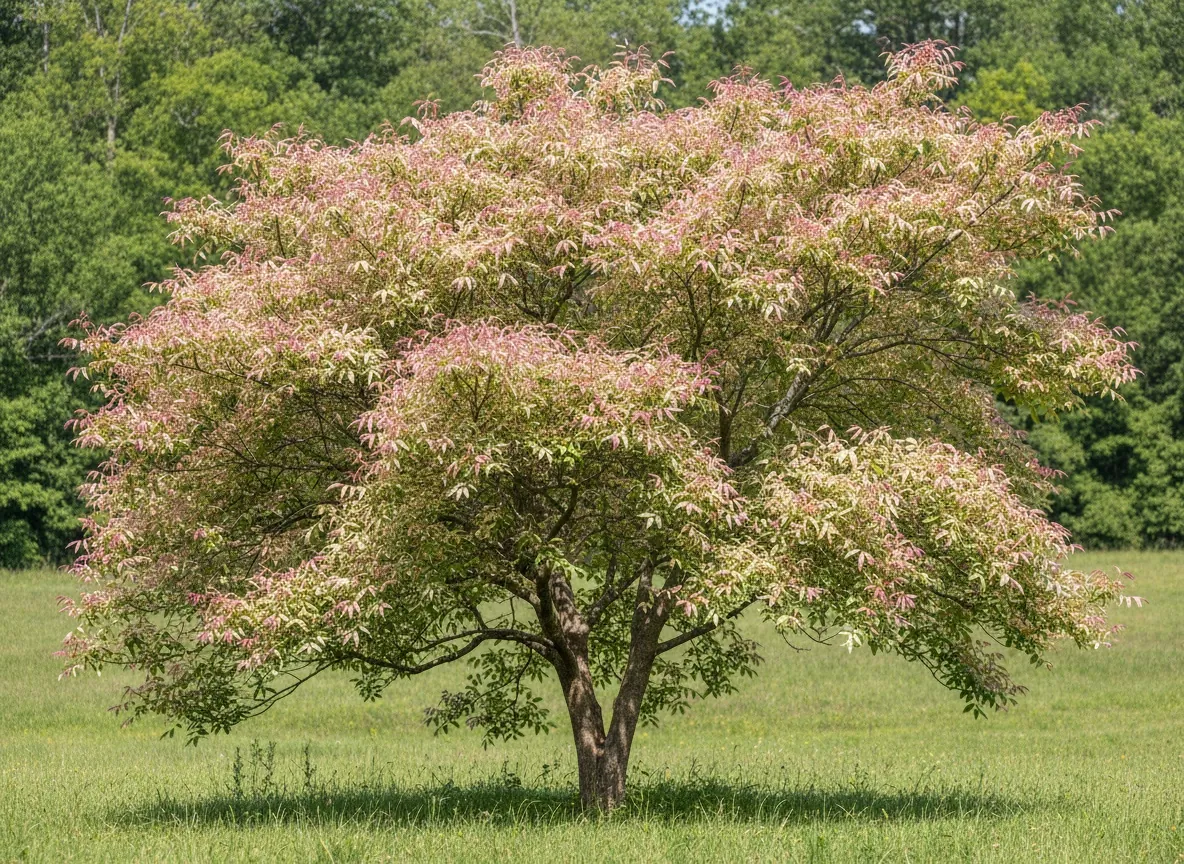
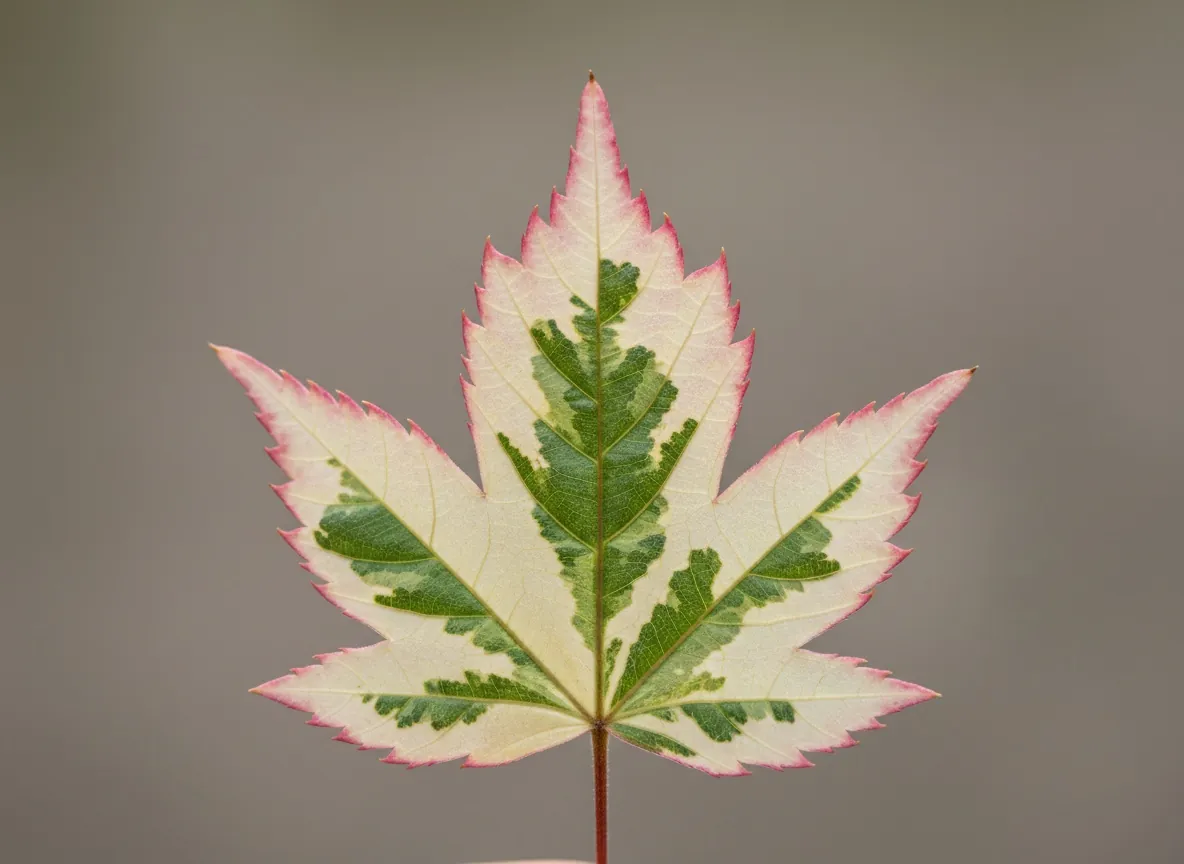
- The cultivar 'Flamingo' has variegated, pink-white-green young leaves.
- Requires an annual, hard pruning to maintain the colour of the young growth (like the Hakuro willow).
- Grows very fast and is undemanding as to soil; tolerates moisture and flooding.
- Caution: the typical species is invasive in Poland — in cultivation ornamental cultivars are planted.
- Seeds and seedlings are dangerous to horses — do not plant near pastures.
Botanical data
- Family
- Sapindaceae (Sapindaceae)
- Height
- 4–7 m
- Width
- 3–5 m
- Habit
- Spreading
- Growth rate
- Fast
- Position
- Full sun, Partial shade
- Soil
- Loamy, Sandy, Humus-rich
- pH reaction
- pH 5.5–7.5
- Moisture
- Moderate, Moist
- Bloom
- April–May
- Hardiness
- USDA 4a–8b
- Propagation
- From cuttings
Characteristics
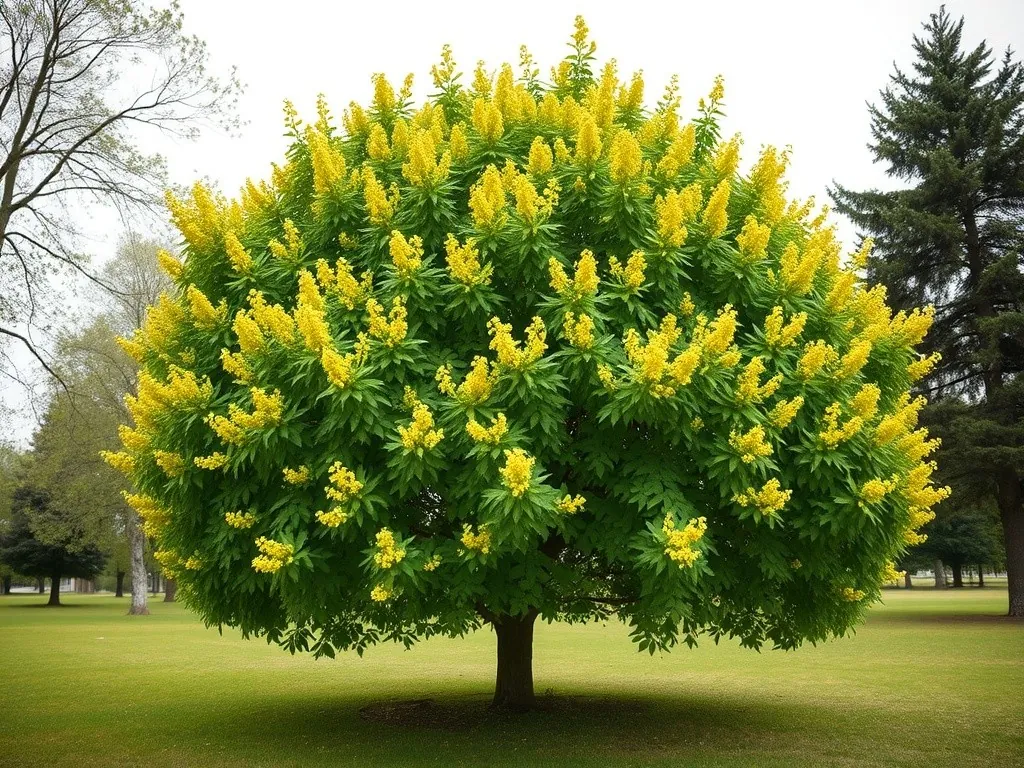
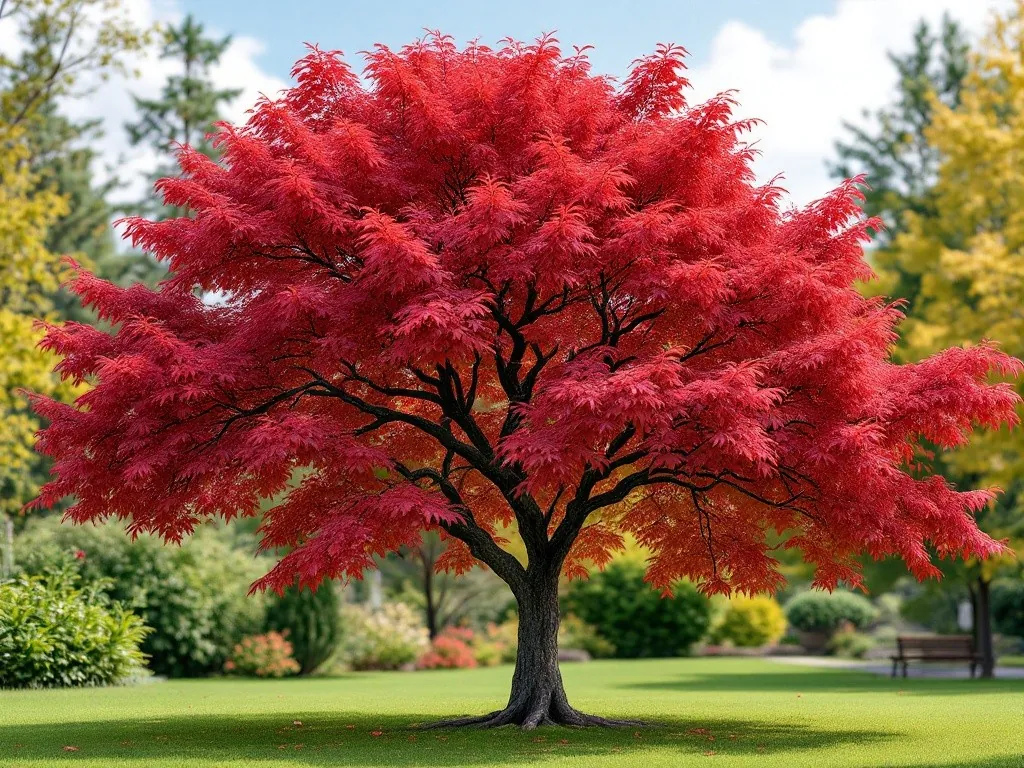
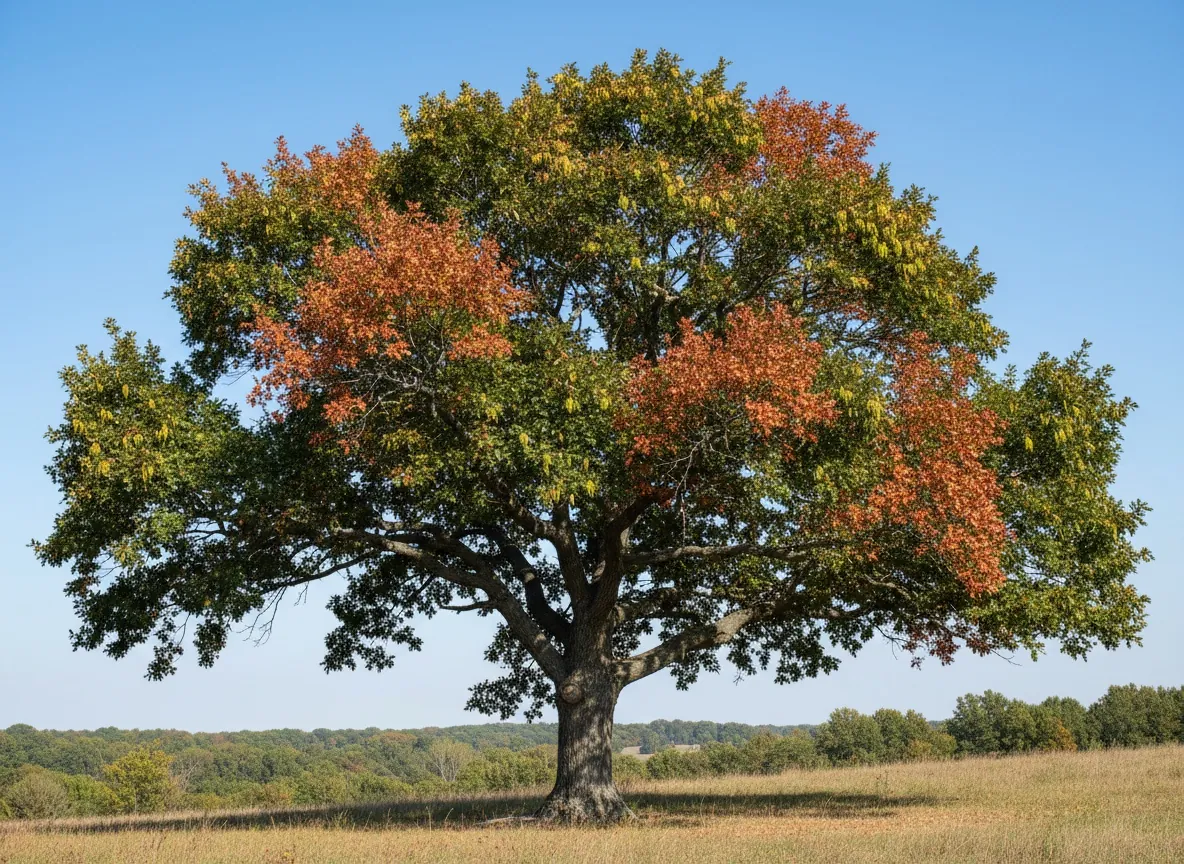
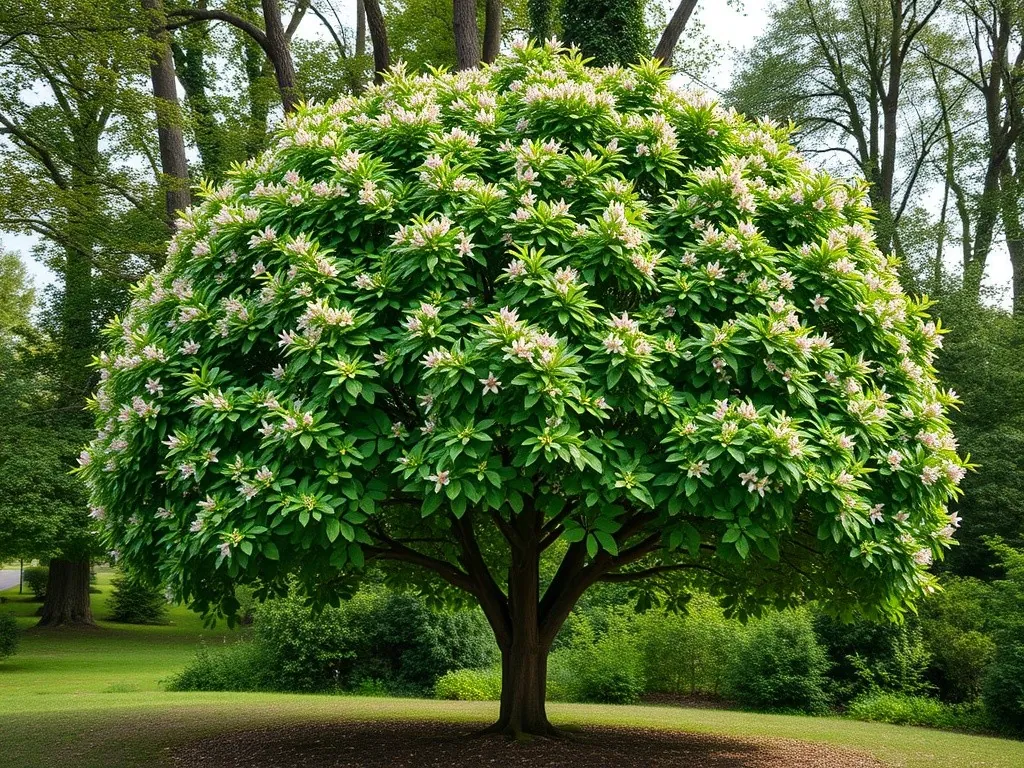
A small, fast-growing tree with a spreading, somewhat irregular habit. Unlike most maples, it has compound, pinnate leaves resembling those of an ash — hence the name ash-leaved maple. In the cultivar 'Flamingo' the young leaves are strikingly variegated: pink-white-green, fading over time to white-green. In spring, before or together with the leaves, inconspicuous, greenish-yellow flowers appear, followed by winged fruits (samaras).
Growing and care
Watering
Very undemanding and adapted to various conditions; it tolerates periodic flooding, typical of the river valleys of its natural range. Young trees are worth watering during drought.
Fertilizing
Minimally — the tree grows fast anyway; excess nitrogen only accelerates growth at the expense of a compact habit.
Planting
The plant is undemanding as to soil; for the best colouring of the young leaves choose a bright position, but sheltered from the harshest midday sun, which can scorch the pale variegation.
Pruning
The key is an annual, hard pruning (modelled on the Hakuro willow) — it stimulates the emergence of numerous young shoots with the most intense pink-white colouring and maintains a compact habit. Remove all fully green, “reverted” shoots at the base.
Companion plants
Good companions
Both plants are grown for their colourful, pink-white-green young leaves and both require an annual, hard pruning — they combine excellently in a coherent, “variegated” composition with the same care rhythm.
Hostas tolerate the partial shade beneath the canopy and like the fertile, moist soil that box elder also tolerates.
Bad companions
The typical species self-seeds abundantly from its winged fruits and can smother other plants, and its seeds and seedlings are dangerous to horses — so self-sown seedlings must be removed and the vicinity of paddocks avoided.
The evidence level indicates whether the relationship is backed by research, observation, or gardening tradition.
Toxicity
| For whom | Level | Notes |
|---|---|---|
| Horses | High | The seeds and seedlings contain hypoglycin A, which causes seasonal pasture myopathy (atypical myoglobinuria) in horses — an often fatal disease. Do not plant the tree near pastures and paddocks for horses. |
| Humans | None | — |
| Dogs | None | — |
| Cats | None | — |
History and origin
The species comes from North America, where it grows in river valleys. It was brought to Europe as an ornamental tree and for plantings, but thanks to its fast growth and abundant self-seeding it has run wild and is today regarded as an invasive species in many countries, including Poland. The cultivar 'Flamingo' was selected for its variegated foliage and is grown as an ornamental plant, usually grafted or from cuttings.
Uses
An ornamental colour accent in the garden or park, planted singly for its striking, variegated foliage. With regular, hard pruning it can be kept as a low, dense shrub or a small tree with intensely coloured young leaves. Because of the invasiveness of the typical species, it is worth limiting oneself to ornamental cultivars and controlling self-seeding.
Trivia
- It is one of the few maples with compound (pinnate) leaves instead of the typical palmately lobed ones — which is why it is sometimes confused with an ash.
- The typical species is invasive in Poland, so responsible cultivation means planting only ornamental cultivars and removing self-sown seedlings before they spread.
Frequently asked questions
Why are the leaves of my 'Flamingo' maple turning green and losing their pink colouring?
The youngest leaves are the most intensely coloured, and some shoots may revert, that is, come up entirely green. An annual, hard pruning that stimulates fresh, colourful growth helps, as does the consistent removal at the base of all fully green shoots, because they grow more strongly and smother the variegated parts.
Can box elder be planted, given that it can be invasive?
It is primarily the typical species, which self-seeds abundantly, that is invasive. In cultivation ornamental cultivars such as 'Flamingo' are planted, and it is worth removing any self-sown seedlings and set fruits to limit its spread. In places adjoining natural areas it is better to consider a native replacement species.
Is box elder toxic?
It poses no significant threat to people, dogs or cats, but its seeds and seedlings contain hypoglycin A, which is dangerous to horses — they can cause seasonal pasture myopathy, an often fatal disease. That is why the tree should not be planted near pastures and horse paddocks.
Sources
- Plants of the World Online (POWO)Database (GBIF, POWO…)
- RHS — Acer negundoInstitution / botanical garden
My note
A private note for this plant — saved in your browser.