In short
- The whole plant is strongly poisonous — leaves, flowers, rhizome, red fruits, and even the water from the vase.
- The leaves are easily confused with wild garlic; this is the most common cause of spring poisonings by lily of the valley.
- Flowers in May and early June; its scent is one of the most recognisable fragrances in the garden.
- Strongly expansive — it takes over further metres of the woodland floor with runners and displaces weaker perennials.
- Grows in partial shade and shade, on humus-rich soil; very frost-hardy and undemanding.
- In Poland it is under partial protection — it may not be collected from natural sites.
Botanical data
- Family
- Asparagaceae (Asparagaceae)
- Height
- 0.15–0.3 m
- Width
- 0.3–1 m
- Habit
- Creeping
- Growth rate
- Fast
- Position
- Partial shade, Shade
- Soil
- Humus-rich, Loamy, Sandy
- pH reaction
- pH 5–7.5
- Moisture
- Moderate, Moist
- Bloom
- May–June
- Hardiness
- USDA 3a–8a
- Propagation
- By division, By runners
Characteristics
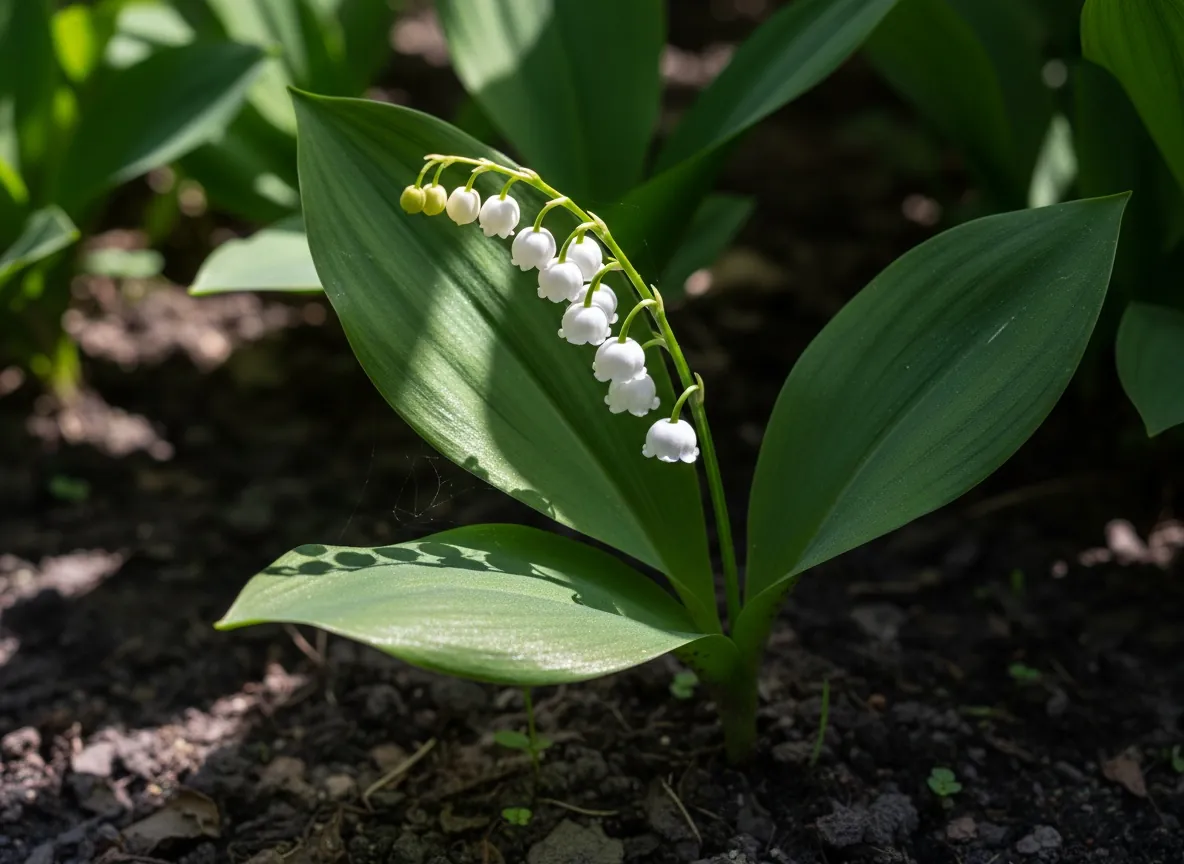
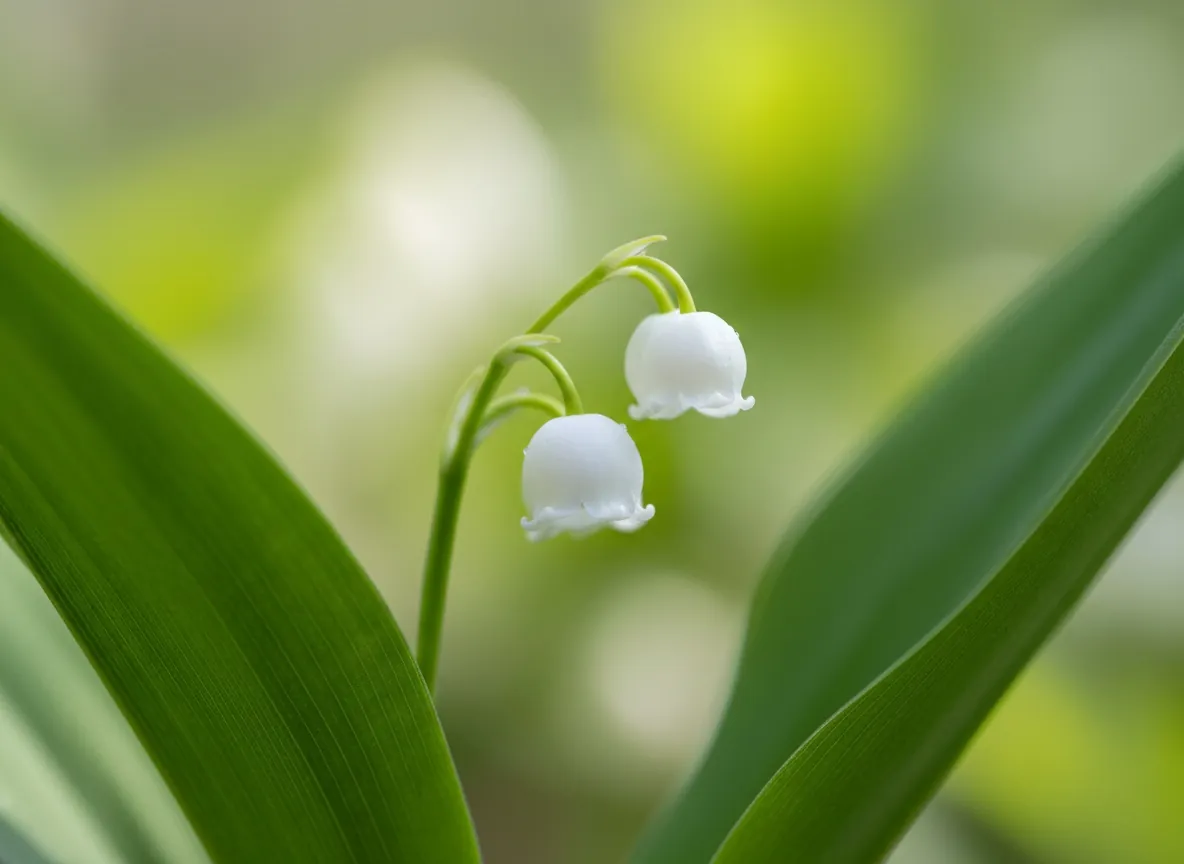
From a branched rhizome creeping just below the surface, a shoot grows each year with two (rarely three) broadly lanceolate, erect leaves clasped at the base by a common sheath. Between them appears a leafless flowering stem with a one-sided raceme of 5–13 white, globular-bell-shaped, strongly scented flowers with recurved teeth. After flowering, globular berries set, at first green and from August bright red — the most tempting element of this plant for children and the most insidious. In late summer the whole above-ground part dies back, and the plant overwinters as a rhizome.
Growing and care
Watering
In partial shade, on humus-rich soil, it needs practically no watering. During drought the leaves turn brown and the lily of the valley simply dies back earlier — the rhizome survives and will regrow the following spring, so this is no cause for concern.
Fertilizing
A thin layer of compost or leaves. Lily of the valley is undemanding; fertilising mainly thickens the stand.
Planting
Plant the rhizomes with their buds (“pips”) shallowly, horizontally, just below the surface. Because of its expansiveness it is best to confine the site straight away with edging dug in to 25–30 cm, or to plant the lily of the valley in a buried, bottomless container.
Pruning
Pruning is not needed — the above-ground part dies back on its own. If children come into the garden, it is worth removing the spent flower heads beforehand, before they set red fruits.
Companion plants
Good companions
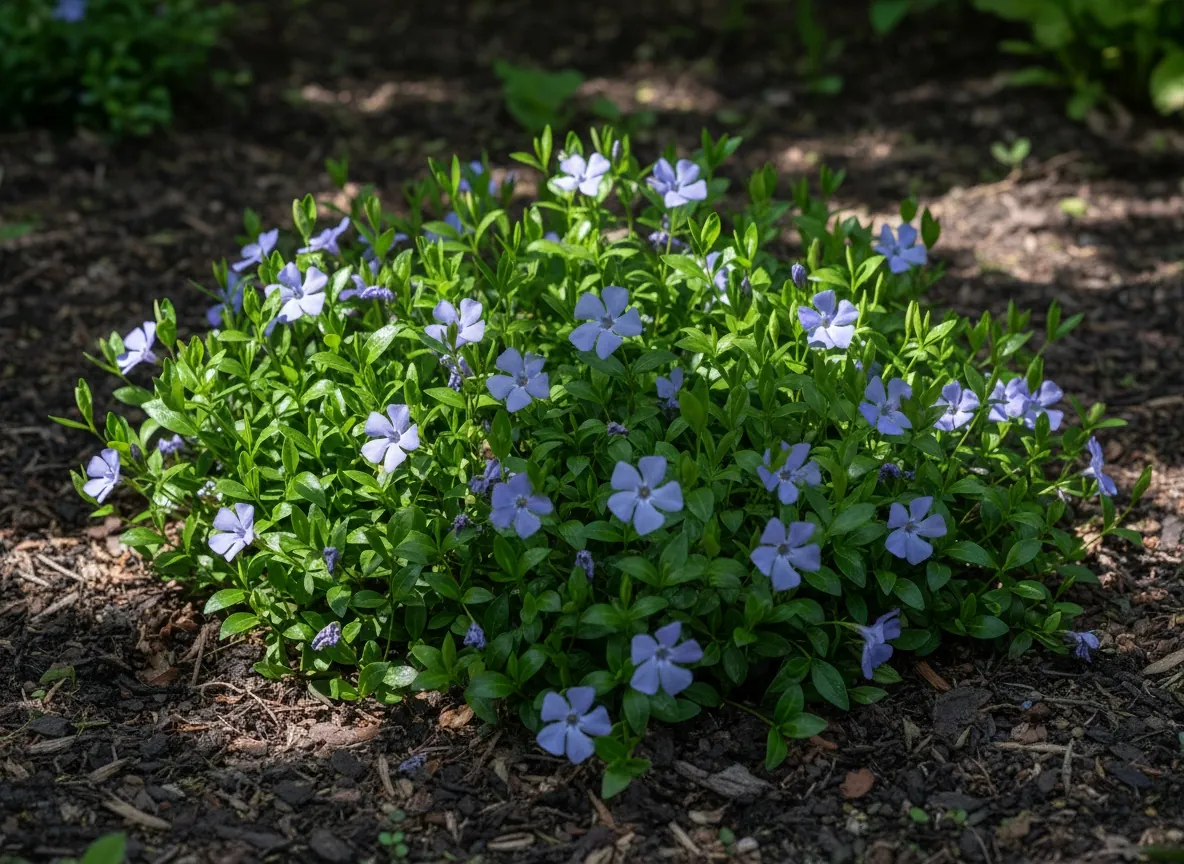
Both plants take over the same moist and shady position and both are expansive — planted together in a dedicated place they form a natural woodland floor and balance each other out, instead of destroying more delicate neighbours.
Lily of the valley is a natural plant of the oak-hornbeam woodland floor — under the open canopy of a deciduous tree it finds exactly the conditions it has at its natural site.
Bad companions
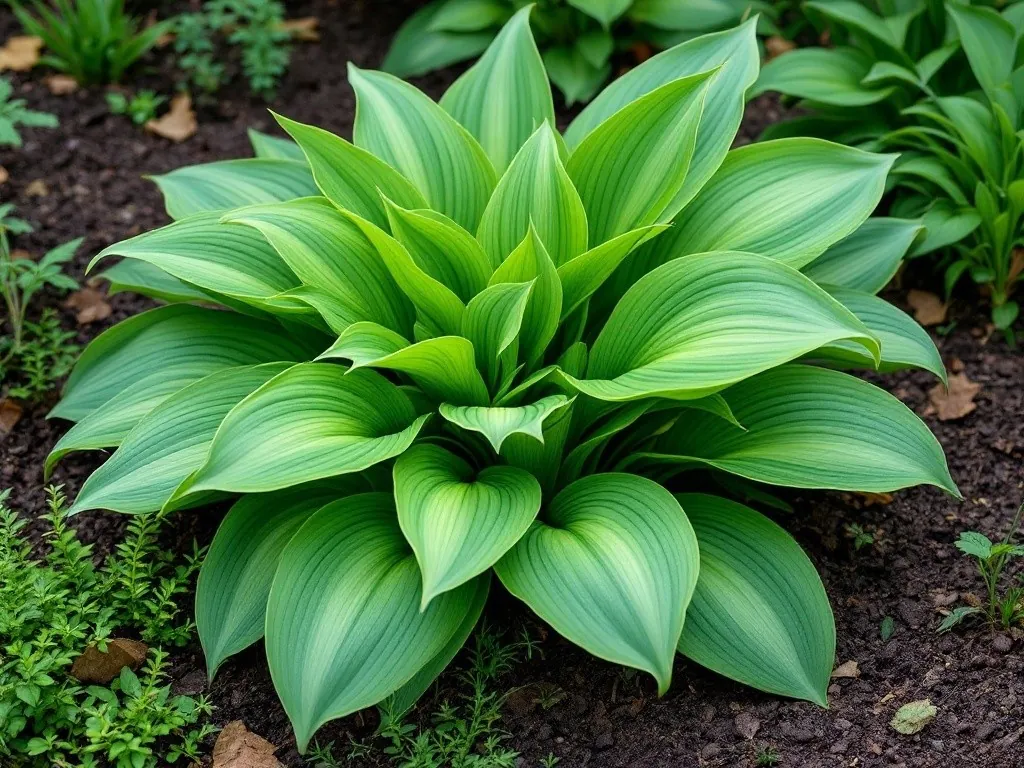
The leaves of both plants emerge in spring in the same habitat and look very similar — planting them next to each other in the garden is a straight route to confusing them when gathering and to severe poisoning by cardiac glycosides. These two plants must not be planted side by side.
The dense stand of lily of the valley fills the entire space between plants with its runners and smothers slow-growing, shallowly seated perennials.
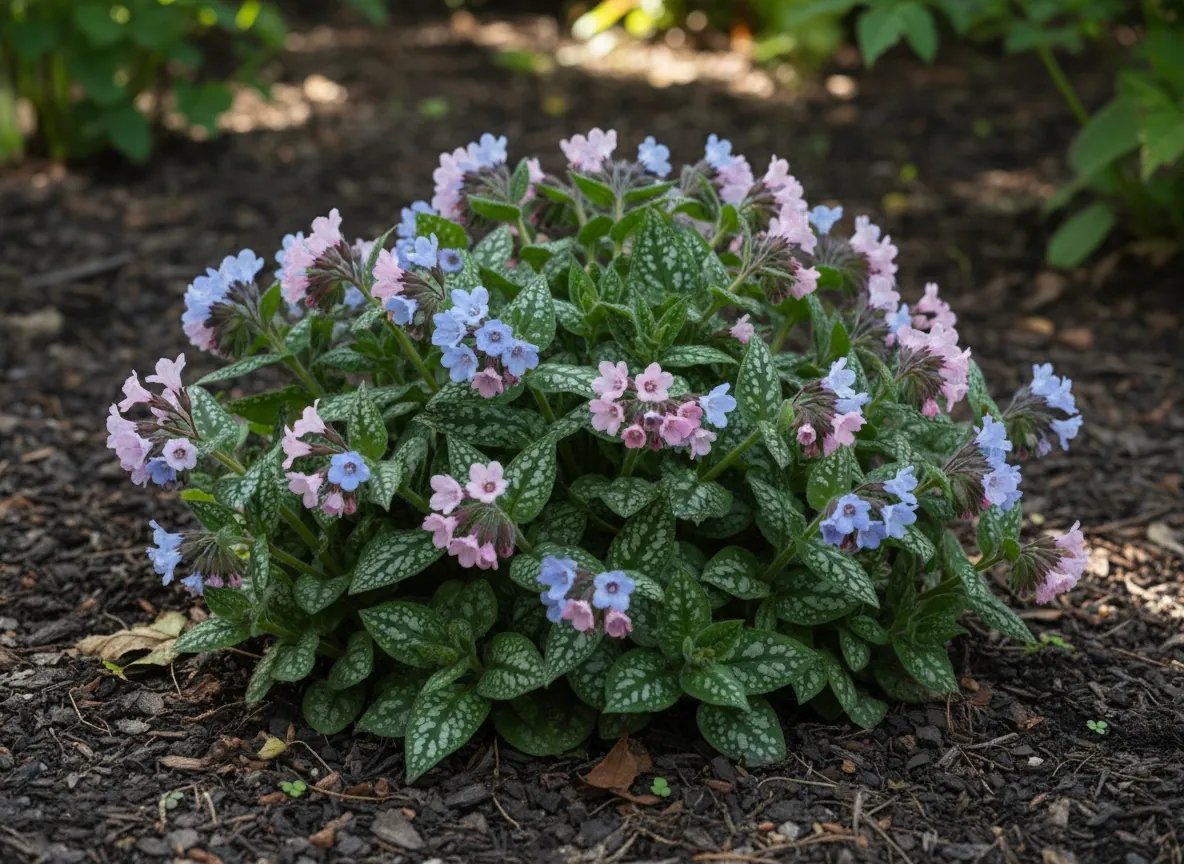
Conflicting requirements: the pasque flower needs full sun and dry, calcareous soil, lily of the valley shade and humus — and on top of that it would quickly smother it.
The evidence level indicates whether the relationship is backed by research, observation, or gardening tradition.
Toxicity
| For whom | Level | Notes |
|---|---|---|
| Humans | High | The whole plant — leaves, flowers, rhizome and red fruits — contains cardiac glycosides (including convallatoxin). Symptoms of poisoning: nausea, vomiting, abdominal pain, visual disturbances, slowing and irregularity of the heartbeat; severe poisoning is life-threatening. The water from a vase in which lily of the valley stood is also poisonous. If any part of the plant is suspected of having been eaten, medical help must be called immediately, without waiting for symptoms. |
| Dogs | High | Cardiac glycosides cause vomiting, diarrhoea, a drop in blood pressure and dangerous heart rhythm disturbances; poisoning can end in death. Requires urgent veterinary intervention. |
| Cats | High | Symptoms as in dogs — arrhythmia and weakness after eating the leaves or drinking water from a vase. An urgent visit to the vet is essential. |
| Horses | High | Eating lily of the valley from the woodland floor or from hay causes disturbances of heart function and colic. |
History and origin
For centuries lily of the valley has been among the most symbol-laden plants of Europe — in France sprigs of muguet are given on 1 May “for luck”, in Finland it is the national flower, and in Polish folk tradition it was associated with May and the May devotions. At the same time it was a medicinal plant: lily of the valley herb, rich in cardiac glycosides, was used in medicine for heart failure, and this raw material still appears in pharmacopoeias today. It is precisely this duality — the flower of wedding bouquets and at the same time a potent cardiac poison — that best captures the character of this plant. Lily of the valley preparations have a narrow margin of safety and are exclusively a pharmaceutical raw material; any home-made infusions or tinctures from lily of the valley are very dangerous.
Uses
For greening shady and partly shaded places under trees, in naturalistic and woodland gardens where it has room to spread. Because of its expansiveness it is best to give it its own area or to confine it with edging. In gardens where small children play, or where wild herbs are gathered, it is better to do without it — and certainly not to plant it near the vegetable garden and a bed of wild garlic.
Trivia
- The scent of lily of the valley in perfumes is always synthetic. Despite its intense fragrance, the flower yields no oil by any known method of distillation or extraction — perfumers have been recreating the muguet note for over a hundred years exclusively from substances composed in the laboratory.
- A large stand of lily of the valley in a forest is usually a single plant: the runners of one individual can take over several dozen square metres of the woodland floor and form a clone living for decades.
- The species name majalis simply means “of May”, and the genus name Convallaria comes from the Latin convallis — “valley”, hence the Polish and English association with lilies of the valley.
Frequently asked questions
How do you tell lily of the valley leaves from wild garlic?
This is the most important question with this plant — confusing them ends in severe poisonings in Poland and Germany every year. Wild garlic clearly smells of garlic when the leaf is rubbed, while lily of the valley smells of nothing; beware, however: once you have touched wild garlic, your hands keep smelling of it, so every leaf must be smelled with clean hands. They also differ in structure: wild garlic has leaves growing singly, each on its own stalk straight from the ground, matt underneath and soft; lily of the valley has two stiffer, glossy leaves clasped at the base by a common sheath and growing from a single shoot. The rule is simple: if you have any doubt at all — do not gather it.
Is lily of the valley dangerous to children and animals?
Yes, and seriously so. The whole plant contains cardiac glycosides that disturb the heart rhythm — the leaves, flowers, rhizome, bright red fruits are poisonous, and so is the water in which the bouquet stood. The red berries are especially dangerous because they look appetising to a child. If any part of the plant is suspected of having been eaten, you must contact emergency services or a poison centre immediately (or a vet in the case of an animal), without waiting for symptoms to appear.
How do you stop lily of the valley from spreading across the whole garden?
It will not stop on its own — it spreads by rhizomes just below the soil surface and can take over several dozen square metres. The only effective method is a barrier: edging dug in to 25–30 cm, or planting the lily of the valley in a large, bottomless container buried in the bed. Pulling it up helps only temporarily, because every fragment of rhizome with a bud left in the soil regrows. When removing it, it is worth working in gloves.
Sources
- Plants of the World Online (POWO) — Convallaria majalisDatabase (GBIF, POWO…)
- Missouri Botanical Garden — Plant Finder: Convallaria majalisInstitution / botanical garden
My note
A private note for this plant — saved in your browser.