In short
- Flowers very early, in March and April — often before most of the garden gets going.
- Entirely covered with silvery hairs: this is natural protection against spring frosts.
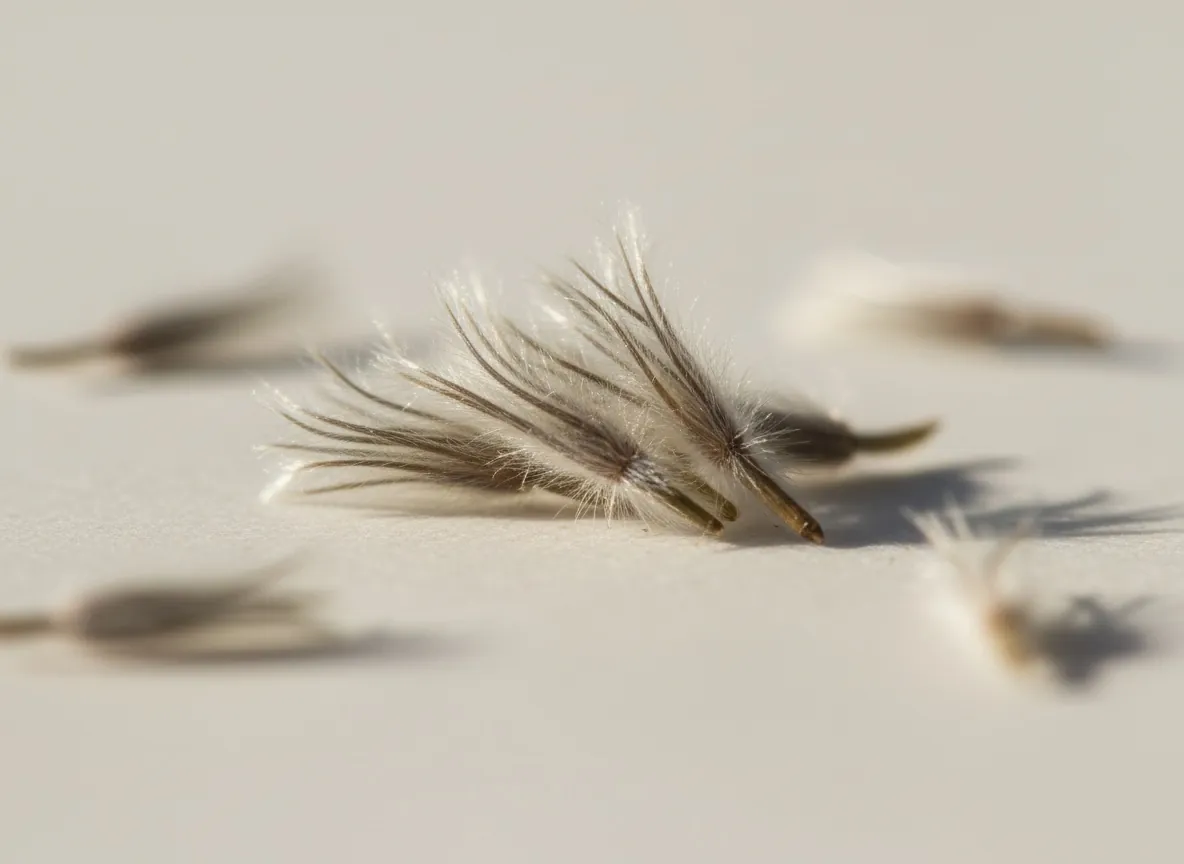
- After flowering it forms striking, fluffy seed heads with feathery tails — they last for weeks.
- Requires full sun and dry, well-drained, calcareous soil; winter moisture kills it.
- It has a deep taproot — it does not tolerate transplanting, so it is planted once, for years.
- Poisonous: the fresh sap contains protoanemonin, which irritates the skin and mucous membranes.
- In Poland all pasque flowers are under strict protection — into the garden only from a nursery.
Botanical data
- Family
- Ranunculaceae (Ranunculaceae)
- Height
- 0.1–0.3 m
- Width
- 0.15–0.25 m
- Habit
- Clump-forming
- Growth rate
- Slow
- Position
- Full sun
- Soil
- Sandy, Chalky, Humus-rich
- pH reaction
- pH 6.5–8
- Moisture
- Dry, Moderate
- Bloom
- March–April
- Hardiness
- USDA 4a–8a
- Propagation
- From seed, From cuttings
Characteristics
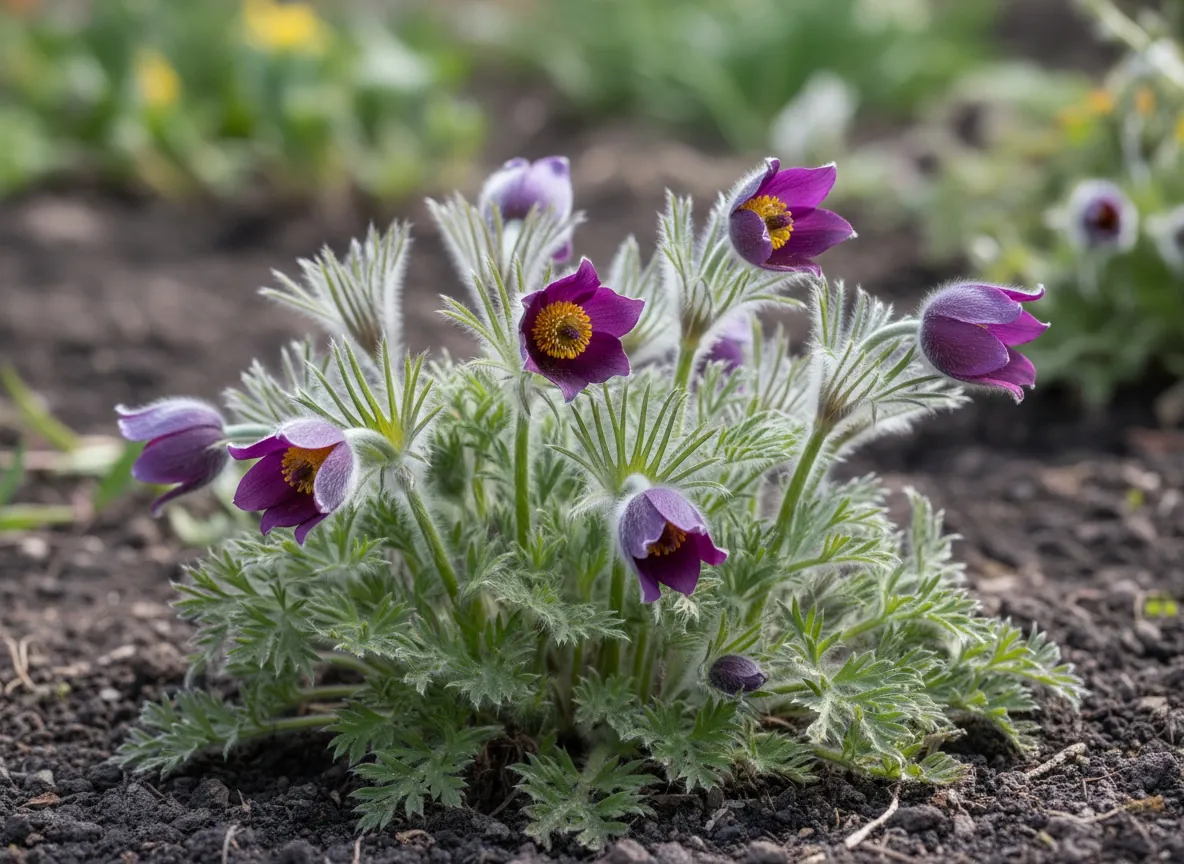
It forms a compact, low clump from a deep taproot. The leaves are pinnately divided into narrow, thread-like segments and — like the whole plant — densely covered with long, silky hairs; in spring they unfold only together with the flowers or just after them. The flowers grow singly on hairy stems, are bell-shaped to widely open, 5–8 cm across, in shades of deep violet and purple, with a bunch of golden stamens in the centre; what we take for petals are here — as in other buttercup family members — sepals. After flowering, each flower produces a globular seed head made of achenes tipped with long, feathery tails; it looks like a silvery, tousled ball and persists for weeks, being for many gardeners a more interesting phase than the flowering itself.
Growing and care
Watering
The deep taproot reaches water by itself — an established pasque flower needs no watering. Far more dangerous than drought is winter moisture: on heavy, wet soil the crown rots and the plant dies.
Fertilizing
As a rule, do not fertilise — this is a plant of poor grassland. On acid soil it is worth applying lime every few years to maintain a neutral or alkaline reaction.
Planting
A position in full sun, soil well-drained, lean and calcareous; on heavy soils it is essential to add gravel and to plant on a mound or in a rock garden. Plant straight away in its final position — the pasque flower has a deep taproot and tolerates any move badly.
Pruning
Pruning is not needed. The fluffy seed heads are worth leaving on the plant: they are ornamental for many weeks and it is they, not the flowers, that make the strongest impression in May and June.
Companion plants
Good companions
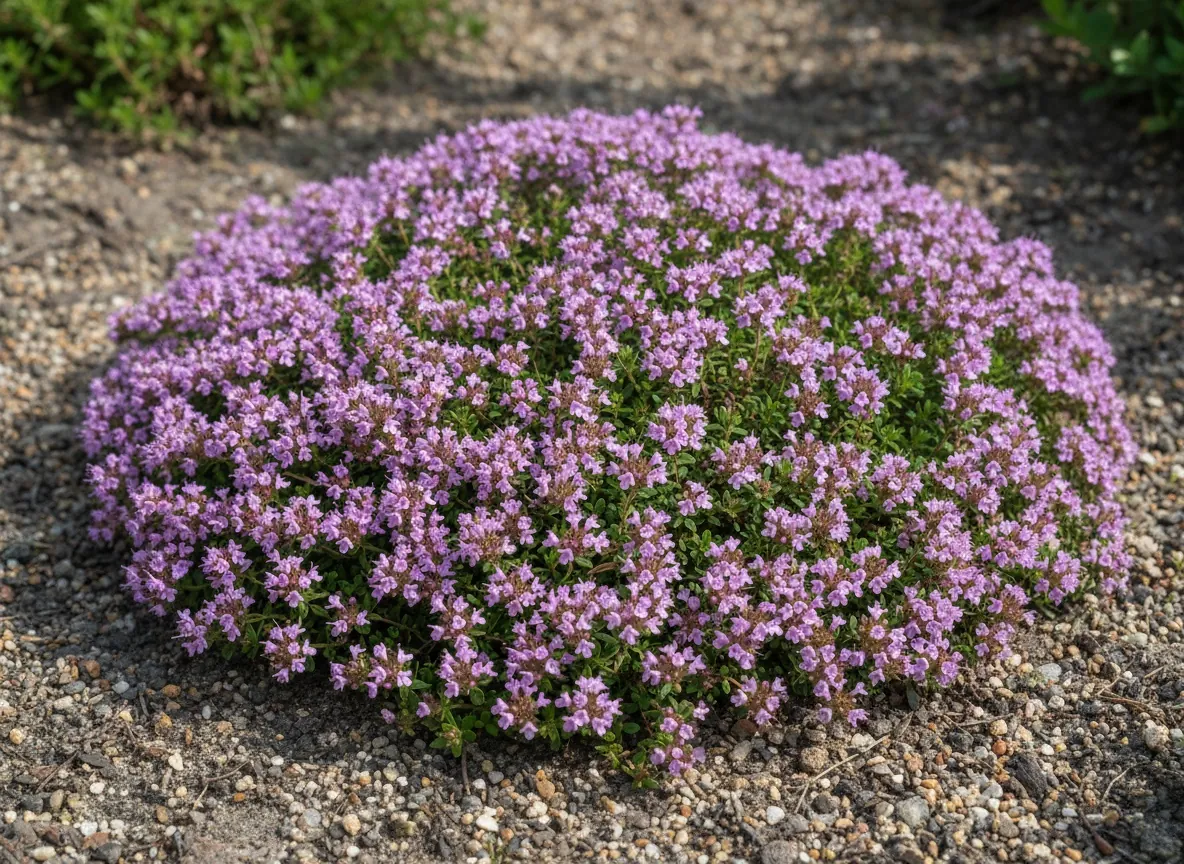
Plants of the same habitat — dry, calcareous grassland. The thyme forms a low carpet above which the pasque flower blooms in early spring, and then leaves it the stage for the summer.
A classic rock garden companion: identical requirements as to full sun and well-drained, poor soil, and a completely different texture and season of ornamental value.
The blue-grey, fine clump of the grass sets off the violet flower and fluffy seed head of the pasque flower, and both plants tolerate the same drought and lean, well-drained soil.
Bad companions
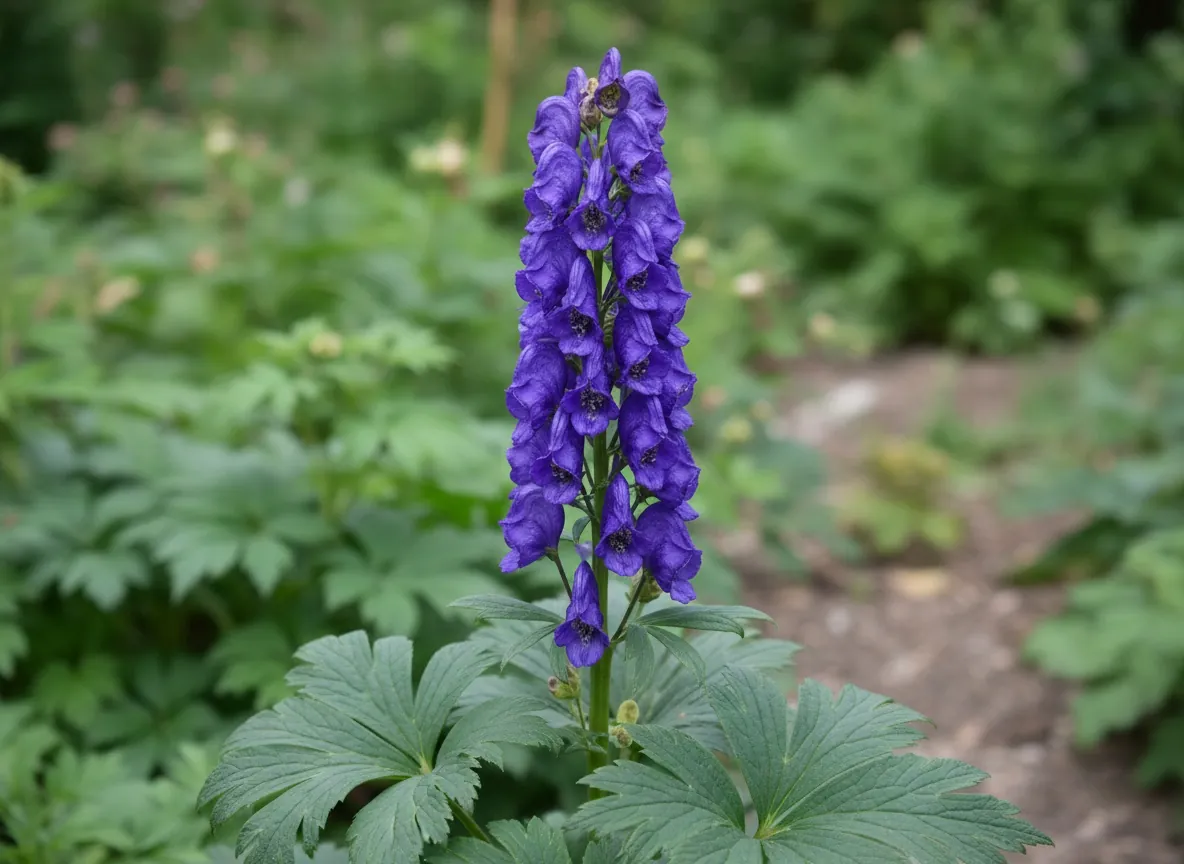
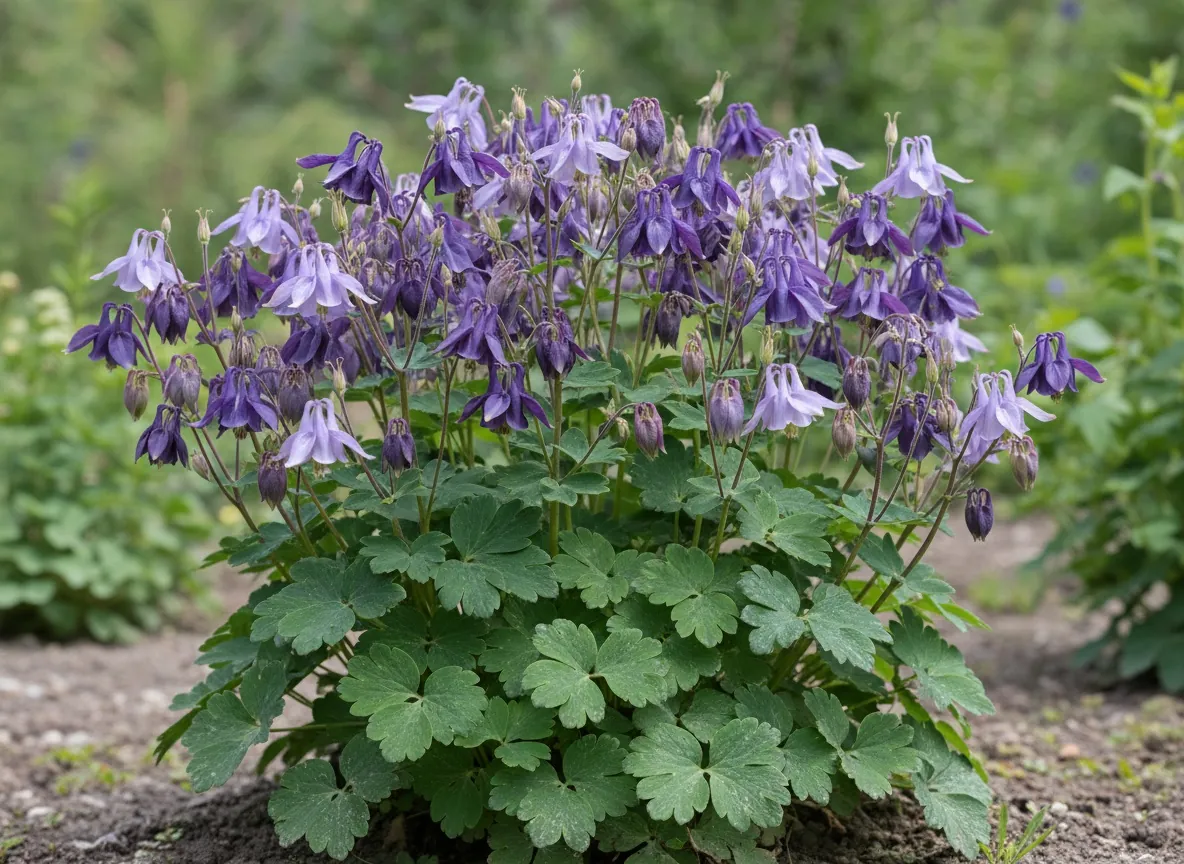
They require constantly moist soil and regular watering, which for the pasque flower means the rotting of its crown — especially in winter.
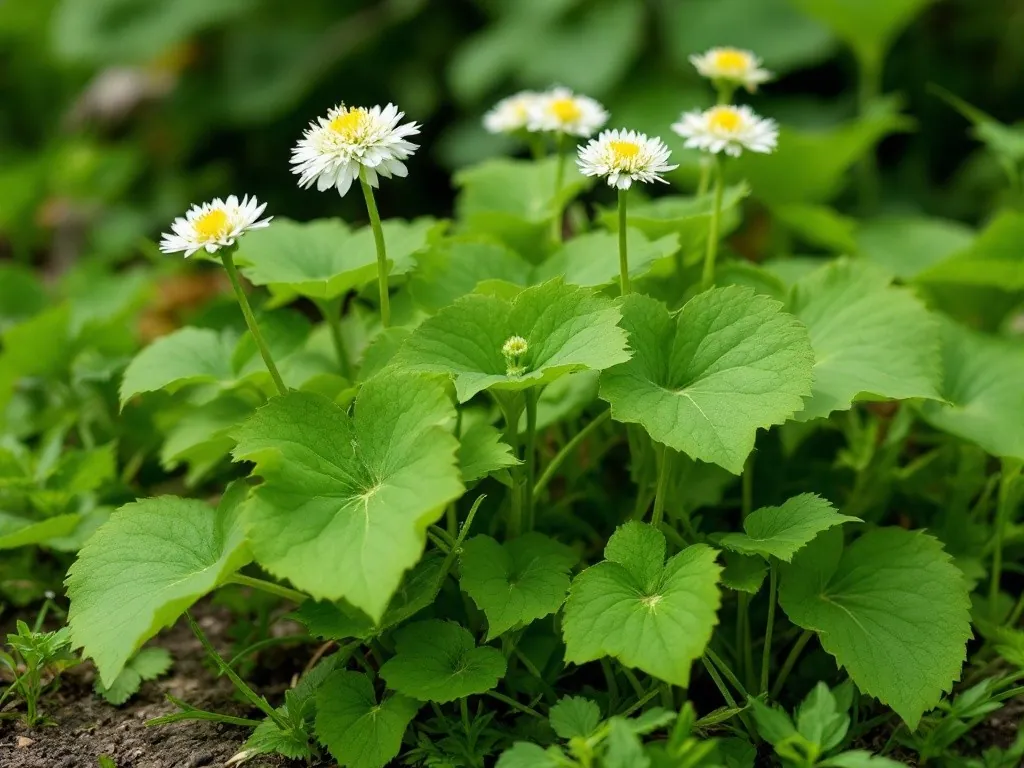
They grow in a similar habitat, but yarrow is far stronger — with runners and self-seeding it will smother the slow-growing, small pasque flower within 2–3 seasons.
The pasque flower is a plant of calcareous grassland — acidifying the substrate for heathers rules out growing it in the same place.
The evidence level indicates whether the relationship is backed by research, observation, or gardening tradition.
Toxicity
| For whom | Level | Notes |
|---|---|---|
| Humans | Moderate | The fresh plant contains protoanemonin — an irritant substance which on contact with the skin causes redness and blisters, and after ingestion burning of the mouth, vomiting and abdominal pain. After drying, protoanemonin converts into harmless anemonin, which is why dried herb is no longer poisonous. |
| Dogs | Moderate | Eating the fresh plant causes drooling, vomiting and irritation of the digestive tract. |
| Cats | Moderate | — |
| Horses | Mild | The fresh plant irritates the digestive tract; dried in hay it loses its irritant properties. |
History and origin
The English name pasque flower and the French associations with Easter (Pâques) come from its flowering time — the pasque flower usually blooms exactly around the Easter holidays. The German Küchenschelle has nothing to do with the kitchen: it is a corruption of Kuhschelle, that is “cow bell”, from the shape of the flower. The pasque flower was once a medicinal plant used externally, but because of the irritant protoanemonin it always remained a risky raw material. Today another story matters more: the pasque flower was once a plant of common grassland in Central Europe, and with the disappearance of that grassland — through ploughing, afforestation and the abandonment of grazing — it became one of the symbols of the vanishing thermophilous flora. In Poland it is among the rarest vascular plants and is considered critically endangered.
Uses
For rock gardens, xerothermic grassland, troughs and stone bowls on a terrace, on dry, sunny slopes and in the foreground of beds with well-drained soil. Planted in groups of several specimens it gives the best effect — a single plant is easily lost in a bed. It harmonises perfectly with stone, gravel and fine grasses. For the garden it is bought exclusively from a nursery; pasque flowers must never be dug up from natural sites.
Trivia
- Pasque flower seeds screw themselves into the soil. The long, feathery tail is hygroscopic: with changes in humidity it twists and untwists, turning the achene like a screw and driving it into a crack in the turf — the same trick as in feather grass and stork's-bill.
- The dense hairiness is not an ornament but anti-frost equipment. The layer of hairs holds warmed air around the plant, thanks to which the pasque flower can flower in March, when the nights are still frosty. The inside of the widely open flower is sometimes distinctly warmer than its surroundings — and that is precisely why early insects like to bask in it.
- The pasque flower gives little nectar, but an abundance of pollen, for which bees and bumblebees fly in as early as March. For insects emerging after winter it is one of the first real sources of protein in the season.
Frequently asked questions
Is it permitted to dig up a pasque flower from a meadow and transplant it into the garden?
No — and for two independent reasons. Firstly, in Poland all pasque flowers are under strict protection; digging them up, picking them and destroying them is prohibited, and the pasque flower is an extremely rare plant here, considered critically endangered. Secondly, it would be pointless: the pasque flower has a deep taproot which cannot be preserved intact when digging it up, so the transplanted plant usually dies anyway. For the garden you buy young container-grown plants, propagated in a nursery — this is completely legal.
Why did my pasque flower die over winter?
Almost always it is killed not by frost but by water. The pasque flower is fully frost-hardy, but it comes from dry, well-drained grassland and does not tolerate moisture around the crown — on heavy soil, in a hollow in the ground or under a thick layer of bark it simply rots during a wet winter. The solution is a raised position, plenty of gravel in the substrate, no mulch at the crown and full sun. The second cause is sometimes transplanting — a severed taproot usually means the end of the plant.
Is the pasque flower poisonous?
Yes, though moderately. The fresh plant contains protoanemonin — an irritant substance common to many members of the buttercup family. Contact of the sap with the skin can cause redness and blisters, and eating it burning in the mouth, vomiting and abdominal pain. For prolonged work with the plant it is worth putting on gloves. Interestingly, after drying, protoanemonin converts into harmless anemonin, so dried herb — for example in hay — is no longer poisonous.
Sources
- Plants of the World Online (POWO) — Pulsatilla vulgarisDatabase (GBIF, POWO…)
- RHS — Pulsatilla vulgarisInstitution / botanical garden
My note
A private note for this plant — saved in your browser.