In short
- Site: sun to light partial shade, fertile, well-drained, neutral soil.
- Sown directly into the ground from April to June.
- Needs regular, even watering — uneven moisture causes the roots to split.
- Both the roots and the leaves are fully edible and nutritionally valuable.
- A good neighbour for onion; avoid proximity to spinach because of shared diseases.
Botanical data
- Family
- Amaranthaceae (Amaranthaceae)
- Height
- 0.2–0.4 m
- Width
- 0.2–0.3 m
- Habit
- Clump-forming
- Growth rate
- Moderate
- Position
- Full sun, Partial shade
- Soil
- Humus-rich, Loamy
- pH reaction
- pH 6–7.5
- Moisture
- Moderate
- Bloom
- July–August
- Hardiness
- —
- Propagation
- From seed
Characteristics
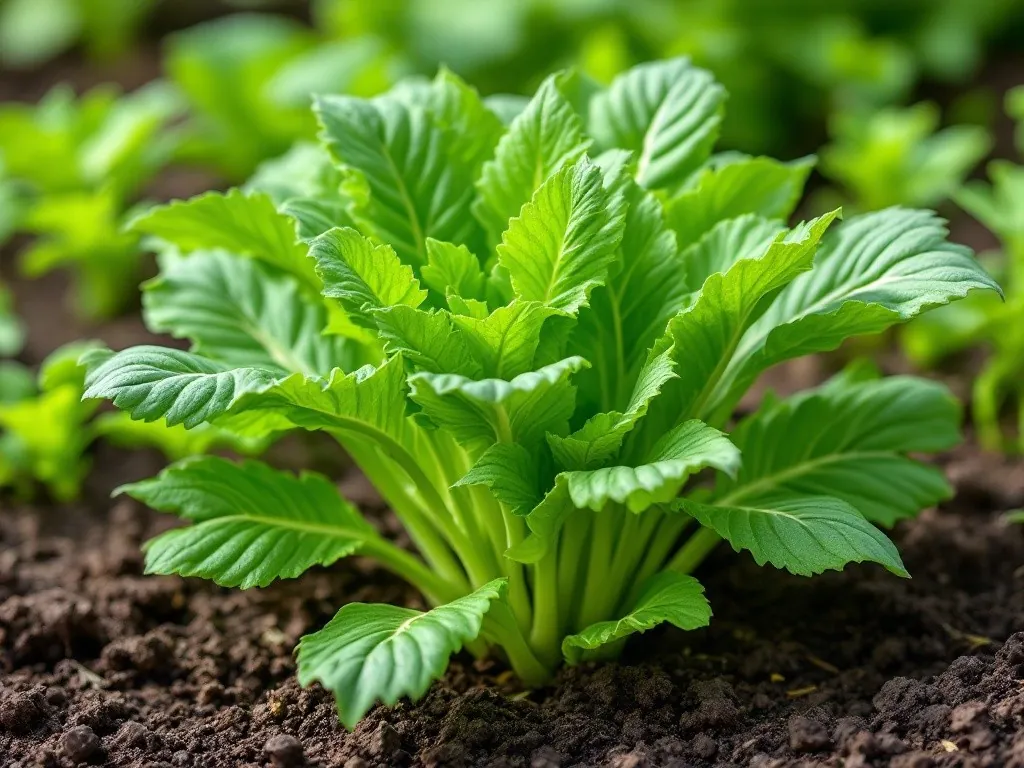
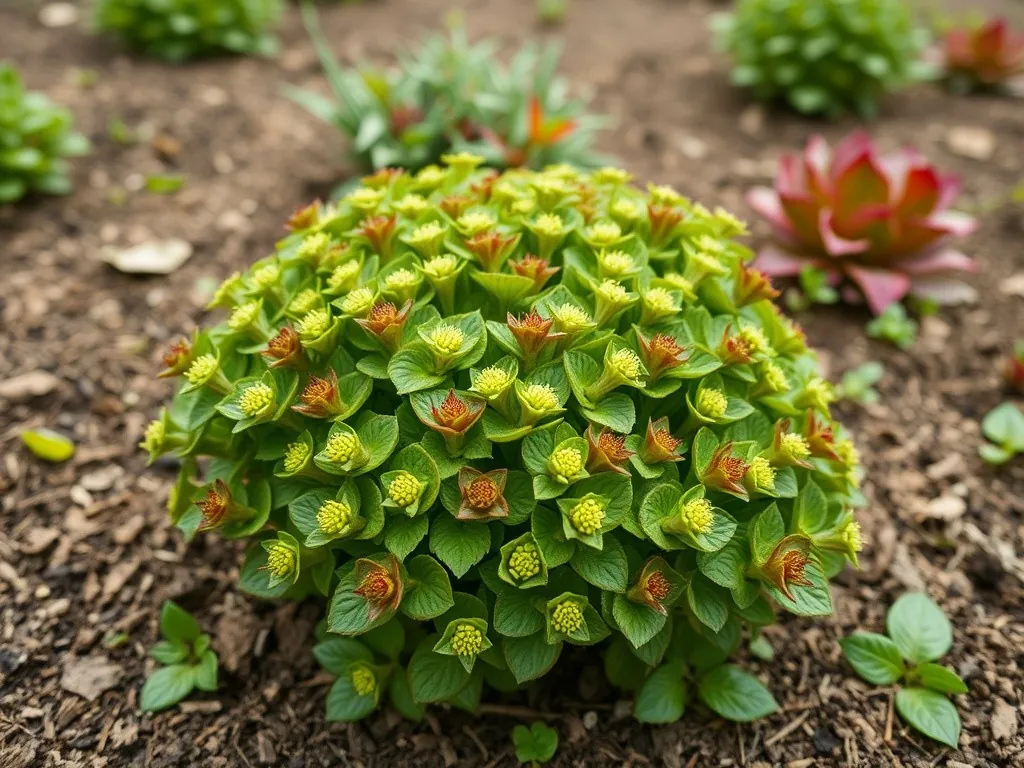
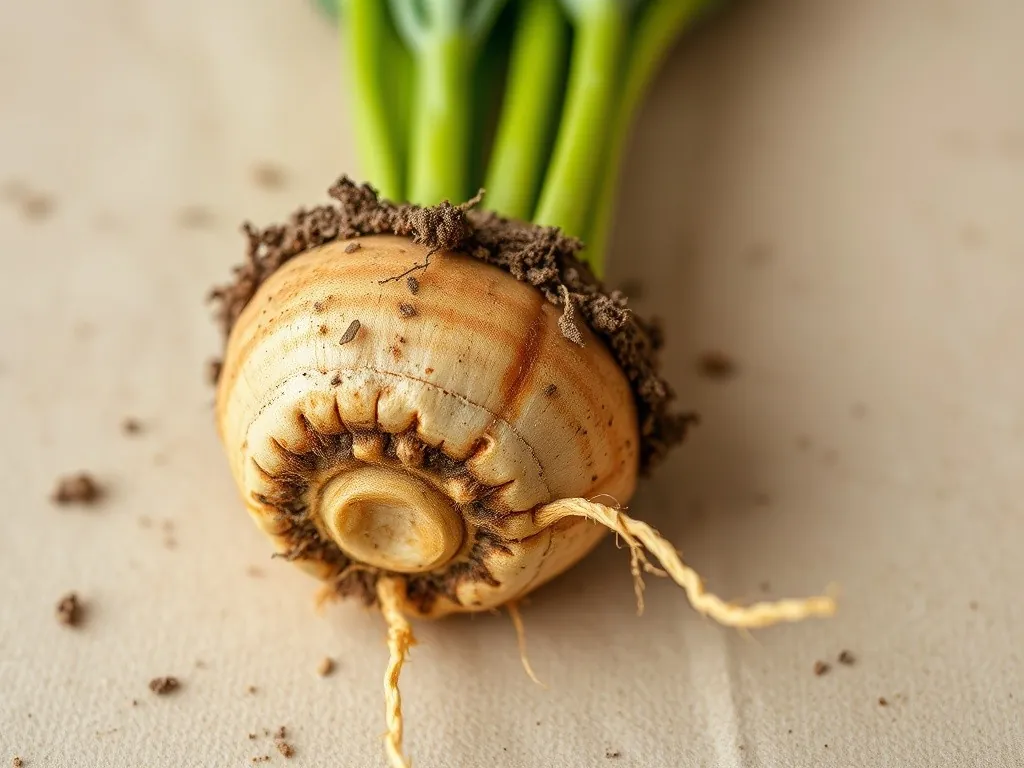
The plant forms a swollen, round to elongated storage root with intensely red, sometimes yellow or ringed flesh. The leaves are heart-shaped, stalked, often with reddish veining, arranged in a rosette. In the second year it produces a tall flowering stem with small, greenish flowers.
Growing and care
Watering
Uneven watering (drought followed by rain) promotes splitting and woodiness of the roots.
Fertilizing
Avoid fresh manure immediately before cultivation — it causes forking and deformation of the roots.
Planting
Deeply loosened soil, free of stones and fresh manure — ensures even, undeformed roots.
Pruning
Remove emerging generative shoots so the plant does not waste energy on flowering at the expense of the root.
Companion plants
Good companions
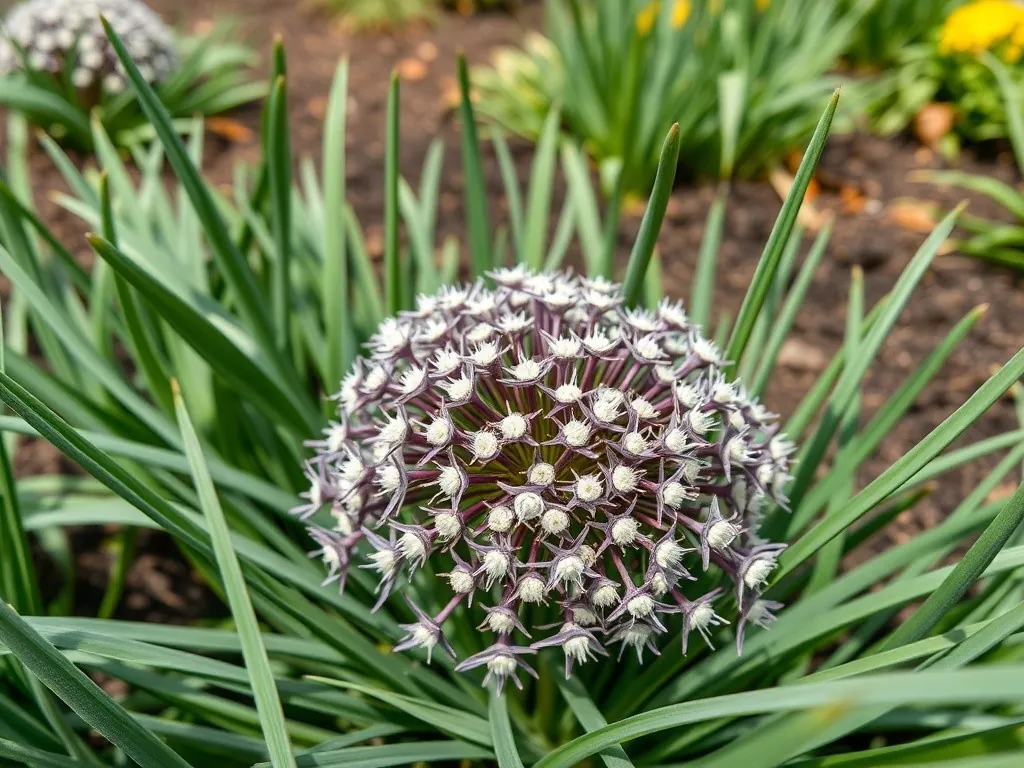
Onion takes up little space in the topsoil and deters some soil pests, without competing with the shallow-rooted beetroot for nutrients.
Different nutrient requirements and a different root system limit competition between the species in the same bed.
Bad companions
Beetroot and spinach belong to the same family (Amaranthaceae) and are susceptible to the same diseases and pests, e.g. downy mildew, which increases the risk when planted close together.
The evidence level indicates whether the relationship is backed by research, observation, or gardening tradition.
Toxicity
| For whom | Level | Notes |
|---|---|---|
| Humans | None | The roots and leaves are fully edible; they contain oxalates, which in very large amounts can burden the kidneys of susceptible people (e.g. prone to kidney stones). |
| Dogs | None | — |
| Cats | None | — |
History and origin
It descends from the wild sea beet (Beta vulgaris subsp. maritima), grown around the Mediterranean and on European coasts since antiquity, initially mainly for its leaves. Cultivation for the storage root spread in the Middle Ages, and beetroot became a staple of many Central and Eastern European cuisines.
Uses
A root vegetable widely used in the kitchen (borscht, salads, pickles), grown in home gardens and allotments. Young leaves are edible in the same way as spinach.
Trivia
- Beetroot's intense red colour comes from betalains — pigments rare in the plant world and not found in most other vegetables.
- Sugar beet, grown for sugar production, is the same botanical species as beetroot, just a different cultivated variety.
Frequently asked questions
Why do beetroot roots split or become woody?
The most common cause is uneven watering — a long dry spell followed by heavy rain or watering causes rapid growth and root splitting. Regular, moderate watering prevents this problem.
Are beetroot leaves edible?
Yes, young beetroot leaves are edible and are prepared in the same way as spinach — stewed or added to salads. They are a valuable source of vitamins and are worth using rather than discarding when harvesting the roots.
When should beetroot be sown and harvested?
Sowing is done directly into the ground from April to June, at intervals of a few weeks to extend the harvest. Roots are harvested successively from July (young beets) until October, once they reach full size and before the first hard frosts.
Sources
- Plants of the World Online (POWO) — Beta vulgarisDatabase (GBIF, POWO…)
- RHS — Growing beetrootInstitution / botanical garden
My note
A private note for this plant — saved in your browser.