In short
- Position: full sun, at least a few hours of direct light per day.
- Requires frequent watering — in pots it can dry out even once a day in summer.
- Flowers abundantly from June until the first frosts, if the spent flowers are removed regularly.
- Grown as an annual — it does not overwinter in the Polish climate.
- Trailing cultivars (surfinias) and upright cultivars need slightly different training and pruning.
Botanical data
- Family
- Solanaceae (Solanaceae)
- Height
- 0.2–0.4 m
- Width
- 0.3–0.7 m
- Habit
- Spreading
- Growth rate
- Fast
- Position
- Full sun
- Soil
- Humus-rich, Sandy
- pH reaction
- pH 6–7
- Moisture
- Moderate
- Bloom
- June–October
- Hardiness
- —
- Propagation
- From seed, From cuttings
Characteristics
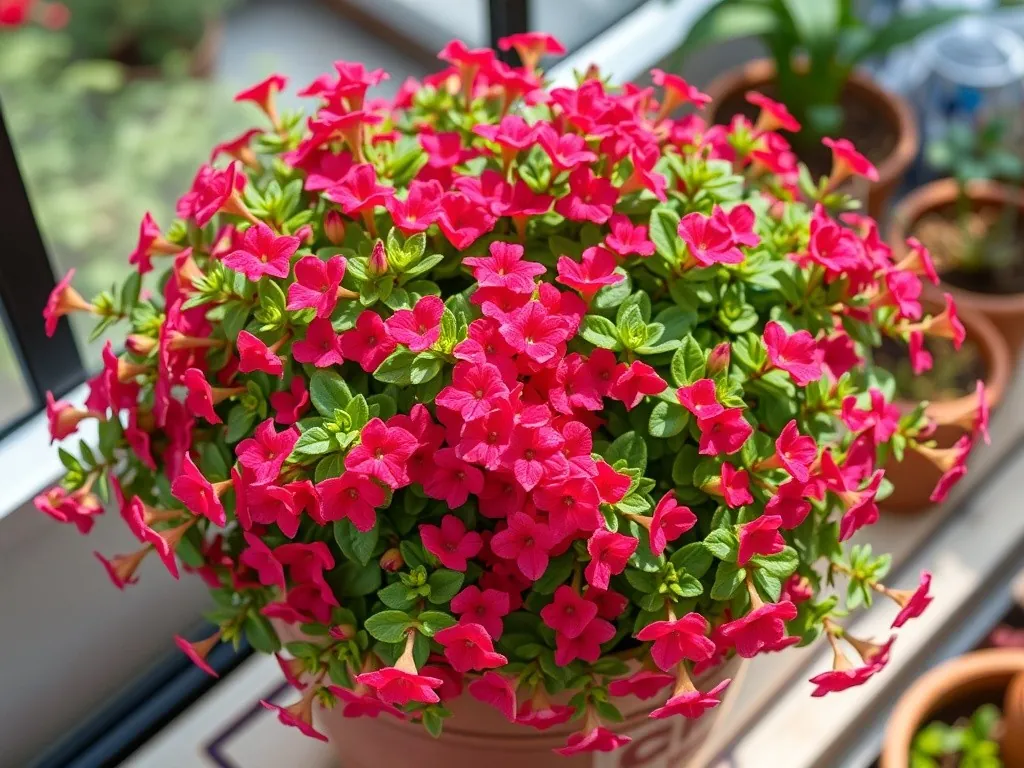
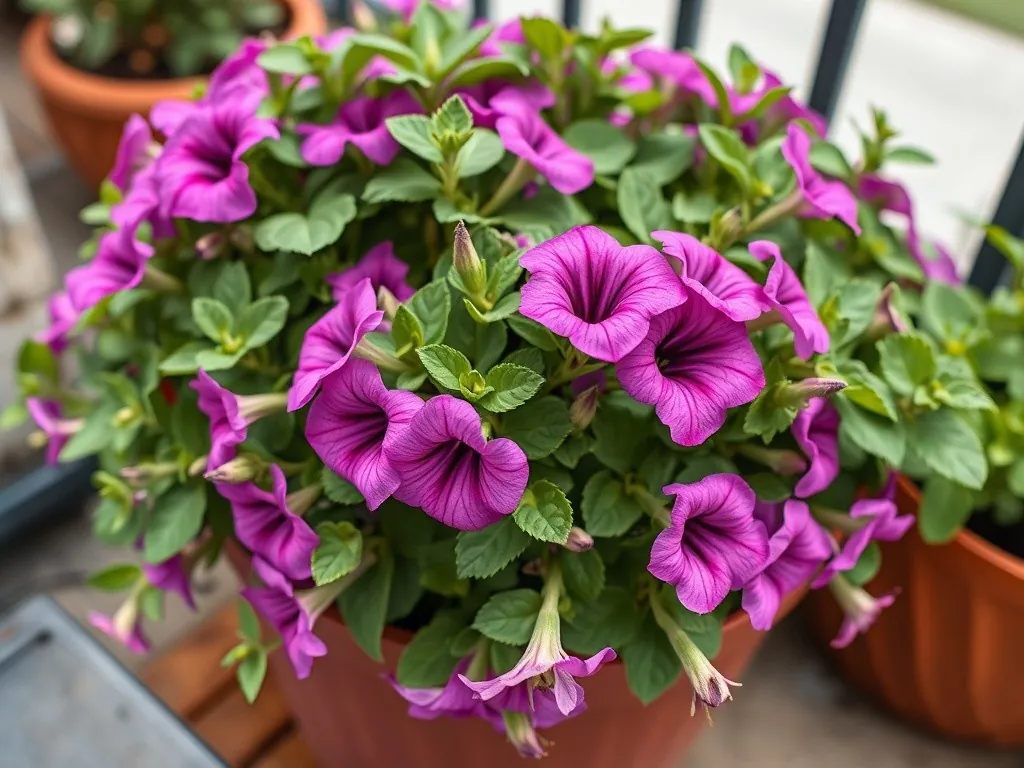
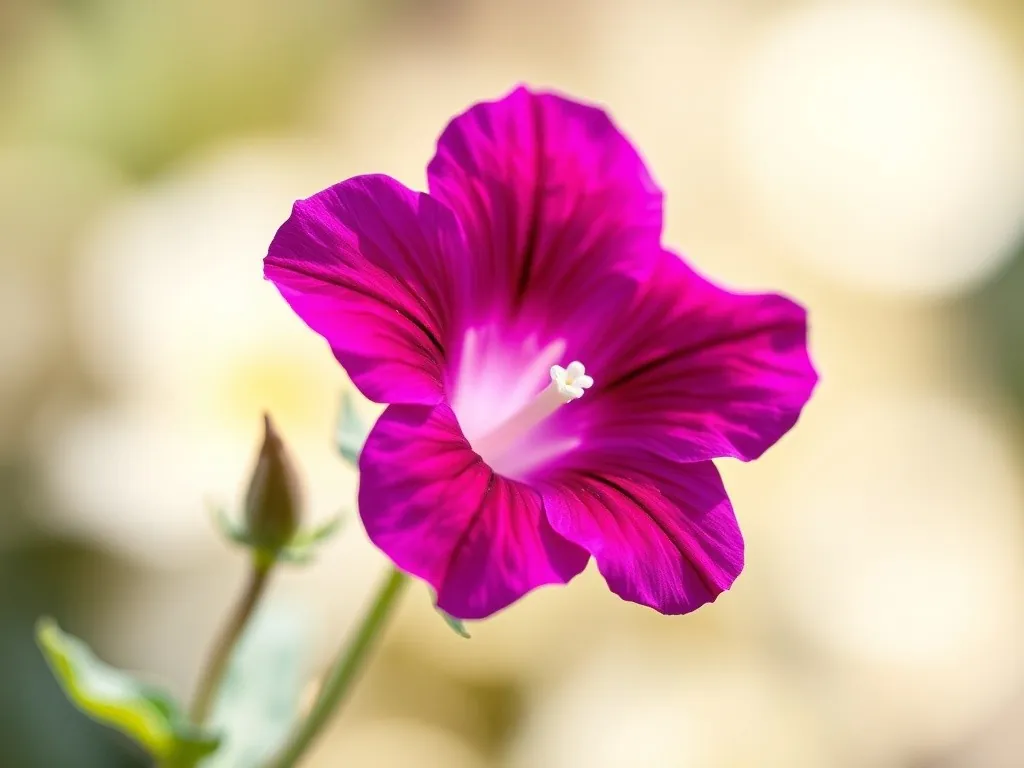
Forms spreading or trailing shoots covered with sticky, hairy leaves. The funnel-shaped flowers, 5–10 cm in diameter, appear en masse throughout the season, in colours from white through pink and violet to red, often with a contrasting throat or veining.
Growing and care
Watering
In balcony boxes and pots it dries out very quickly — in summer it sometimes needs daily watering. Standing water in the saucer leads to root rot.
Fertilizing
Diluted according to the manufacturer's instructions — potted plants quickly exhaust the supply of nutrients in the substrate.
Planting
Fertile, well-drained potting soil with a drainage layer at the bottom of the container.
Pruning
Remove spent flowers (deadheading) and cut back excessively elongated shoots by half to stimulate branching and repeat flowering.
Companion plants
Good companions
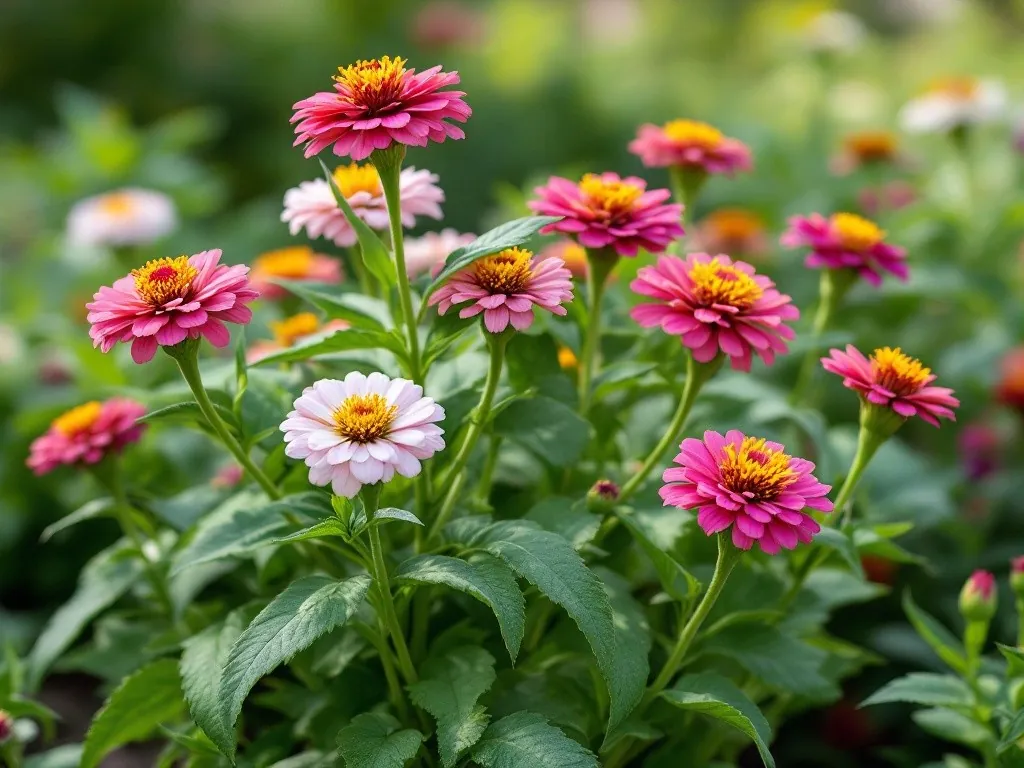
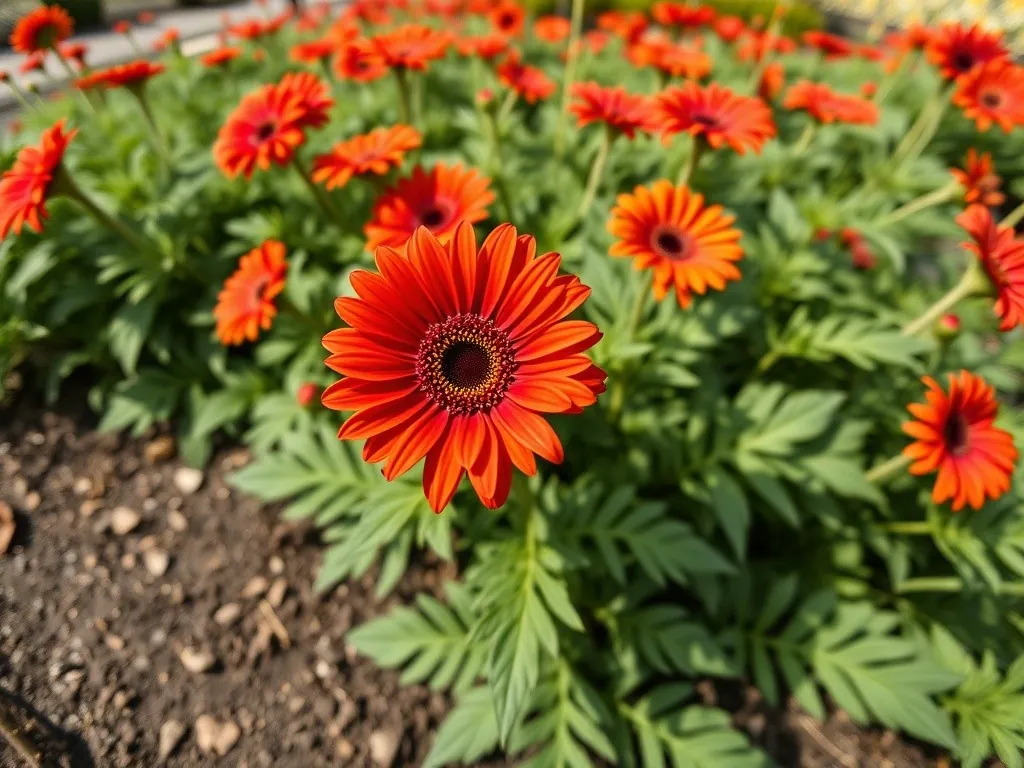
Similar light and water requirements, and the intense scent of the marigold helps to limit some pests in the vicinity.
A classic combination on balconies — identical requirements for a sunny position and a similar watering rhythm.
Bad companions
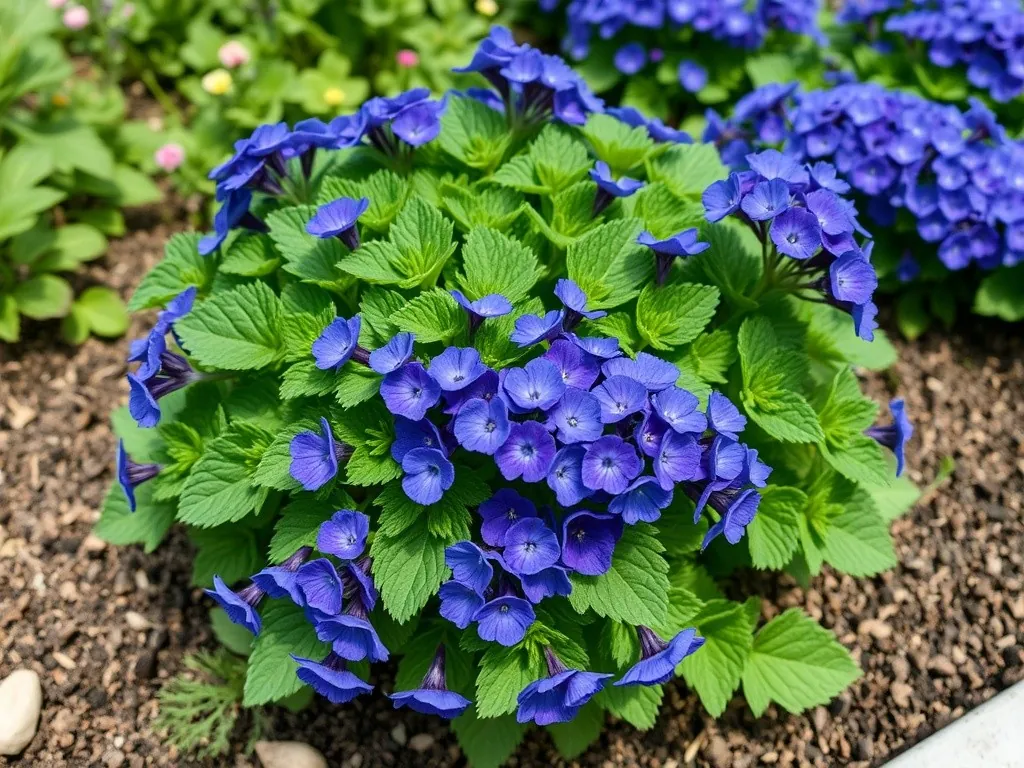
Completely different light requirements — in the same box one of the plants will always be in poorer conditions.
The evidence level indicates whether the relationship is backed by research, observation, or gardening tradition.
Toxicity
| For whom | Level | Notes |
|---|---|---|
| Humans | None | — |
| Dogs | Mild | Eating a larger amount of leaves can cause mild stomach irritation. |
| Cats | Mild | — |
History and origin
The petunia reached Europe from South America around the turn of the 18th and 19th centuries. The modern garden hybrids were bred in the 19th century from crossing several wild species, and intensive breeding of cultivars (including the trailing surfinias) continues to this day.
Uses
Ideal for balcony boxes, hanging baskets, terrace pots and annual borders in full sun. Trailing cultivars are excellent for concealing railings and low walls.
Trivia
- The genus name comes from the Brazilian word 'petun', meaning tobacco — the petunia is related to tobacco and the tomato.
- Some cultivars with dark, velvety flowers are more strongly scented in the evening, attracting pollinating moths.
Frequently asked questions
Why did my petunia stop flowering in midsummer?
The most common cause is a lack of regular removal of spent flowers and depletion of fertiliser from the substrate. It is also worth trimming the elongated shoots — this stimulates new branching and flowers.
How often should a petunia in a balcony box be watered?
On hot days even daily, because shallow containers dry out quickly. It is best to check the moisture of the substrate with a finger and water when the top layer is dry.
Will a petunia survive the winter in Poland?
No — it is an annual, sensitive to frost. It dies after the first autumn frosts, and a new one has to be planted every year.
Sources
- Plants of the World Online (POWO) — Petunia × hybridaDatabase (GBIF, POWO…)
- Missouri Botanical Garden Plant Finder — PetuniaInstitution / botanical garden
My note
A private note for this plant — saved in your browser.