In short
- Position: full sun, fertile, well-drained soil with a neutral pH.
- Flowers early (April–May) — sensitive to frost during the flowering period.
- Many cultivars need a different cultivar as a pollinator for good fruit set.
- Annual formative and thinning pruning is essential for the health of the crown.
- Long-lived — with good care it bears fruit for decades.
Botanical data
- Family
- Rosaceae (Rosaceae)
- Height
- 4–12 m
- Width
- 3–6 m
- Habit
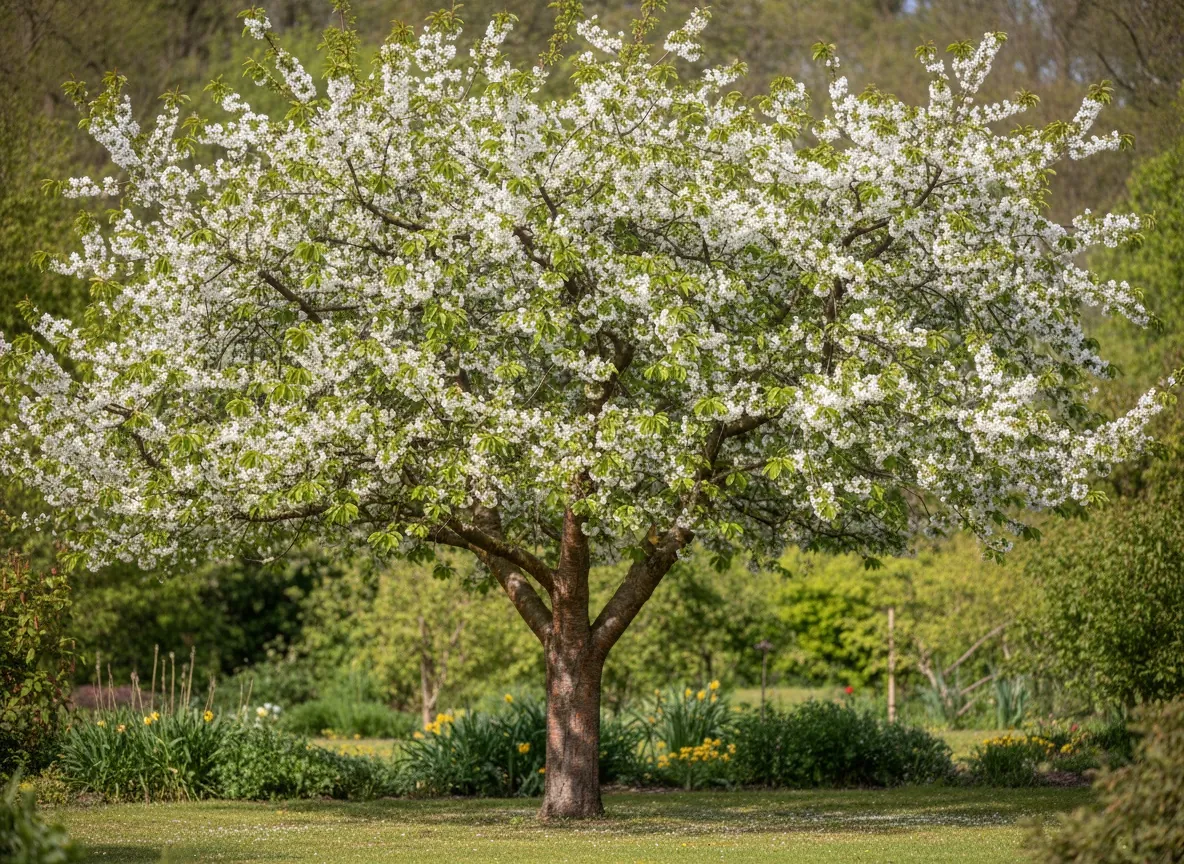
- Conical
- Growth rate
- Moderate
- Position
- Full sun
- Soil
- Loamy, Humus-rich
- pH reaction
- pH 6–7
- Moisture
- Moderate
- Bloom
- April–May
- Hardiness
- USDA 5a–8b
- Propagation
- From cuttings, From seed
Characteristics
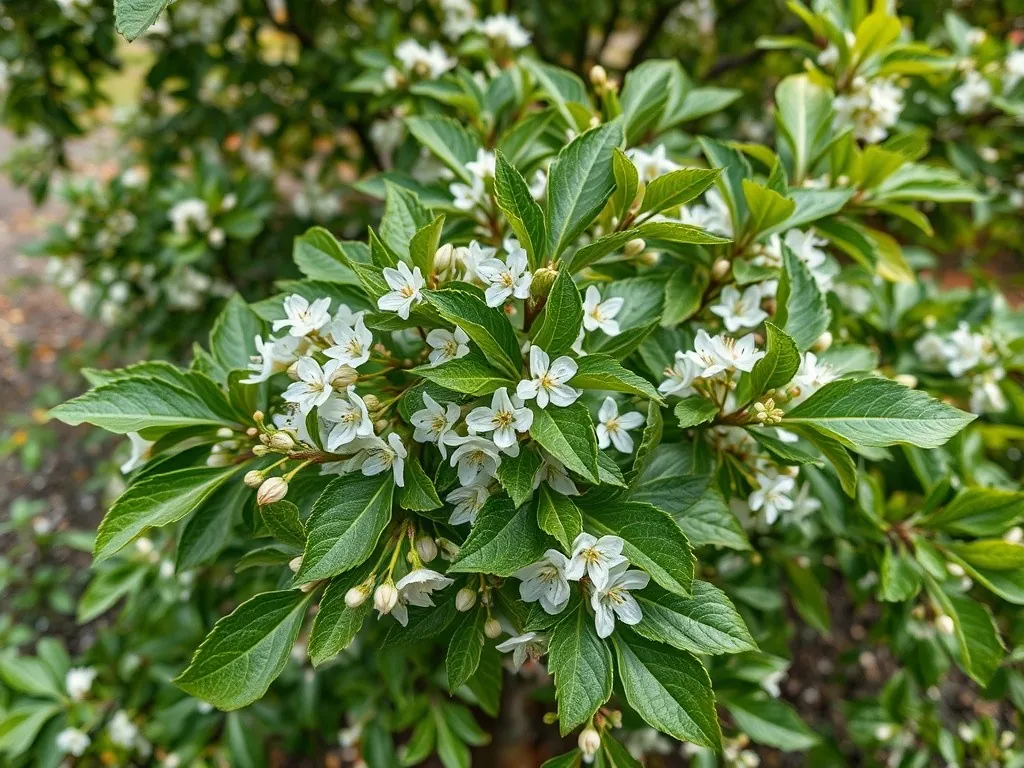
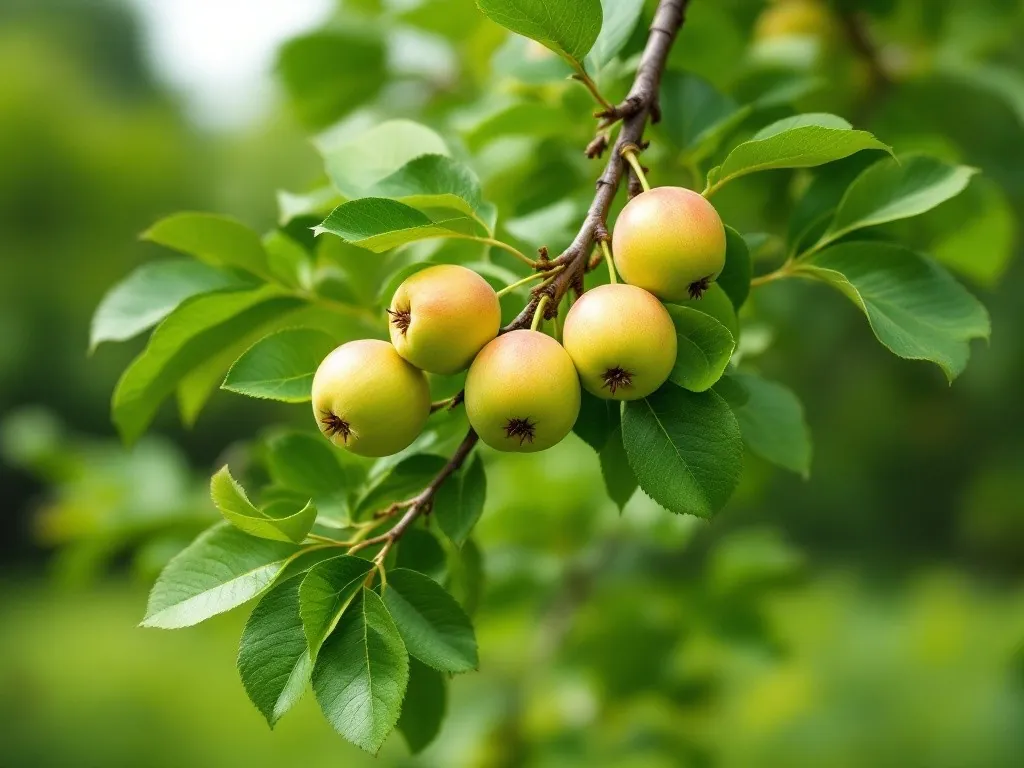
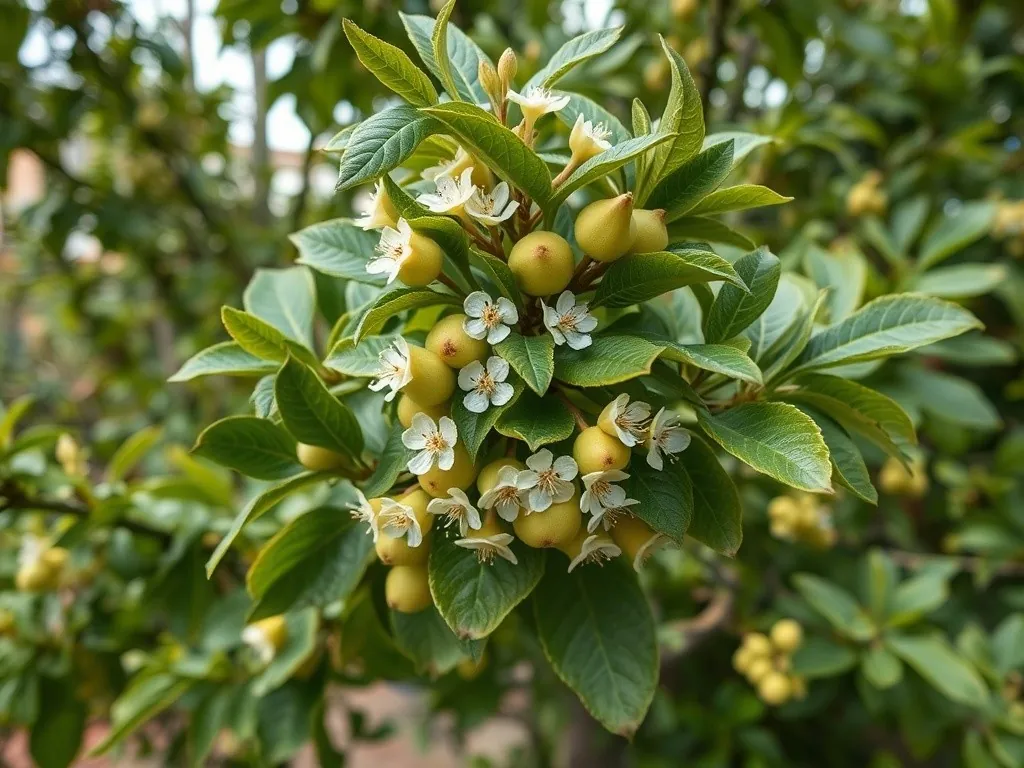
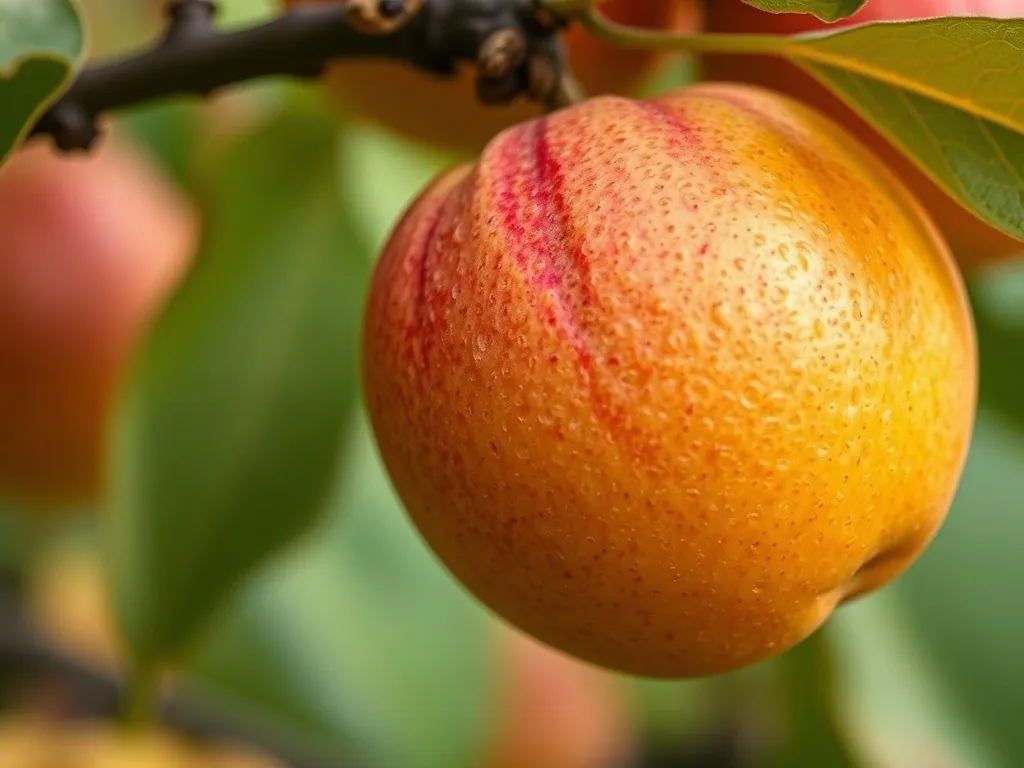
A vigorously growing tree that forms a slender, conical crown when young, becoming broader with age. The white flowers, gathered in clusters, appear before or together with the leaves. The fruit is the characteristic pear-shaped pome with seed chambers, its flesh containing stone cells that give it a distinctive, slightly crisp texture.
Growing and care
Watering
Water young trees regularly until fully established (2–3 seasons); mature pear trees tolerate short dry spells well thanks to their deep root system.
Fertilizing
Moderate — excess nitrogen prolongs shoot growth at the expense of flower bud formation and weakens the health of the wood.
Planting
A planting hole wider than the root ball, soil loosened and enriched with compost; a sunny position sheltered from strong winds during the flowering period.
Pruning
Forming a tiered or open-centre crown in the first years; later thinning cuts — removing competing shoots, crossing shoots and so-called water sprouts growing vertically into the interior of the crown.
Companion plants
Good companions
Sown in the orchard understorey, it deters certain pest insects and attracts pollinators during the pear's flowering period.
They maintain a steady population of pollinators and beneficial insects in the orchard, supporting fruit set.
Bad companions
Competes with the pear for the same pollinators during a similar flowering period and shares its susceptibility to fire blight, a dangerous bacterial disease that spreads easily between rose-family trees growing close together.
Juniper is the intermediate host of the fungus that causes pear rust, a dangerous disease of pear leaves and fruit.
The evidence level indicates whether the relationship is backed by research, observation, or gardening tradition.
Toxicity
| For whom | Level | Notes |
|---|---|---|
| Humans | None | The pips contain small amounts of cyanogenic compounds, as in other rose-family plants, but the fruit itself is completely safe and edible. |
| Dogs | None | — |
| Cats | None | — |
History and origin
Cultivated in Europe and Asia Minor since antiquity — already known to the Greeks and Romans, who described numerous varieties. Intensive breeding of new cultivars developed in France and Belgium in the 18th and 19th centuries, laying the foundations for most of today's dessert varieties.
Uses
Orchard cultivation for dessert fruit, for preserves (compotes, dried fruit, liqueurs), and as an avenue or specimen tree in larger gardens and parks thanks to its decorative, abundant blossom.
Trivia
- Some old pear trees live for more than 100–150 years, considerably longer than typical apple trees.
- The 'Conference' cultivar was bred in England and owes its name to an award it won at a horticultural conference in 1885.
Frequently asked questions
Why does my pear tree flower beautifully but not set fruit?
The most common cause is the lack of a suitable pollinator — many pear cultivars are self-infertile and need a second cultivar flowering at the same time nearby, as well as the presence of bees during the flowering period.
How do you recognise fire blight on a pear tree?
The characteristic symptom is a sudden, black, scorched-looking wilting of flowers, leaves and young shoots, which droop in a 'shepherd's crook' shape. Affected parts must be cut out immediately, well below the symptoms, and tools must be disinfected.
When should you harvest pears so they ripen well?
Most cultivars are picked slightly before full ripeness — when the fruit separates easily from the twig with a gentle lift — and left to ripen in a cool room, because pears left to ripen on the tree often brown from the inside.
Sources
- RHS — Pyrus communis (pear)Institution / botanical garden
- Plants of the World Online (POWO)Database (GBIF, POWO…)
My note
A private note for this plant — saved in your browser.