In short
- Leaves and flowers lie flat on the water surface, growing from a rhizome rooted in the bottom of the water body.
- Blooms from June to September — flowers open in the morning and close in the afternoon.
- Needs full sun for abundant flowering.
- Water depth over the rhizome should be roughly 40–100 cm.
- Partially protected species in Poland — must not be dug up from natural water bodies.
- Spreads via rhizomes planted in baskets on the bottom of a garden pond.
Botanical data
- Family
- Nymphaeaceae (Nymphaeaceae)
- Height
- 0.1–0.3 m
- Width
- 1–1.5 m
- Habit
- Creeping
- Growth rate
- Moderate
- Position
- Full sun
- Soil
- Clay, Humus-rich
- pH reaction
- Neutral (pH 6.5–7.2)
- Moisture
- Wet
- Bloom
- June–September
- Hardiness
- USDA 4a–9b
- Propagation
- By division, By runners
Characteristics
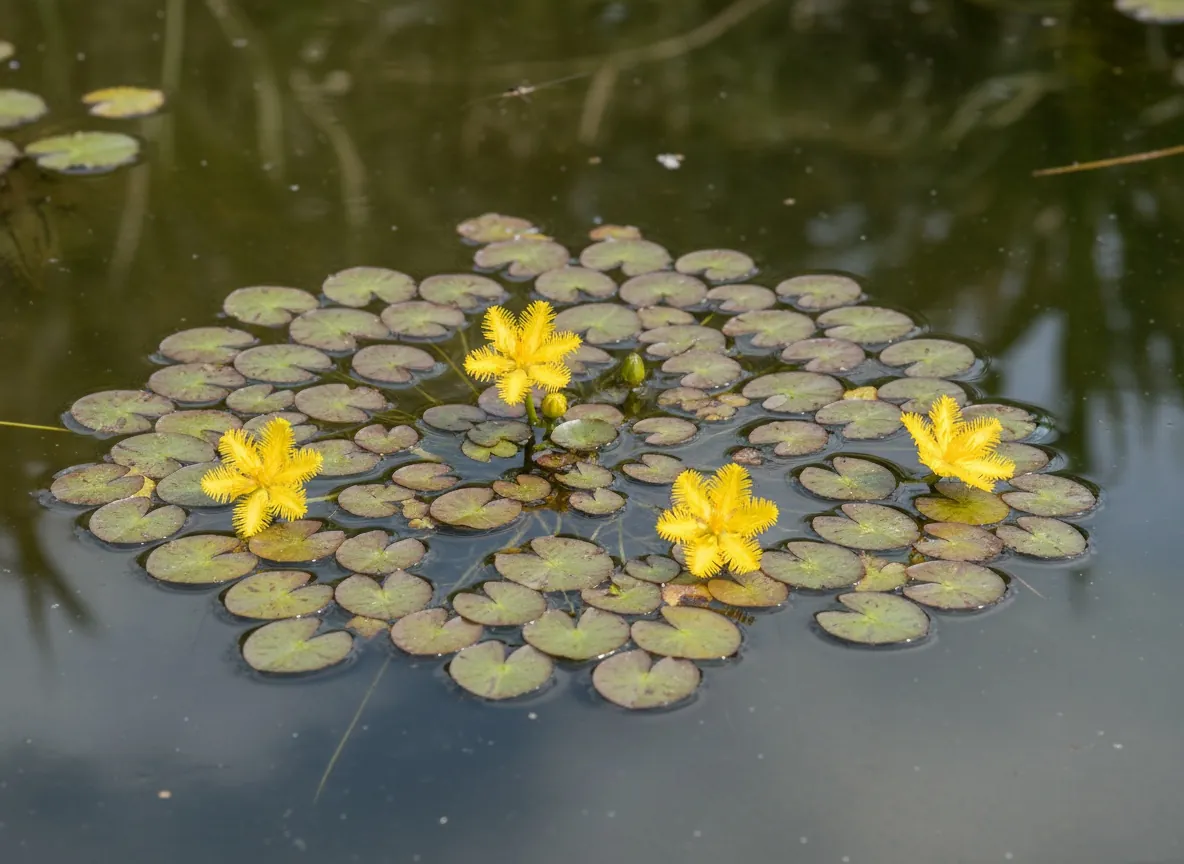
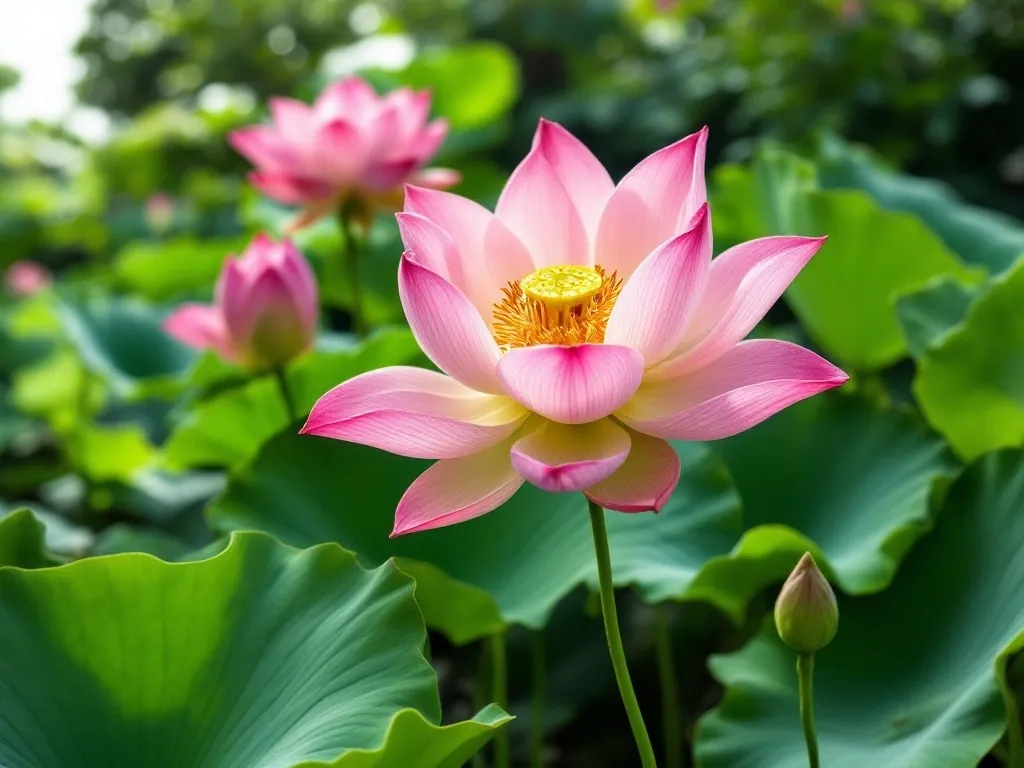
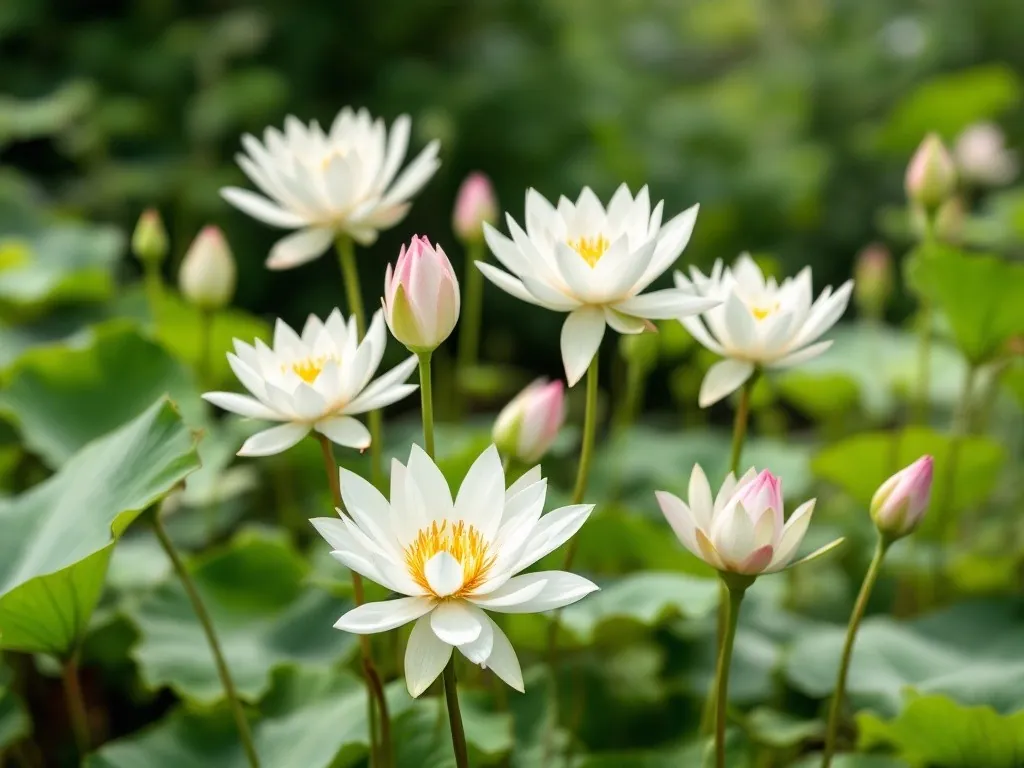
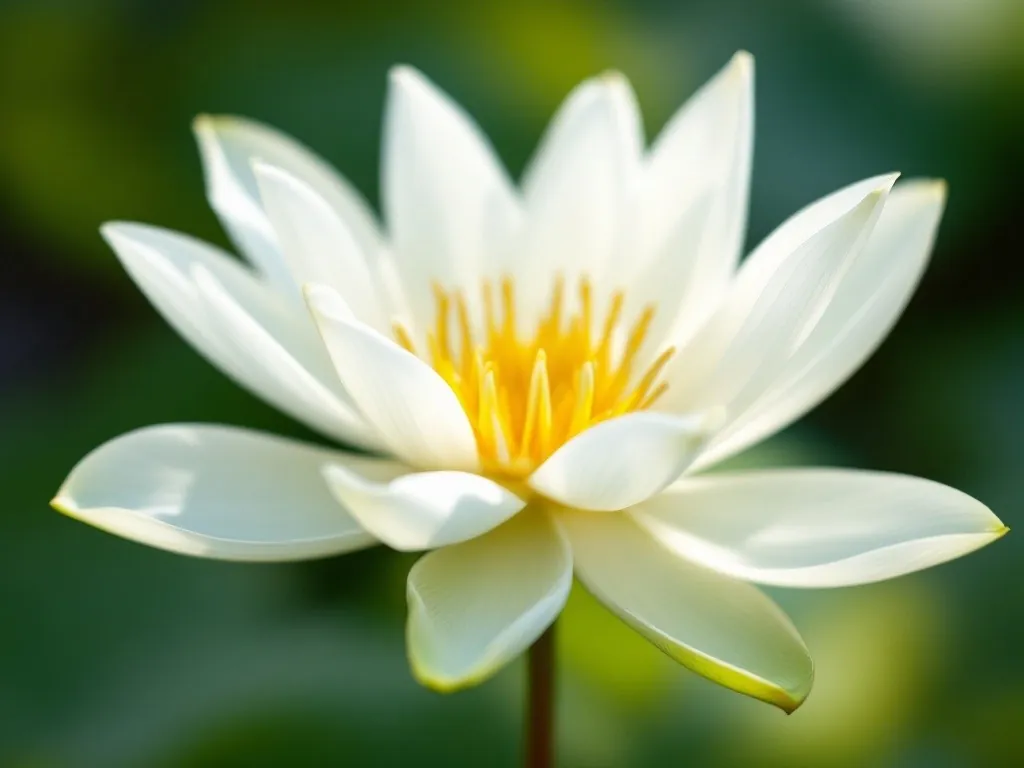
A perennial aquatic plant rooted by a thick rhizome in the bottom of the water body, from which long leaf and flower stalks grow up to the water surface. The round, leathery leaves (up to 20–30 cm in diameter) float flat on the water, while the white, star-shaped flowers with numerous petals and a yellow center rise just above the surface. The entire visible part of the plant lies practically at water level — hence the small stated height (0.1–0.3 m) despite the large spread of the colony (1–1.5 m or more after years of growth).
Growing and care
Fertilizing
The fertilizer tablet is pushed deep into the substrate of the planting basket so the nutrients don't dissolve directly into the pond water.
Planting
The rhizome is planted in a mesh basket filled with heavy, clay-rich aquatic soil, weighted with gravel. Water depth over the rhizome crown is the key parameter: for white waterlilies it should be roughly 40–100 cm, depending on how high the basket is set on the bottom of the water body — young, weaker plants are planted closer to the surface and lowered over time, while mature specimens do well even in deeper water.
Pruning
Remove yellowing and rotting leaves and spent flowers above the water surface, which reduces organic decay in the water body and improves its clarity.
Companion plants
Good companions
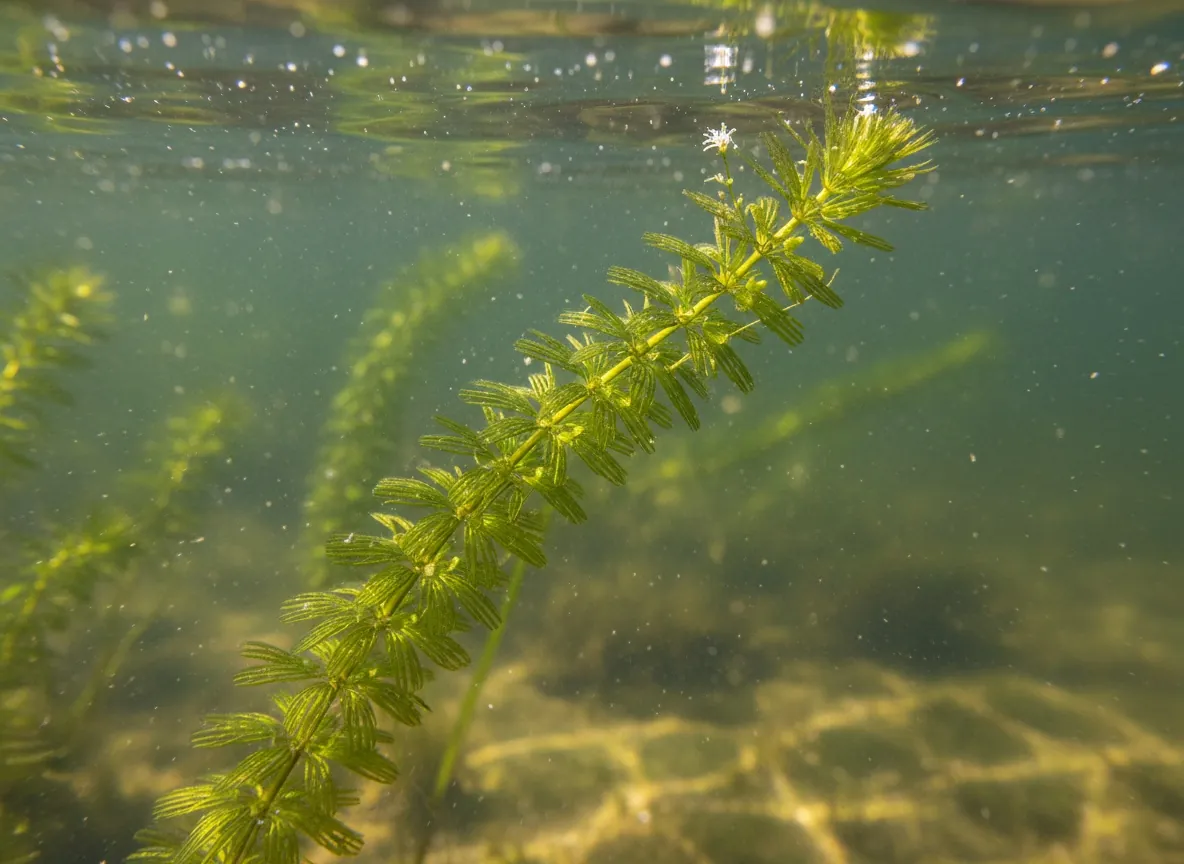
Underwater oxygenating plants, together with waterlilies, help keep the water clear and maintain the pond's biological balance, limiting algae growth.
Bad companions
Duckweed very quickly covers the entire water surface, shading the waterlily's leaves and limiting their access to light, which weakens flowering.
The evidence level indicates whether the relationship is backed by research, observation, or gardening tradition.
Diseases and pests
Toxicity
| For whom | Level | Notes |
|---|---|---|
| Humans | None | — |
| Dogs | None | — |
| Cats | None | — |
History and origin
The white waterlily has long been a symbol of the purity and calm of water in European culture, appearing in painting, poetry, and folklore (it inspired, among others, motifs in Art Nouveau and Impressionism, though Monet's most famous canvases mainly depict garden Nymphaea cultivars). In many parts of Europe, the plant was formerly used in folk medicine, including as an astringent.
Uses
For natural and garden ponds with still or very slow-moving water. Planted in baskets on the bottom of the water body, they provide natural shading of the water and shelter for fish and aquatic insects.
Trivia
- Waterlily flowers open only on sunny days and close at night and in cloudy weather.
- In Poland, the white waterlily is under partial legal species protection — collecting it from natural water bodies is prohibited.
Frequently asked questions
How deep should the white waterlily be planted?
The basket with the rhizome is placed so that the water above its crown is roughly 40–100 cm deep. Young plants are best planted closer to the surface (e.g., on a stand) and lowered deeper over time as they establish.
Is the white waterlily protected in Poland?
Yes, this species is under partial legal protection in Poland. It cannot be dug up or collected from natural water bodies — plants for the garden should be purchased from nursery cultivation.
Why isn't my waterlily flowering?
The most common cause is insufficient sunlight at the site, or water that is too deep for a still-young, poorly established plant. Waterlilies need full sun for most of the day to bloom abundantly.
Sources
- Plants of the World Online (POWO)Database (GBIF, POWO…)
- RHS — Nymphaea albaInstitution / botanical garden
My note
A private note for this plant — saved in your browser.