In short
- Position: full sun, well-drained soil, tolerates a wide range of pH.
- Very drought-resistant, does not tolerate waterlogging.
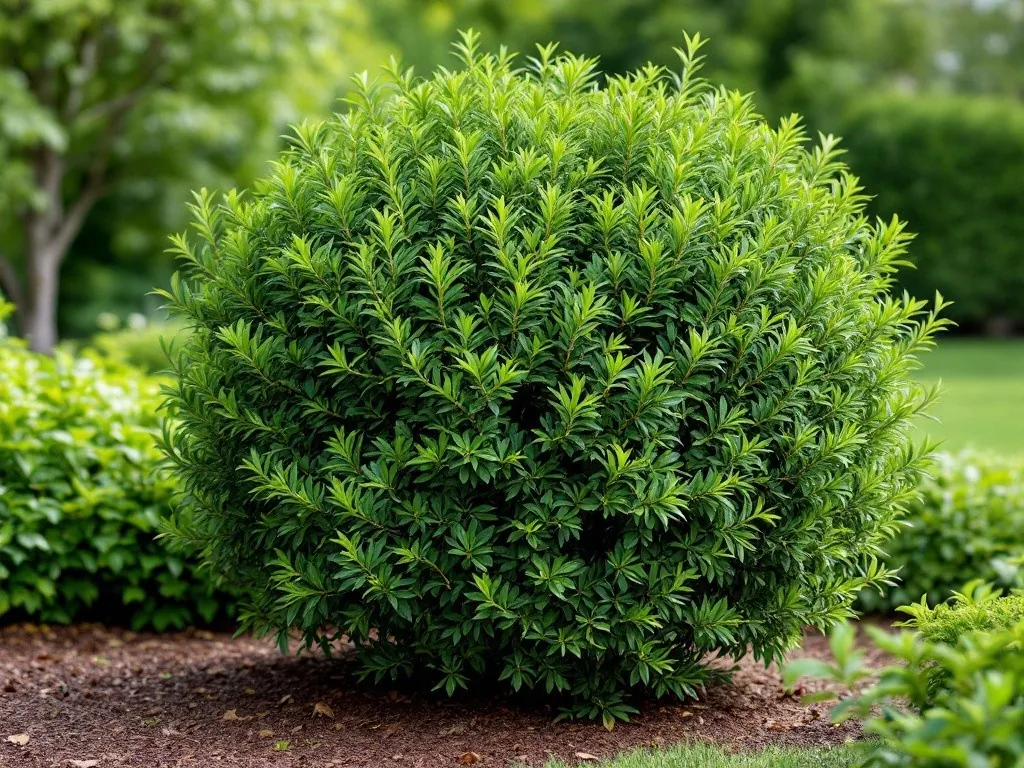
- Many cultivar forms — columnar, globe-shaped, creeping ground-cover types.
- The berry-cones are toxic in larger amounts — not suitable for consumption.
- Readily used for bonsai thanks to how easily it can be shaped.
Botanical data
- Family
- Cupressaceae (Cupressaceae)
- Height
- 0.3–5 m
- Width
- 0.5–3 m
- Habit
- Columnar
- Growth rate
- Moderate
- Position
- Full sun
- Soil
- Sandy, Loamy, Chalky
- pH reaction
- pH 5.5–7.5
- Moisture
- Dry, Moderate
- Bloom
- —
- Hardiness
- USDA 4a–9a
- Propagation
- From cuttings
Characteristics
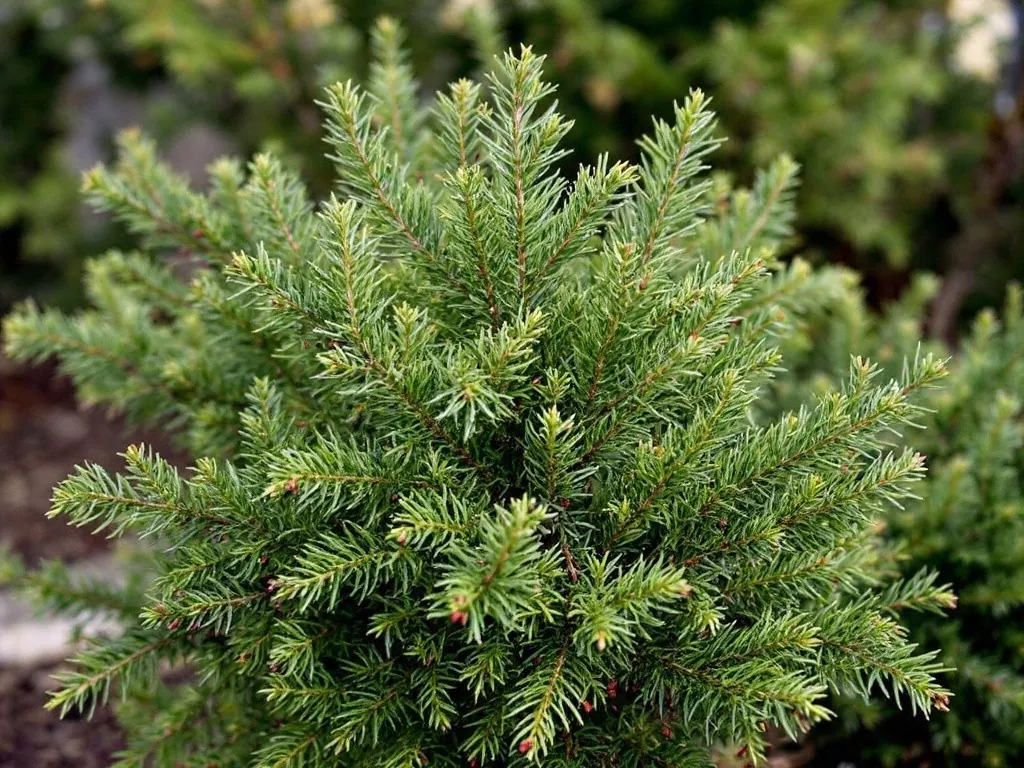
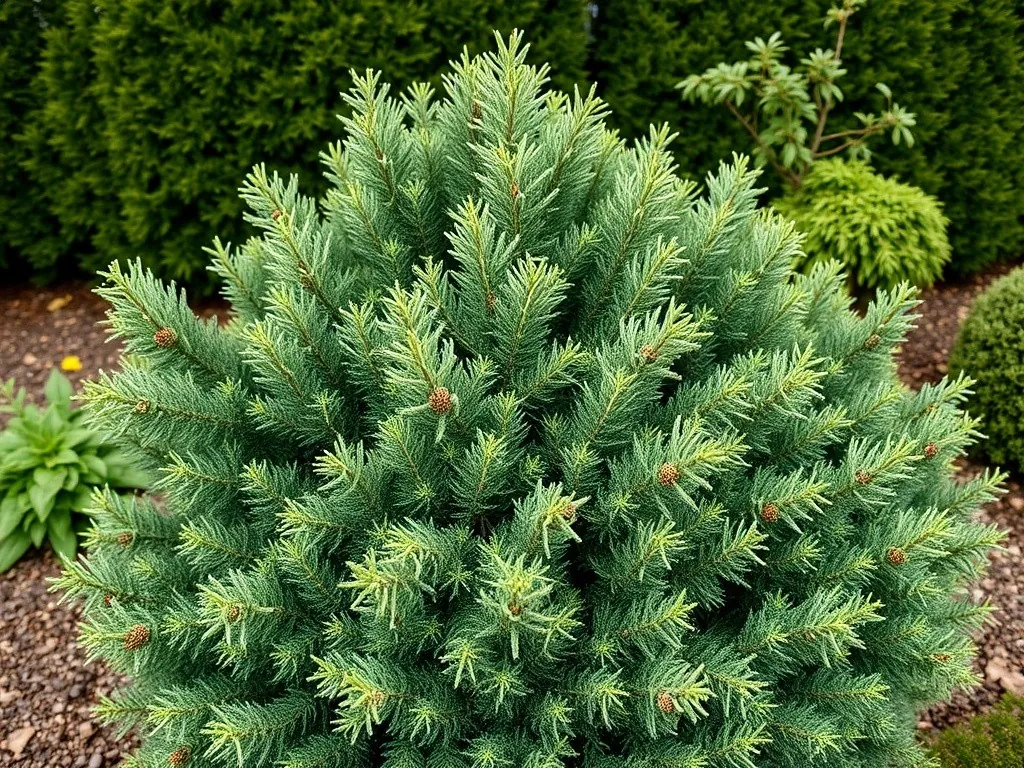
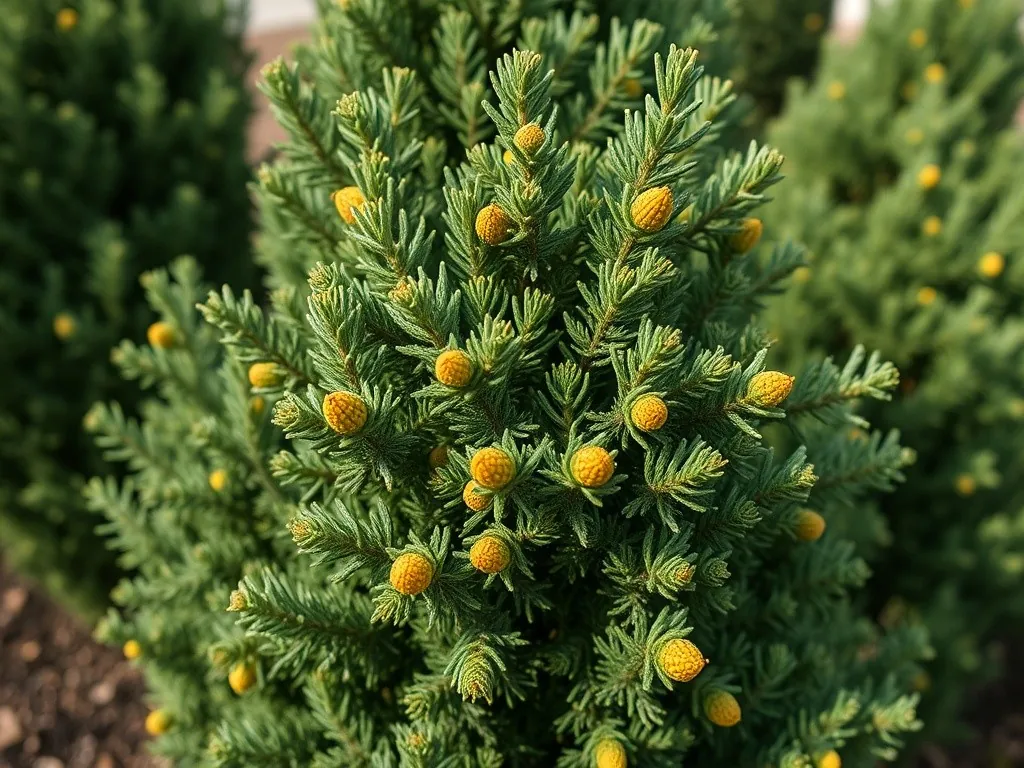
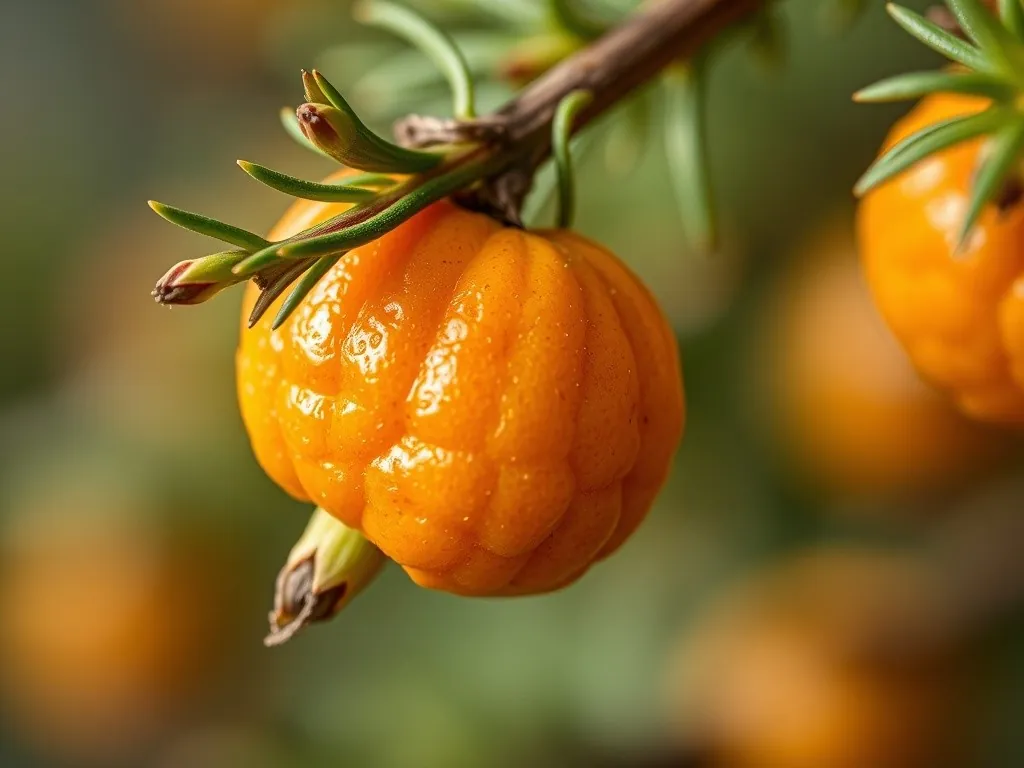
The habit varies greatly depending on the cultivar — from low, creeping ground-cover forms to narrow, columnar shrubs several metres tall. The juvenile needles are prickly and awl-shaped, while the mature ones are scale-like and pressed against the shoot; both forms often occur simultaneously on the same plant. Female specimens produce small, blue-grey berry-cones.
Growing and care
Watering
Very drought-resistant once established. Water regularly only in the first season and for specimens in pots; avoid waterlogging, which quickly leads to root rot.
Fertilizing
Sparingly — juniper grows well in poor, well-drained soils and dislikes over-fertilising.
Planting
Well-drained soil in full sun; planting distance depends strongly on the cultivar — from creeping to columnar.
Pruning
Lightly shape young growth; the columnar and creeping forms respond well to regular, gentle pruning. The species is readily used for bonsai owing to how easily the trunk and branches can be shaped.
Companion plants
Good companions
Similar requirements — full sun and dry, well-drained soil; they work well together in gravel and rock gardens.
The Mediterranean lavender and the Asian juniper have matching needs — sun, dryness, well-drained substrate.
Bad companions
Junipers of the genus Juniperus are sometimes an intermediate host of pear rust — proximity encourages the transfer of this fungal disease between the plants.
The evidence level indicates whether the relationship is backed by research, observation, or gardening tradition.
Toxicity
| For whom | Level | Notes |
|---|---|---|
| Humans | Mild | Berry-cones and essential oil can irritate the digestive tract and skin in larger amounts. Unlike common juniper, it is not used as a spice. |
| Dogs | Mild | — |
| Cats | Mild | — |
History and origin
Cultivated in China and Japan for thousands of years, among other things as material for the art of bonsai and niwaki. It reached Europe in the 19th century amid growing interest in Asian plants and quickly became one of the staple juniper species in ornamental gardens.
Uses
Rock and gravel gardens (creeping cultivars as ground cover), hedges and vertical accents (columnar cultivars), pot cultivation and the art of bonsai.
Trivia
- Like most junipers, its berry-cones are toxic in large amounts and should not be eaten — unlike common juniper, they are not used as a spice.
- The narrow, columnar cultivars 'Stricta' and 'Spartan' are among the most commonly planted conifers for hedges in Europe.
- It is one of the most popular species used for bonsai, thanks to its flexible branches and the ease with which the trunk can be shaped.
Frequently asked questions
Are Chinese juniper berries edible?
No — unlike common juniper, whose berry-cones are used as a spice in small amounts, Chinese juniper is not an edible plant, and its fruits can be harmful in larger amounts.
Which Chinese juniper cultivar should you choose for a hedge, and which for ground cover?
For hedges and vertical accents, narrow columnar cultivars such as 'Stricta' or 'Spartan' work well. For covering slopes and rock gardens, creeping cultivars such as 'Blue Alps' or 'Parsonii' are better suited.
Why is Chinese juniper suitable for bonsai?
It has flexible branches, responds well to regular, gentle pruning and wiring, and its varied, coarse bark together with its naturally squat habit convincingly imitate the appearance of a mature tree in miniature.
Sources
- Plants of the World Online (POWO) — Juniperus chinensisDatabase (GBIF, POWO…)
- RHS — Juniperus chinensisInstitution / botanical garden
My note
A private note for this plant — saved in your browser.