In short
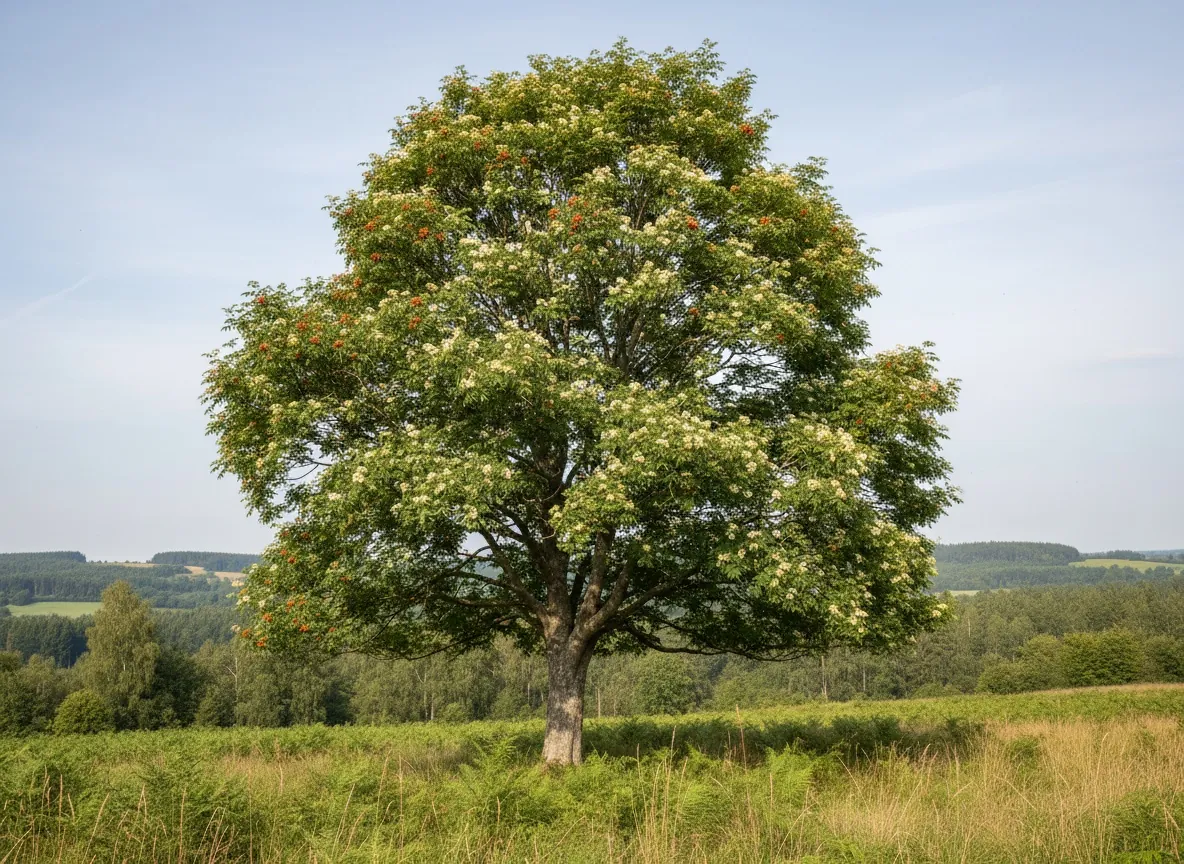
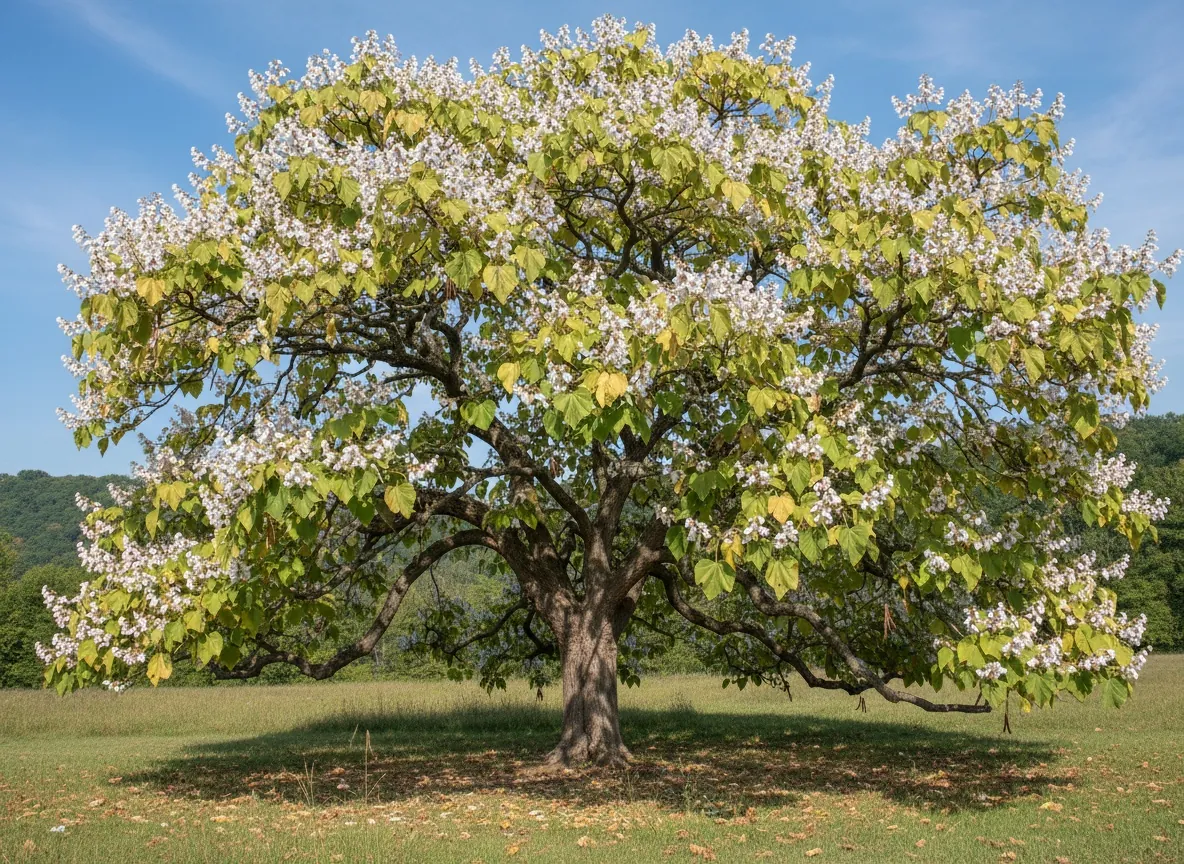
- Heart-shaped leaves up to 30 cm — among the largest of the trees grown in Poland.
- Comes into leaf very late, in May or June — in spring it looks dead, though it is healthy.
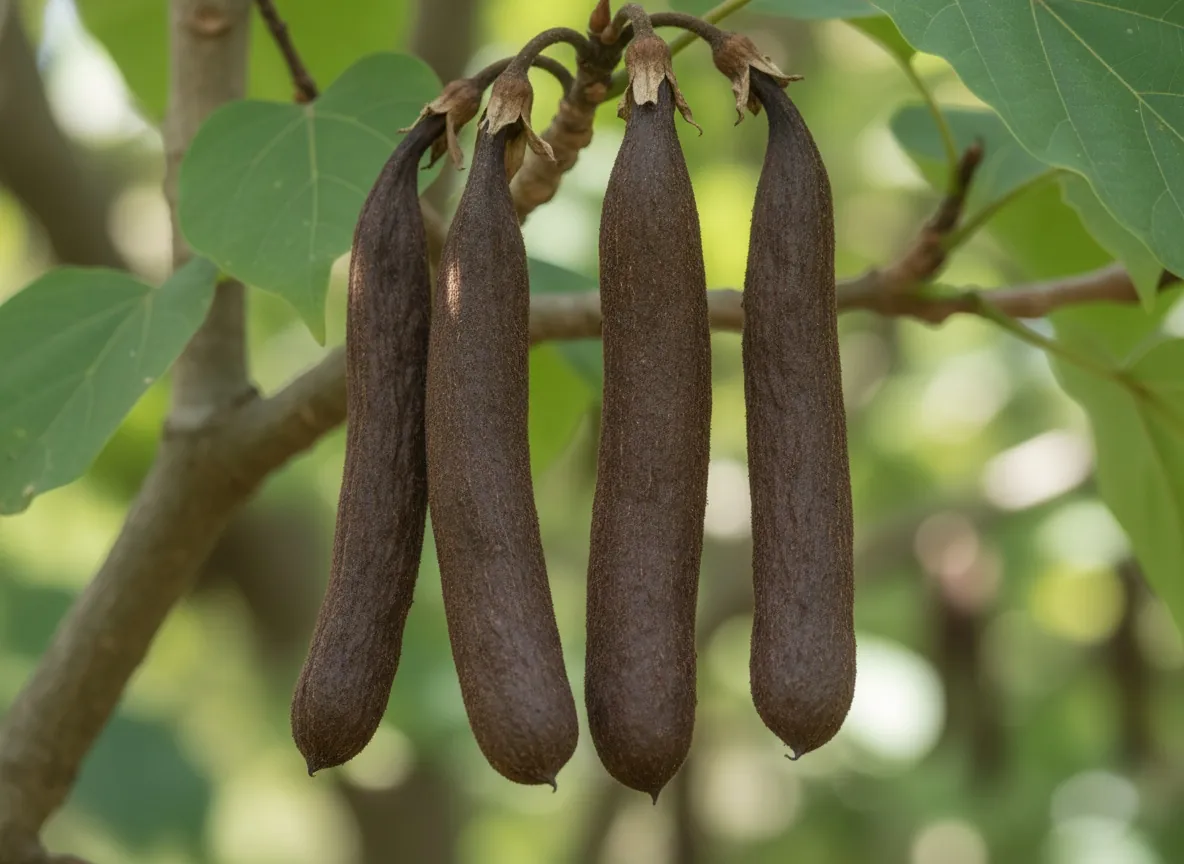
- White flowers in panicles in June and July, then pods up to 40 cm hanging through the winter.
- The branches are brittle — plant in a spot sheltered from wind, away from the terrace and drive.
- Very good for bees; non-toxic, and therefore safe in a garden with children and animals.
Botanical data
- Family
- Bignoniaceae (Bignoniaceae)
- Height
- 8–15 m
- Width
- 8–12 m
- Habit
- Spreading
- Growth rate
- Fast
- Position
- Full sun, Partial shade
- Soil
- Humus-rich, Loamy, Sandy
- pH reaction
- pH 5.5–7.5
- Moisture
- Moderate, Moist
- Bloom
- June–July
- Hardiness
- USDA 5a–9a
- Propagation
- From seed, From cuttings
Characteristics
A tree with a broad, domed, fairly low-set crown and thick, stiff shoots. The leaves are set in opposite pairs or in whorls of three, heart-shaped, up to 30 cm in length and width, and give off an unpleasant smell when crushed. The flowers are bell-shaped, white, spotted yellow and purple in the throat, gathered into large, erect panicles. The fruit is a thin, cylindrical pod 20–40 cm long, turning brown in autumn and hanging from the leafless branches all winter.
Growing and care
Watering
The enormous leaves transpire heavily — in hot weather young trees wilt visibly and need generous watering. Mature specimens cope on their own.
Fertilizing
Moderately — excess nitrogen produces long, soft growth that is even more prone to breaking.
Planting
A warm, sunny and above all WIND-SHELTERED position — in a draught the brittle branches and huge leaves break off easily. Soil fertile and well-drained.
Pruning
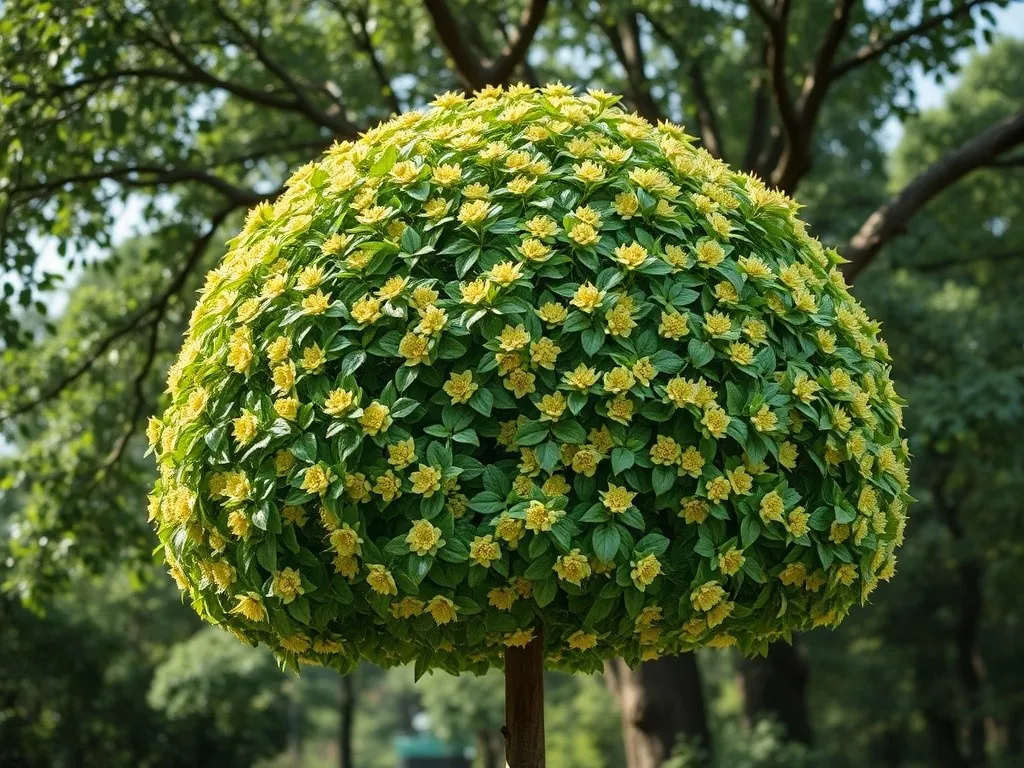
Remove broken and dead shoots. The catalpa tolerates hard pruning well — the cultivar Nana is shaped as a spherical crown on a stem.
Companion plants
Good companions
The catalpa comes into leaf only in May or June, so it is bright beneath its crown all spring — the geophytes have time to flower and rebuild their bulbs.
It tolerates the shade cast by the catalpa's enormous leaves, and their large blades create a coherent composition of coarse texture.
Bad companions
The large falling leaves, spent flowers and long pods make a great deal of mess, and the brittle branches break in stronger winds.
The evidence level indicates whether the relationship is backed by research, observation, or gardening tradition.
Toxicity
| For whom | Level | Notes |
|---|---|---|
| Humans | None | The catalpa is not counted among toxic plants; the pods and seeds are inedible but are not regarded as toxic. |
| Dogs | None | — |
| Cats | None | — |
History and origin
Brought to Europe at the beginning of the 19th century and quickly appreciated for its exotic, almost tropical appearance — it was planted in landscape parks and urban avenues. In the USA the species was also grown with a view to rearing caterpillars used as fishing bait and for its durable, rot-resistant timber for fence posts.
Uses
For parks, large gardens and urban plantings as a specimen on a lawn, where the whole silhouette and the pods can be seen. It tolerates air pollution. For smaller gardens the cultivar Nana is suitable, grafted on a stem and forming a compact, spherical crown without flowers — planted mainly by entrances and in rows along paths.
Trivia
- The name cigar tree comes from the pods, which in shape and colour resemble cigars hanging from the branches.
- The catalpa starts into growth as one of the last trees in the garden and finishes as one of the first — its leaves blacken and fall after the first sharper frost, practically without any autumn colour.
Frequently asked questions
My catalpa has no leaves in May — has it died?
Almost certainly not. The catalpa is one of the last trees to come into leaf in our climate — the buds usually stir in the second half of May, and sometimes only in June, when the rest of the garden is already fully green. This is the most common cause of panic among owners. Before you declare the tree dead, scrape a little bark off a young shoot with your fingernail: if it is green and moist underneath, the tree is alive and simply waiting for warmth.
Is the catalpa suitable for a small garden?
The species itself rather not — it reaches 8–15 m in height with a similar crown width, drops a lot of litter in the form of leaves, flowers and pods, and its brittle branches break in the wind. For small gardens the cultivar Nana is planted, grafted on a stem at about 2 m: it forms a compact ball 2–3 m across and practically does not flower, so it sets no pods either.
Are catalpa pods and seeds toxic?
No. The catalpa is not counted among toxic plants, either for people or for dogs and cats — the pods are simply inedible and dry. It is one of the few striking, exotic-looking plants that can be planted without concern in a garden with small children. Crushed leaves, on the other hand, have a distinctly unpleasant smell.
Sources
- Plants of the World Online (POWO)Database (GBIF, POWO…)
- Missouri Botanical Garden — Catalpa bignonioidesInstitution / botanical garden
My note
A private note for this plant — saved in your browser.