In short
- An annual plant, sown directly into the ground — it does not like being transplanted.
- Needs full sun and regular watering to delay premature flowering.
- The leaves taste best before flowering; the seeds (fruits) ripen in August–September.
- Flowering dill is an important host plant for the caterpillars of the swallowtail butterfly.
- A classic good companion for cucumbers; avoid proximity to carrots and ripening tomatoes.
Botanical data
- Family
- Apiaceae (Apiaceae)
- Height
- 0.4–1.2 m
- Width
- 0.2–0.3 m
- Habit
- Upright
- Growth rate
- Fast
- Position
- Full sun
- Soil
- Humus-rich, Loamy
- pH reaction
- pH 6–7.5
- Moisture
- Moderate
- Bloom
- June–August
- Hardiness
- —
- Propagation
- From seed
Characteristics
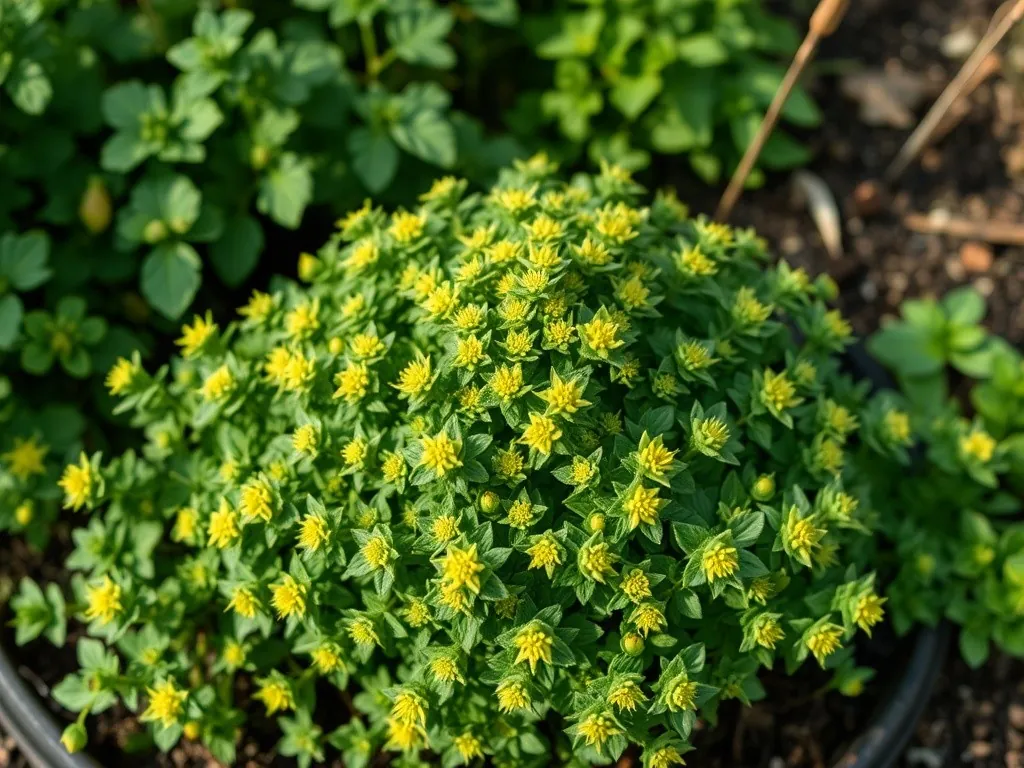
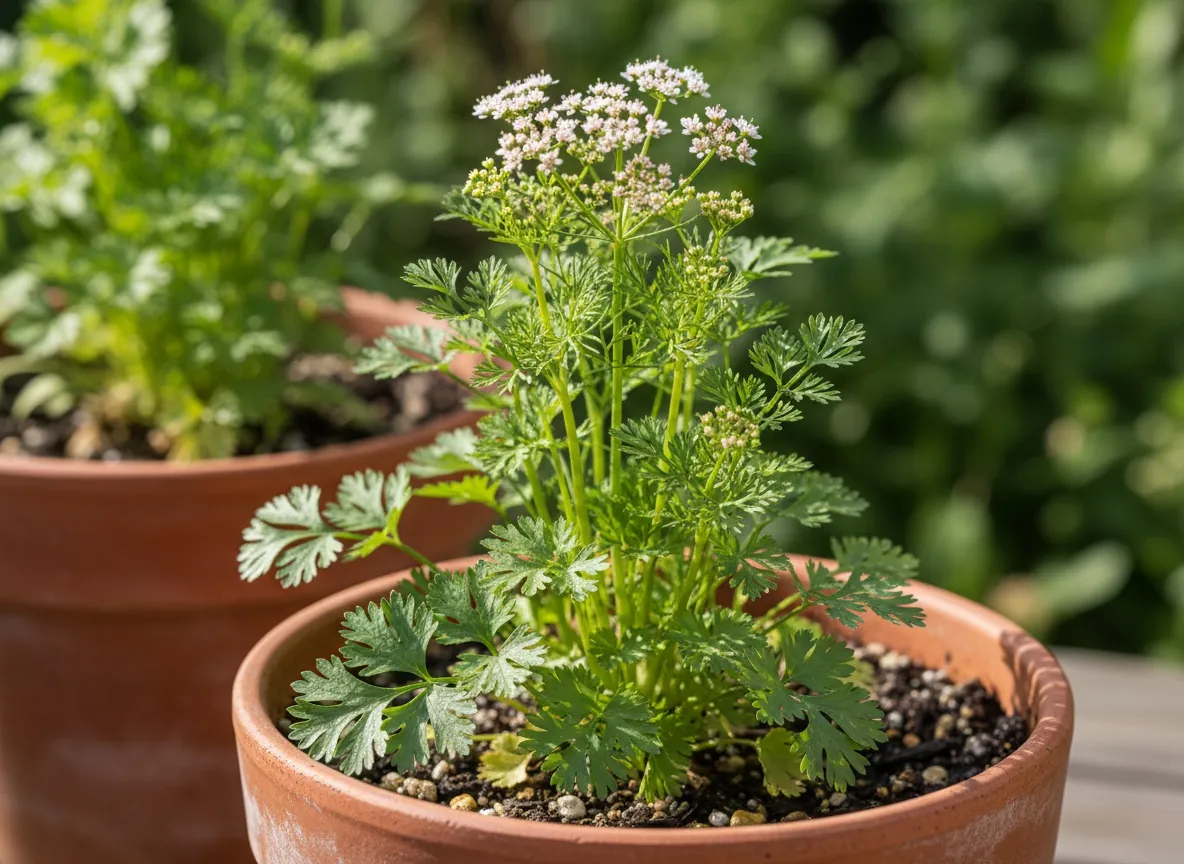
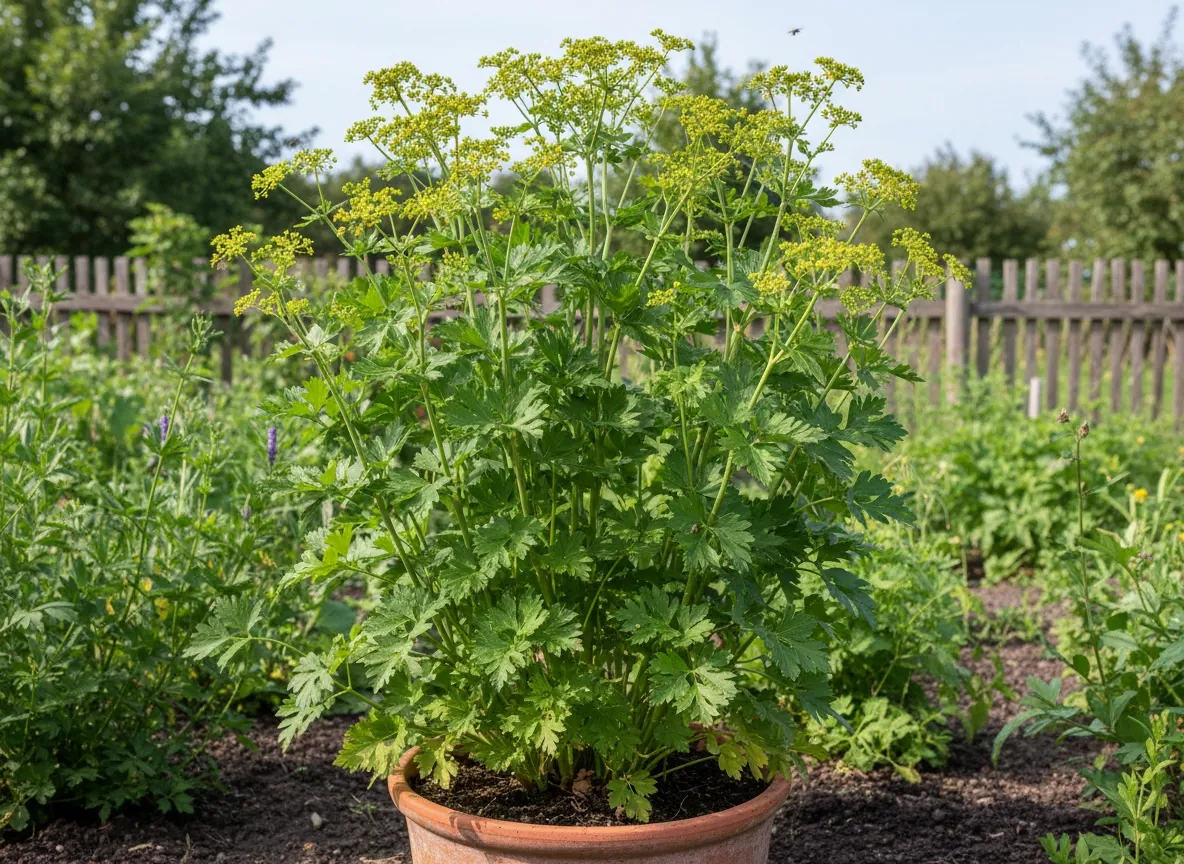
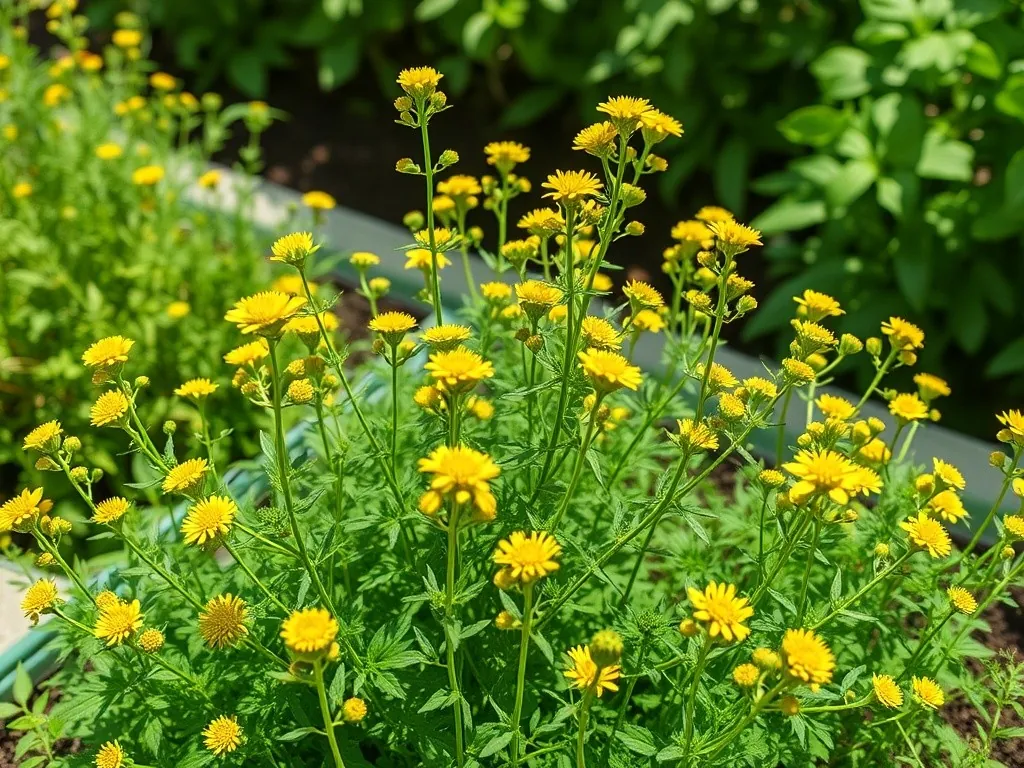
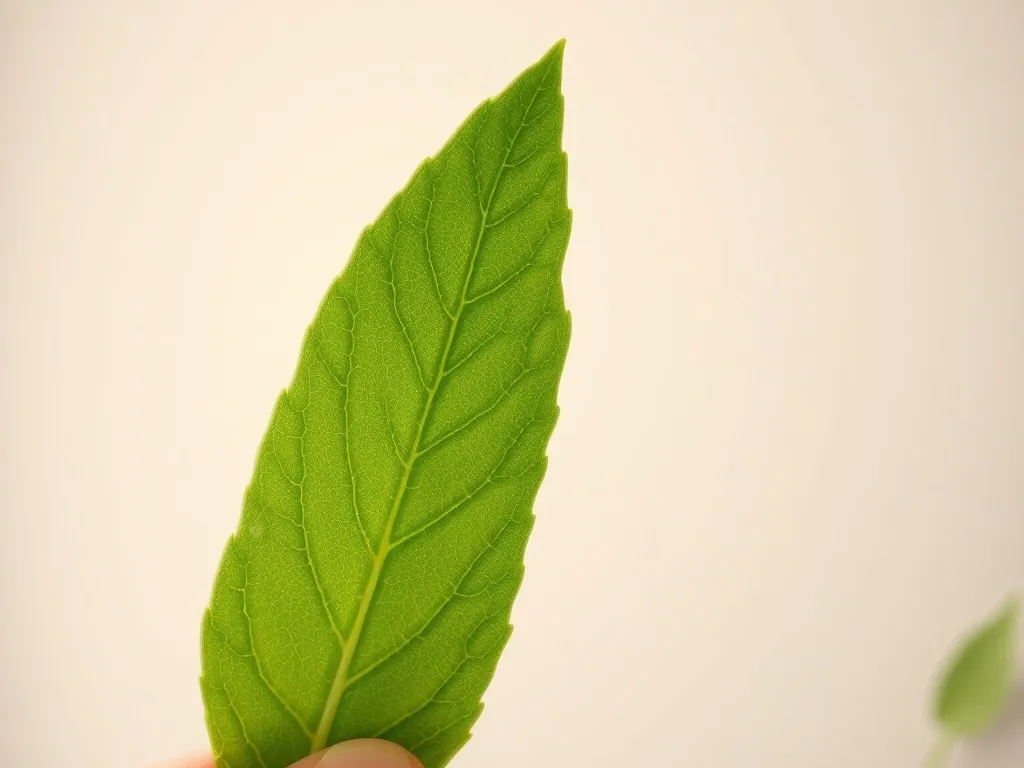
It forms an upright, hollow stem with delicate, thread-like divided, blue-green leaves with a characteristic sharp scent. The small, yellow flowers are gathered into flat umbels, which after flowering develop into flattened, aromatic fruits (commonly called seeds).
Growing and care
Watering
Regular watering on dry days delays premature bolting to flower, extending the harvest period for the tender leaves.
Fertilizing
Do not over-fertilise with nitrogen — an excess weakens the intensity of the aroma.
Planting
Fertile, well-drained soil, previously weeded and loosened; dill dislikes being transplanted, so it is sown directly at its final location.
Pruning
Cut the outer, older leaves, leaving the centre of the plant to keep growing; removing emerging flower buds extends the leaf harvest.
Companion plants
Good companions
A classic, proven companionship — dill improves the flavour and health of cucumbers and attracts predatory insects (e.g. hoverflies, ladybirds) that keep aphids in check.
Flowering dill attracts parasitic wasps that control populations of cabbage white caterpillars feeding on cabbage.
Bad companions
Both species belong to the carrot family, attract the same pests (e.g. the carrot fly) and can cross-pollinate, and mature dill inhibits carrot root growth.
Mature, flowering dill competes with tomatoes and, according to many gardening observations, inhibits their growth — young dill seedlings are tolerated, but older plants are not.
The evidence level indicates whether the relationship is backed by research, observation, or gardening tradition.
Toxicity
| For whom | Level | Notes |
|---|---|---|
| Humans | None | A popular culinary herb, eaten every day. |
| Dogs | None | — |
| Cats | None | — |
History and origin
Cultivated since ancient Egypt and Greece, where it was valued both culinarily and medicinally — it is mentioned in the oldest surviving herbal treatises. It reached Poland very early and has for centuries been one of the staple herbs of Polish cuisine, inseparably associated with pickled cucumbers.
Uses
Grown in vegetable gardens, allotments and balcony boxes. The leaves are used fresh and frozen as a seasoning, the ripe fruits (seeds) for pickling cucumbers and in spice blends.
Trivia
- Dill is one of the favourite host plants for the caterpillars of the swallowtail butterfly (Papilio machaon) — it is worth leaving a few plants unpicked so they can develop on them.
- The species name 'graveolens' means 'strong-smelling' in Latin, which aptly conveys the intense aroma of the whole plant.
Frequently asked questions
Why does my dill quickly bolt into flower and stop producing leaves?
This is a natural reaction to stress, especially heat and drought — the plant 'escapes' into flowering and seed production. Regular watering and successive sowing every 2–3 weeks ensure a continuous supply of fresh leaves throughout the season.
Is it worth leaving some dill unpicked?
Yes — flowering dill attracts pollinating insects and is an important host plant for the caterpillars of the swallowtail, one of the most magnificent Polish butterflies. It is worth sacrificing a few plants for their development.
Can dill and carrots be planted next to each other?
It is better to avoid close proximity — both species belong to the same family (Apiaceae), attract the same pests and can cross-pollinate, and mature dill can inhibit carrot root growth.
Sources
- Plants of the World Online (POWO) — Anethum graveolensDatabase (GBIF, POWO…)
- Missouri Botanical Garden Plant Finder — Anethum graveolensInstitution / botanical garden
My note
A private note for this plant — saved in your browser.