In short
- A sunny or partly shaded site, fertile, humus-rich soil kept constantly and moderately moist.
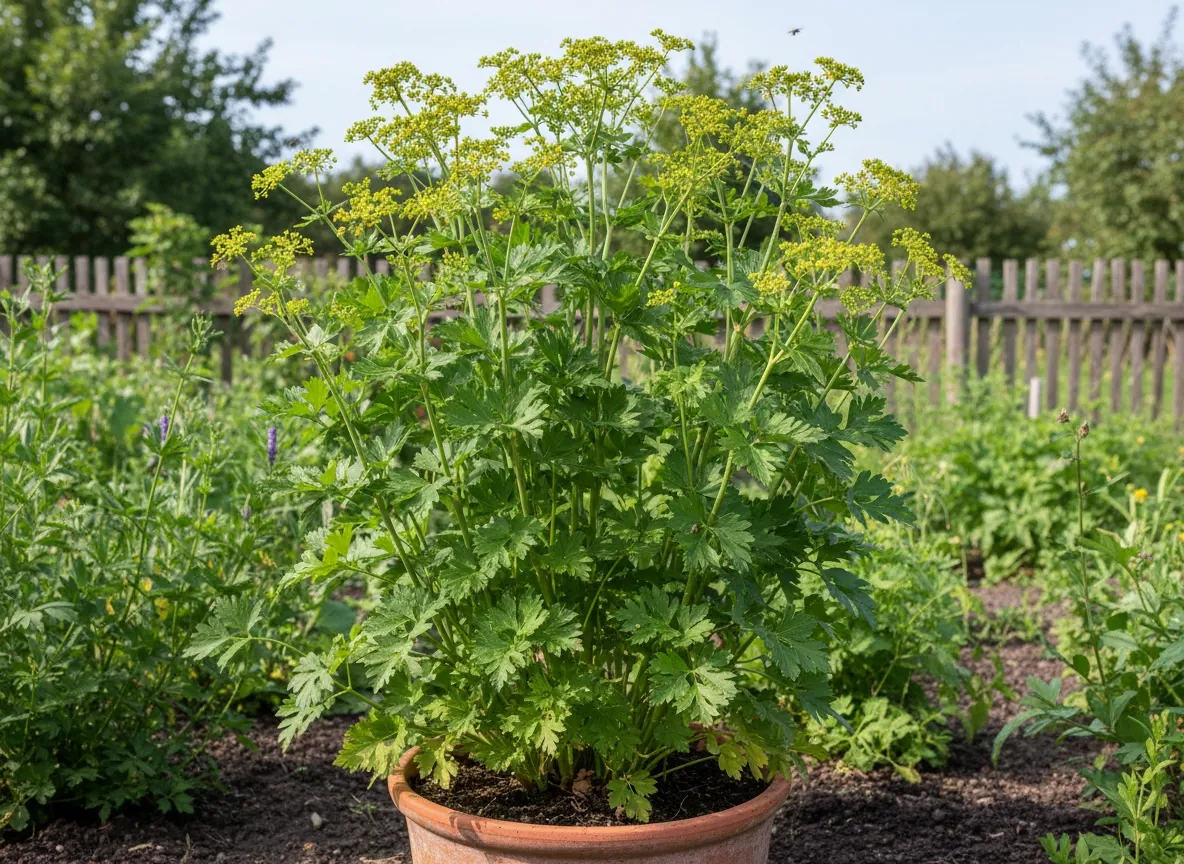
- It reaches 2 m in height and heavily shades its surroundings — plant it at the back of a border or at the edge of the vegetable garden.
- Fully frost-hardy, it dies back for winter and regrows each year from a thick rootstock; it lives well over a decade.
- A single plant is entirely enough for the whole kitchen — the aroma is exceptionally intense.
- Removing the flowering shoots prolongs the harvest of soft, aromatic leaves.
- The sap contains furanocoumarins — when working in the sun for longer it is worth harvesting the foliage in gloves.
Botanical data
- Family
- Apiaceae (Apiaceae)
- Height
- 1.5–2.5 m
- Width
- 0.6–1 m
- Habit
- Upright
- Growth rate
- Fast
- Position
- Full sun, Partial shade
- Soil
- Humus-rich, Loamy
- pH reaction
- pH 6–7.5
- Moisture
- Moderate, Moist
- Bloom
- June–July
- Hardiness
- USDA 4a–8b
- Propagation
- From seed, By division
Characteristics
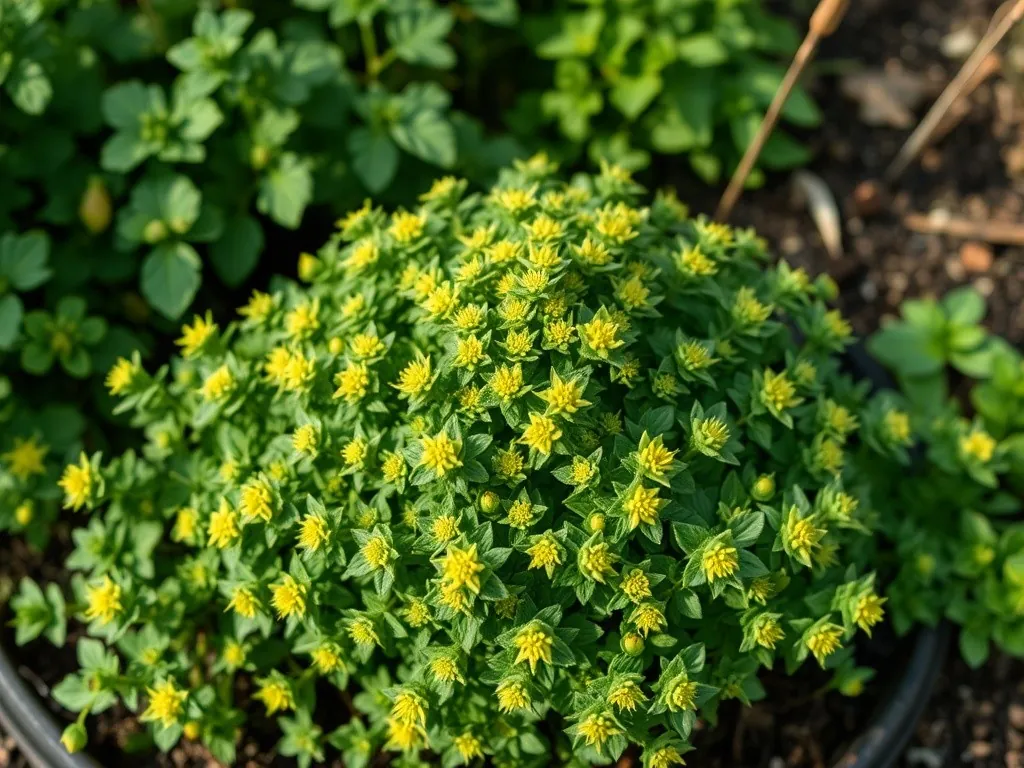
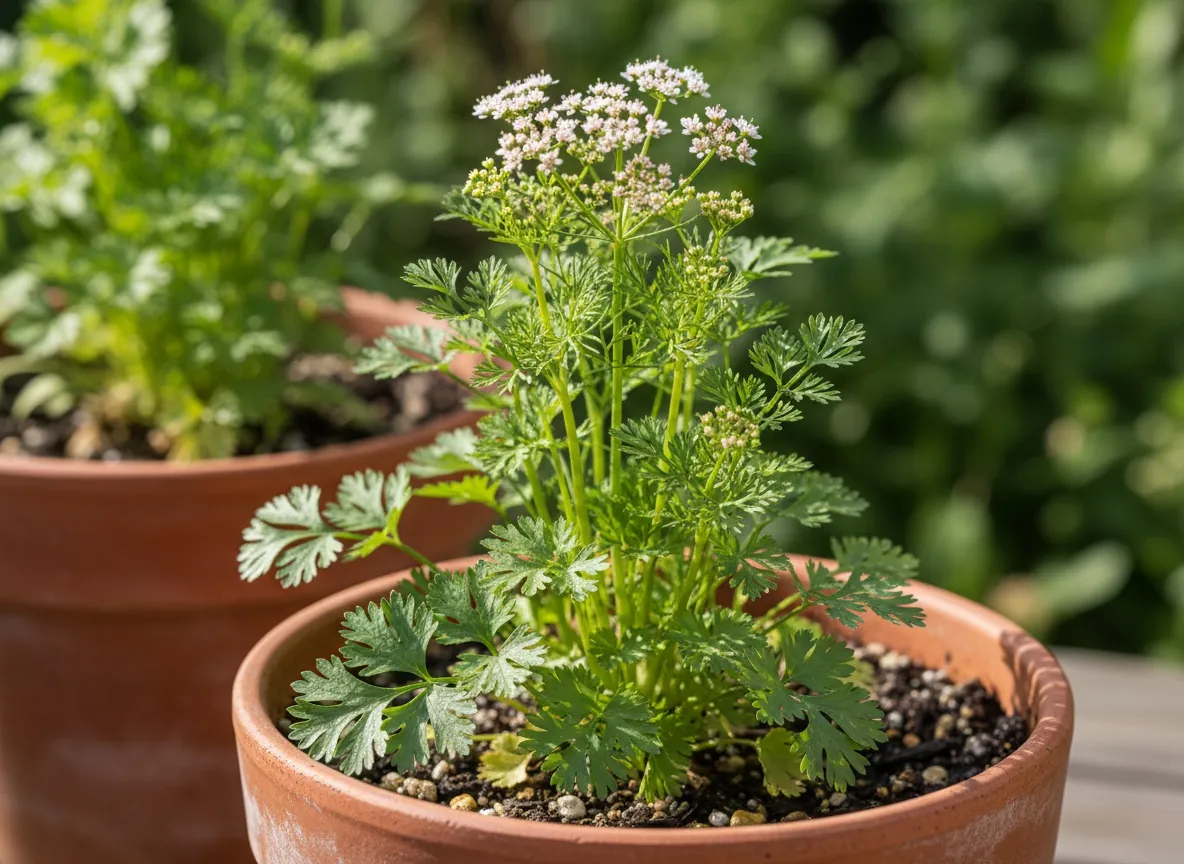
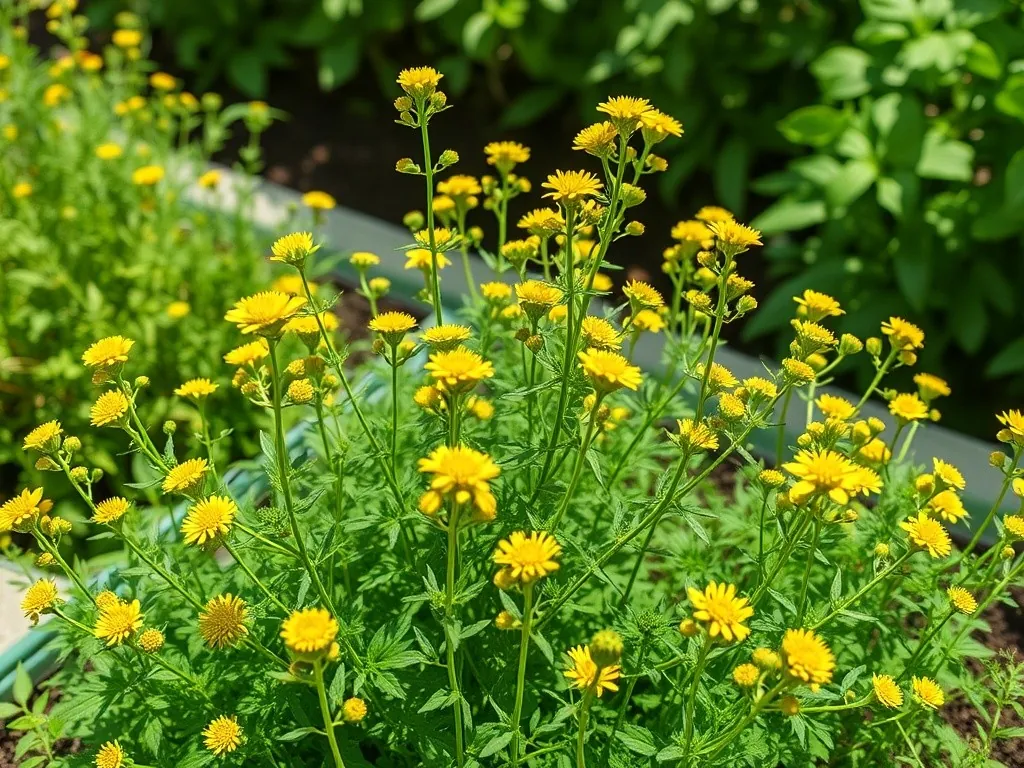
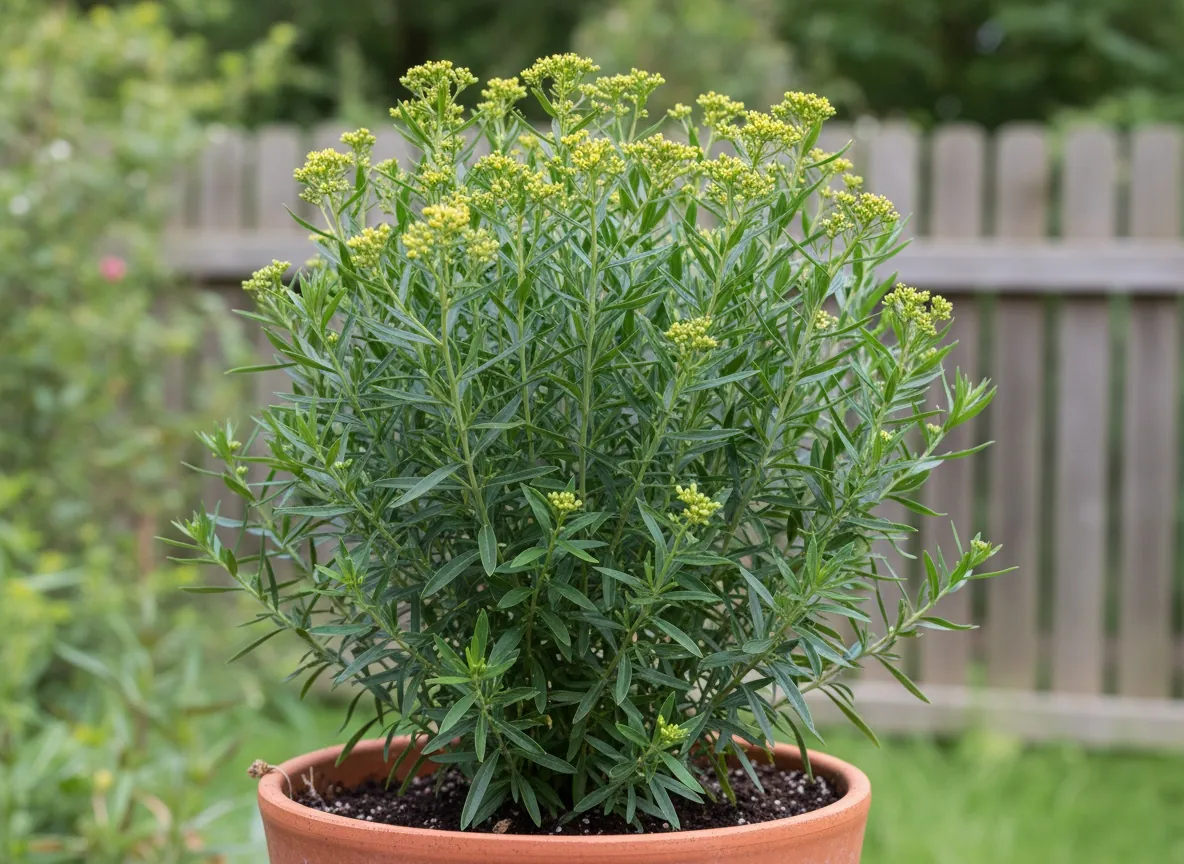
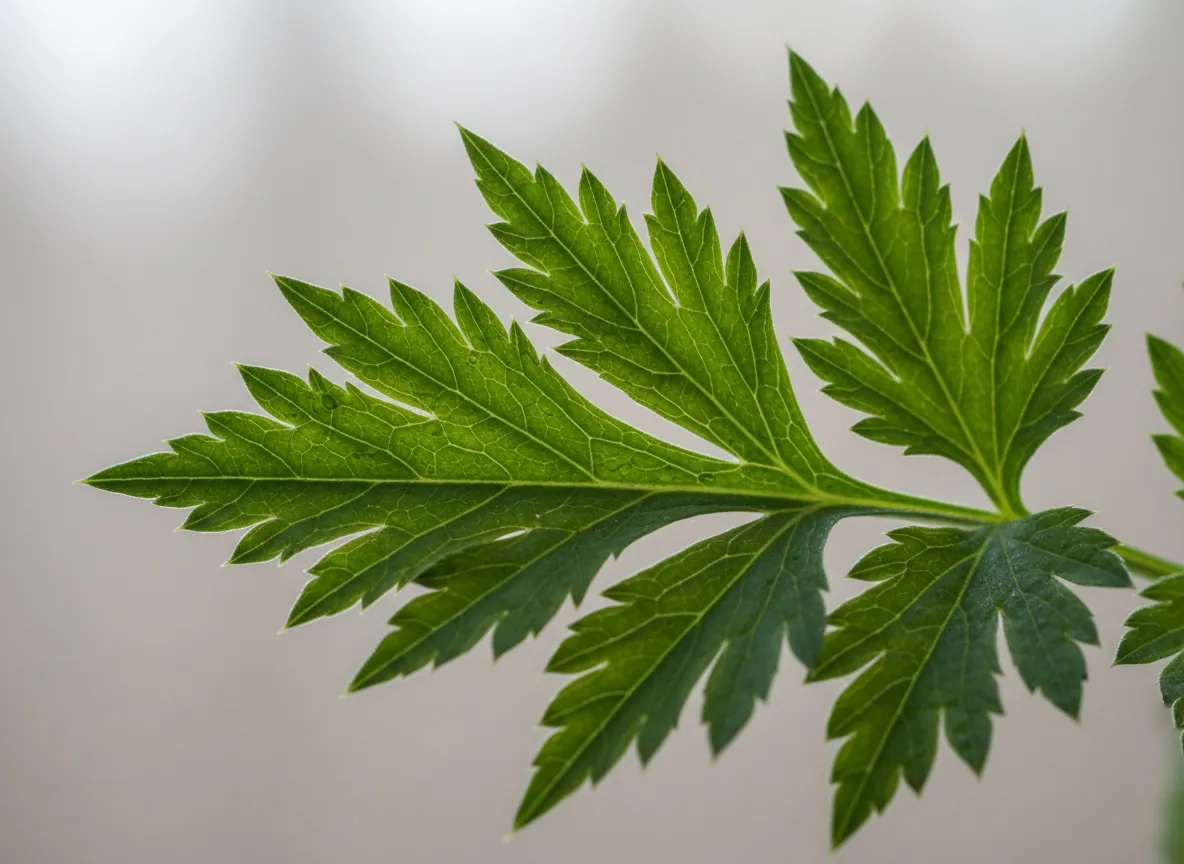
From a thick, fleshy taproot there grows each year a clump of stiff, tubular, furrowed shoots 1.5–2.5 m tall. The dark green, glossy leaves are two- or three-times pinnate and resemble the leaves of celery, but are considerably larger. The small, yellow-green flowers form large, flat compound umbels, followed by aromatic, ribbed schizocarps. The whole plant — from root to seed — smells equally intense.
Growing and care
Watering
A large plant with a considerable leaf area and a deep taproot — in hot weather it needs generous watering, otherwise the leaves go limp and lose their aroma. Mulching helps a great deal.
Fertilizing
Generously — it is one of the few herbs that genuinely needs fertile soil. A layer of compost around the rootstock every spring is entirely sufficient.
Planting
Deeply dug, fertile and humus-rich soil with a large dose of compost. Choose the spot deliberately, for many years — lovage develops a thick taproot and tolerates transplanting badly. One plant is enough for an entire household.
Pruning
Cutting out the flowering shoots as soon as they appear keeps the plant in its leafy phase and prolongs the harvest of soft, aromatic foliage. In summer the whole plant can be cut back to 15 cm — it will quickly regrow with fresh growth. After the frosts, cut the withered shoots off at ground level.
Companion plants
Good companions
A classic recommendation of country gardens — the proximity of lovage is held to strengthen potatoes, and its flowering umbels draw in predatory insects that limit aphids.
The flowering umbels attract hoverflies and parasitic wasps, the natural enemies of aphids attacking fruit bushes; lovage also tolerates partial shade.
Bad companions
A mature lovage exceeds 2 m and casts dense shade over several square metres — low leafy vegetables clearly become drawn and weak in it.
The same family (Apiaceae) means shared pests and diseases, among them the carrot fly — close proximity makes it easier for them to move from plant to plant.
Also an apiaceous herb and also low-growing — to the problem of shared pests is added heavy shading by the spreading lovage.
The evidence level indicates whether the relationship is backed by research, observation, or gardening tradition.
Toxicity
| For whom | Level | Notes |
|---|---|---|
| Humans | Mild | Contains furanocoumarins — contact of the sap with the skin combined with sunlight can cause a phototoxic reaction. Medicinal use is not recommended in pregnancy or with kidney disease. In seasoning amounts it is safe. |
| Dogs | Mild | — |
| Cats | Mild | — |
History and origin
Lovage was grown in Roman gardens as a medicinal and culinary plant, and in the Middle Ages it entered the canon of monastery herbs listed in the capitulary of Charlemagne. In Polish folk culture it was credited with an amatory effect — hence its name, linked to the verb for liking, and the custom of adding it to the bride's bath. The common name Maggi herb is misleading: it is the aroma of lovage that resembles the seasoning, and not the other way round — classic Maggi seasoning contains no lovage.
Uses
For the vegetable garden and the herb garden, always at the back of the border because of its size; it is not suitable for pots or the balcony. In the kitchen it is a seasoning of exceptional strength — literally two leaves are enough to give a broth-like character to a vegetable soup, a stock, a sauce, a stuffing, or dishes of potatoes and legumes. Dried leaves hold their aroma very well, and chopped foliage can also be frozen. In herbal medicine the root was traditionally used as a diuretic and digestive aid.
Trivia
- All parts of the plant are edible: leaves, leaf stalks, stems, seeds and root — each with the same broth-like aroma.
- A well-managed lovage stays in one place for well over a decade and grows more imposing with every year.
Frequently asked questions
How big will lovage grow and where should it be planted?
In good conditions the clump reaches 2–2.5 m in height and a metre across, and the flowering shoots can overtop an adult. It is planted at the back of a border, by a fence or at the edge of the vegetable garden, on the north side — otherwise it will shade low vegetables. The spot must be chosen for years to come, because the thick taproot tolerates transplanting badly.
Why is my lovage flowering instead of producing leaves?
This is normal from the second or third year of cultivation — the plant moves into its reproductive phase, all its energy goes into the umbels, and the leaves harden. If we want it as a seasoning, the flowering shoots are cut out as soon as they appear. You can also cut the whole plant back to 15 cm above the ground — within a few weeks it will regrow with fresh, soft foliage.
Does lovage need covering for the winter?
No, in the Polish climate it is fully frost-hardy (to USDA zone 4). The above-ground part dies back after the first frosts and it is enough to cut the dry shoots off at ground level. Mounding compost over the rootstock in autumn serves at once as a cover and as feeding for the next season.
Sources
- Plants of the World Online (POWO) — Levisticum officinaleDatabase (GBIF, POWO…)
- RHS — Levisticum officinaleInstitution / botanical garden
My note
A private note for this plant — saved in your browser.