In short
- Reaches 1.5–2.5 m in height — one of the tallest border plants.
- Site: full sun, fertile and well-drained soil.
- Flowers from June to September, the flowers opening successively from the bottom of the stem upwards.
- Biennial — in the first year it forms a rosette of leaves, in the second it flowers.
- Susceptible to hollyhock rust — plant in an airy spot, away from other mallow-family plants.
- Readily visited by bees and bumblebees.
Botanical data
- Family
- Malvaceae (Malvaceae)
- Height
- 1.5–2.5 m
- Width
- 0.4–0.6 m
- Habit
- Upright
- Growth rate
- Fast
- Position
- Full sun
- Soil
- Loamy, Humus-rich
- pH reaction
- pH 6–7.5
- Moisture
- Moderate
- Bloom
- June–September
- Hardiness
- USDA 3b–9a
- Propagation
- From seed
Characteristics
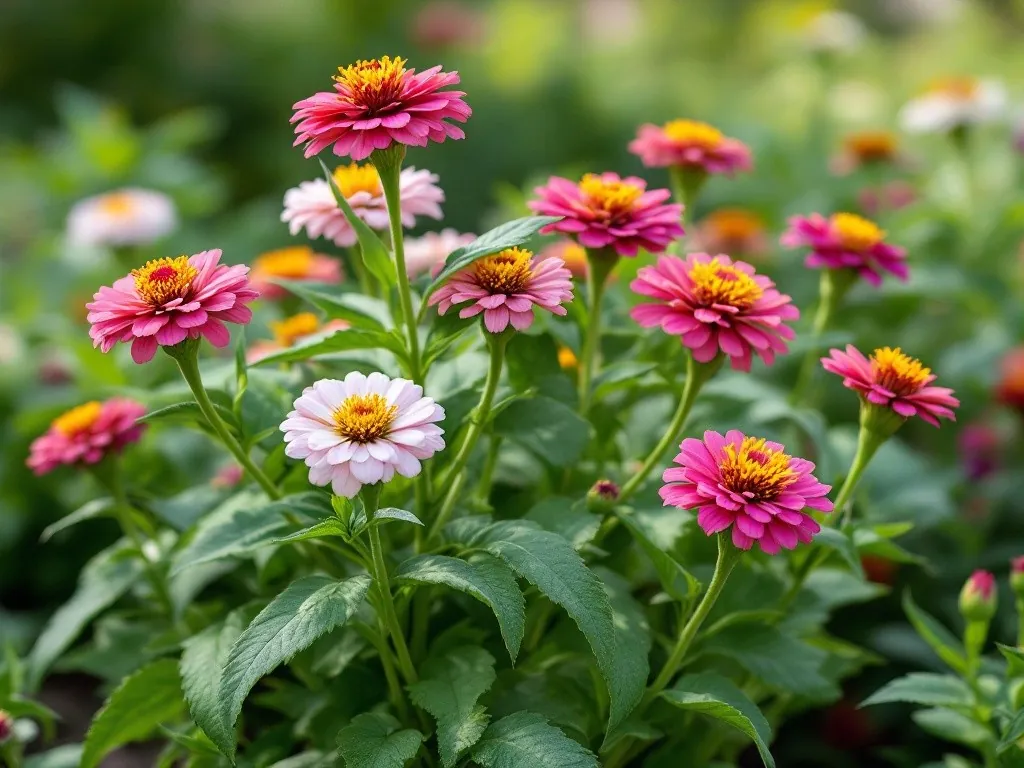
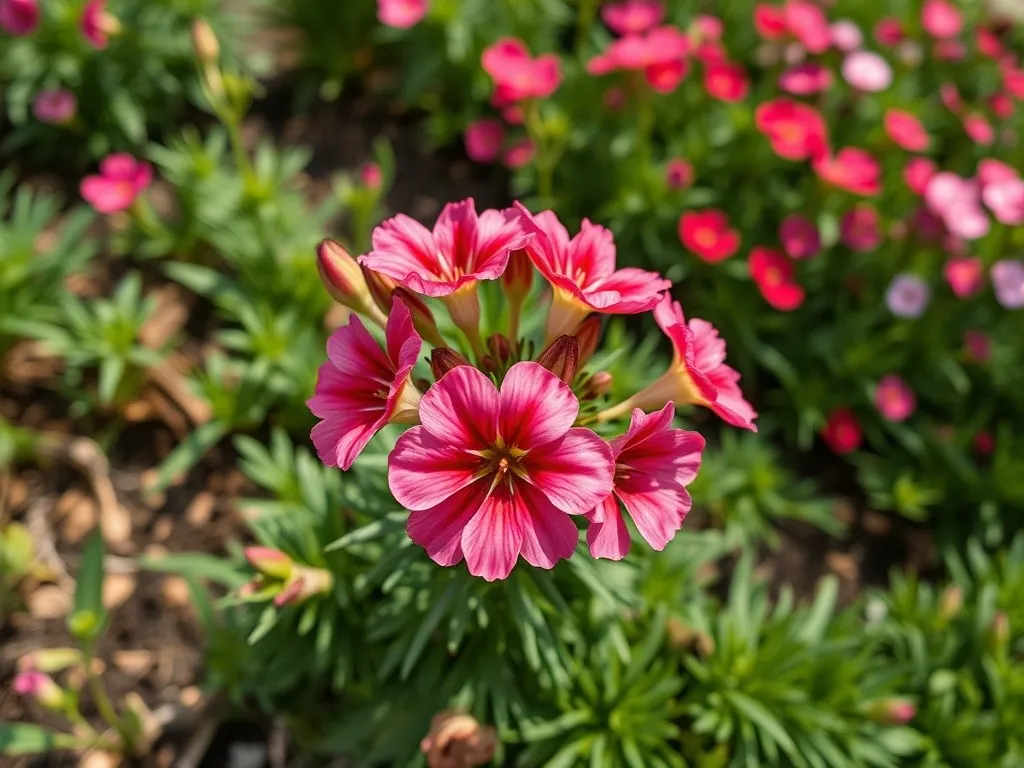
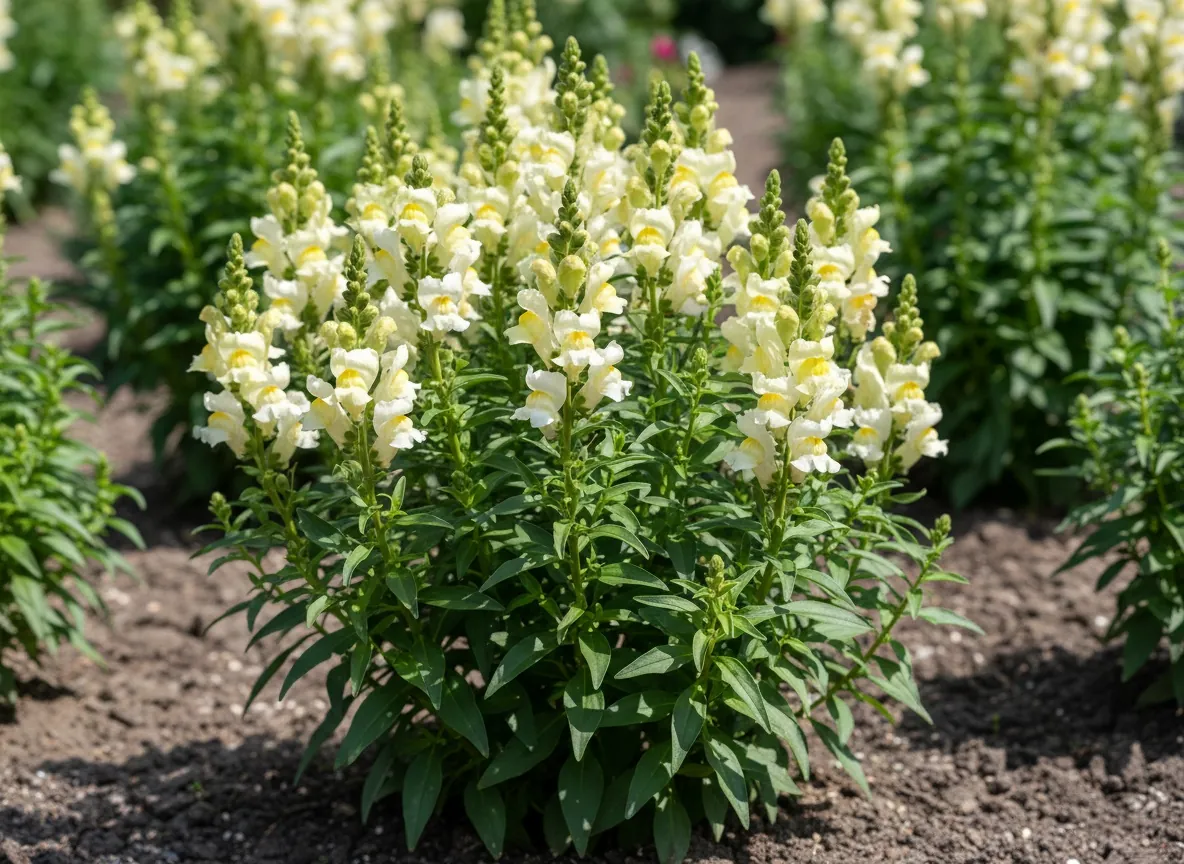
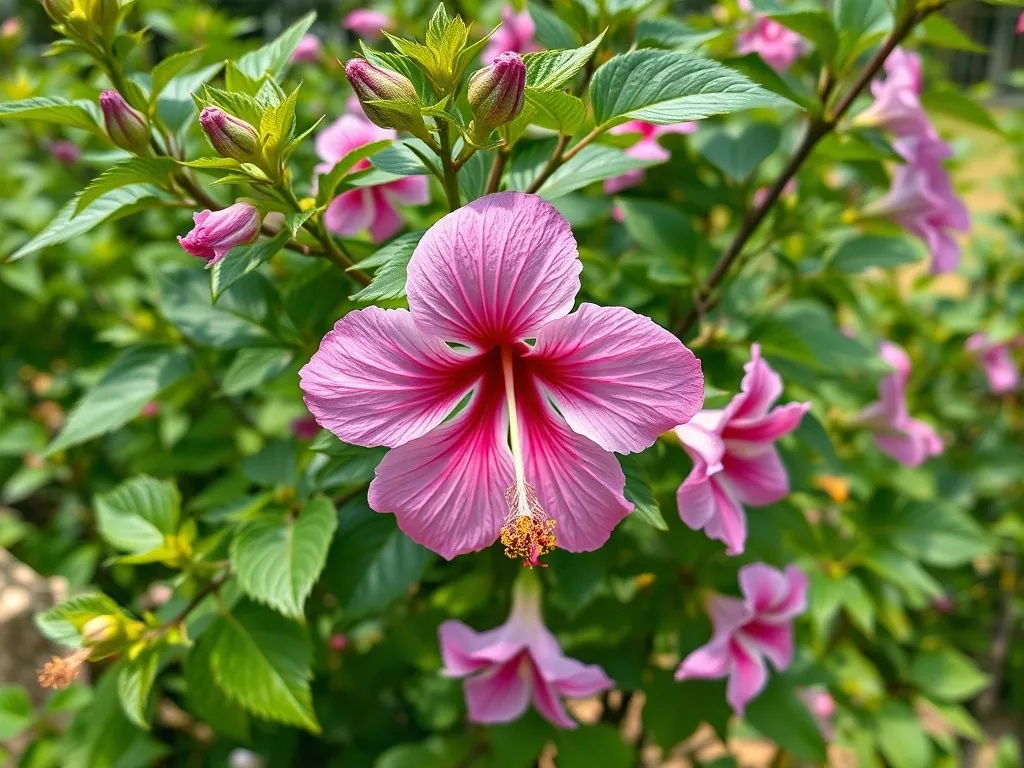
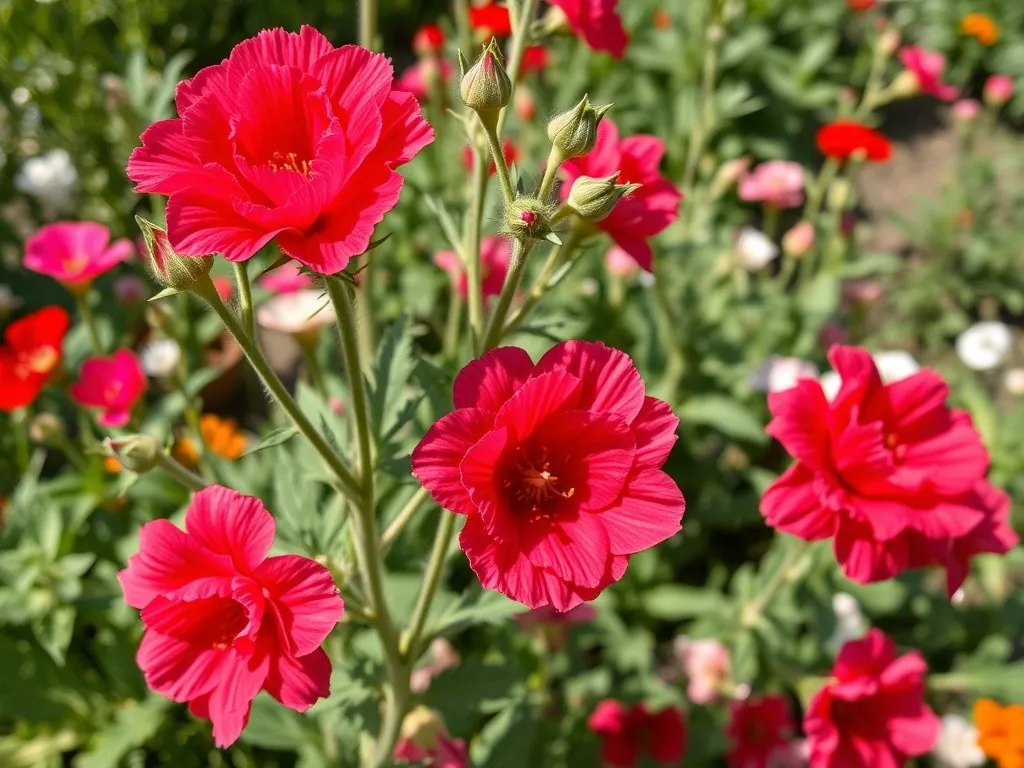
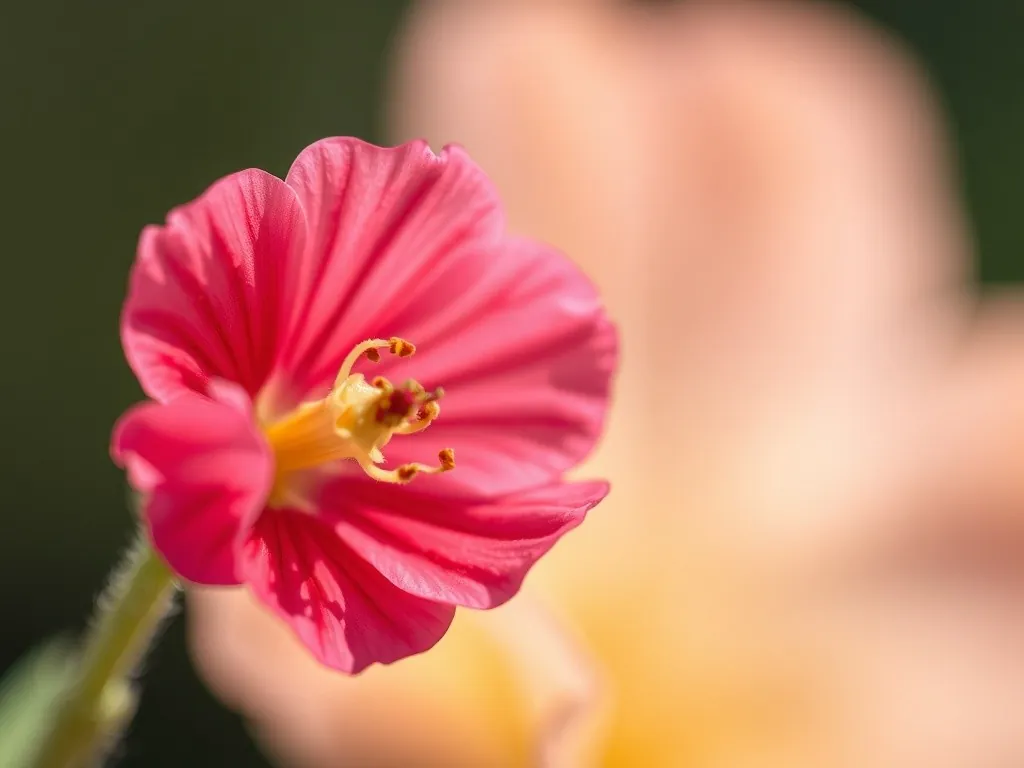
It forms a single, stiff stem covered with large, heart-shaped, slightly rough leaves. Large, funnel-shaped flowers 6–10 cm across arise in the leaf axils along the whole length of the shoot, forming a characteristic, vertical inflorescence.
Growing and care
Watering
Regular watering in the first year after planting; mature plants tolerate short dry spells thanks to their deep root system.
Fertilizing
Moderate doses — over-fertilising with nitrogen weakens the stiffness of the stems and encourages lodging.
Planting
A fertile, well-drained site sheltered from strong wind because of the tall, stiff stems.
Pruning
Remove spent flower spikes to prolong flowering and limit excessive self-seeding.
Companion plants
Good companions
Similar height and habit — together they form a striking, sunny back row of the country-garden border.
Flowers at the same time and has similar site requirements, forming a classic cottage-garden duo.
Bad companions
The spreading, lush shoots of the cucurbits shade the base of the hollyhock and compete with it for water and nutrients.
Planted close together, they facilitate the spread of hollyhock rust (Puccinia malvacearum).
The evidence level indicates whether the relationship is backed by research, observation, or gardening tradition.
Toxicity
| For whom | Level | Notes |
|---|---|---|
| Humans | None | The flowers of the hollyhock are edible and traditionally added to salads and used to decorate dishes. |
| Dogs | None | — |
| Cats | None | — |
History and origin
Cultivated in Europe since the Middle Ages, probably brought from Asia Minor and China along the trade routes. For centuries an inseparable element of rural cottage gardens, planted against house walls and along fences as a natural, ornamental screen.
Uses
A classic background plant for perennial borders and country gardens, planted singly or in groups against walls, fences and enclosures. It combines well with other tall perennials that flower in summer.
Trivia
- The genus name Alcea comes from Greek and refers to the medicinal use of mallow-family plants in antiquity.
- The edible flowers of the hollyhock are sometimes added to salads and used to decorate dishes.
Frequently asked questions
Why do hollyhock leaves become covered with orange spots?
These are symptoms of hollyhock rust (Puccinia malvacearum) — a common fungal disease. Affected leaves should be removed and hollyhocks planted in an airy spot, away from other mallow-family plants.
Will a hollyhock flower in the first year after sowing?
Usually not — the hollyhock is biennial and in the first season forms only a rosette of leaves. The flower spike appears only in the second year.
How can you get a hollyhock to flower in successive seasons?
The hollyhock is biennial by nature, but leaving some of the flower spikes to self-seed and not removing the young rosettes ensures continuous flowering in the same spot over successive years.
Sources
- Plants of the World Online (POWO)Database (GBIF, POWO…)
- Missouri Botanical Garden — Plant Finder: Alcea roseaInstitution / botanical garden
My note
A private note for this plant — saved in your browser.