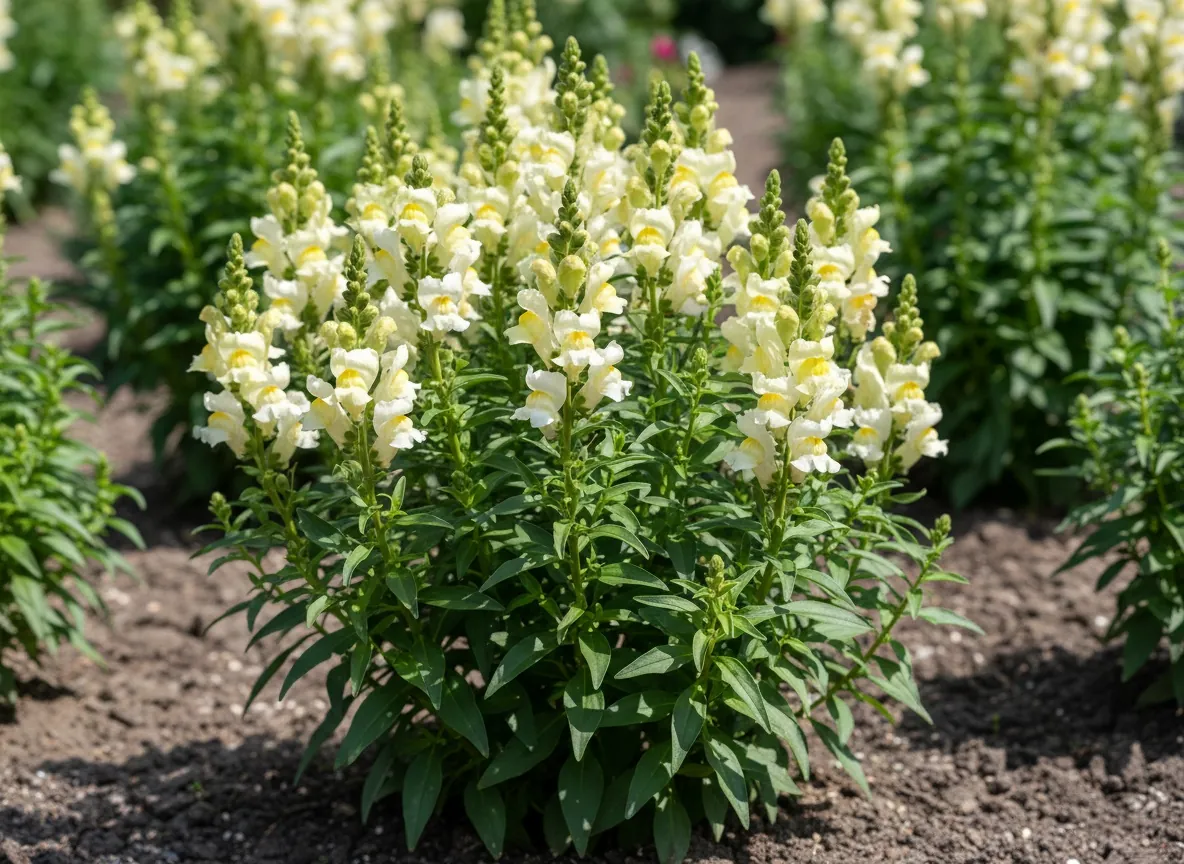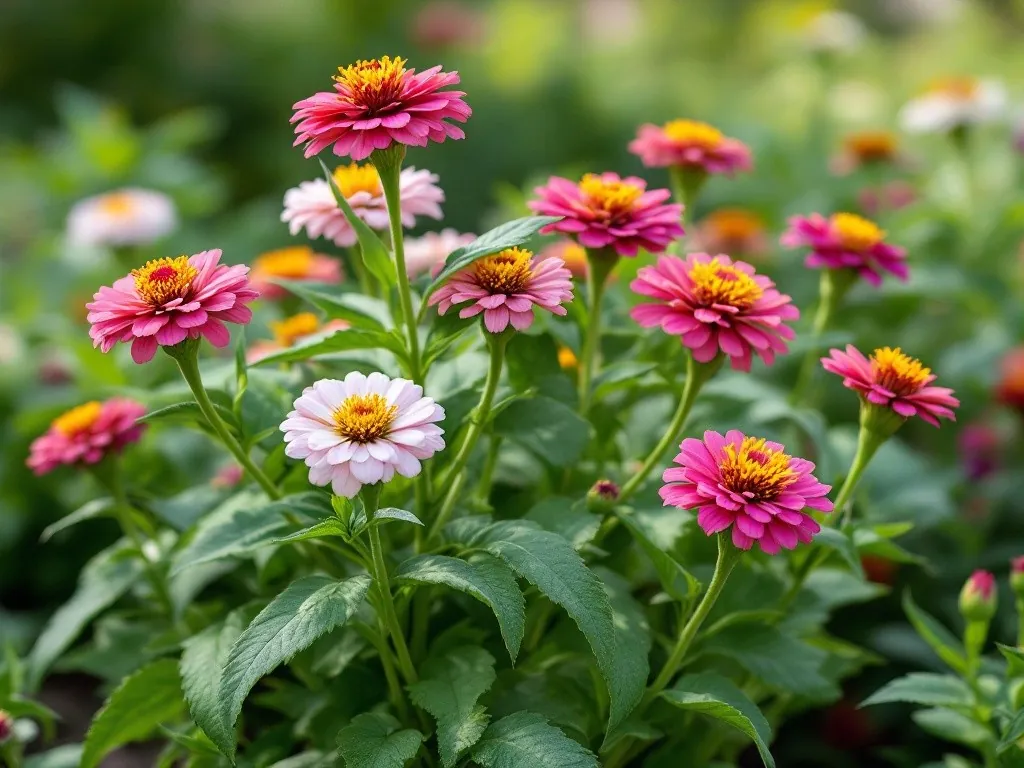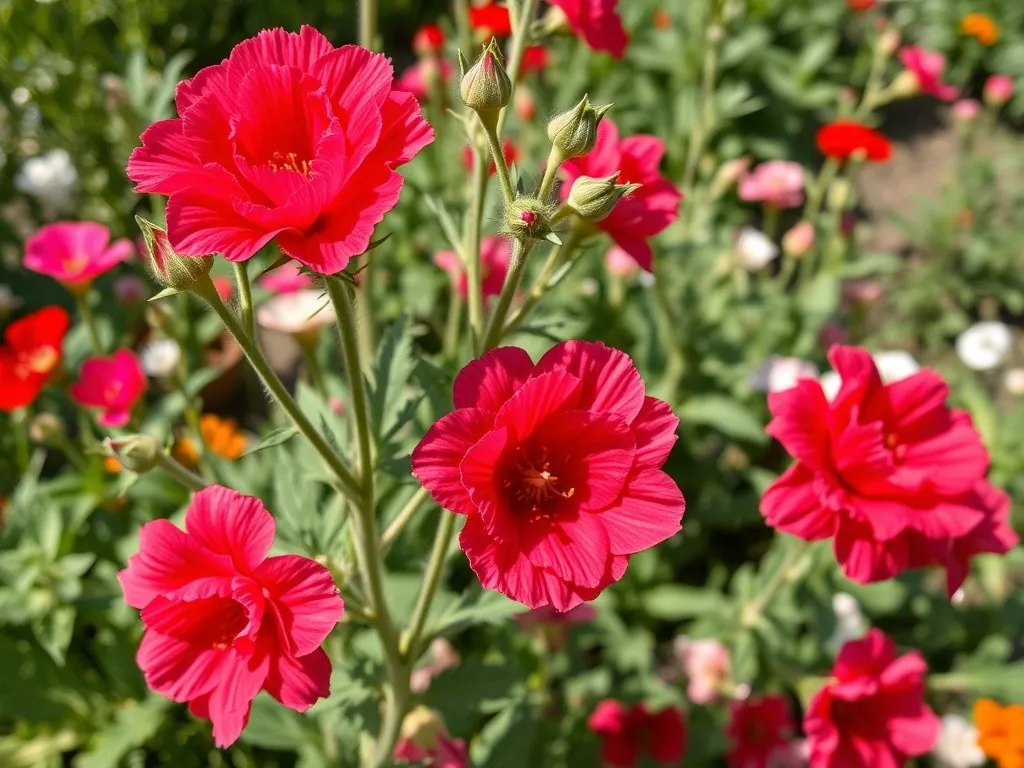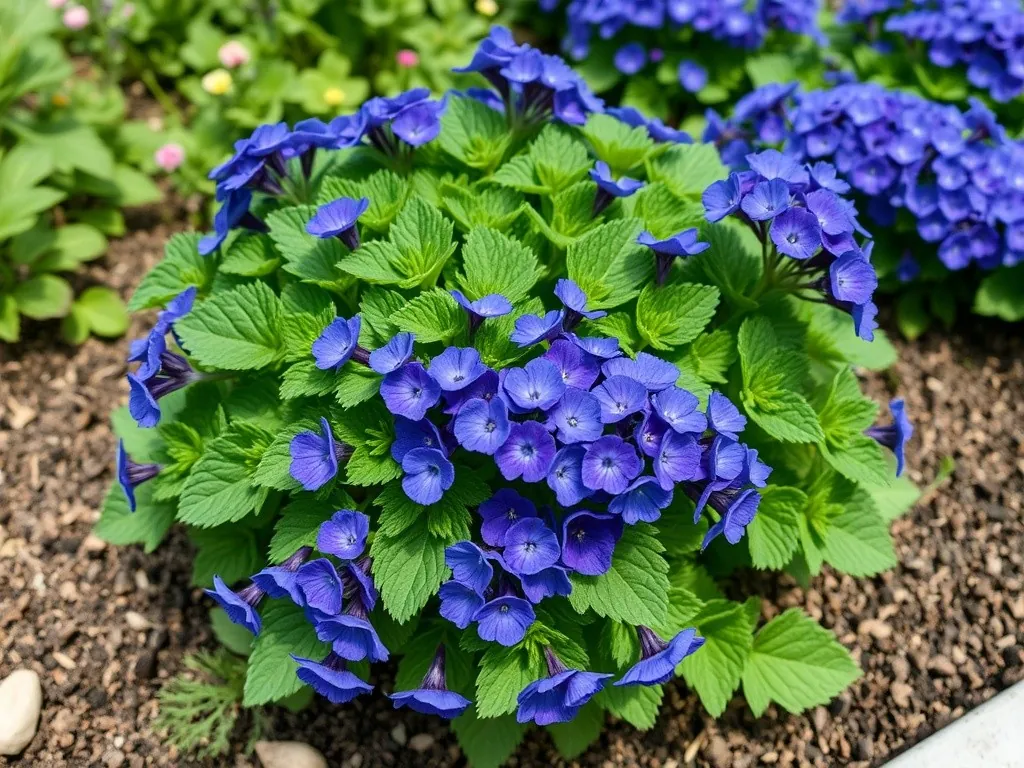
In short
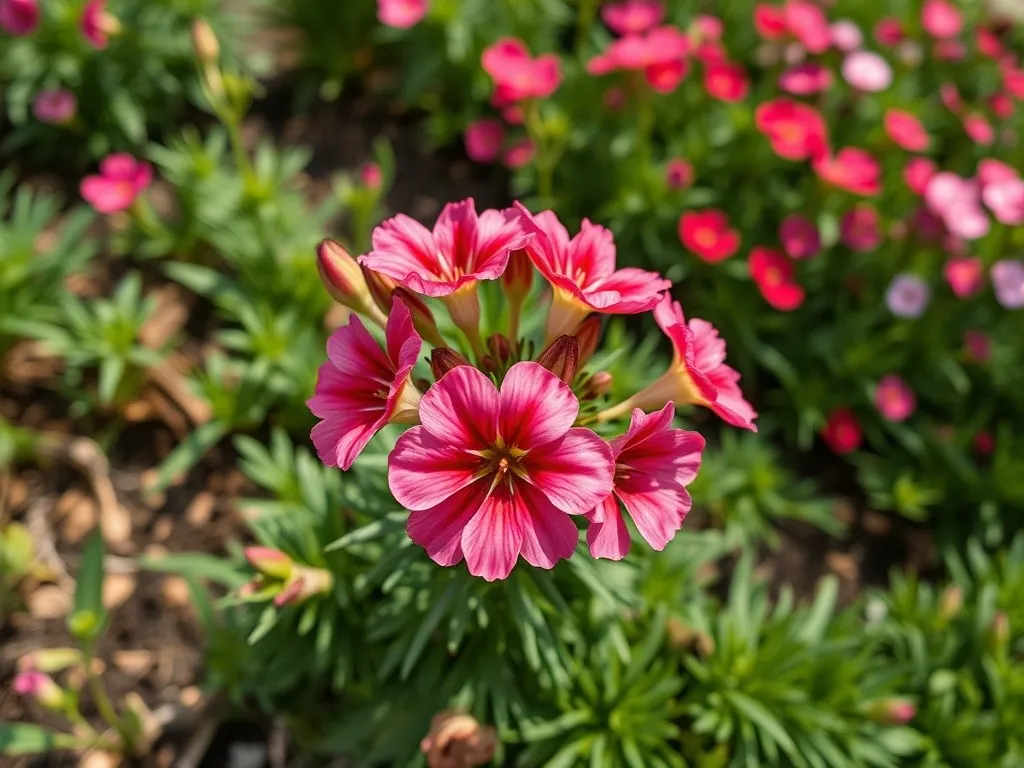
- Flowers gathered in dense, flat clusters at the top of the stems.
- Strong, spicy fragrance, especially in the evening.
- Sunny to slightly shaded position, well-drained soil, ideally slightly calcareous.
- Biennial cycle — sown in one year, flowering the next.
- Readily visited by butterflies and bees thanks to the nectar deep inside the flower.
Botanical data
- Family
- Caryophyllaceae (Caryophyllaceae)
- Height
- 0.3–0.6 m
- Width
- 0.25–0.4 m
- Habit
- Clump-forming
- Growth rate
- Moderate
- Position
- Full sun, Partial shade
- Soil
- Loamy, Humus-rich
- pH reaction
- pH 6–7.5
- Moisture
- Moderate
- Bloom
- June–August
- Hardiness
- USDA 3a–9a
- Propagation
- From seed, From cuttings
Characteristics
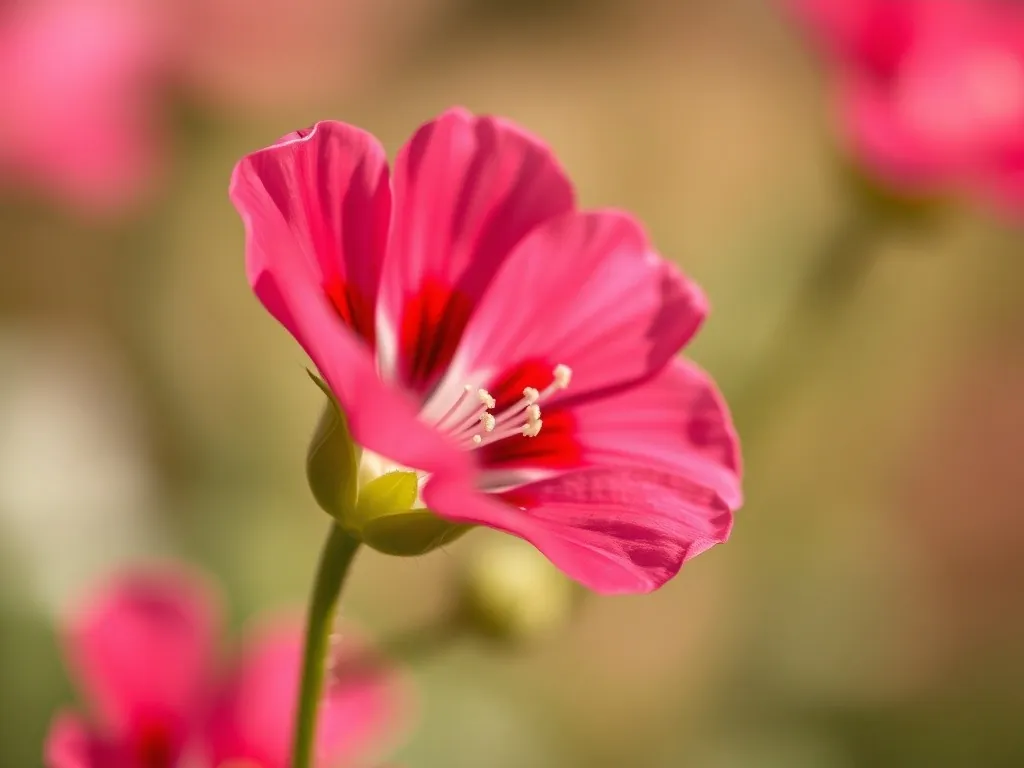
Forms compact clumps of stiff, upright stems with pairs of narrow, lance-shaped leaves. The small, five-petalled flowers with fringed edges are gathered in dense, umbel-like inflorescences, often bicoloured.
Growing and care
Watering
Water moderately, only once the top layer of soil has dried out — excess moisture promotes fungal root diseases.
Fertilizing
Moderate — excess nitrogen reduces flowering abundance in favour of leaf growth.
Planting
Sunny position, slightly calcareous, fertile and well-drained soil.
Pruning
Remove spent clusters to prolong flowering and encourage the development of side shoots.
Companion plants
Good companions
Similar light and soil requirements (sun, well-drained soil) — a proven bedding combination.
The low, compact habit of Sweet William fills the space at the base of rose bushes well, masking bare stems.
Bad companions
The constantly moist soil these plants need promotes root rot and fungal diseases in Sweet William.
The evidence level indicates whether the relationship is backed by research, observation, or gardening tradition.
Toxicity
| For whom | Level | Notes |
|---|---|---|
| Humans | Mild | Contains small amounts of saponins — consuming a large quantity may irritate the digestive tract. |
| Dogs | Mild | — |
| Cats | Mild | — |
History and origin
Known in garden cultivation since the 16th century, the English name "Sweet William" already appears in Elizabethan-era sources. In Poland it is a traditional feature of cottage gardens and flower beds, valued for its ease of cultivation and intense fragrance.
Uses
Excellent for perennial borders, edging and cottage gardens, as well as a cut flower. Its low, compact habit works well along path edges and at the base of taller shrubs.
Trivia
- The name "bearded" refers to the fine hairs (fringes) in the throat of the flower, which resemble a beard.
- Sometimes grown as a cut flower — it tolerates transport well and lasts a long time in a vase.
Frequently asked questions
Will Sweet William flower in its first year?
Usually not if sown in spring — the plant is biennial and only flowers in its second season. Seedlings started early under cover sometimes flower already in the first year.
How can you prolong the flowering of Sweet William?
Regularly remove spent flower clusters — this encourages the plant to produce further flowering shoots and extends the flowering season by up to several weeks.
Will Sweet William survive winter in the ground?
Yes, it is frost-hardy to USDA zone 3, but as a biennial it usually dies after its second flowering season anyway, leaving self-sown seedlings behind.
Sources
- Plants of the World Online (POWO)Database (GBIF, POWO…)
- RHS — Dianthus barbatusInstitution / botanical garden
My note
A private note for this plant — saved in your browser.