In short
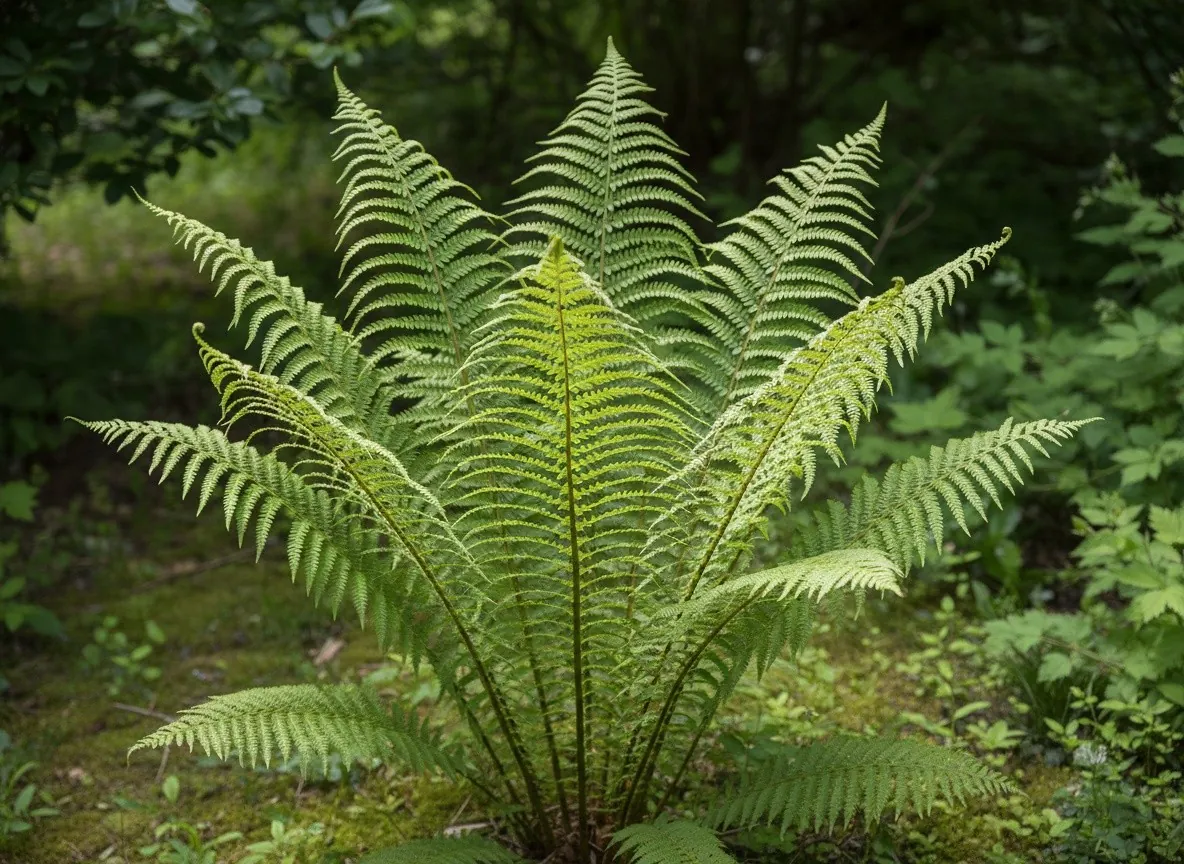
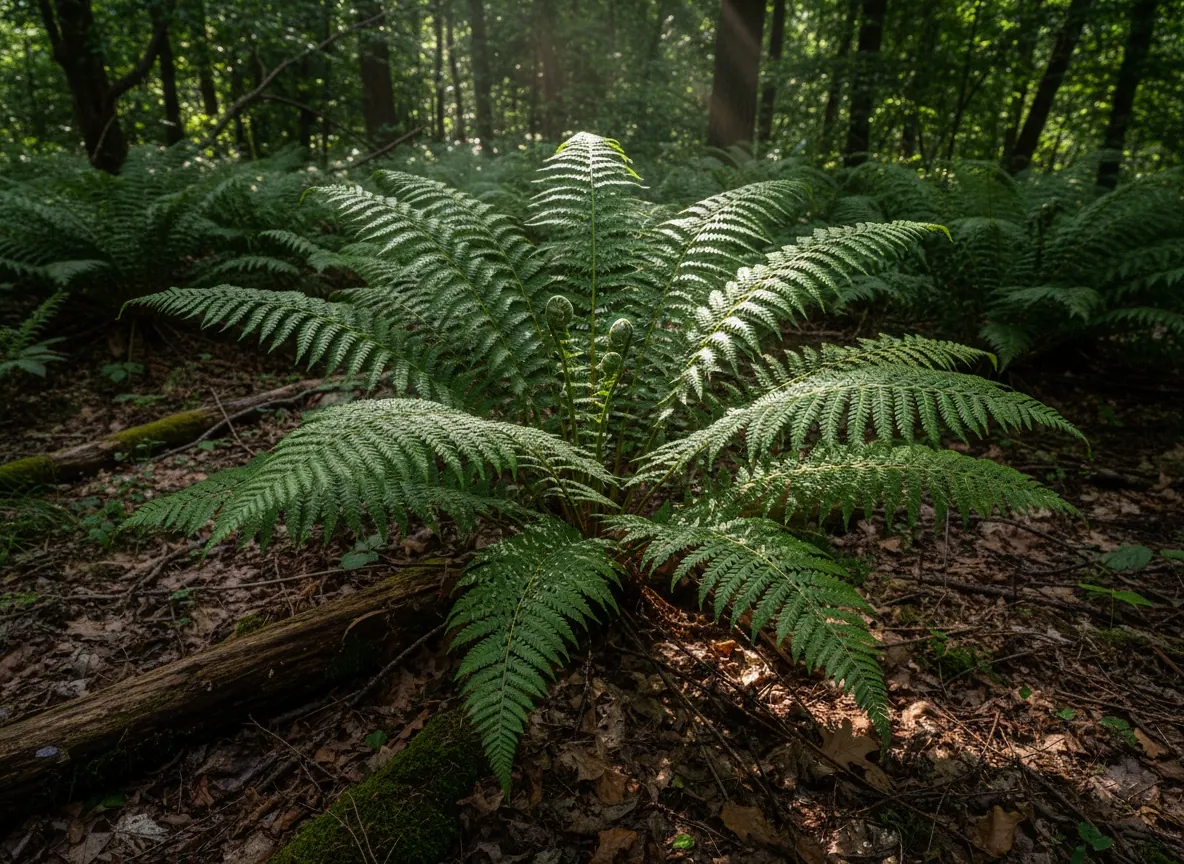
- Forms an imposing, funnel-shaped clump of fronds 0.6–1.3 m tall; it spreads slowly and does not become a garden weed.
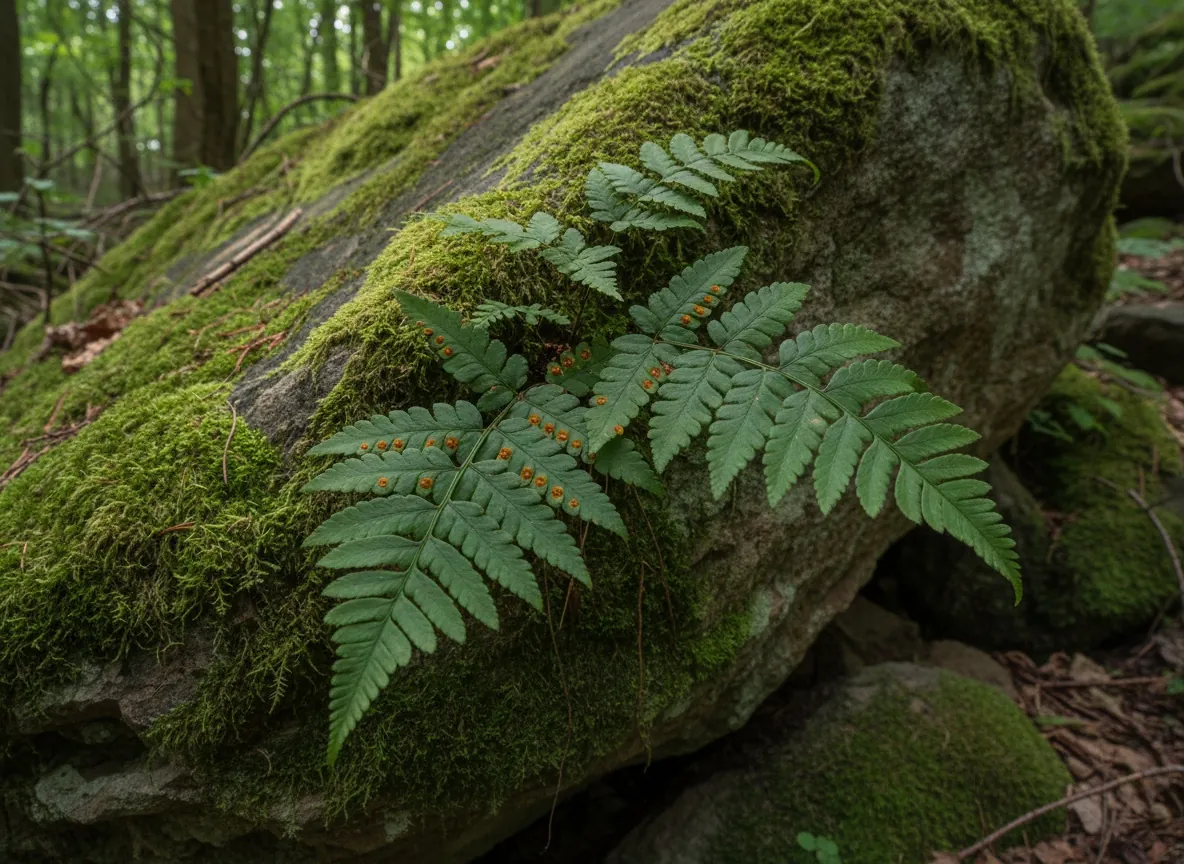
- It does not flower — it reproduces by spores ripening in kidney-shaped sori on the underside of the fronds.
- It requires shade or partial shade and a fertile, humus-rich soil of moderate moisture.
- Extremely frost-hardy (zone 3a) and undemanding — a good fern to start with.
- The fronds die back for winter; remove them only in spring, as they shelter the crown from frost.
- The rhizome is toxic — a former anthelmintic remedy, now withdrawn because of its toxicity.
Botanical data
- Family
- Dryopteridaceae (Dryopteridaceae)
- Height
- 0.6–1.3 m
- Width
- 0.6–1 m
- Habit
- Clump-forming
- Growth rate
- Moderate
- Position
- Partial shade, Shade
- Soil
- Humus-rich, Loamy
- pH reaction
- pH 5–7
- Moisture
- Moderate, Moist
- Bloom
- —
- Hardiness
- USDA 3a–8b
- Propagation
- By division, From seed
Characteristics
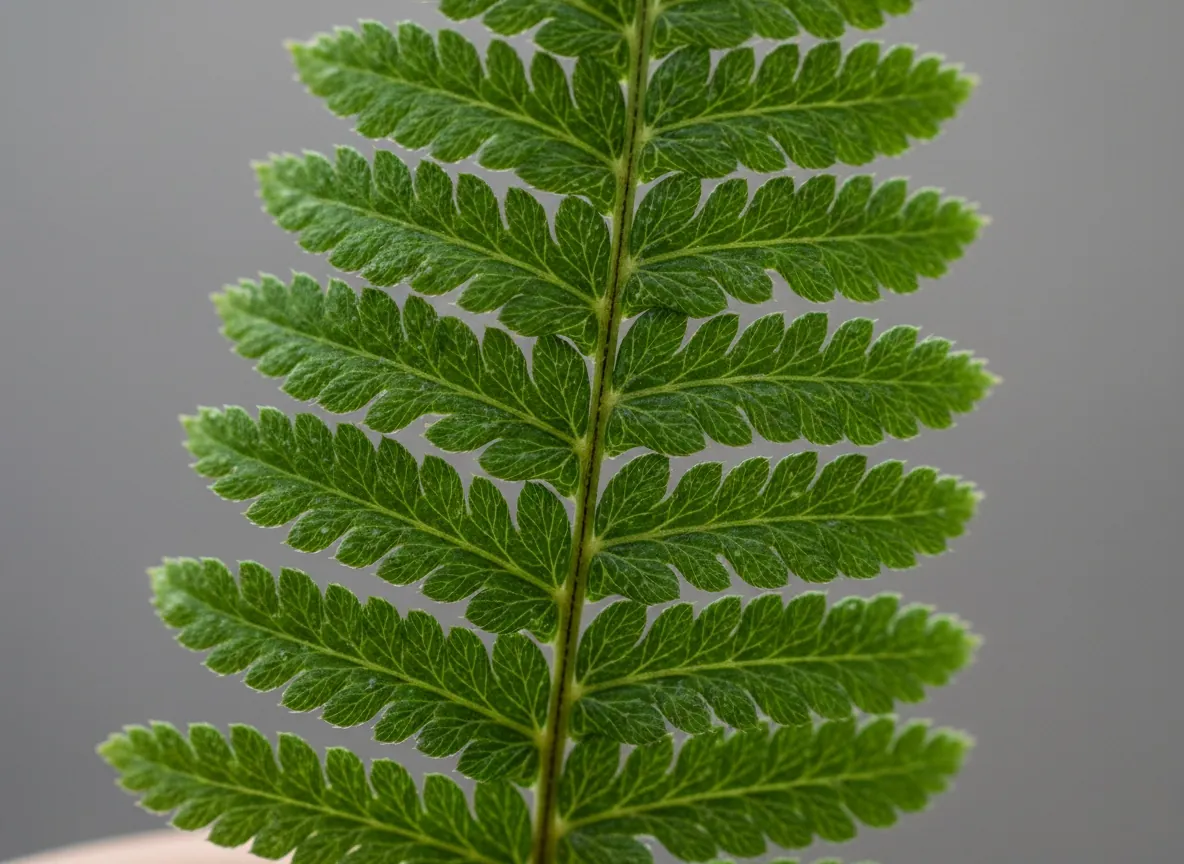
From a thick, erect rhizome arises a radially arranged, funnel-shaped rosette of fronds 60–130 cm long. The blades are twice pinnatifid (divided into segments that are themselves incised once more), of a rich, matt green, and distinctly tapered towards the base. The stipes are densely covered with rusty-brown, membranous scales — the feature by which the genus Dryopteris is most easily recognised. On the underside of the fronds, along the veins, kidney-shaped sporangia clusters are visible, covered by a shield-shaped indusium. In spring, the new fronds unfurl from the characteristic croziers, coiled like snail shells.
Growing and care
Watering
It tolerates short periods of drying out better than most garden ferns, but in prolonged drought the fronds turn brown from the edges. It does not tolerate a permanently waterlogged substrate — in the wild it grows in woodland, not in a bog.
Fertilizing
Mulching with compost or leaves is enough — mineral fertilisers are unnecessary and can scorch the shallow root system.
Planting
Fertile, humus-rich woodland soil with added compost; a position in shade or partial shade, sheltered from wind that dries out the fronds. Plant the base of the clump (the crown) at ground level, do not sink it.
Pruning
Cut out the withered fronds of the previous year just above the ground, watching for the already visible, coiled buds of the new fronds in the centre of the clump.
Companion plants
Good companions
The basic pairing for a shaded border — the same requirements (shade, fertile moist soil), and the pinnate fronds of male fern contrast with the smooth leaves of the hosta.
Both ferns like shade and a humus-rich substrate, but they differ in habit and in when their fronds die back — together they create a naturalistic woodland composition.
Astilbe flowers in the shade at the time when the male fern's fronds are fully developed and has similar water requirements — the colour of its plumes breaks up the uniform green of the fern nicely.
Bad companions
The spreading, over-a-metre-tall clump of male fern quickly shades them out, and the water and soil requirements of the two groups are opposed.
Lavender requires dry, calcareous soil and full sun — in the shaded, moist position of male fern it soon rots.
The evidence level indicates whether the relationship is backed by research, observation, or gardening tradition.
Toxicity
| For whom | Level | Notes |
|---|---|---|
| Humans | Moderate | The rhizome contains phloroglucinol derivatives (including filicin), strongly toxic when ingested — they can cause vomiting, visual disturbances and, in larger doses, damage to the optic nerve. Formerly used as an anthelmintic remedy, today withdrawn precisely because of the narrow margin of safety. Do not use on your own initiative. |
| Dogs | Moderate | Eating the rhizome or larger quantities of fronds may cause vomiting and symptoms of poisoning. |
| Cats | Moderate | — |
| Horses | Moderate | Ferns of this genus, eaten in larger quantities with fodder, are sometimes the cause of poisoning in horses and cattle. |
History and origin
The species has been present in European herbalism for centuries: the extract from the rhizome (Rhizoma Filicis maris) was the principal remedy against tapeworm, still in use in the first half of the 20th century. The phloroglucinol derivatives it contains effectively paralysed the parasite, but the margin between the therapeutic and the toxic dose proved dangerously narrow — poisonings ended in visual disturbances and even blindness, so the preparation was withdrawn once safer drugs appeared. The Polish epithet “samcza” (male) has no biological basis — ferns are not divided into male and female individuals; old herbalists simply contrasted this robust, stiff fern with the more delicate “female fern” (Athyrium filix-femina).
Uses
The fundamental fern for shaded borders, woodland gardens, planting the north sides of buildings and walls, and the understorey beneath trees, where it forms striking, sculptural greenery throughout the season. It works well in naturalistic and park plantings, including places where other plants will not grow because of deep shade.
Trivia
- Ferns do not flower — despite the legend of the fern flower on Midsummer Night. Male fern reproduces by spores, of which a single large plant produces millions in the course of a season.
- The specific name filix-mas means literally “male fern”, and the term is purely conventional — it arose from the contrast with the smaller, more delicate Athyrium filix-femina, the “female fern”.
- The young fern shoots, coiled like snail shells, are called croziers — they unfurl by gradually straightening out, like a rolled-up tape measure.
Frequently asked questions
When does male fern flower?
Never — ferns have neither flowers nor seeds. Male fern reproduces by spores, which ripen in summer in kidney-shaped sori on the underside of the fronds. The brown “spots” beneath the frond are precisely these sporangia, not a disease or a pest, so there is no reason to treat them.
Is male fern toxic?
Yes. The rhizome contains phloroglucinol derivatives with a strong toxic action — they were formerly used as a remedy against tapeworms, but in overdose they caused vomiting and damage to eyesight, which is why the preparation was withdrawn. The mere presence of the plant in the garden is safe; the only problem is ingestion of the rhizome, including by pets.
Should male fern fronds be cut back for winter?
No — it is best to leave them until spring. The dying fronds shelter the base of the clump from frost and form a natural mulch. They are removed only in early spring, just before the new, coiled shoots unfurl, taking care not to damage them.
Sources
- Plants of the World Online (POWO)Database (GBIF, POWO…)
- RHS — Dryopteris filix-masInstitution / botanical garden
My note
A private note for this plant — saved in your browser.