In short
- An evergreen fern — the fronds persist right through the winter and die back only once new ones have unfurled.
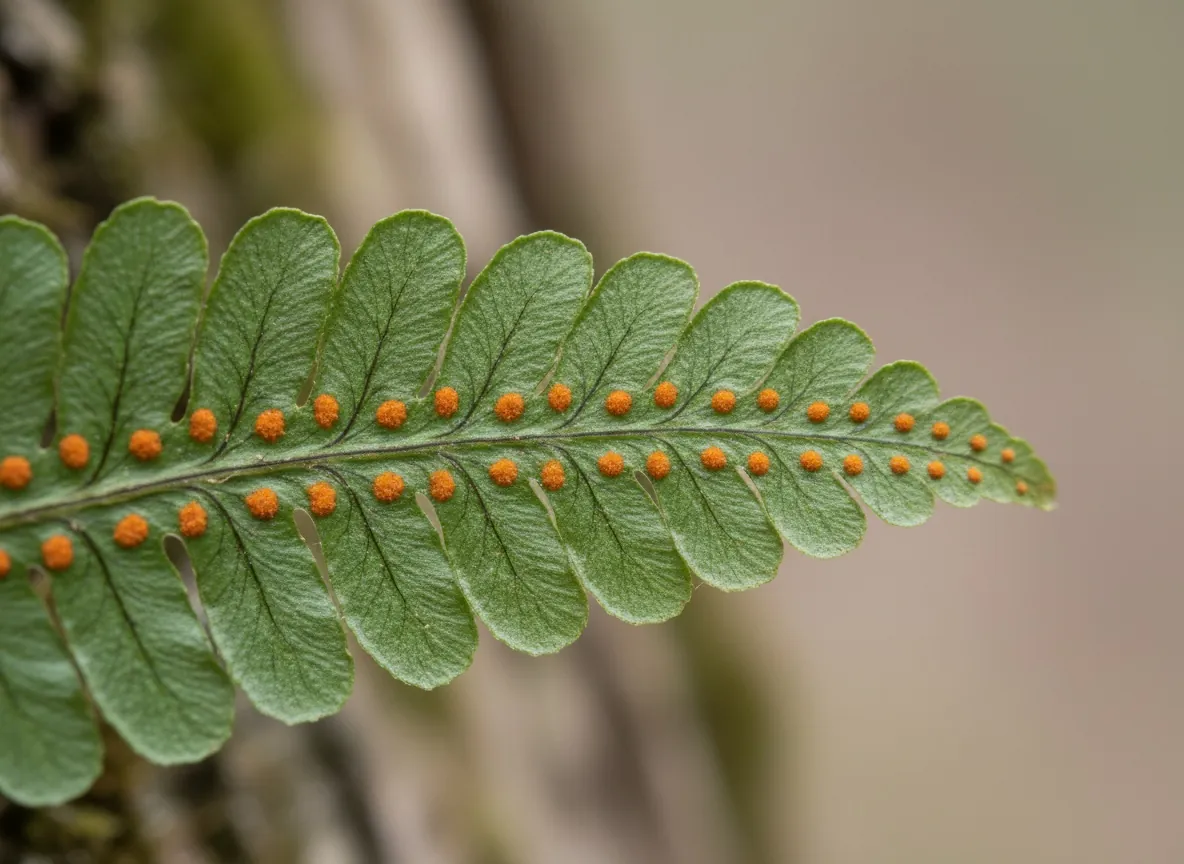
- It does not flower: it reproduces by spores that ripen in round sori on the underside of the frond.
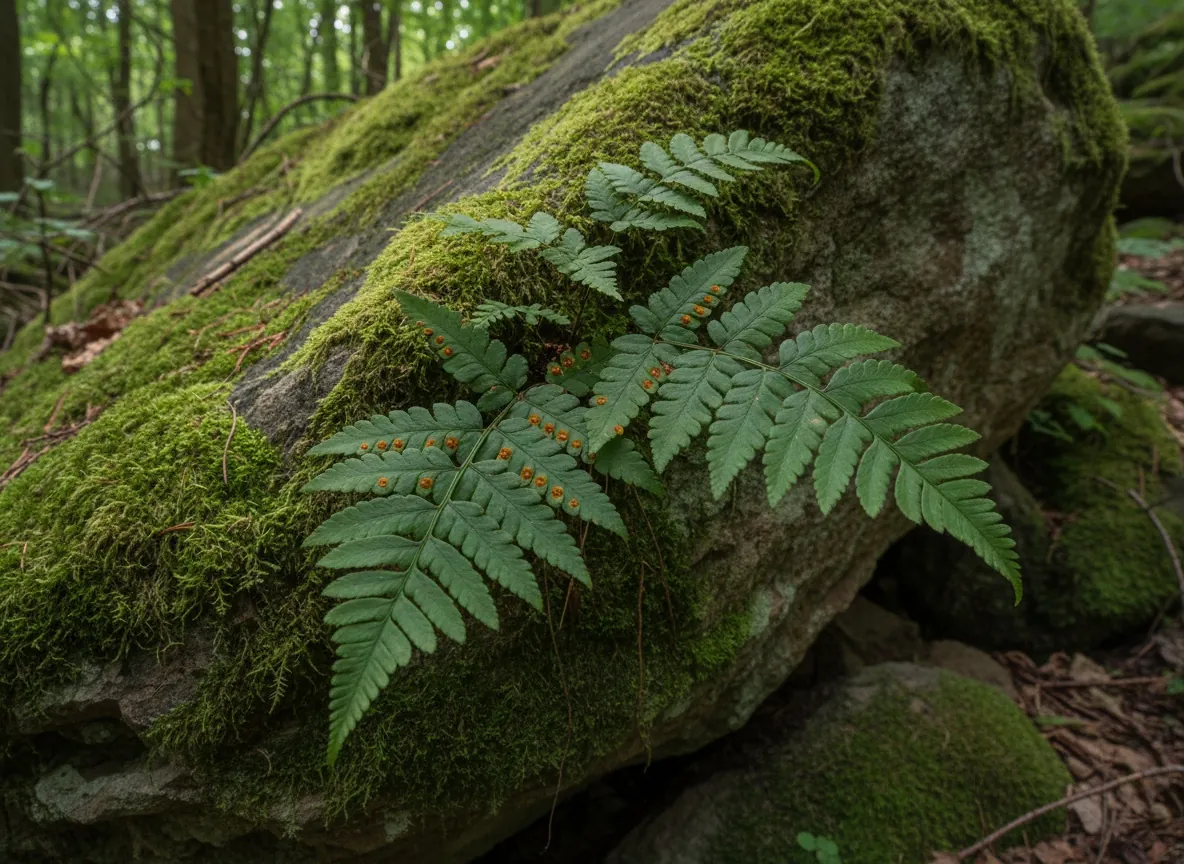
- An epiphyte and lithophyte — in the wild it grows on tree bark, boulders and walls, not in typical garden soil.
- Very frost-hardy (zone 3a); it needs shade or partial shade and an acidic, humus-rich substrate.
- The rhizome creeps shallowly beneath the leaf litter — plant it very shallowly, do not bury it.
- The rhizome has a sweetish taste, hence the Polish folk name “słodycz” (sweetness).
Botanical data
- Family
- Polypodiaceae (Polypodiaceae)
- Height
- 0.1–0.3 m
- Width
- 0.2–0.6 m
- Habit
- Creeping
- Growth rate
- Slow
- Position
- Partial shade, Shade
- Soil
- Humus-rich, Sandy, Peaty
- pH reaction
- pH 4.5–6.5
- Moisture
- Moderate, Moist
- Bloom
- —
- Hardiness
- USDA 3a–8b
- Propagation
- By division, From seed
Characteristics
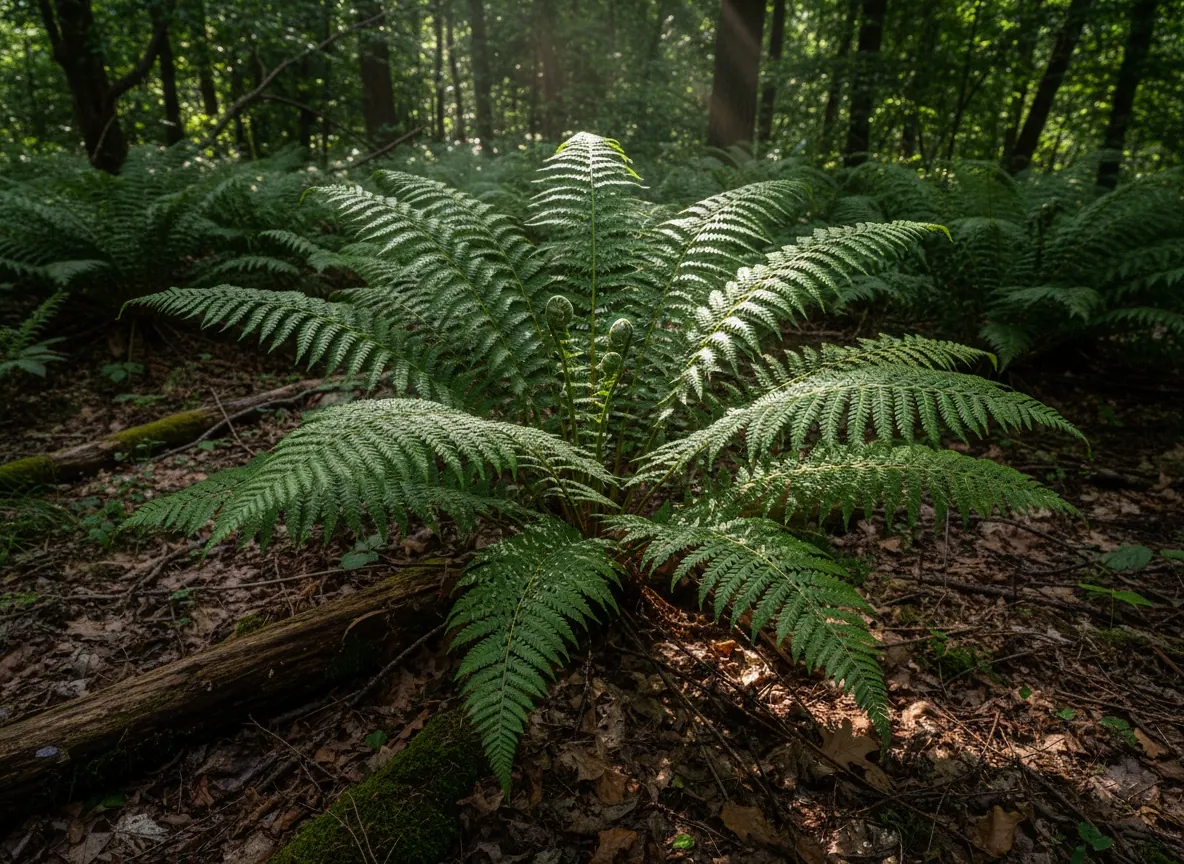
It forms loose, flat colonies of fronds arising singly from a long, creeping rhizome covered in rusty scales. The fronds are stiff, leathery, once-pinnate (divided only once, into elongated segments with rounded tips) and keep their dark green colour all winter. On the underside of the frond, large, round, orange sporangia clusters (sori) are visible, set in two regular rows on either side of the midrib — they gave the genus its English name “polypody”, and they are this plant's only “reproductive structure”.
Growing and care
Watering
It likes a constantly slightly moist but never sodden substrate. The rhizome creeps just below the surface and rots easily in wet, compacted soil — moist leaf litter and shade matter more than watering.
Fertilizing
Very sparingly — in the wild the plant lives on the humus that collects in crevices of bark and rock, so mineral fertilisers are unnecessary.
Planting
Lay the rhizome shallowly, just beneath the layer of leaf litter or humus — do not bury it deep. A rock crevice, a mossy boulder, a rotting log or a loose, humus-rich woodland substrate all work well.
Pruning
Cut out only the frost-damaged or browned fronds, right at the base.
Companion plants
Good companions
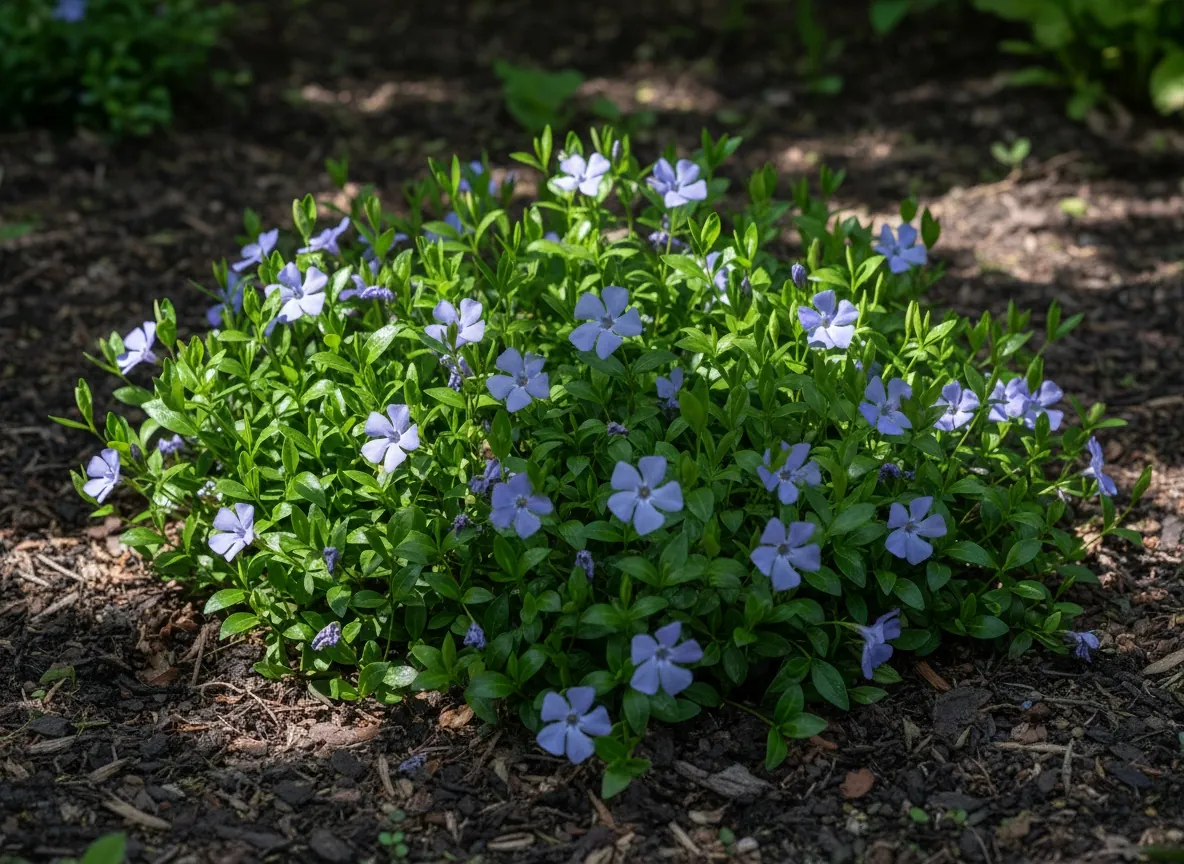
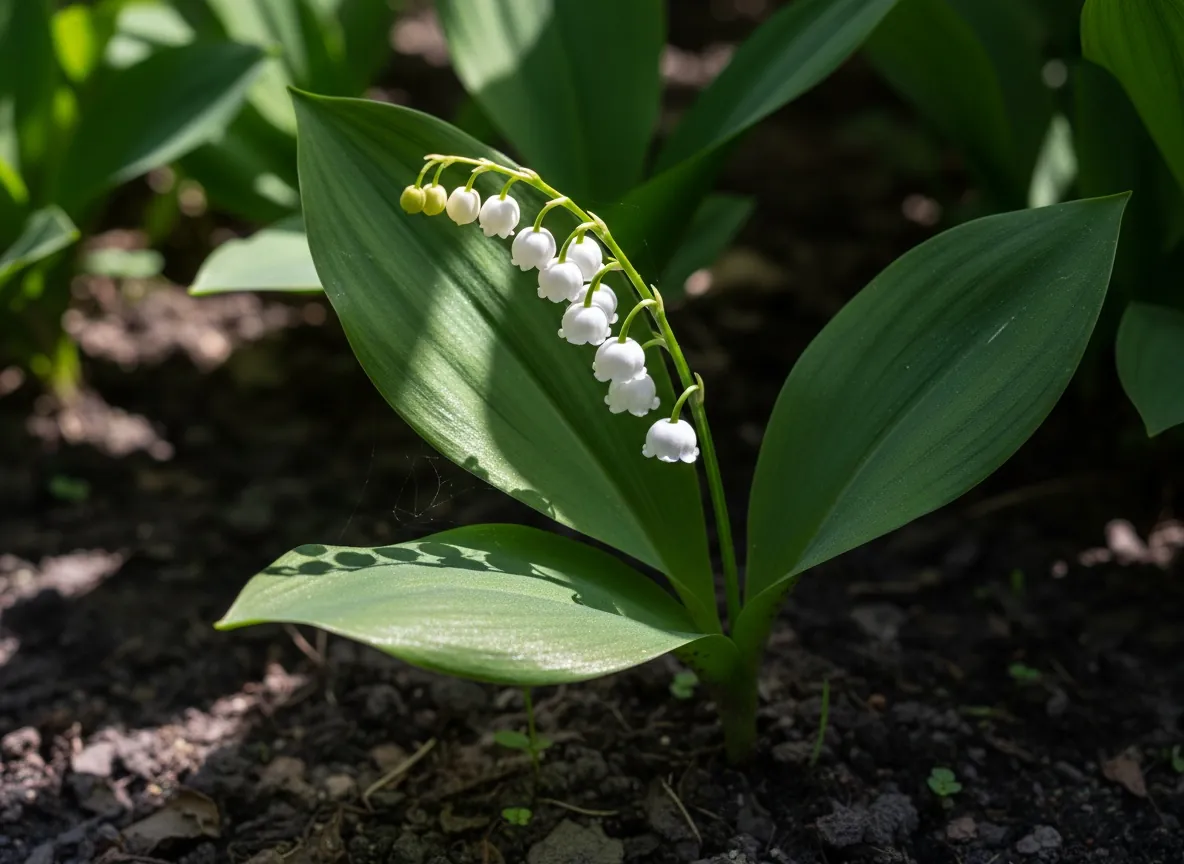
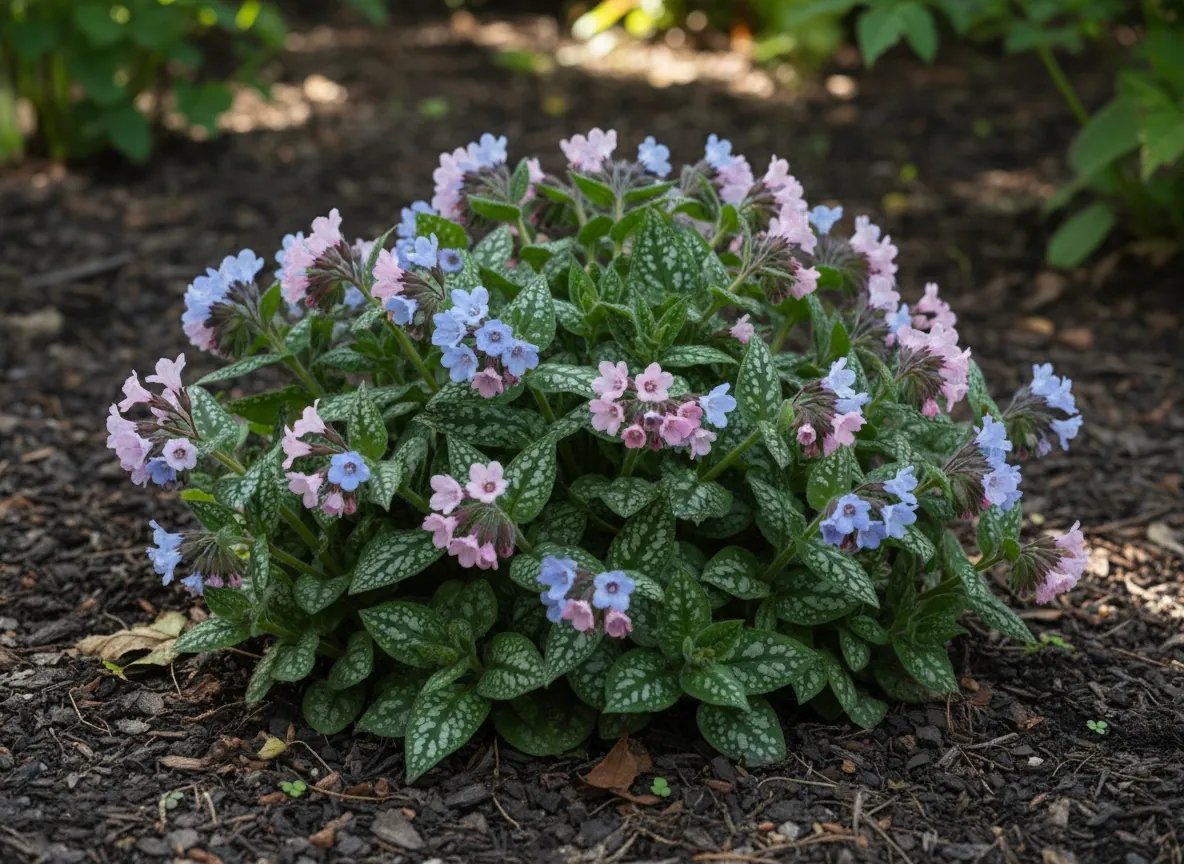
A classic shade-garden pairing — both plants need shelter from the sun and a humus-rich, slightly moist soil, and the pinnate fronds of polypody contrast well with the broad leaves of the hosta.
In the wild the two species often share the same site — the mossy trunk of an old tree or a shaded wall; they have identical light requirements.
Cushions of moss keep constant moisture and humus around the creeping rhizome, exactly as in polypody's natural habitat.
Bad companions
Completely opposite requirements — lavender needs full sun and dry, alkaline soil, in which polypody quickly dries out.
Common polypody grows on an acidic, humus-rich substrate in the shade — liming and a sunny position harm it.
The evidence level indicates whether the relationship is backed by research, observation, or gardening tradition.
Toxicity
| For whom | Level | Notes |
|---|---|---|
| Humans | None | The rhizome has a sweetish taste (hence the folk name “słodycz”, sweetness) and was formerly chewed and used in herbal medicine. It is not, however, an edible plant in the everyday sense — in larger quantities it can act as a laxative. |
| Dogs | None | — |
| Cats | None | — |
History and origin
The polypody rhizome, known in old herbalism as Rhizoma Polypodii, was a prized raw material with a sweetish taste — it was used as a mild expectorant and laxative, and country children chewed it like a natural sweet, hence the Polish folk name “słodycz” (sweetness). The sweetness comes from saponins and intensely sweet-tasting compounds contained in the rhizome, not from simple sugars. The species has always been common in European forests, but only the fashion for woodland gardens and rock compositions restored it to a place in ornamental cultivation.
Uses
For woodland and shade gardens, for rock gardens in partial shade, and for planting into wall crevices, mossy boulders and rotting logs. It works well as a low ground-cover plant in the shade of trees, where few other species will grow, and also in pot culture in cool, bright rooms.
Trivia
- Ferns do not flower at all — they have neither flowers nor seeds, and reproduce by microscopic spores. The legend of the “fern flower” on Midsummer Night is precisely for this reason a tale about something impossible to find.
- The polypody rhizome tastes distinctly sweet — in some regions of Europe it was even called the “liquorice fern” because of this resemblance.
- As an epiphyte, polypody is not a parasite on the tree — it uses the trunk purely as support and draws water and nutrients from the humus and moss that accumulate in the crevices of the bark.
Frequently asked questions
When does common polypody flower and what colour are its flowers?
Polypody never flowers — like all ferns it belongs to the spore-bearing plants, which produce neither flowers nor seeds. What is sometimes taken for “flowers” are the round, orange-brown sporangia clusters on the underside of the fronds. It reproduces by these spores or — far more easily in the garden — by dividing the creeping rhizome.
Can common polypody be planted in ordinary garden soil?
Better not in heavy, clay soil. In the wild, polypody grows on tree bark, boulders and walls, drawing water from humus and moss, so it needs a very free-draining, acidic and humus-rich substrate. The rhizome is laid shallowly, just beneath the leaf litter — buried deep in wet soil it will simply rot.
Should polypody fronds be cut back for winter?
No. Common polypody is evergreen and feeds through the winter on precisely these fronds — they are removed only in early spring, and then only those that are frost-damaged or browned, once new ones begin to unfurl.
Sources
- Plants of the World Online (POWO)Database (GBIF, POWO…)
- RHS — Polypodium vulgareInstitution / botanical garden
My note
A private note for this plant — saved in your browser.