In short
- Position: full sun, well-drained, rather dry soil.
- One of the most drought-resistant balcony plants — it dislikes excess water, though.
- Flowers continuously from June until the first frosts.
- Regular removal of spent flowers significantly prolongs flowering.
- Readily visited by butterflies and bees.
Botanical data
- Family
- Verbenaceae (Verbenaceae)
- Height
- 0.2–0.45 m
- Width
- 0.3–0.5 m
- Habit
- Spreading
- Growth rate
- Fast
- Position
- Full sun
- Soil
- Sandy, Humus-rich
- pH reaction
- pH 6–7.5
- Moisture
- Dry, Moderate
- Bloom
- June–October
- Hardiness
- USDA 9a–11a
- Propagation
- From seed, From cuttings
Characteristics
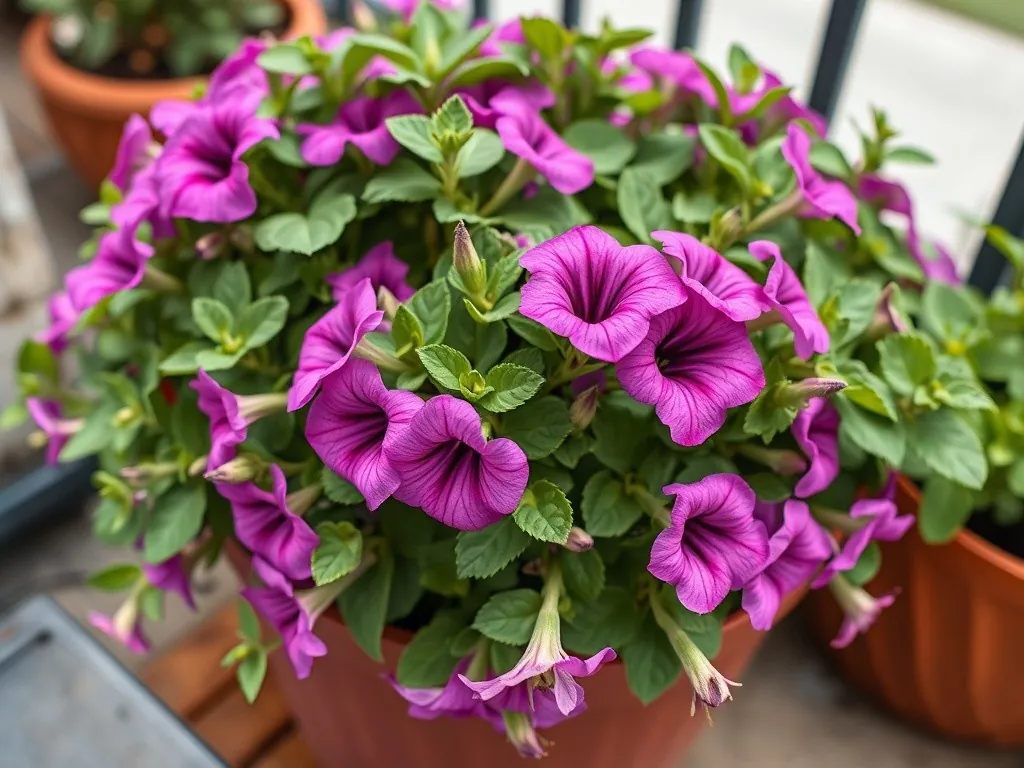
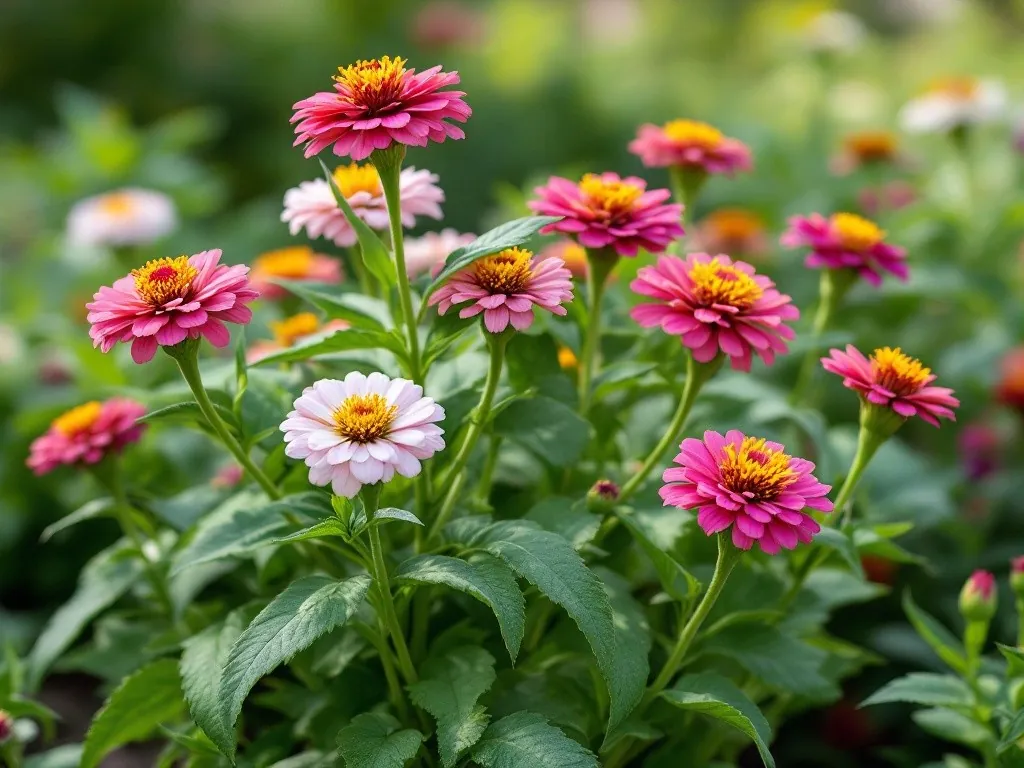
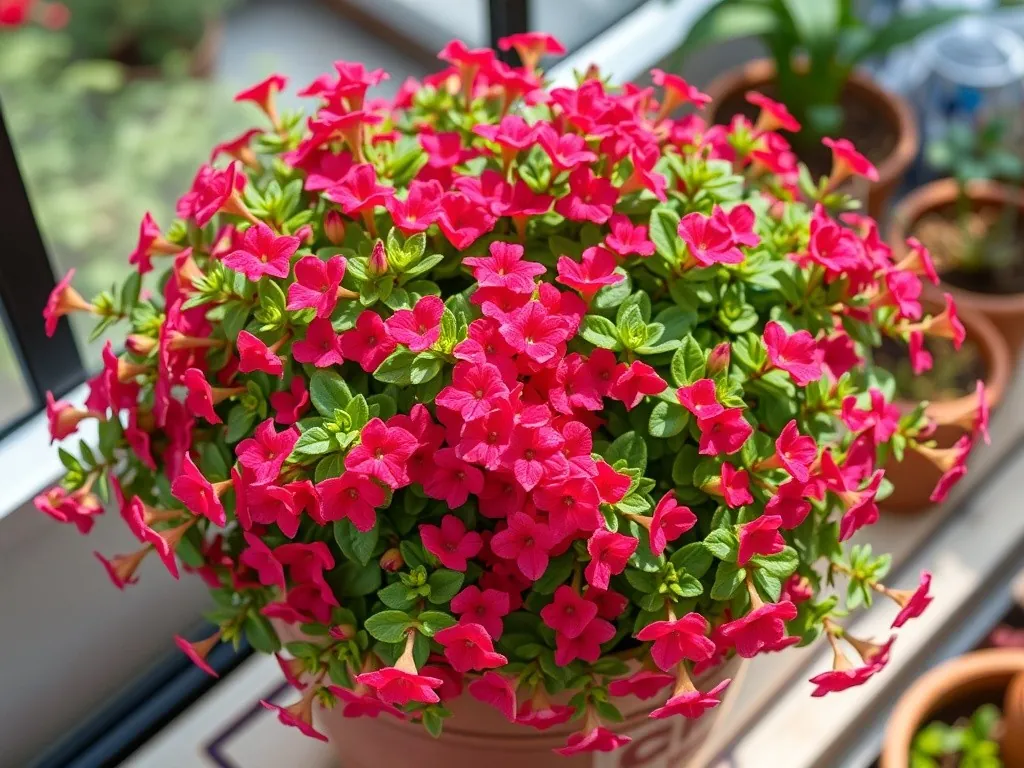
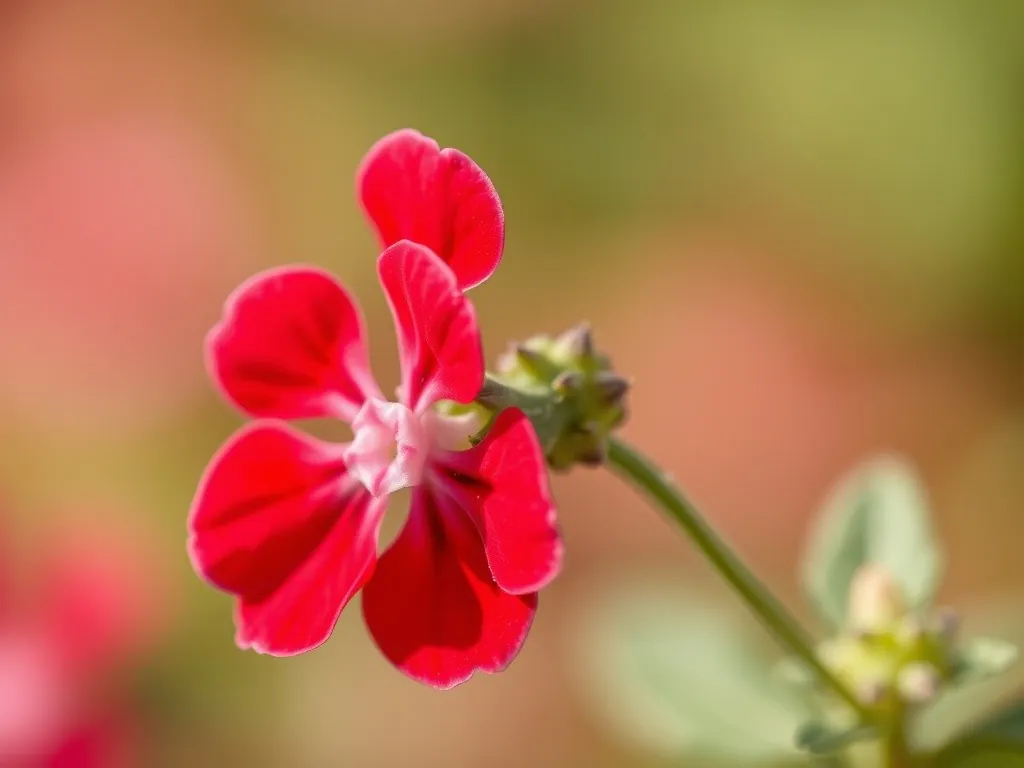
It forms spreading or slightly trailing clumps of shoots up to 45 cm long, covered with toothed leaves. The small, five-petalled flowers are gathered in flat, dense clusters that flower in waves throughout the summer.
Growing and care
Watering
Very drought-resistant — it tolerates drying out better than an excess of water, which causes fungal diseases.
Fertilizing
Moderate doses — excess nitrogen limits flowering in favour of leaf growth.
Planting
Position in full sun, light and well-drained soil; avoid places with standing water.
Pruning
Remove spent flower heads to prolong flowering; if it grows too rampant, cut the shoots back by a third.
Companion plants
Good companions
Complementary habits in a balcony box and shared resistance to summer heat.
Both species prefer dry, well-drained substrate and full sun — easy joint cultivation in a container.
Similar water requirements and shared attraction of pollinators in a flower bed.
Bad companions
The constant moisture these plants need promotes fungal diseases and root rot in verbena.
The evidence level indicates whether the relationship is backed by research, observation, or gardening tradition.
Toxicity
| For whom | Level | Notes |
|---|---|---|
| Humans | None | — |
| Dogs | None | — |
| Cats | None | — |
History and origin
Modern garden verbena arose in the first half of the 19th century in Europe from crossing several verbena species brought from South America. It quickly gained popularity as a durable, easy-to-grow bedding and balcony plant.
Uses
For balcony boxes, terrace containers, border edgings and dry, sunny slopes, where it does well as a ground-cover plant tolerant of difficult conditions.
Trivia
- Verbena is one of the plants that attracts the most species of day-flying butterflies in urban gardens.
- Some verbena cultivars have a delicate, spicy scent, especially noticeable in the warmth of a sunny day.
Frequently asked questions
Why does verbena stop flowering?
This is usually the result of not regularly removing spent flower heads or of too much soil moisture. Systematic deadheading and moderate watering restore abundant flowering.
Does verbena need to be watered daily?
No — it is one of the more drought-resistant balcony plants. It is better to let the substrate dry out between waterings than to water too often.
Will verbena survive winter in Poland?
Garden verbena is a frost-sensitive hybrid and in the Polish climate is grown as an annual, removed after the first frosts.
Sources
- Plants of the World Online (POWO) — VerbenaDatabase (GBIF, POWO…)
- RHS — Verbena x hybridaInstitution / botanical garden
My note
A private note for this plant — saved in your browser.