In short
- Very long-lived – it can grow in the same spot for decades.
- Key point: plant the eyes shallowly (3–5 cm) – deep planting inhibits flowering.
- Requires full sun and a fertile, free-draining soil.
- Dislikes being moved – choose the final position carefully from the start.
- Tall double cultivars need staking.
Botanical data
- Family
- Paeoniaceae (Paeoniaceae)
- Height
- 0.6–1 m
- Width
- 0.6–1 m
- Habit
- Clump-forming
- Growth rate
- Slow
- Position
- Full sun, Partial shade
- Soil
- Loamy, Humus-rich
- pH reaction
- pH 6–7
- Moisture
- Moderate
- Bloom
- May–June
- Hardiness
- USDA 3a–8a
- Propagation
- By division
Characteristics
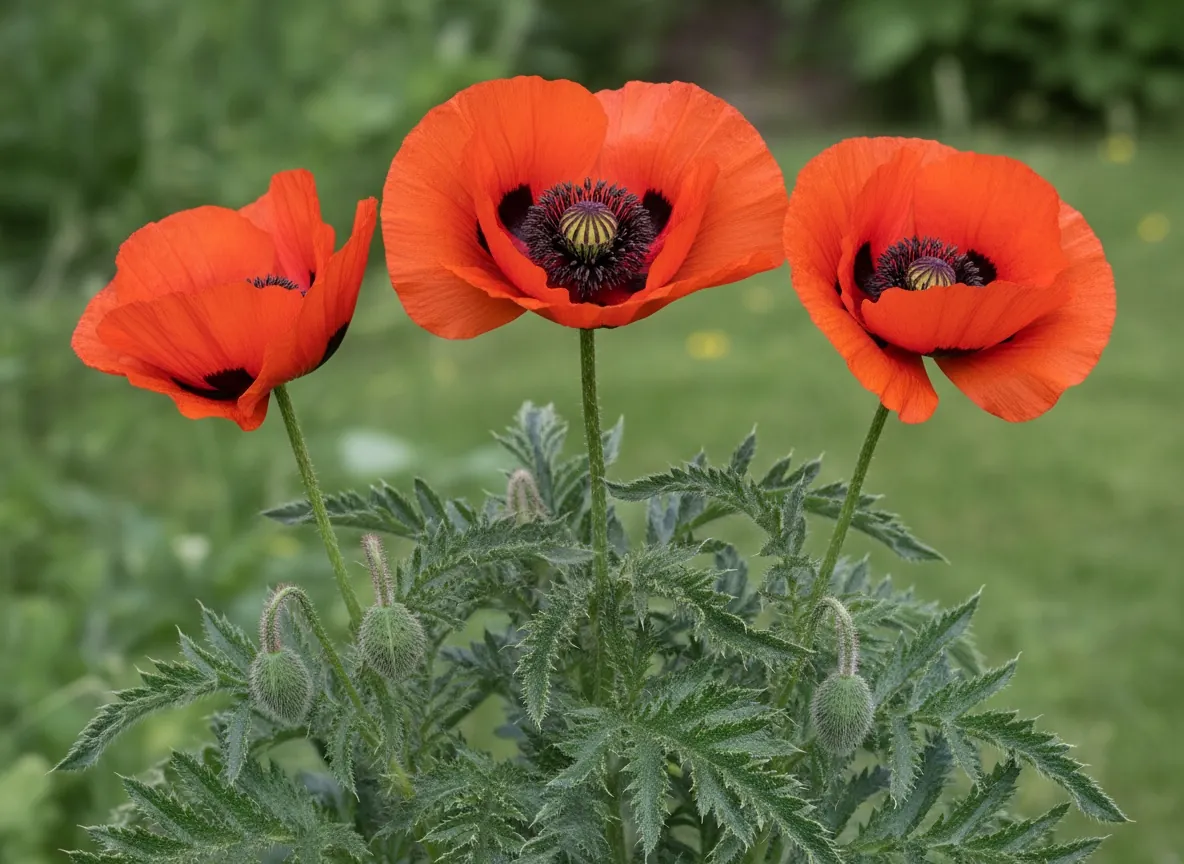
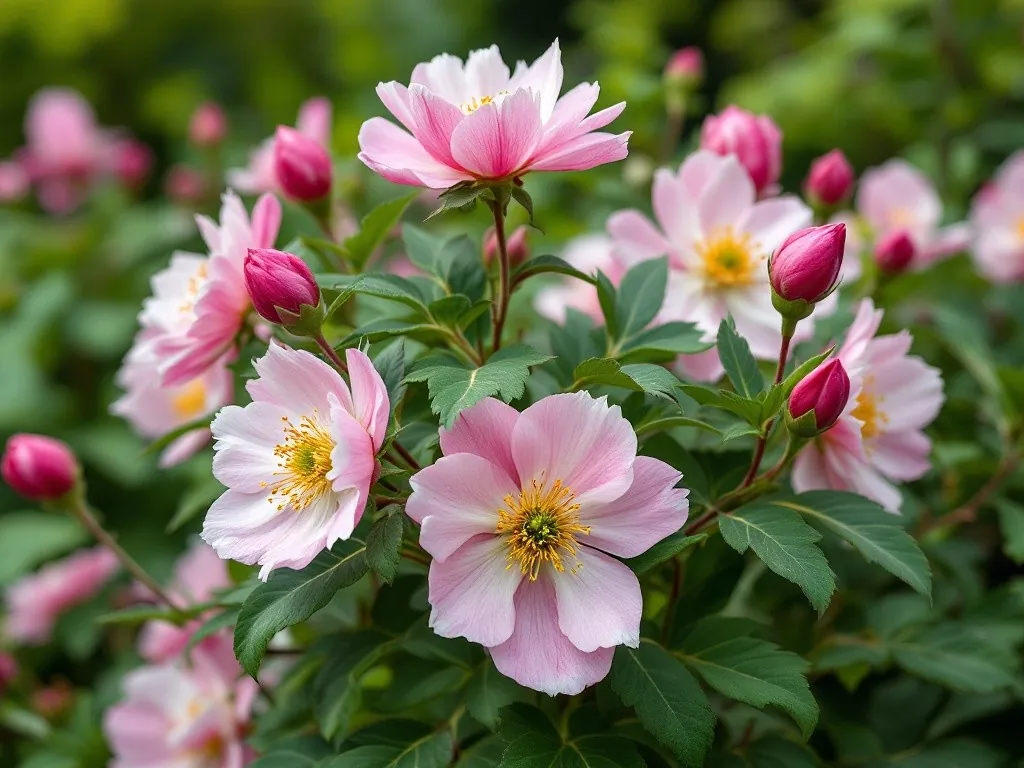
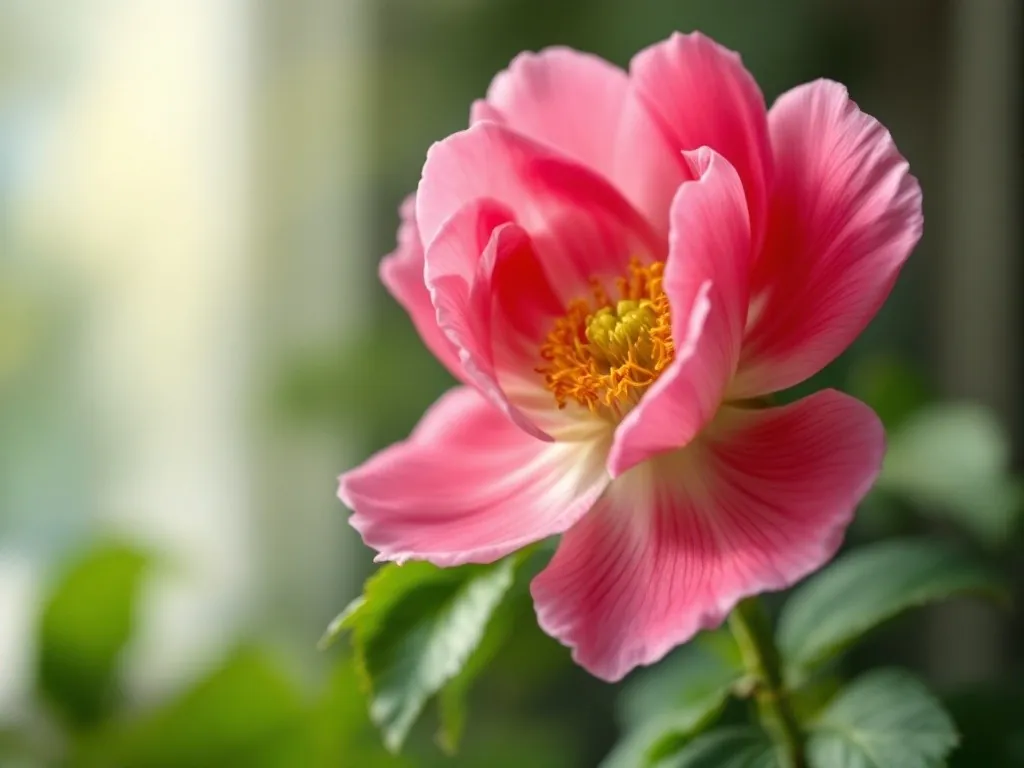
A perennial forming dense clumps of glossy, divided leaves. The flowers are large, single or double, in shades of white, pink and red, and often intensely fragrant.
Growing and care
Watering
Water regularly during budding and flowering; mature clumps are fairly drought-tolerant. Waterlogged soil is not tolerated.
Fertilizing
An excess of nitrogen produces lush foliage at the expense of flowers.
Planting
Fertile, free-draining soil in full sun; KEY POINT – set the eyes (buds) shallowly, no more than 3–5 cm below the surface, or the plant will not flower.
Pruning
Cut the stems back to ground level in autumn and remove them to limit fungal diseases.
Companion plants
Good companions
Similar requirements – sun, fertile free-draining soil; a classic, elegant pairing in ornamental gardens.
Bad companions
The peony copes poorly with competition for water and nutrients and with shading by larger plants.
The evidence level indicates whether the relationship is backed by research, observation, or gardening tradition.
Diseases and pests
A white, powdery coating on leaves, shoots and buds. The leaves turn yellow, become deformed and drop prematurely.
Grey mouldA grey-brown, fluffy coating of mycelium on flowers, fruit, leaves and shoots, preceded by watery, rotting spots. It attacks weakened and damaged tissue and develops rapidly in humidity and cool conditions and where air circulation is poor. Common on strawberries, begonias, peonies and roses.
AphidsSmall (1–3 mm) soft-bodied insects, green, black or pink, feeding in clusters on young shoots and the underside of leaves. They excrete sticky honeydew.
Toxicity
| For whom | Level | Notes |
|---|---|---|
| Humans | Mild | — |
| Dogs | Moderate | Contains paeonol, which is toxic to dogs and cats if eaten. |
| Cats | Moderate | — |
History and origin
The peony has been cultivated in China for over two thousand years, where it is regarded as a symbol of prosperity and honour and called the „queen of flowers”. It reached Europe in the 19th century and quickly became a garden classic.
Uses
For perennial borders, cottage and romantic gardens, and as a cut flower (one of the most popular wedding flowers).
Trivia
- Peonies can flower in the same spot for over 50, or even 100, years.
- The sticky buds of the peony are often visited by ants feeding on the sweet secretion – they do the plant no harm.
Frequently asked questions
Why won't my peony flower?
The most common cause is planting too deep – the eyes (buds) must sit no more than 3–5 cm below the soil surface. Other reasons include a plant that is too young or recently moved, too much shade, or an excess of nitrogen.
Are the ants on peony buds harmful?
No – the ants feed on the sweet secretion of the buds and do the plant no harm, nor are they needed for it to flower. It is an entirely natural phenomenon.
Can peonies be moved?
They can, but reluctantly – peonies dislike root disturbance and may fail to flower for 2–3 years after being moved. The best time is September, again keeping the eyes planted shallowly.
Sources
- Plants of the World Online (POWO)Database (GBIF, POWO…)
- RHS — PeoniesInstitution / botanical garden
My note
A private note for this plant — saved in your browser.