In short
- A very long flowering period – from July to October.
- Easy, tolerant and exceptionally frost-hardy (zones 3a–9a).
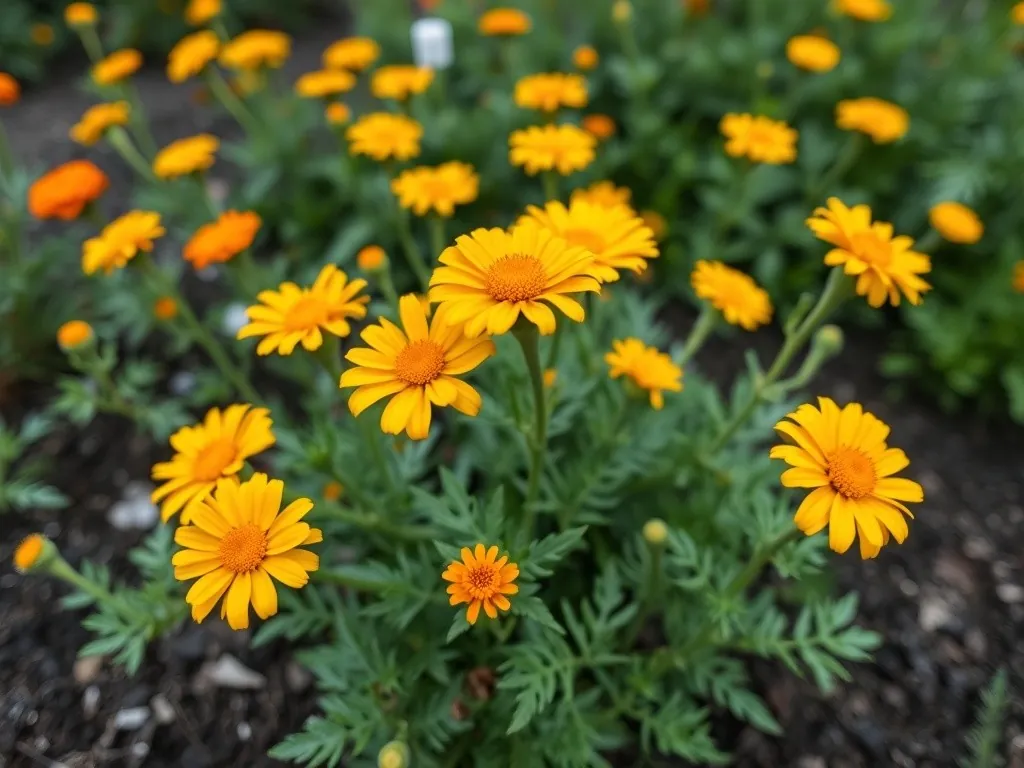
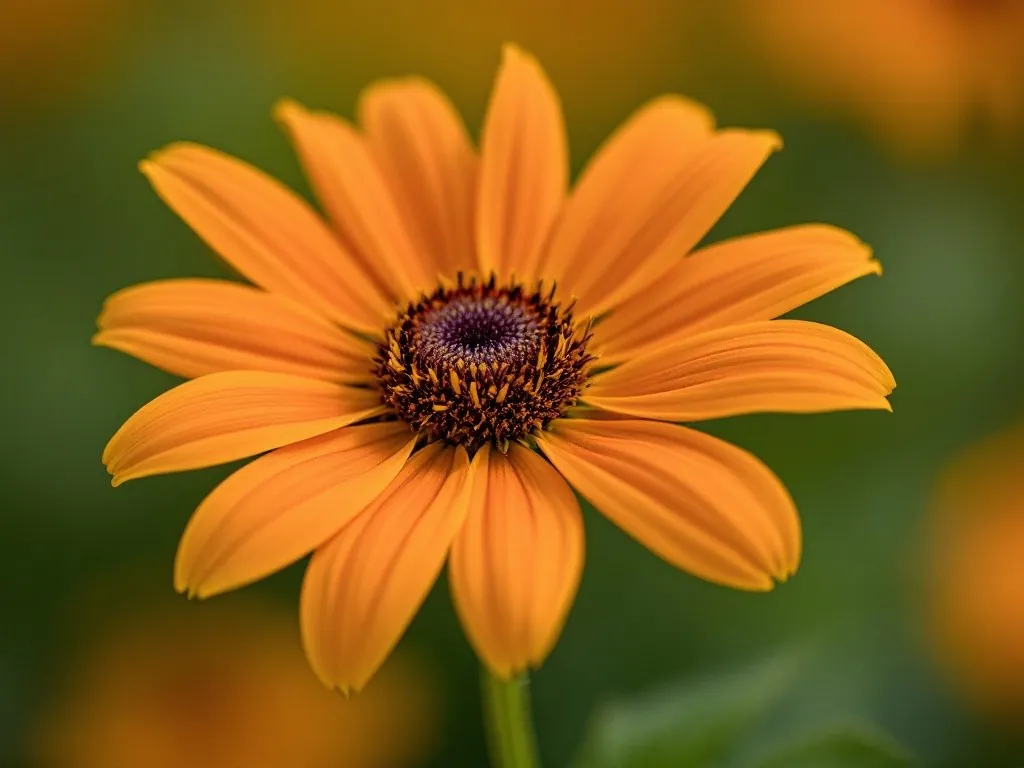
- The dark, brown-black centre of the flower contrasts with the bright-yellow petals – hence the name black-eyed Susan.
- Strongly attracts bees, butterflies and other pollinators.
- Spreads by runners, forming broad clumps over time – a good ground-cover plant for the bed.
- Low-maintenance – it needs neither intensive fertilizing nor winter protection.
Botanical data
- Family
- Asteraceae (Asteraceae)
- Height
- 0.5–0.9 m
- Width
- 0.4–0.5 m
- Habit
- Clump-forming
- Growth rate
- Moderate
- Position
- Full sun, Partial shade
- Soil
- Loamy, Humus-rich, Sandy
- pH reaction
- pH 5.5–7.5
- Moisture
- Moderate, Moist
- Bloom
- July–October
- Hardiness
- USDA 3a–9a
- Propagation
- By division, From seed, By runners
Characteristics
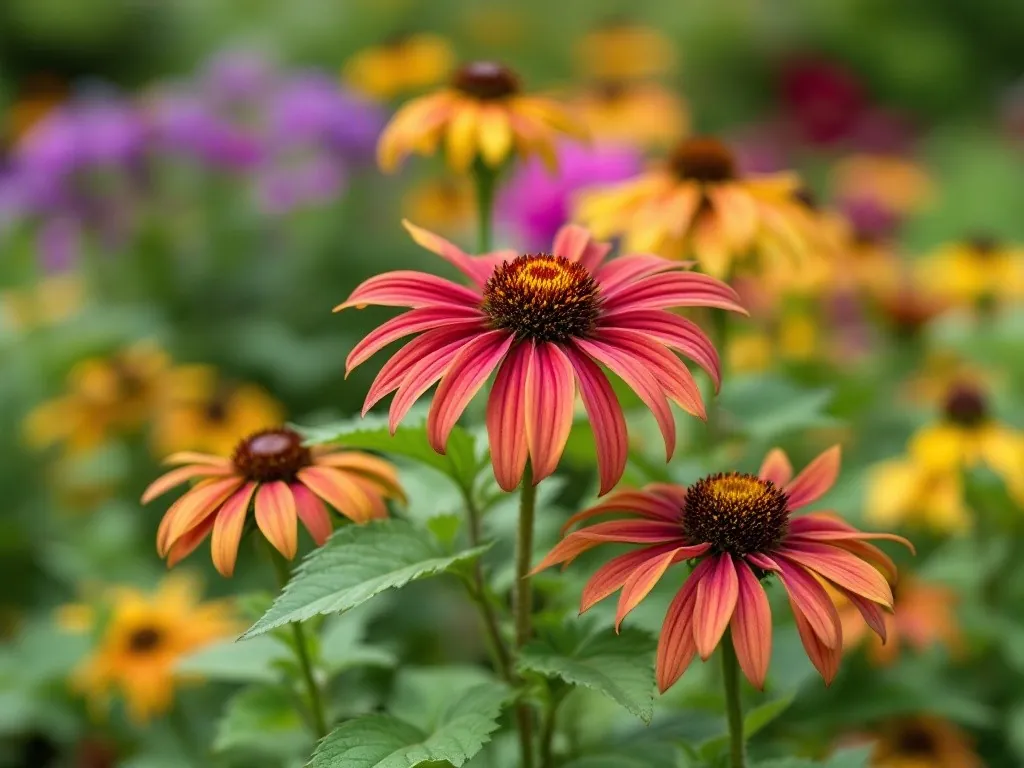
A clump-forming perennial with upright, roughly hairy shoots and dark-green, oval to lance-shaped leaves. The flower heads are capitula with elongated, bright-yellow to orange-yellow petals surrounding a raised, dark-brown to black centre made up of small tubular flowers.
Growing and care
Watering
It tolerates short periods of drought, but blooms best and most abundantly on moderately moist soil. A very tolerant plant that forgives watering mistakes.
Fertilizing
Undemanding – a small application of compost in spring is fully sufficient for abundant flowering.
Planting
Tolerates a wide range of soils; grows best on well-drained, moderately fertile soil in sun or light half shade.
Pruning
Spent flowers can be removed as they fade to prolong flowering; dry stems and flower heads are best left over winter as food for birds and ornament for the garden.
Companion plants
Good companions
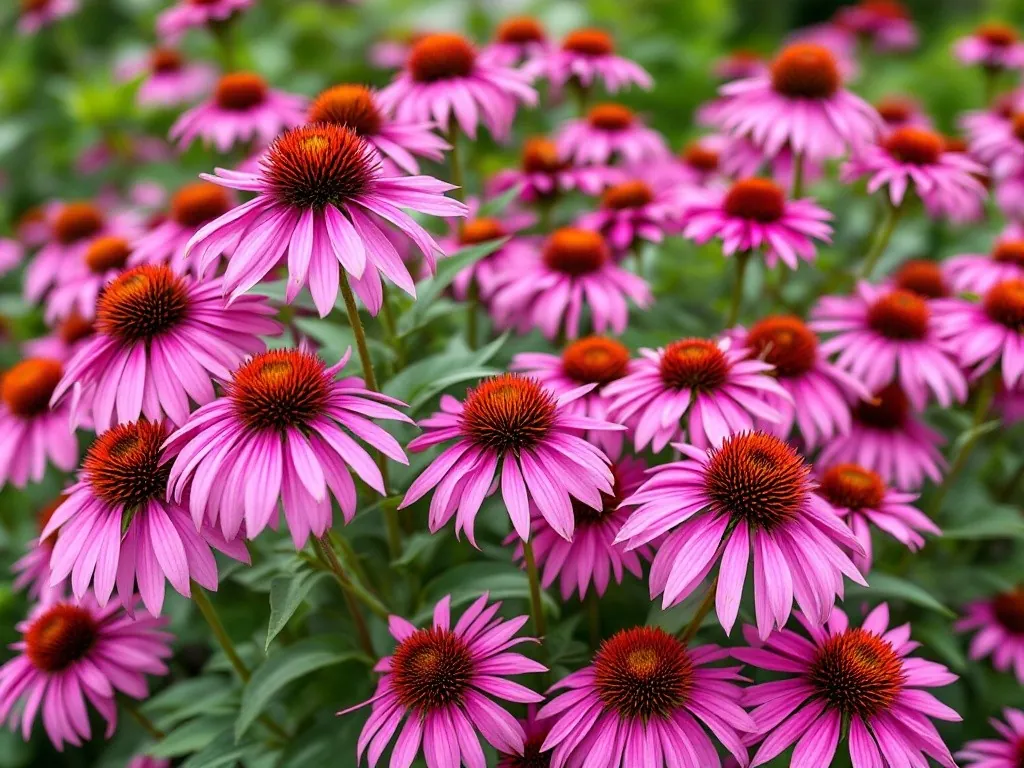
A classic prairie-style naturalistic-garden combination – the overlapping flowering period and similar site requirements produce a durable, colour-contrasting composition.
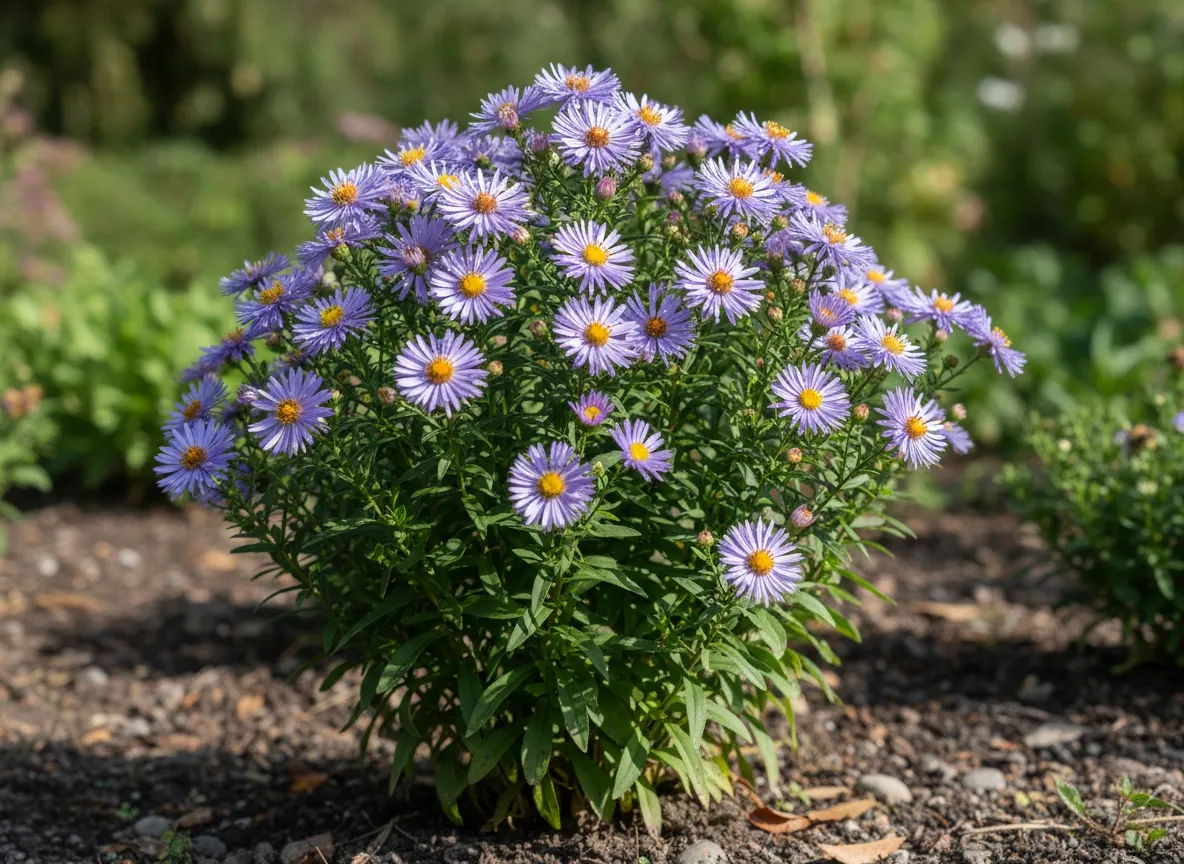
A similar flowering period and requirements for fertile, moderately moist soil – the yellow-orange coneflower contrasts well with the pink-purple phlox in the bed.
Bad companions
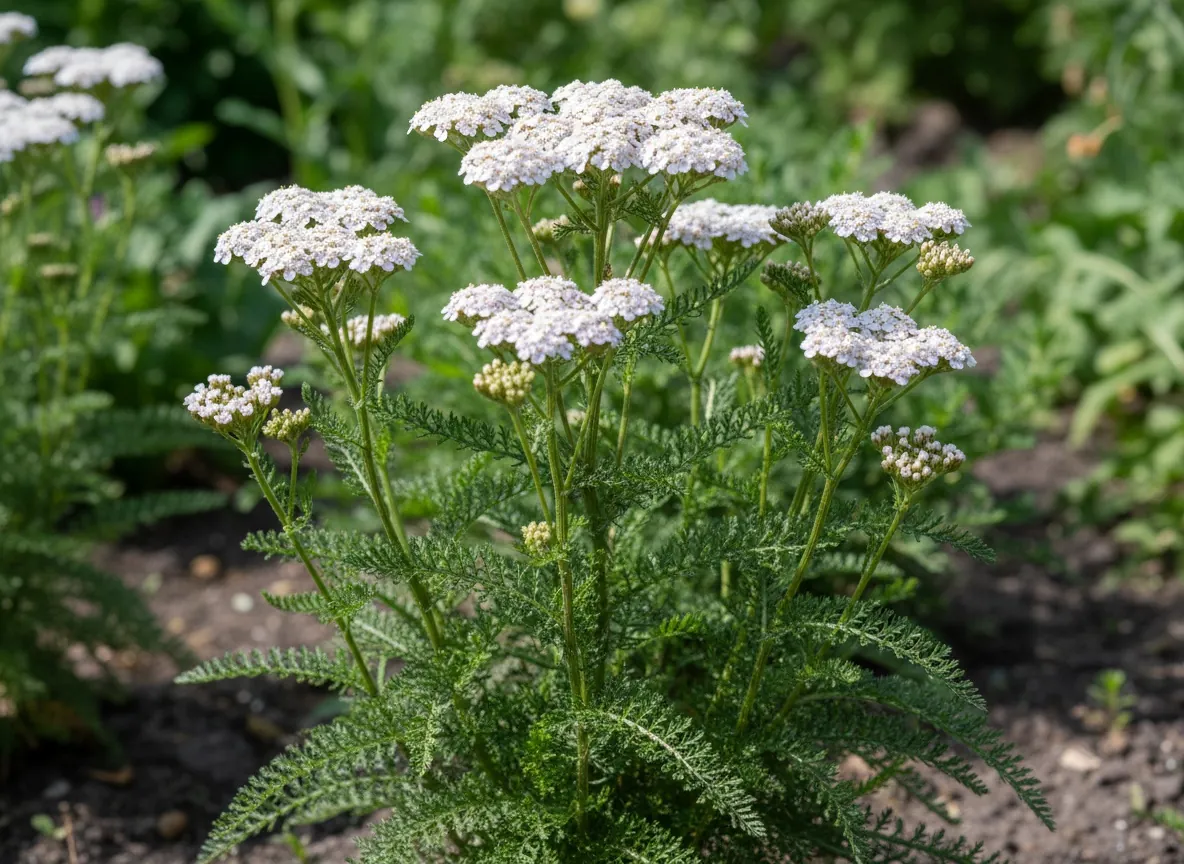
The coneflower needs more regular soil moisture than typical plants of dry, sunny sites, which leads to a conflict in watering requirements.
The evidence level indicates whether the relationship is backed by research, observation, or gardening tradition.
Diseases and pests
A white, powdery coating on leaves, shoots and buds. The leaves turn yellow, become deformed and drop prematurely.
AphidsSmall (1–3 mm) soft-bodied insects, green, black or pink, feeding in clusters on young shoots and the underside of leaves. They excrete sticky honeydew.
Slugs and snailsSlugs and shelled snails that feed at night and after rain. Symptoms: irregular holes in the leaves and young seedlings eaten off completely, silvery slime trails on leaves and soil. The greatest damage occurs in damp, shaded spots — particularly on lettuce, strawberries and hostas.
Toxicity
| For whom | Level | Notes |
|---|---|---|
| Humans | None | — |
| Dogs | None | — |
| Cats | None | — |
History and origin
Rudbeckia fulgida was described at the turn of the 18th and 19th centuries and quickly gained popularity in garden cultivation in Europe and North America thanks to its easy cultivation and long flowering. The popular cultivar 'Goldsturm', selected in Germany in the early 20th century, remains one of the most widely planted border perennials in the world.
Uses
For perennial beds, naturalistic and prairie gardens, edgings and as a ground cover thanks to its spread by runners. Good as a cut flower, valued for its long, autumn flowering period.
Trivia
- The genus name Rudbeckia was given by Carl Linnaeus in honour of his mentor, the Swedish botanist Olof Rudbeck.
- The coneflower is a close relative of the sunflower and the echinacea – all belong to the aster family and have a similar centre made up of small tubular flowers.
Frequently asked questions
How long does the orange coneflower bloom?
Very long – from July to October, which makes it one of the longest-blooming border perennials, filling the garden with colour when many other plants have already faded.
Is the orange coneflower invasive in the garden?
It spreads by runners and after a few years can form broad clumps, so it is worth cutting it back or dividing it from time to time if you want to limit its spread – it is not, however, an aggressively invasive plant on a landscape scale.
Is the orange coneflower frost-hardy?
Yes, it is very frost-hardy – it survives winters even in zone 3a, without the need for covering or additional winter protection in the Polish climate.
Sources
- Plants of the World Online (POWO)Database (GBIF, POWO…)
- RHS — Rudbeckia fulgidaInstitution / botanical garden
My note
A private note for this plant — saved in your browser.