In short
- A perennial rootstock sends up new shoots each year that die back after the season — the above-ground part is annual.
- Very fast growth — up to several metres in a single growing season.
- Female hop cones are the raw material for beer production, traditionally used in herbal medicine as a sedative.
- Strongly, even fatally toxic to dogs — pets must be strictly kept away from access to the plant.
- Frost-hardy down to USDA zone 3 — the above-ground part dies back every year regardless.
Botanical data
- Family
- Cannabaceae (Cannabaceae)
- Height
- 3–7 m
- Width
- 1–1.5 m
- Habit
- Cascading
- Growth rate
- Fast
- Position
- Full sun, Partial shade
- Soil
- Loamy, Humus-rich
- pH reaction
- pH 6–7.5
- Moisture
- Moderate, Moist
- Bloom
- July–August
- Hardiness
- USDA 3a–8b
- Propagation
- From cuttings, By runners, By division
Characteristics
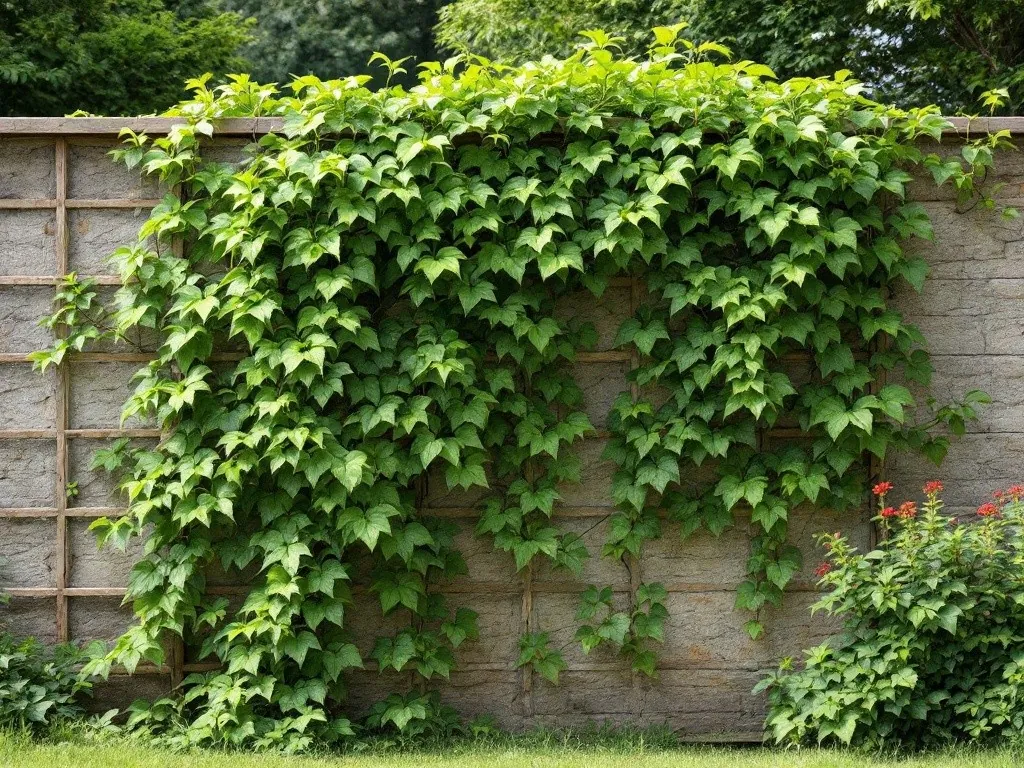
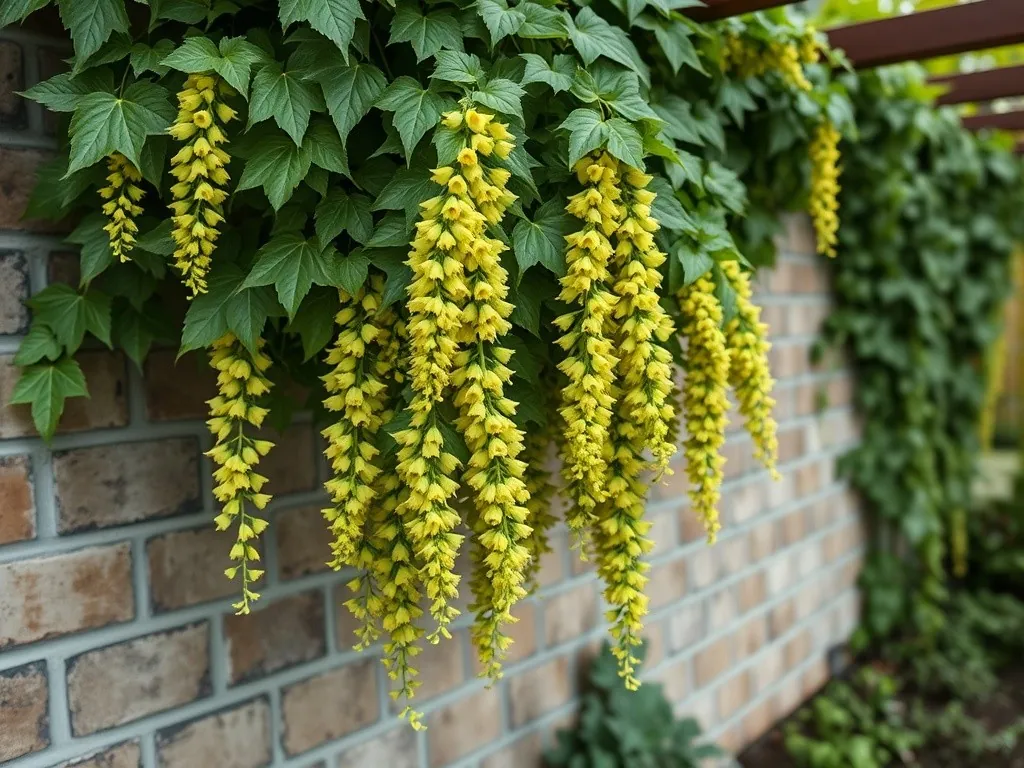
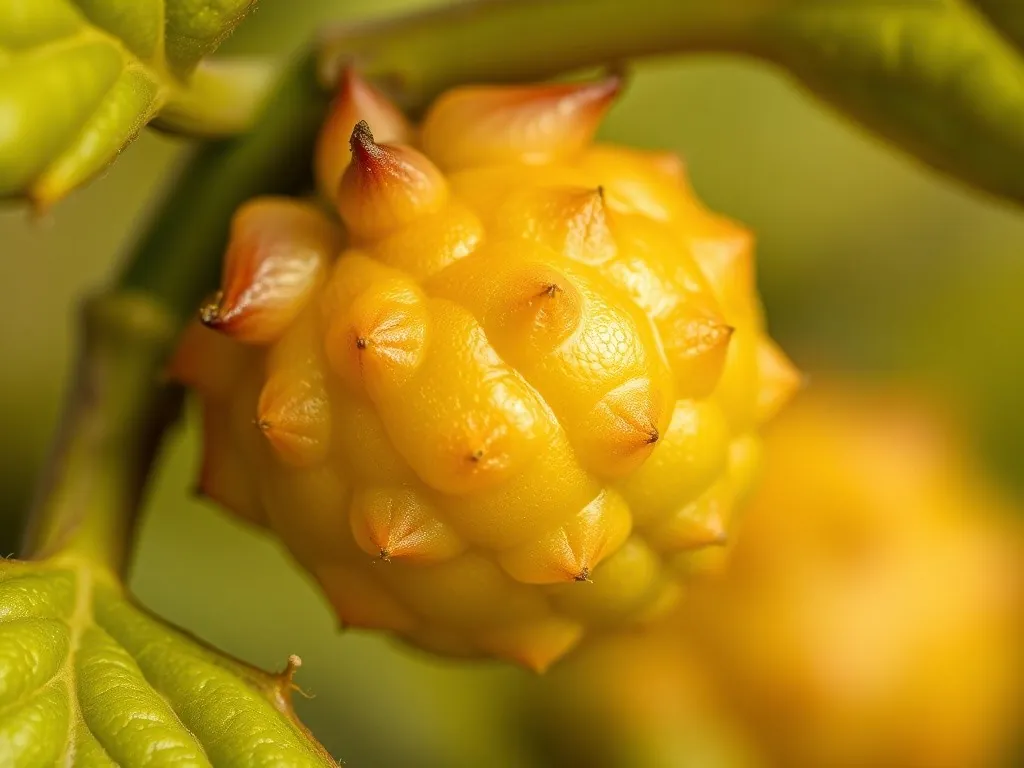
A herbaceous twining climber with rough, hairy shoots and palmately lobed leaves with a serrated edge. The plant is dioecious — male and female specimens are separate; the female inflorescences develop into the characteristic scaly, pale green cones used in brewing. The rootstock is perennial, but the above-ground shoots die back in autumn and regrow from the base each spring.
Growing and care
Watering
Very vigorous growth in spring and summer requires regular, generous watering, especially in the first year after planting.
Fertilizing
Hop is a heavy feeder — it responds well to regular, moderate doses of fertiliser throughout the period of vigorous growth.
Planting
Plant next to a solid, tall support (pole, string, pergola) — shoots can grow several metres in a single season and twine clockwise around the support.
Pruning
Select 2–4 of the strongest shoots to train up the support, cut the rest off at the base; in autumn after harvesting the cones, cut the above-ground shoots down to the ground.
Companion plants
Good companions
Hop twines around its support and can grow several metres over a season, so it pairs well with structures it will quickly cover in greenery.
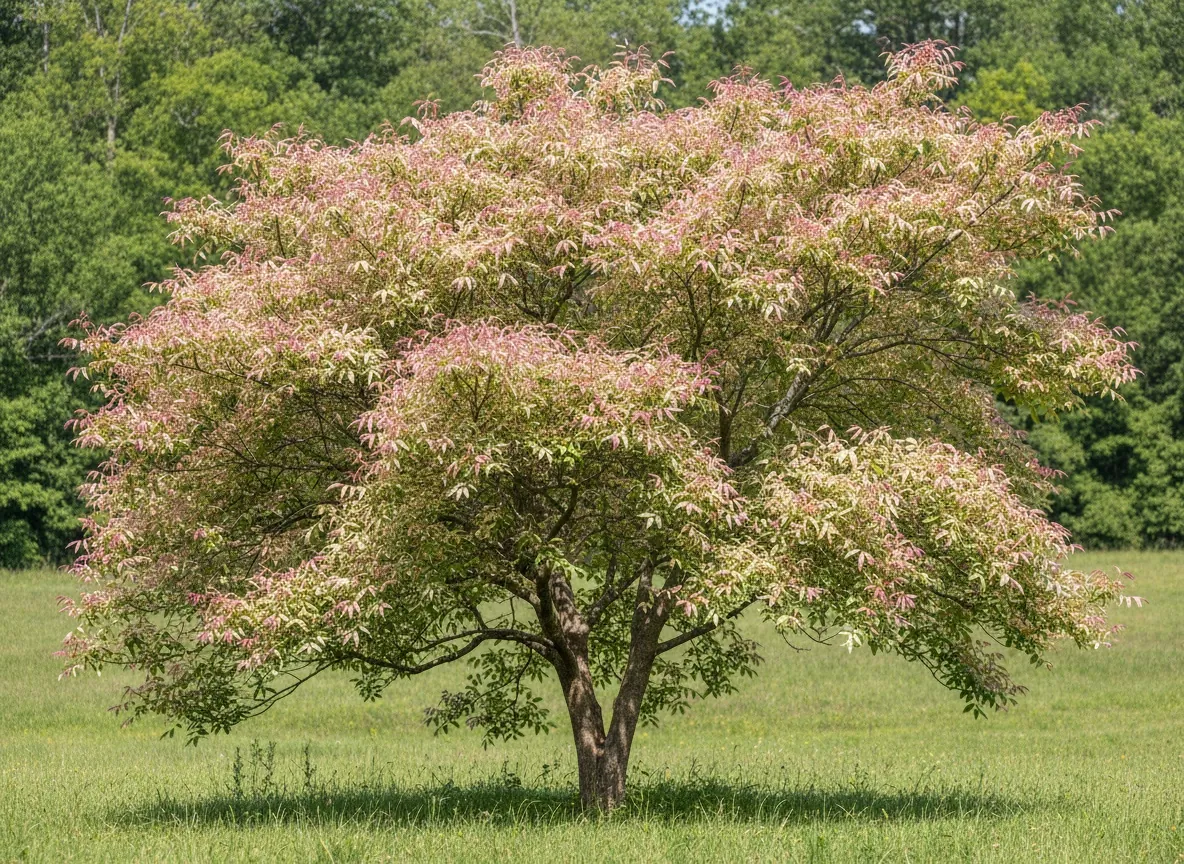
A large, woody shrub can serve as a natural, living support for hop shoots at the edge of the garden, provided it is substantial enough not to be overwhelmed.
Bad companions
Hop's runners spread vigorously underground and can crowd out shallow-rooted plants, competing for water and space.
The evidence level indicates whether the relationship is backed by research, observation, or gardening tradition.
Toxicity
| For whom | Level | Notes |
|---|---|---|
| Humans | Mild | Contact with the rough, hairy shoots and leaves can irritate the skin (contact dermatitis). |
| Dogs | Lethal | Hop is highly toxic to dogs — even small amounts of cones or brewing waste can trigger malignant hyperthermia, seizures and death. Dogs must never be allowed access to the crop or to compost containing hop residue. |
| Cats | Moderate | — |
History and origin
Growing hops for brewing has a centuries-old tradition in Central Europe — in Poland hop cultivation developed from the Middle Ages onward, and regions such as the areas around Lublin and Nowy Sącz are historically associated with its growing. Earlier, in folk herbal medicine, hop cones were used as a sedative and sleep aid, for instance placed in herbal pillows.
Uses
For covering pergolas, fences and tall garden structures as a fast-growing green screen within one season. Female cones are used in home brewing and in herbal medicine as a mild sedative and sleep aid.
Trivia
- The aromatic resins and essential oils contained in hop cones give beer its characteristic bitterness and aroma — they determine the style of many craft beers.
- Young hop shoots, known as hop asparagus, are edible and in some regions of Europe are traditionally harvested in spring as a vegetable, similarly to asparagus.
Frequently asked questions
Is hop safe for pets?
For dogs, definitely not. Hop, especially cones and brewing waste, is highly toxic to dogs and can trigger life-threatening malignant hyperthermia even in small amounts. Hop plants and compost containing hop residue must be strictly kept away from dogs.
How fast does hop grow during the season?
Very fast — a mature rootstock can send up shoots growing by as much as a dozen or so centimetres a day at the height of the season, reaching several metres in length from spring to summer. That's why it needs a solid, tall support from the start.
Does hop need to be replanted every year?
No — the rootstock is perennial and frost-hardy even in very harsh climate zones. The above-ground shoots die back in autumn, but regrow in spring from the same base, so once planted, hop can grow in the same spot for many years.
Sources
- Plants of the World Online (POWO)Database (GBIF, POWO…)
- USDA PLANTS Database — Humulus lupulusDatabase (GBIF, POWO…)
My note
A private note for this plant — saved in your browser.