In short
- A conifer that sheds its needles for winter — like the larch, but from the cypress family.
- Very fast growth, up to a metre per year when young.
- Tolerates moist and even periodically flooded sites — a rarity among conifers.
- Known as a 'living fossil' — considered extinct until the 1940s.
- A large tree — it needs a spacious site, preferably near water.
Botanical data
- Family
- Cupressaceae (Cupressaceae)
- Height
- 25–40 m
- Width
- 6–10 m
- Habit
- Conical
- Growth rate
- Fast
- Position
- Full sun, Partial shade
- Soil
- Loamy, Humus-rich, Peaty
- pH reaction
- pH 5–7.5
- Moisture
- Moist, Wet
- Bloom
- February–March
- Hardiness
- USDA 5a–8a
- Propagation
- From seed, From cuttings
Characteristics
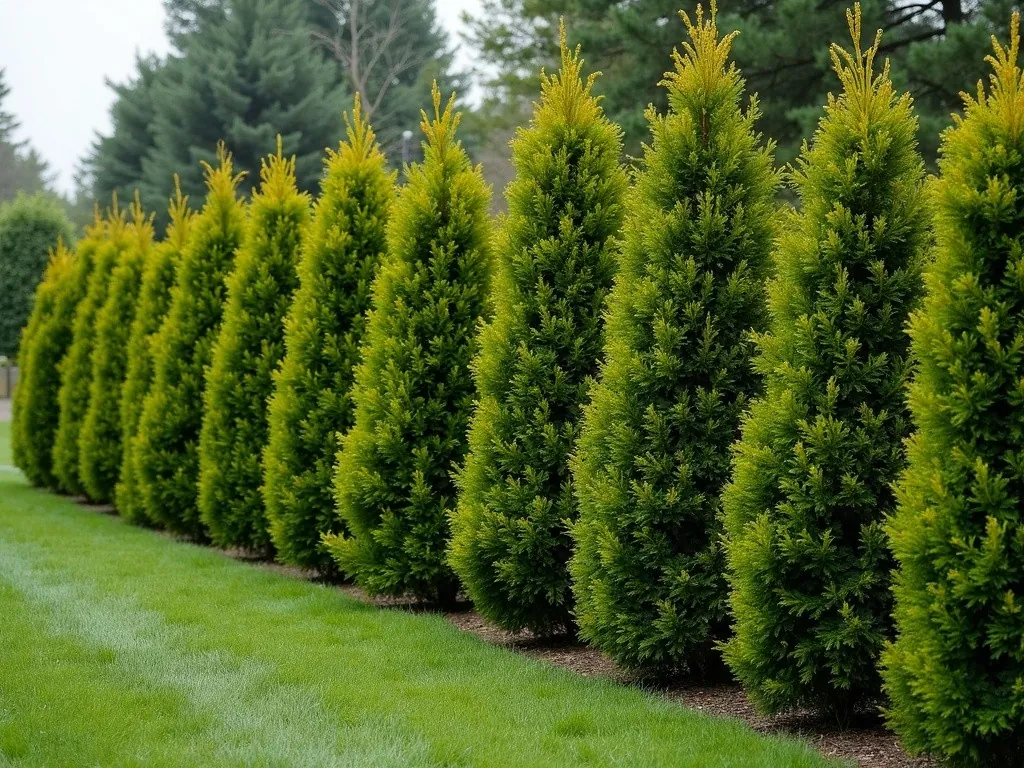
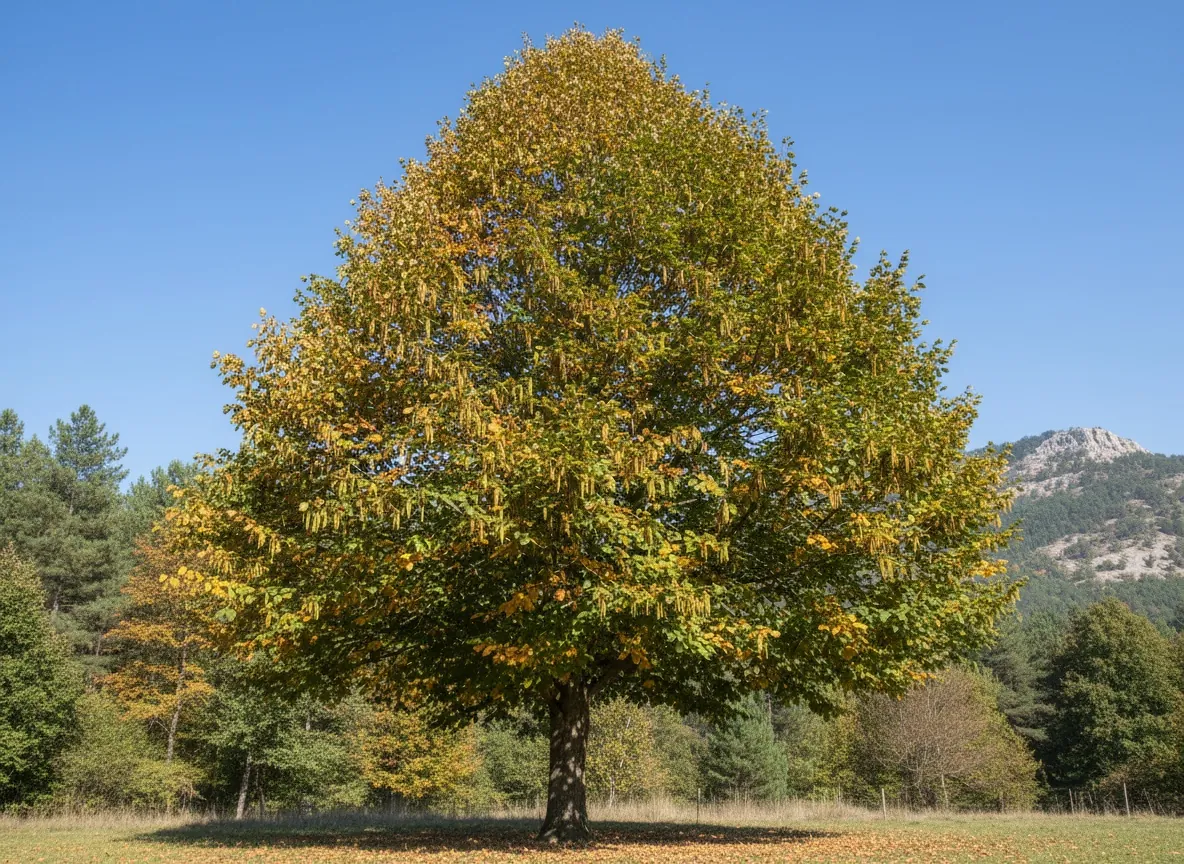
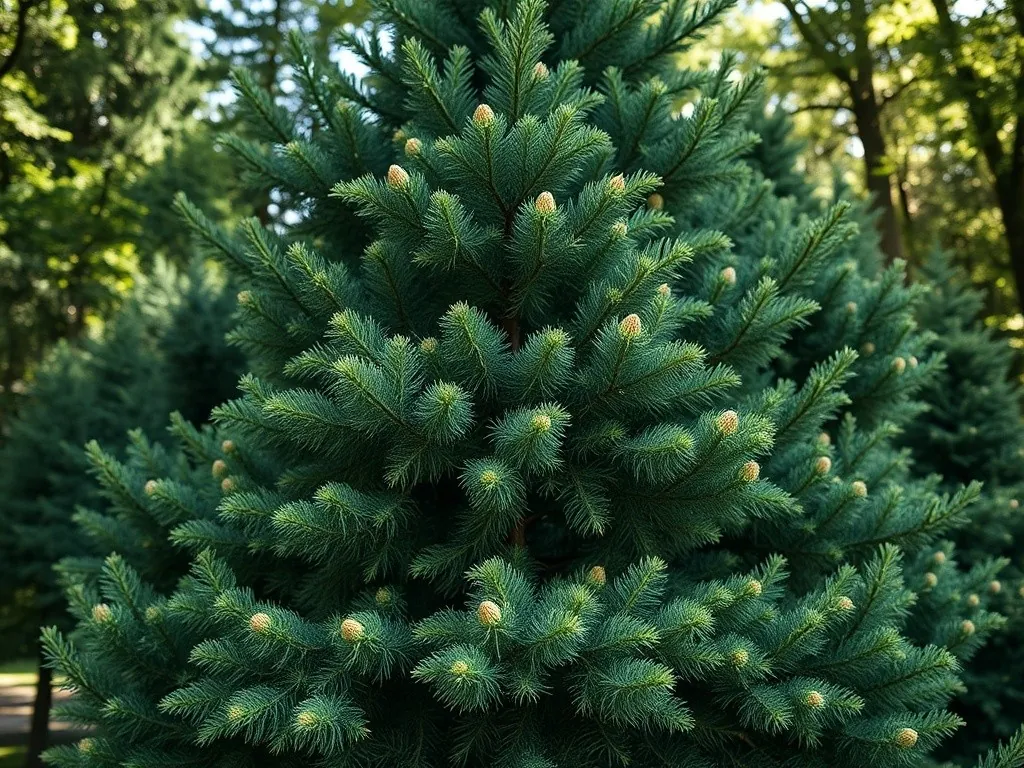
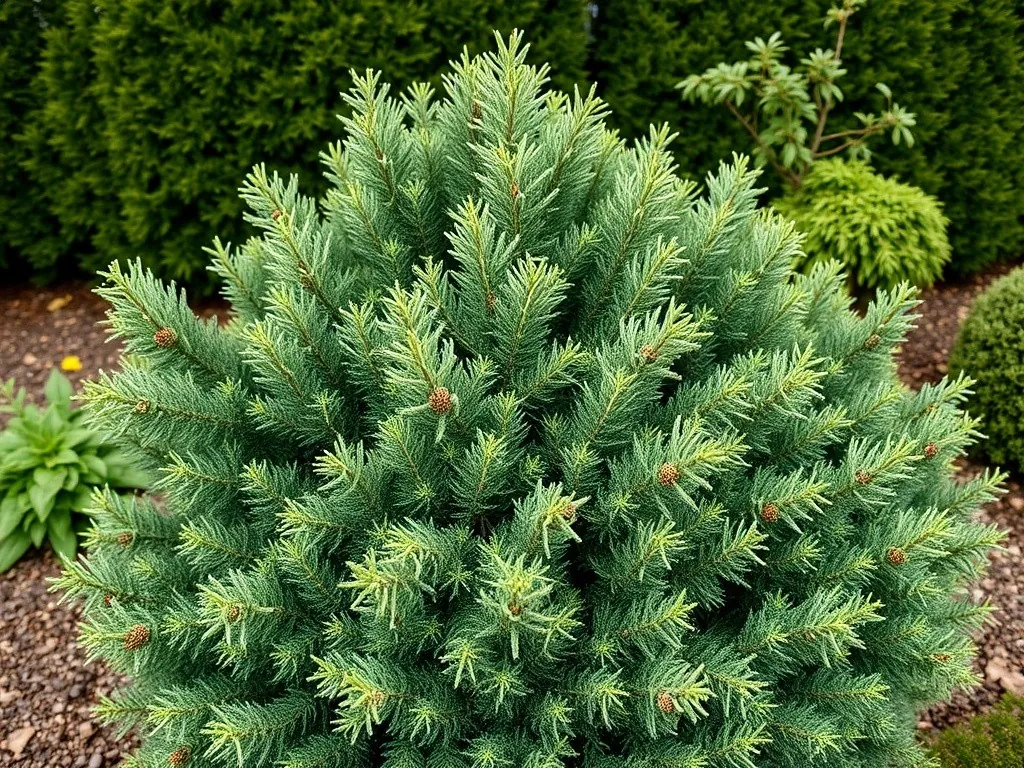
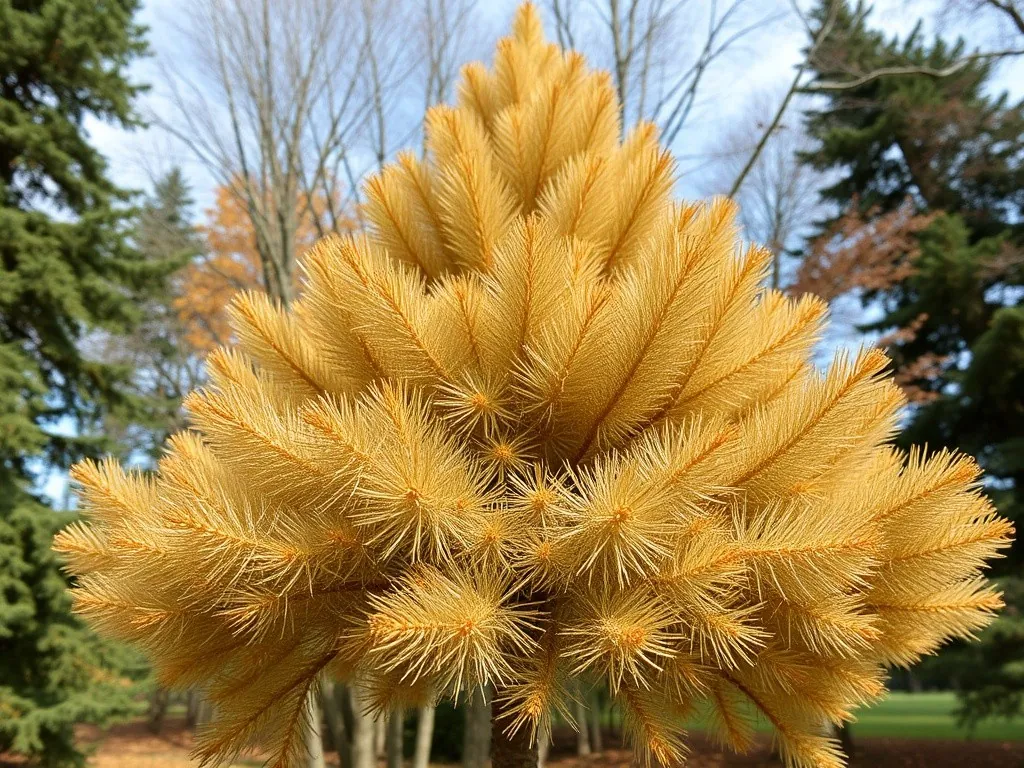
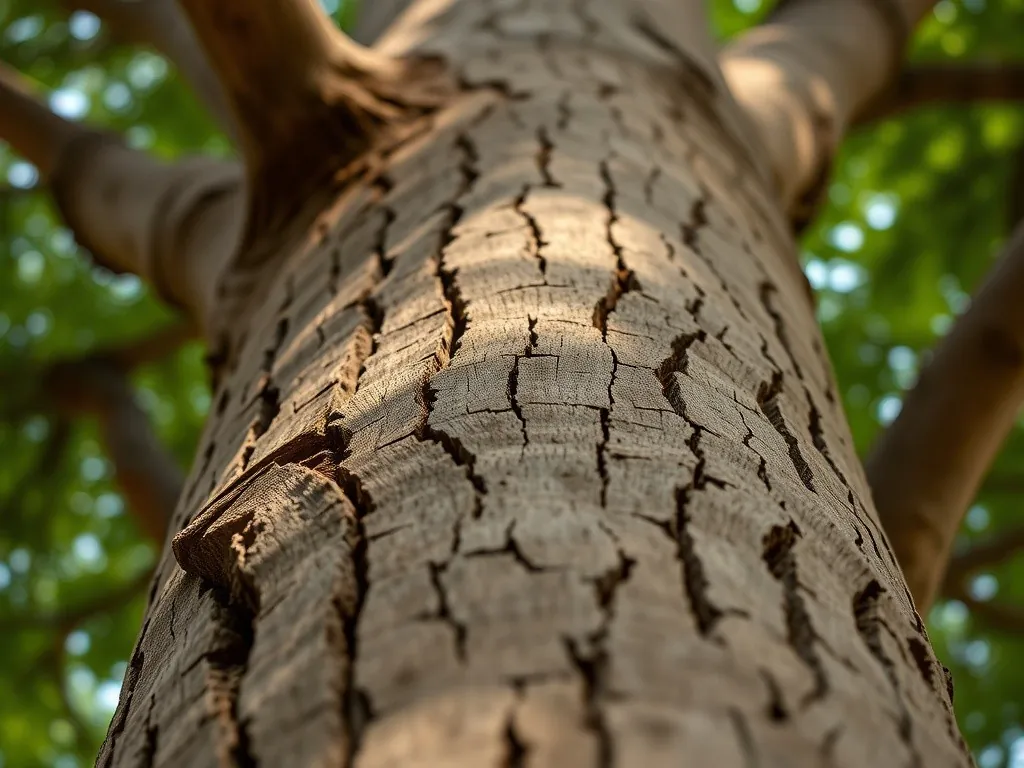
It forms a slender, conical to columnar crown with a slightly ribbed, reddish-brown trunk, characteristically widened at the base in older trees. The flat, soft needles are arranged oppositely on thin shoots and in autumn turn orange-brown before falling together with whole twigs.
Growing and care
Watering
Unlike most conifers it tolerates periodically waterlogged and even shallowly flooded soil well. Prolonged drought, on the other hand, it does not tolerate.
Fertilizing
Moderate doses — on fertile, moist soil the plant grows very fast anyway.
Planting
Fertile, moist soil, preferably near water or at a site of elevated humidity — it even tolerates periodic flooding.
Pruning
Remove only dry and damaged branches, shape young trees in the first years.
Companion plants
Good companions
Both species tolerate moist and even periodically waterlogged sites well — an excellent combination by a garden pond or on a damp slope.
Near a pond the dawn redwood tolerates a high groundwater level, similar to the water-lily growing in the water.
Bad companions
Lavender needs dry, well-drained soil — the moist, heavier site preferred by the dawn redwood would quickly lead to the rotting of its roots.
The evidence level indicates whether the relationship is backed by research, observation, or gardening tradition.
Toxicity
| For whom | Level | Notes |
|---|---|---|
| Humans | None | — |
| Dogs | None | — |
History and origin
The species was known to palaeobotanists from fossil imprints millions of years old and was considered long extinct. In 1944 a small, living population was found in a remote valley in the Chinese province of Hubei, and it was formally described in 1948. The seeds distributed at that time by the Arnold Arboretum to botanical gardens around the world began the cultivation of the species outside China — one of the most celebrated botanical discoveries of the 20th century.
Uses
Large parks, avenues and waterside areas, where it makes good use of its tolerance for moist soil. Little suited to smaller gardens because of its ultimate size, unless a slower-growing cultivar is chosen.
Trivia
- The dawn redwood is one of the most famous 'living fossils' of the plant world — it was first described from fossil imprints before living trees were discovered.
- In the wild it grows today only in a single, small region of China and is an endangered species there, although in cultivation it is common worldwide.
- It is closely related to the American redwoods and the bald cypress, with which it shares a tolerance for waterlogged habitats.
Frequently asked questions
Why does the dawn redwood shed its needles for winter if it is a conifer?
It is a natural feature of the species — the dawn redwood, like the larch, is a conifer that sheds all its foliage for winter. In spring it puts out new, bright green needles.
What does calling the dawn redwood a 'living fossil' mean?
The species was known to science solely from fossil imprints millions of years old and was considered extinct, until a living population was found in China in 1944. It is one of the most spectacular discoveries in the history of botany.
Is the dawn redwood suitable for an average garden?
It grows very fast and ultimately reaches several tens of metres in height, so it does better in large parks and by bodies of water than in small home gardens.
Sources
- Plants of the World Online (POWO) — Metasequoia glyptostroboidesDatabase (GBIF, POWO…)
- Missouri Botanical Garden — Metasequoia glyptostroboidesInstitution / botanical garden
My note
A private note for this plant — saved in your browser.